Weight doesn’t scale down because when you scale down, you do it in three dimensions. Suppose you had a single weight on a HO flat car that weighed 1 ounce and was one cubic centimeter in size. For simplicity sake I will multiply by 87 instead of 87.1. If you scale that up, it would be 87 centimeters long, 87 wide, and 87 high. That’s 87X87X87 or 658,503 cubic centimeters and the same number of ounces.
Edit: I guess I should have read the further posts because several have already explained this.
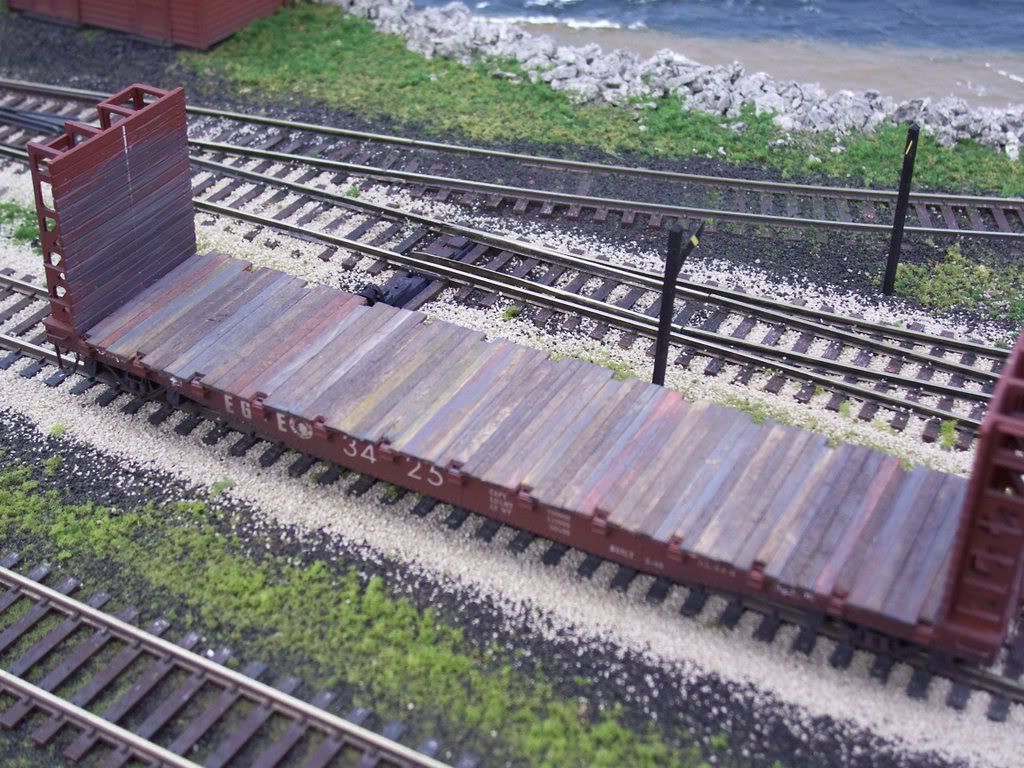
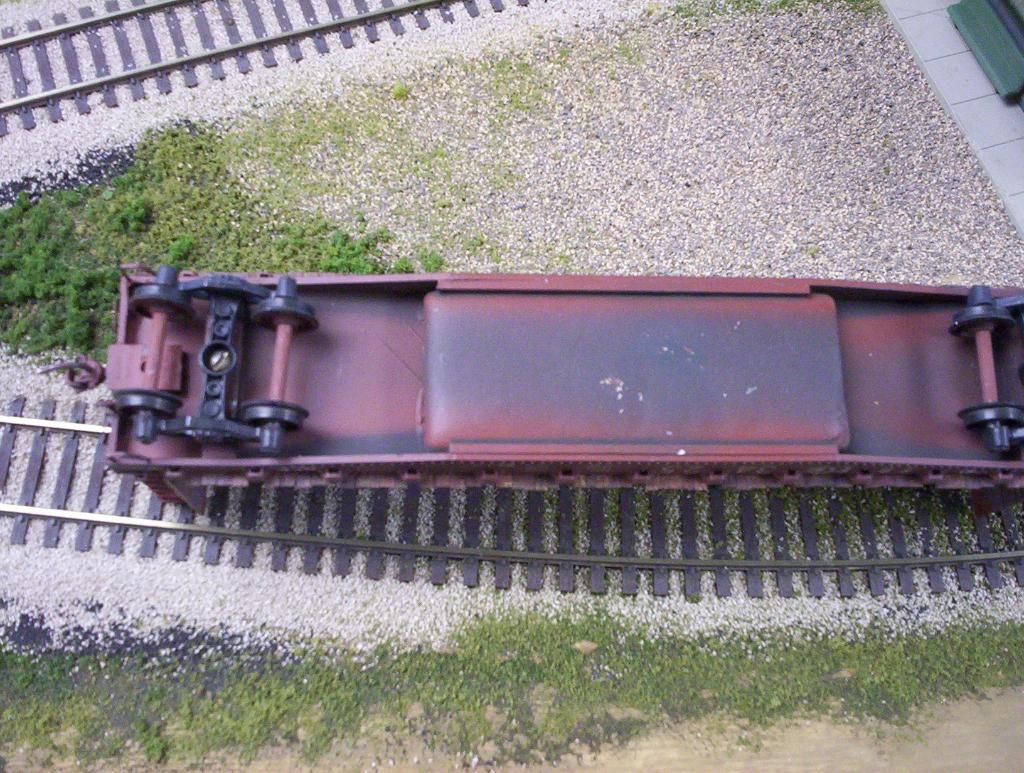
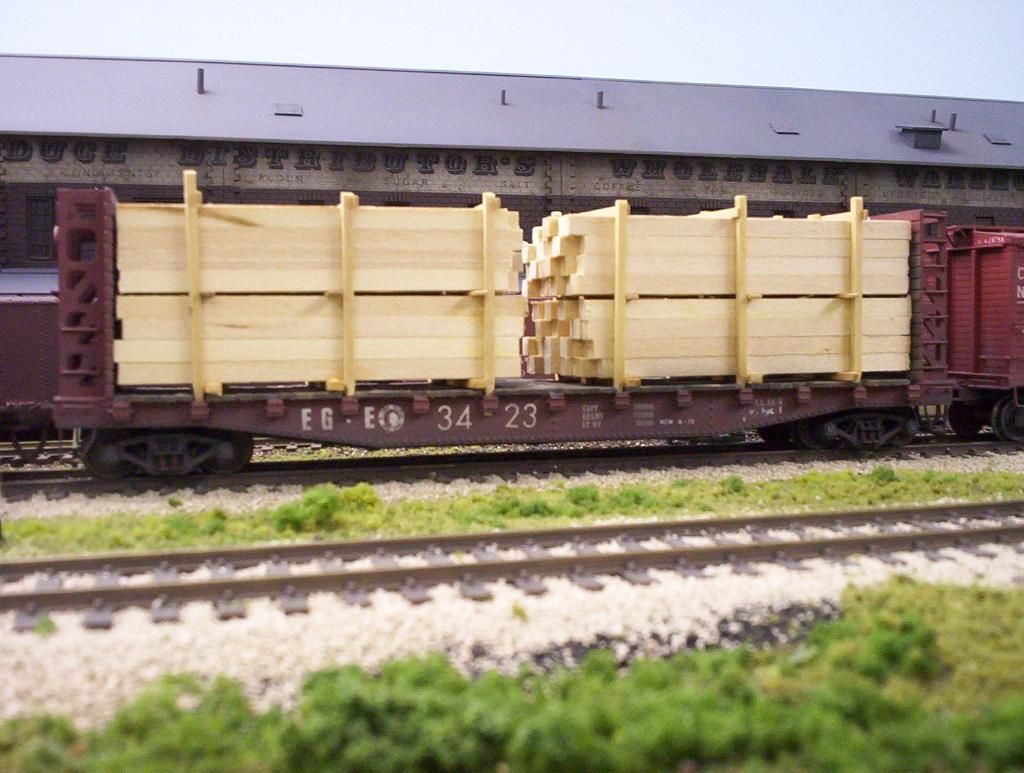
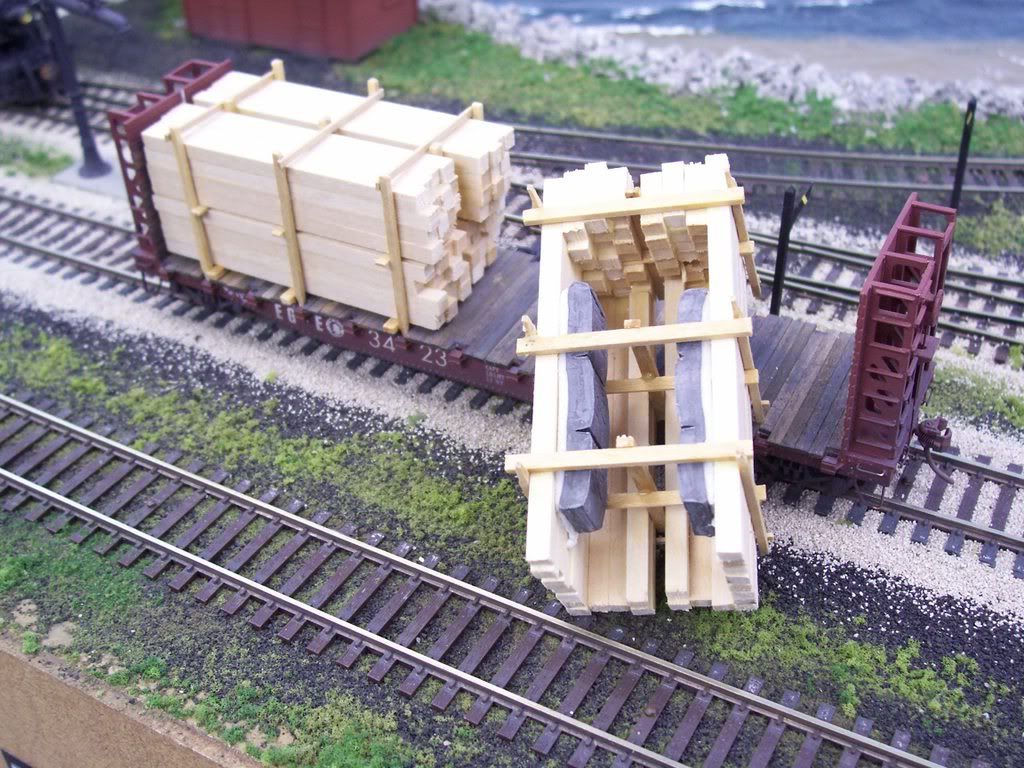
One of the biggest challenges regarding weight is what to do with empty flats, gondolas, and hoppers. Where do you put the added weight where it won’t be obvious. To be weighted properly, they would need more weight when empty than when carrying a load.
I haven’t figured out a solution to this dilemma so I’m going to try to be judicious as to where in the train they get placed. I’m still experimenting with that but my thinking is near the front would be the best place for an underweighted car. Any other thoughts?
Lead is convenient for additional weight and is 44% denser than Iron. It is malleable and can easily be melted into a form.
But tungsten is 70% denser than lead. Unfortunately it’s hard even to machine, but may be an alternative if found in an appropriate shape to provide weight in a small space.
I only weigh the rare car which is causing a problem. If a car with the stock weight tracks well and does not derail, what exactly is being accomplished.
jecorbett, I would think if you were to run the light cars in the front and weighted cars to the rear, you would increase the chances of stringlining. It’s just because of those weighted cars acting like an anchor, and the loco trying to straighten the line out.
Hmmm. OK I see the problem now - and the same issue exists with an older generation of wood kits and some plastic models which had no provision for a place to “hide” weights. The thought does strike me that given such a light car, part of the problem might be our nearly scale sized bolsters both on car frame and truck, and that a broader and wider bolster such as you see on the mountings of some locomotive trucks onto frames might address the wobble issue.
For one super-light Varney gondola I carefully cut sheet lead and in essence thickened the sides and ends, then painted and weathered to look like the floor of the car. Some guys put in false lead bottoms into their underweight gondolas, and I would think that a false deck of lead could be added to a flat car. It would come at the cost of total scale appearance, but then, so does the wobble you describe. I wonder if a thin sheet of lead fitted to the top deck of the flat car would look OK enough to work.