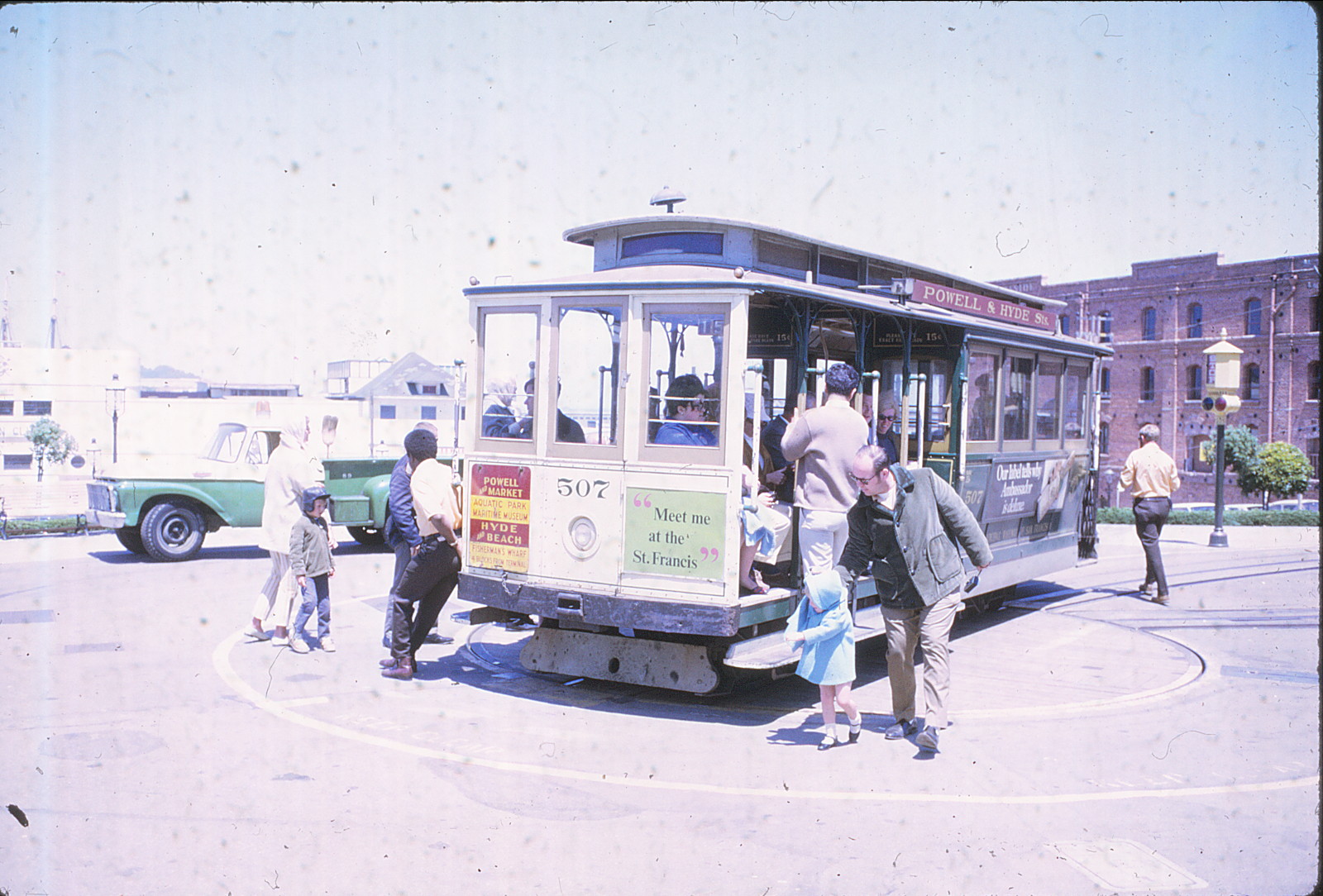
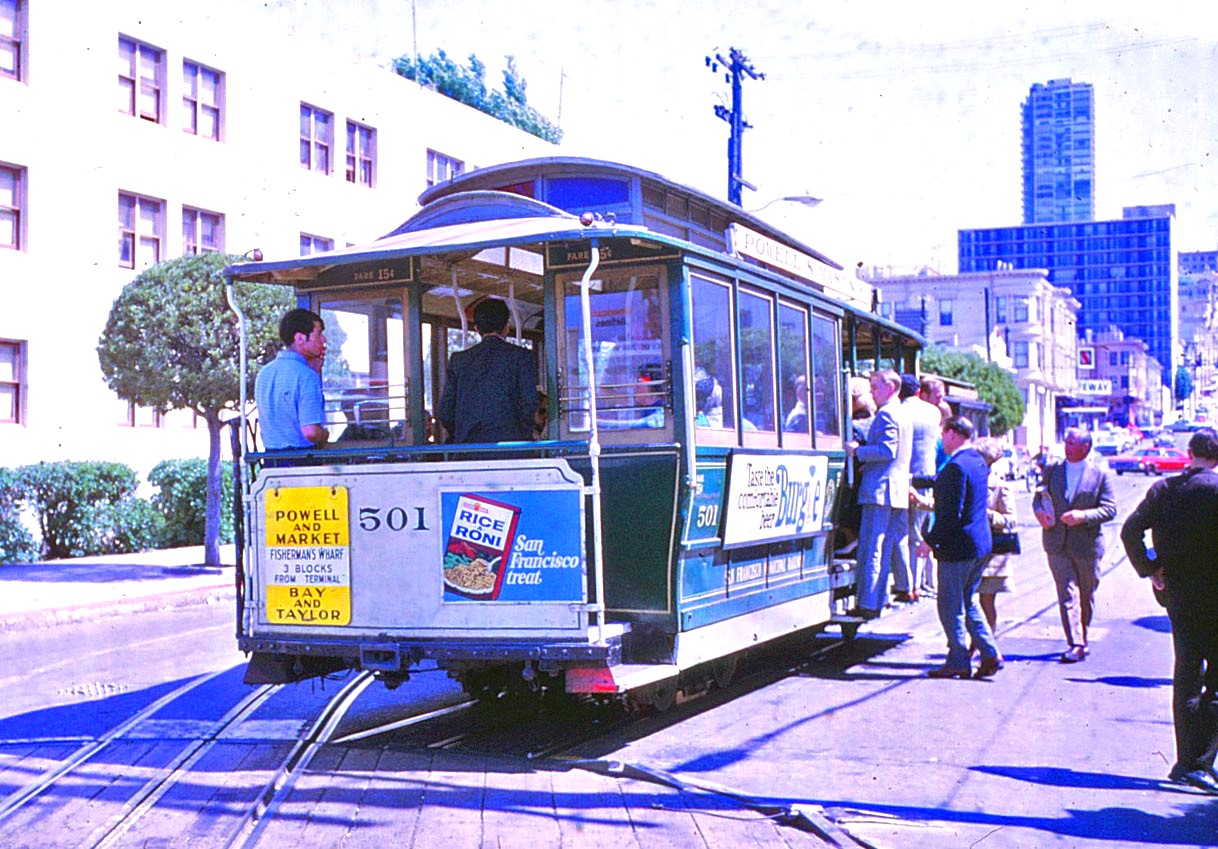
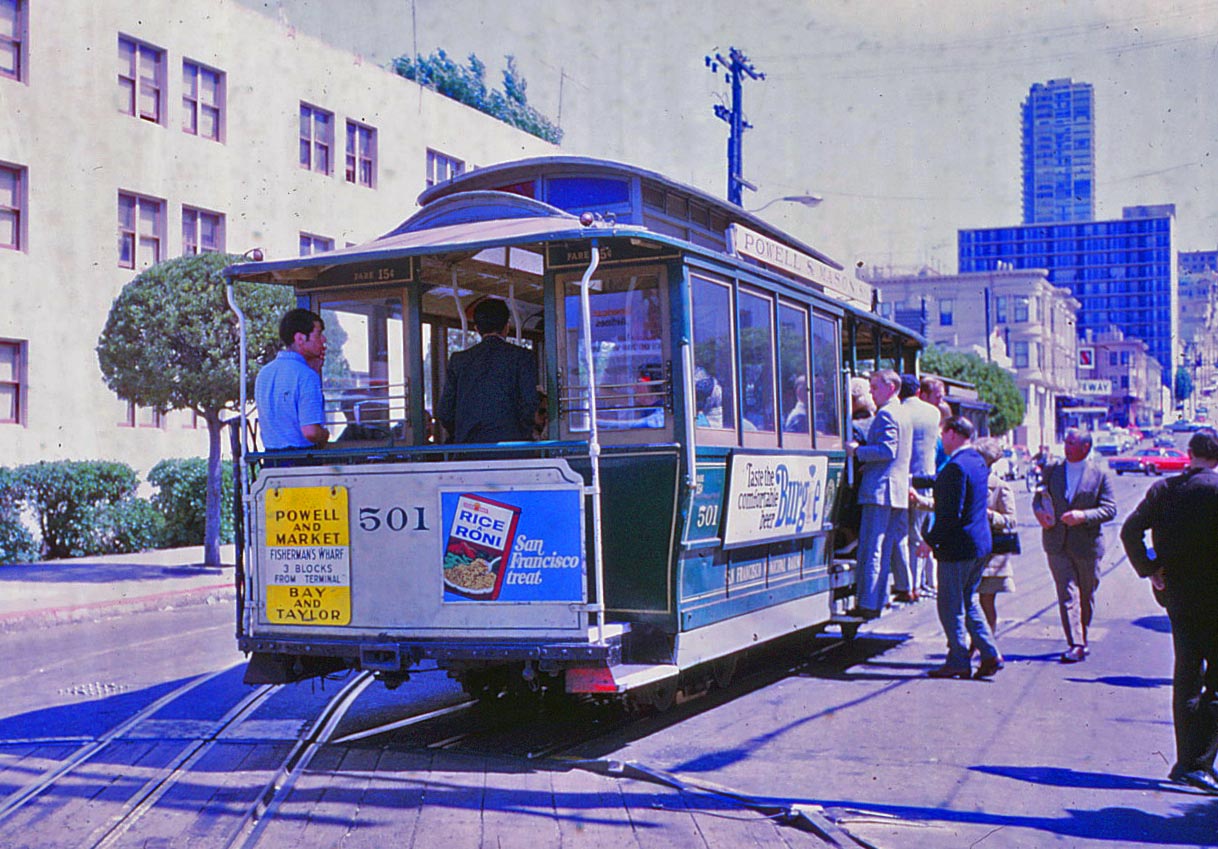
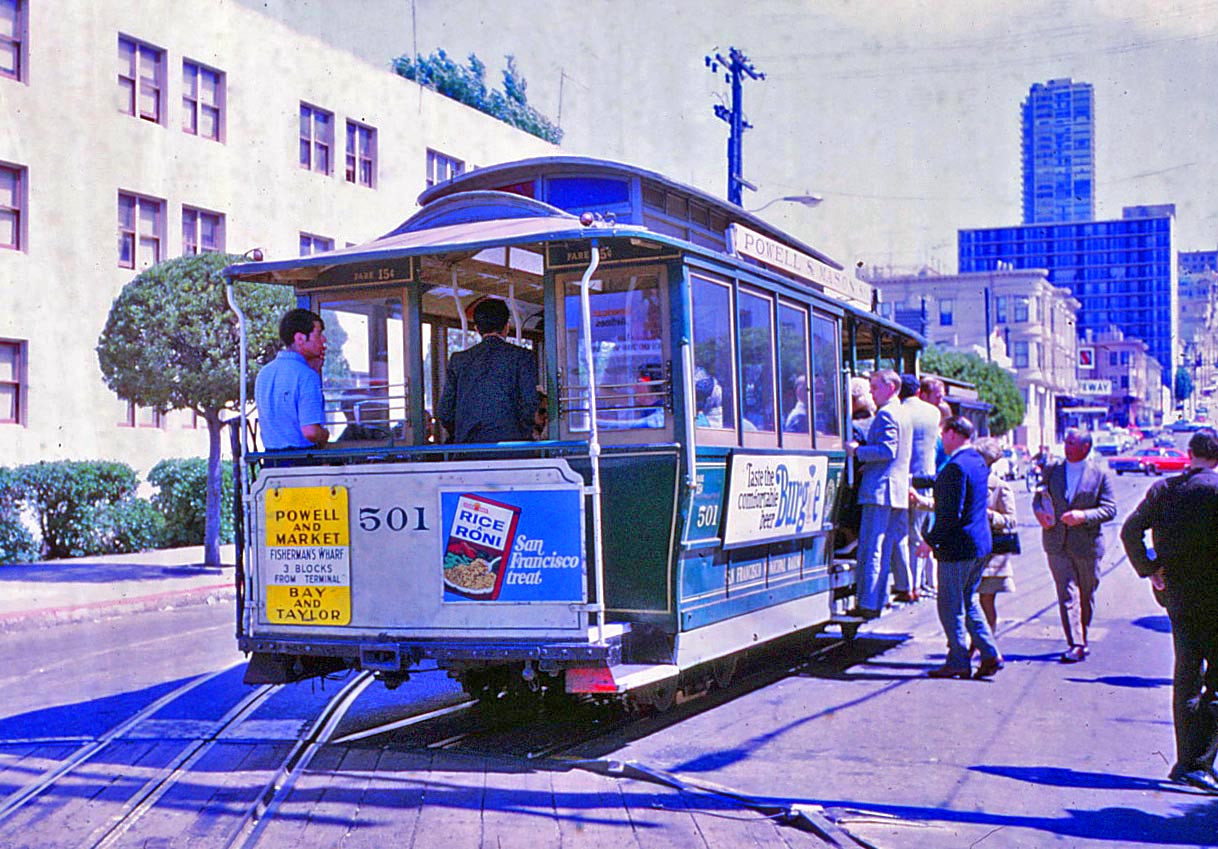
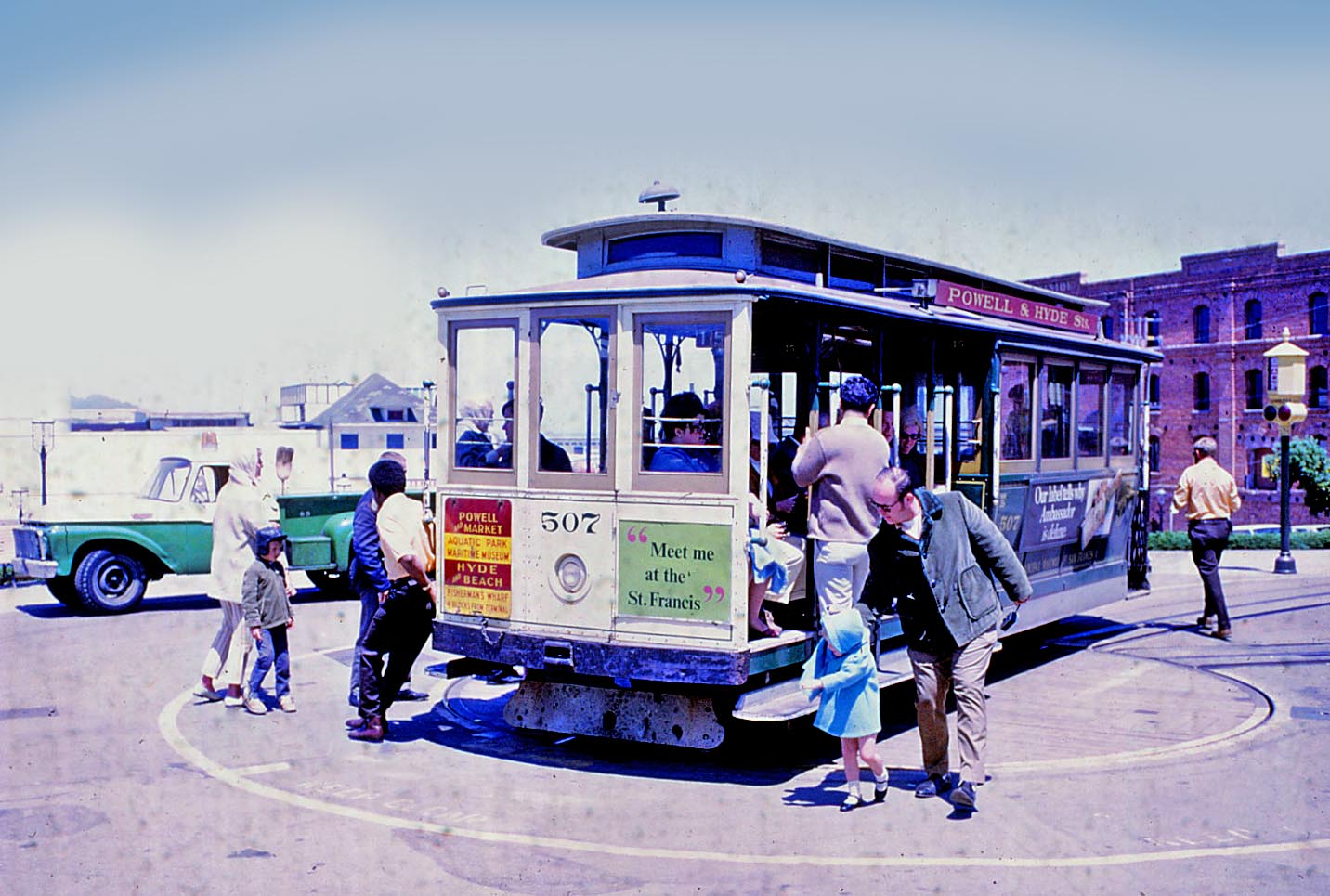
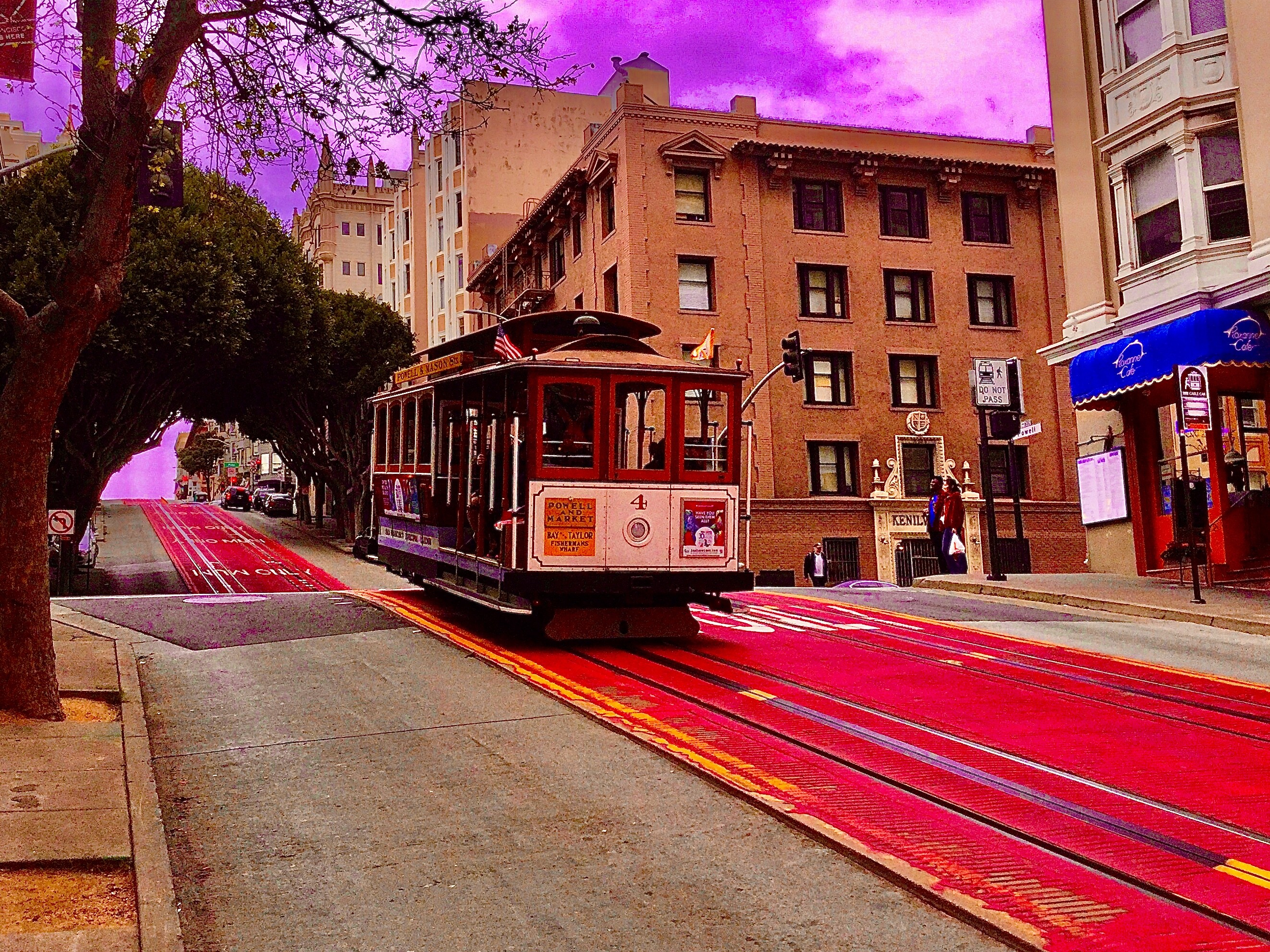
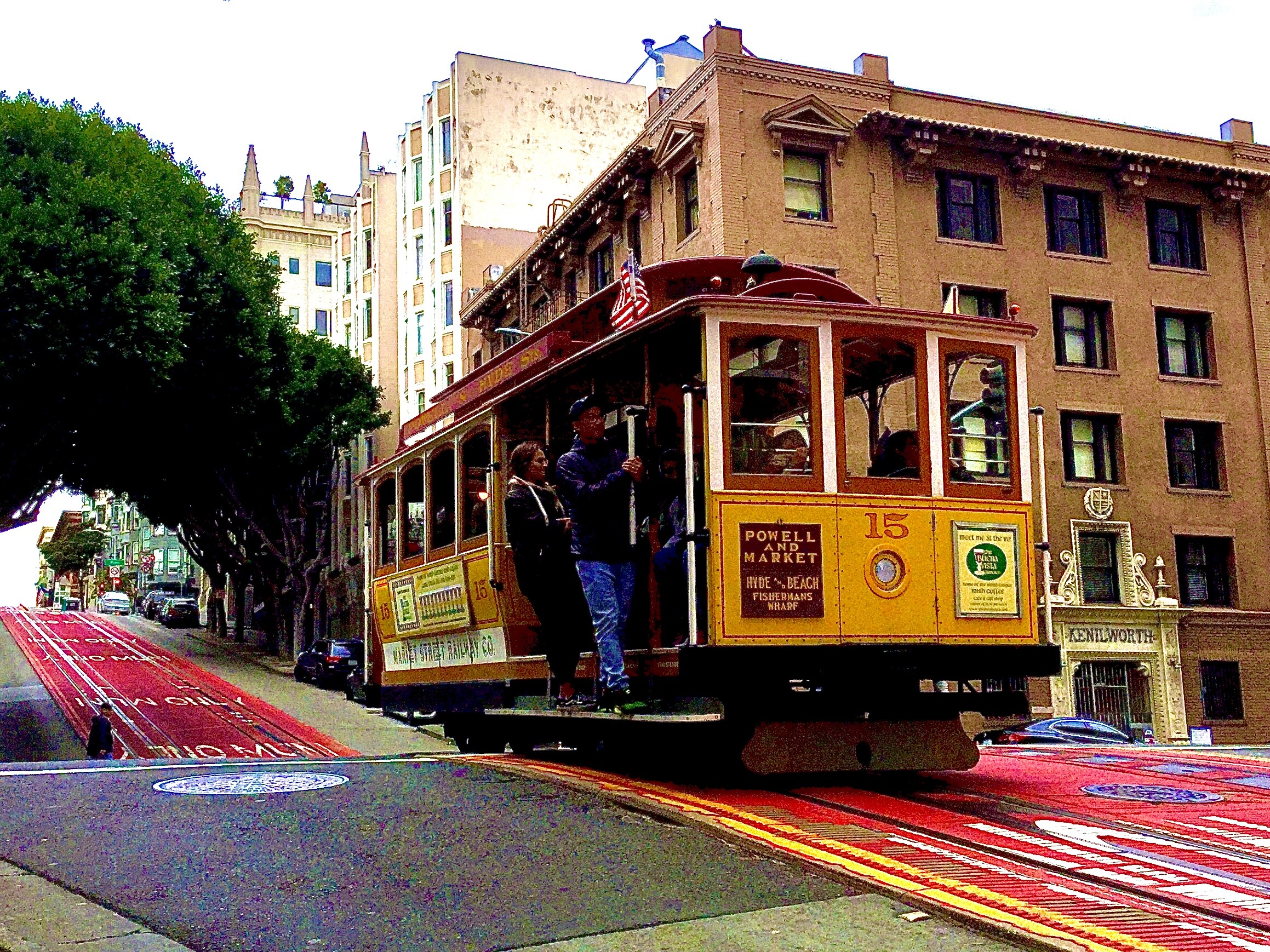
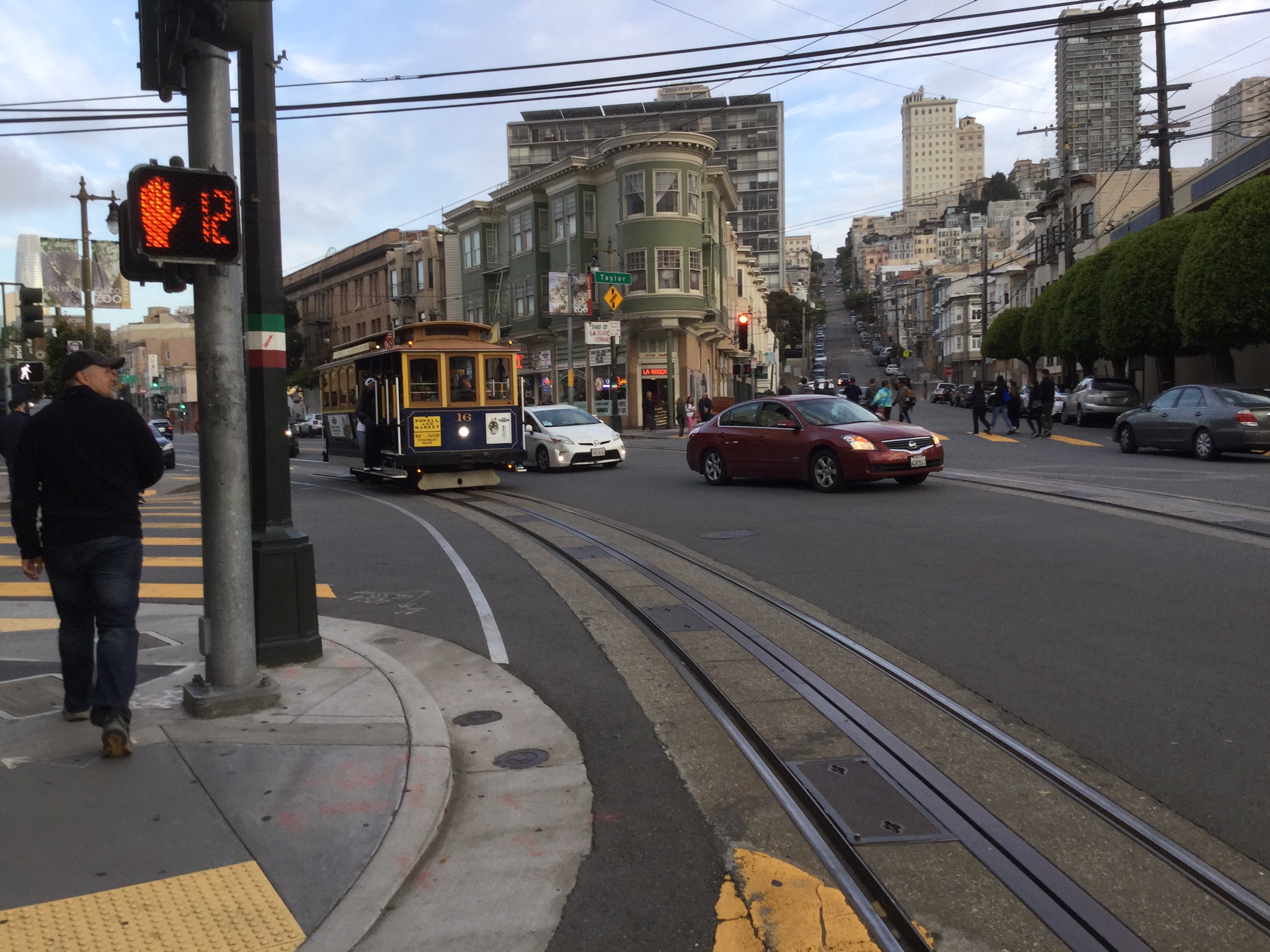
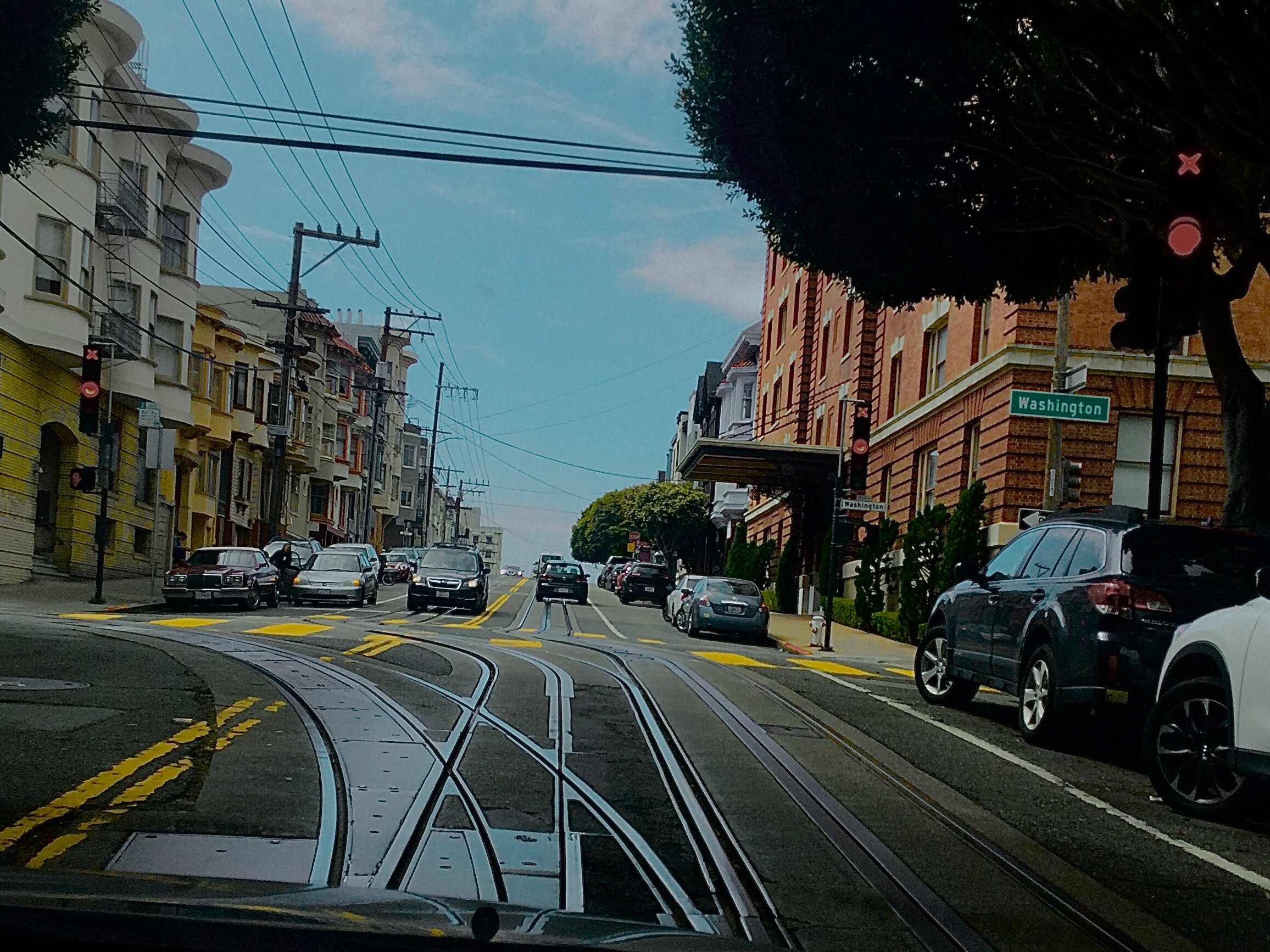
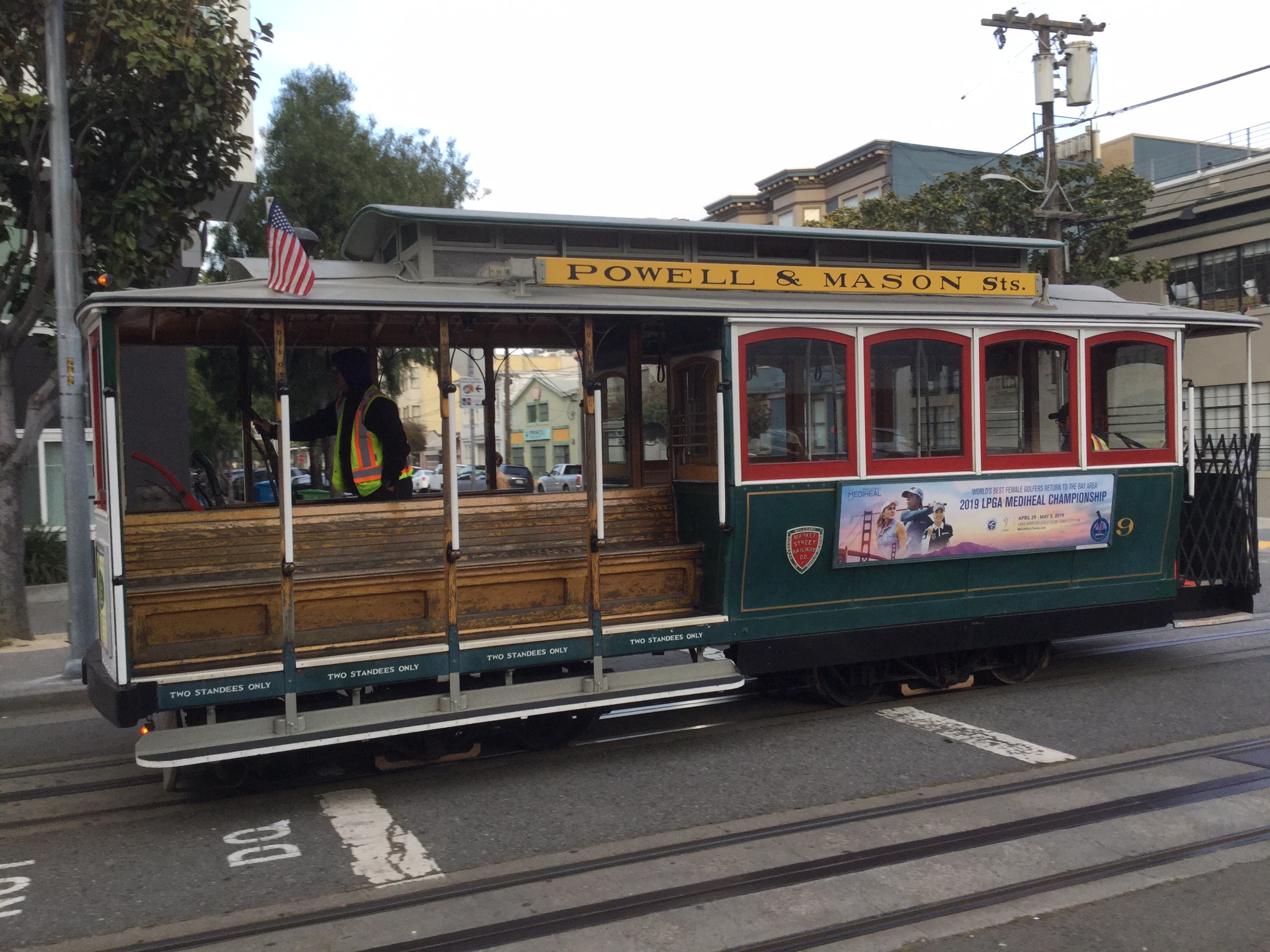
Alln these require editing. After I do the job, should In simoly freplace by editing this post,or should I put them inv a new post? At the jmoment, I need this post to just transfer the data.
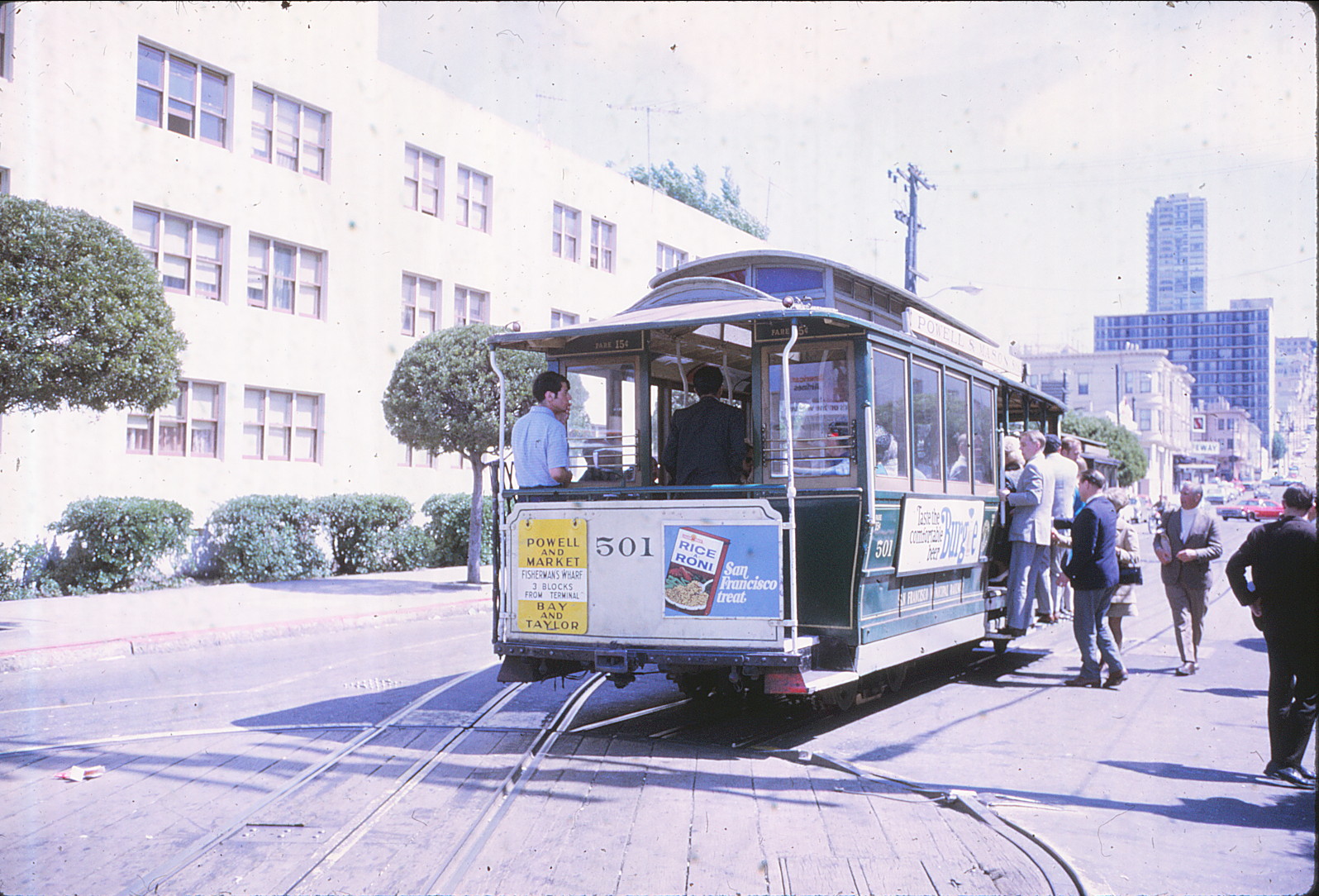
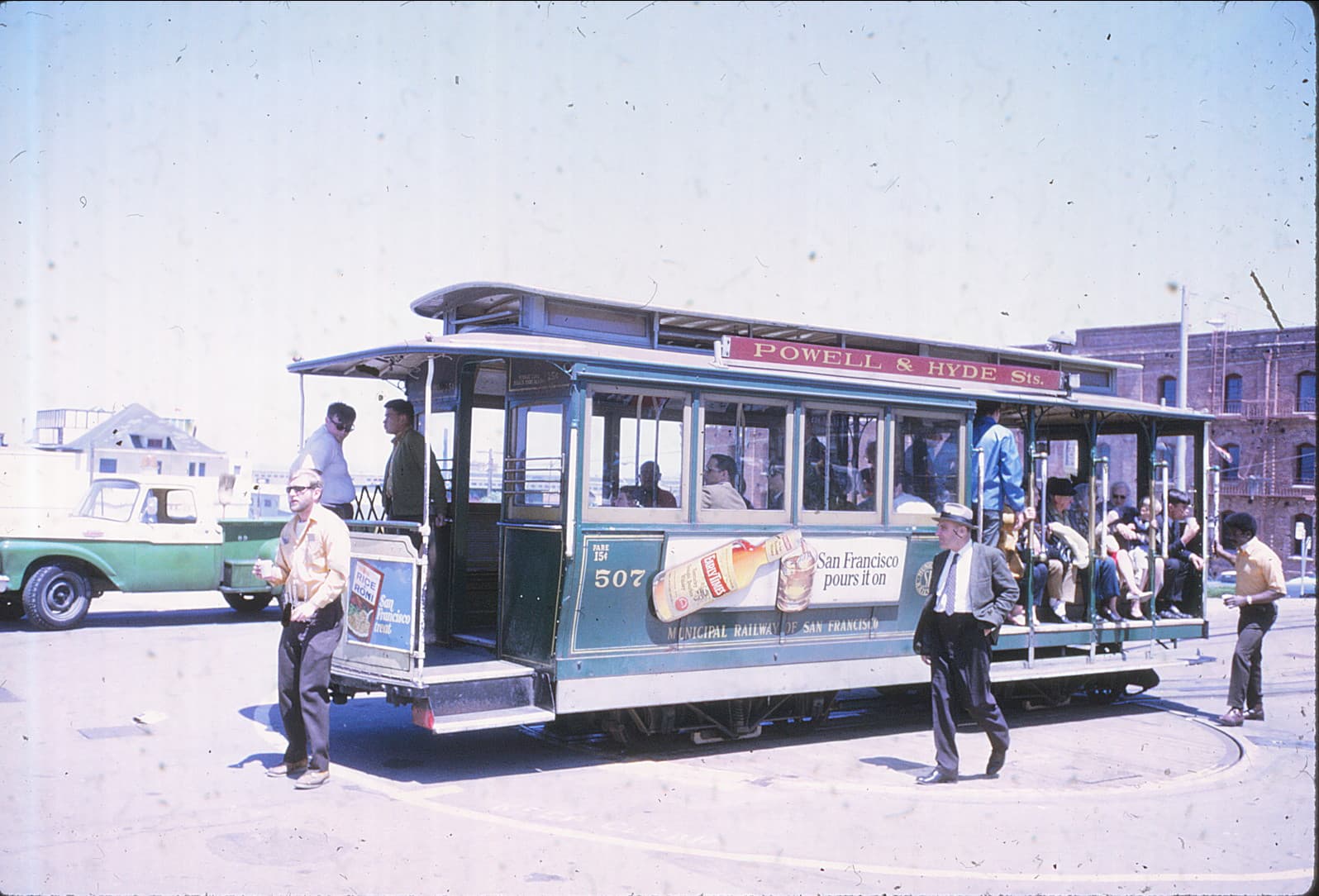
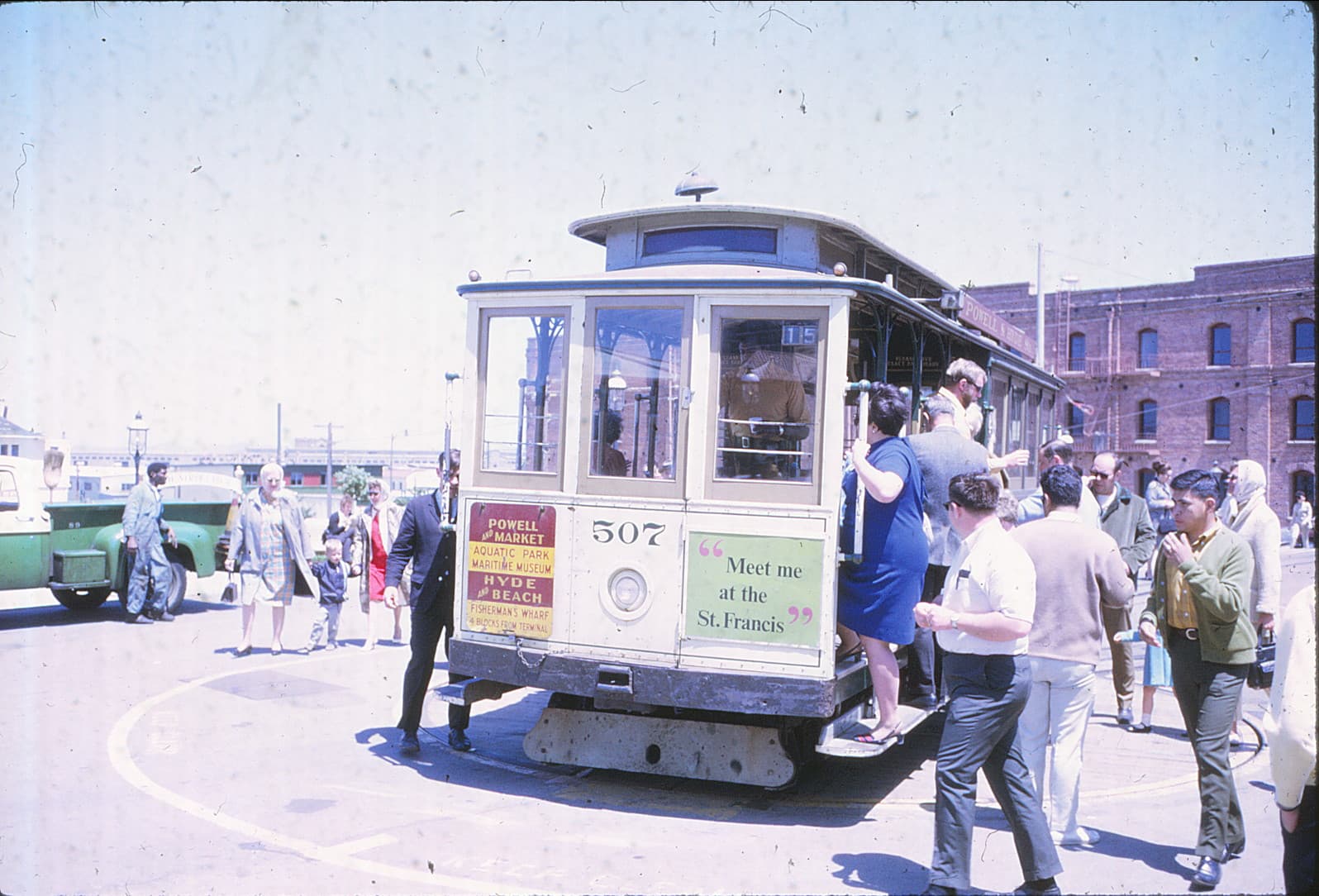

a!
Alln these require editing. After I do the job, should In simoly freplace by editing this post,or should I put them inv a new post? At the jmoment, I need this post to just transfer the data.
a!
I would put the revised photos in a separate new post, with appropriate comments about how you modified the images, and with what tools and parameters.
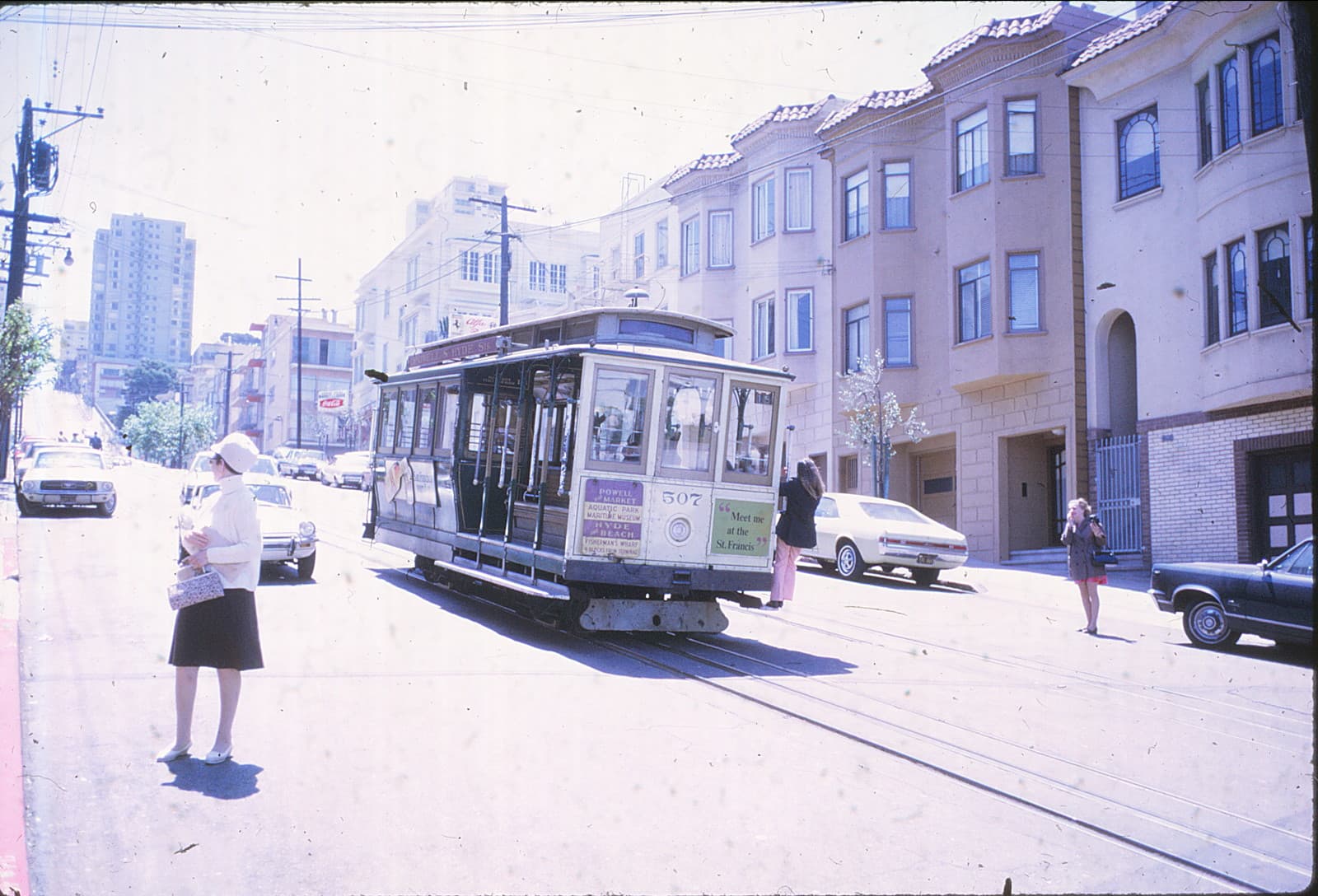
I tried to edit the image using PhotoShop Elements 9, which I have been using for the past 16 years. The image was difficult to edit using this old software for amateurs.
That certainly sharpened it up. Is it my system or is there just a touch too much blue in those shadows?
Looks like a touch too much blue on my laptop screen.
Rich
Probably need highly specialized software.
Rich
You’d need to know more about the type of film used, and how it fades with age, particularly if certain of the color dyes are affected more than others (as I believe reds are with Kodachrome). Then you would want to find out about some of the ‘original’ colors in the image, notably the advertising placards, the letter boards on the car, and the vehicles. That light-green color on the pickup will be a relatively easy color to match, for example, even if it has faded a bit, and that may help adjust things with components in those parts of the color spectrum.
The building colors at the rear of some of the images are a guide. Sharpening should be done before color adjustment. Those shadows are distractingly blue on an iPhone; I’d try increasing basic color saturation alone before starting to adjust hues.
I’m happy you are makimg the effort, and I don’t claim I could do better than you have done, except for one issue only. To me, the surrondings around a transit vehicle or train are important, so I don’t favor enlarging the rail vehicls’s (vehicles’) image at the expense of losing intersting surroundings.
I’m busy with local matters and lessons.
Great pictures! Love the cable cars!
Did you know:
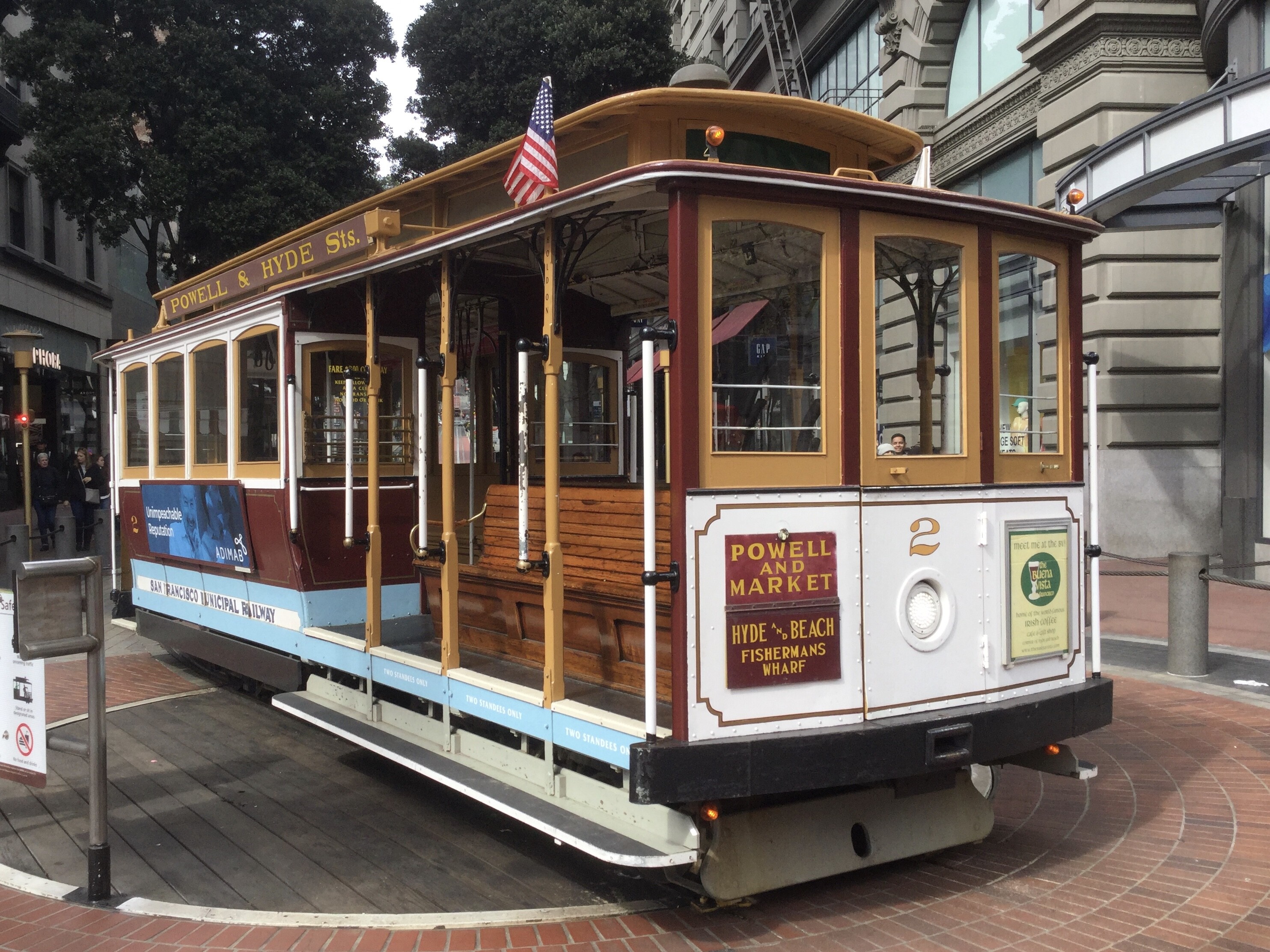
Five cable lines survived WWII:: Powell-Mason. still exists; California Street, still exists but shortened at the south (outer) end; Jones Shuttle (one car) disappeared, and O’Farrel Jones and Hyde. and Powell Jackson, both providing elements for the existing Powell-Hyde Line.
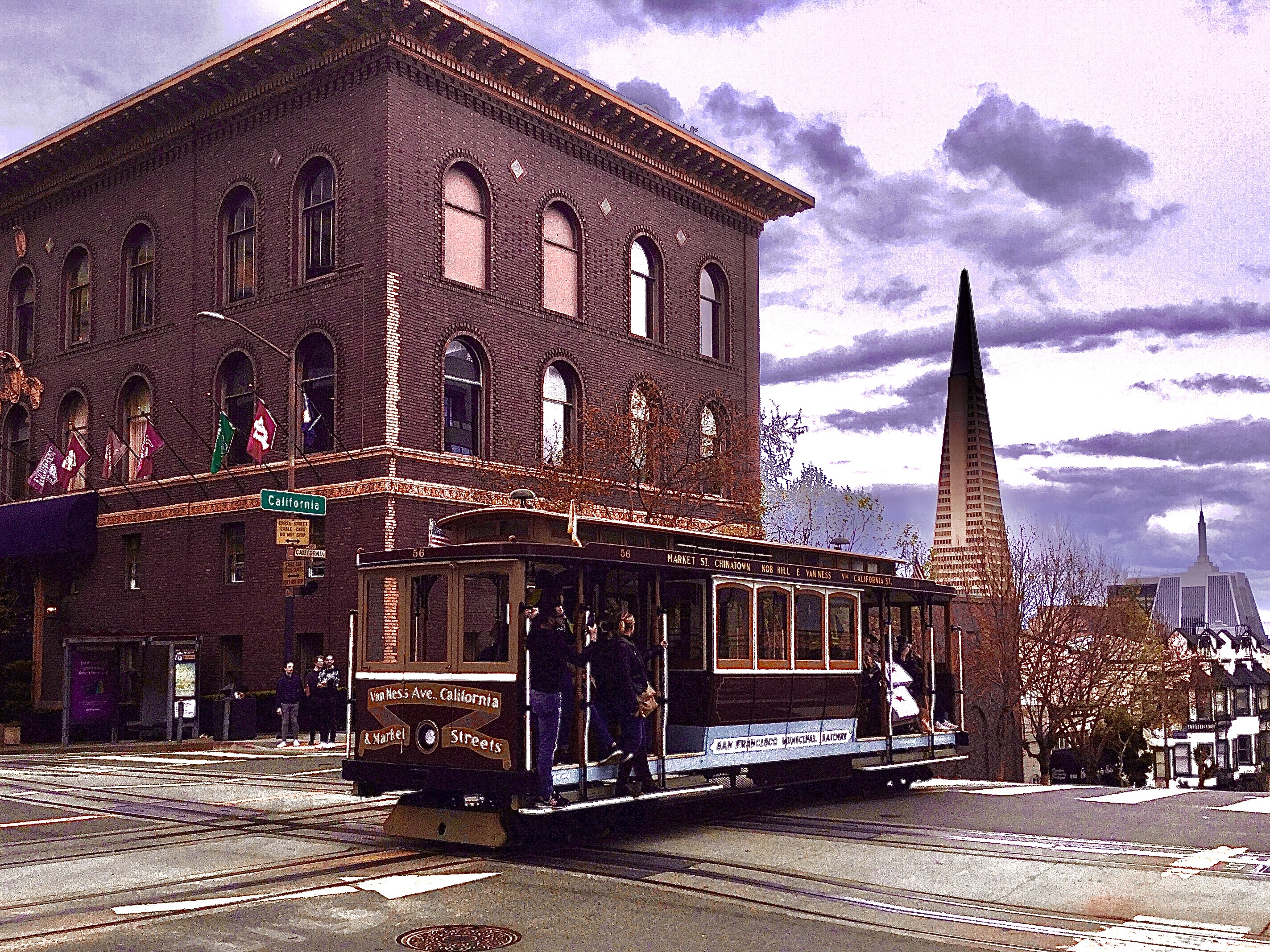
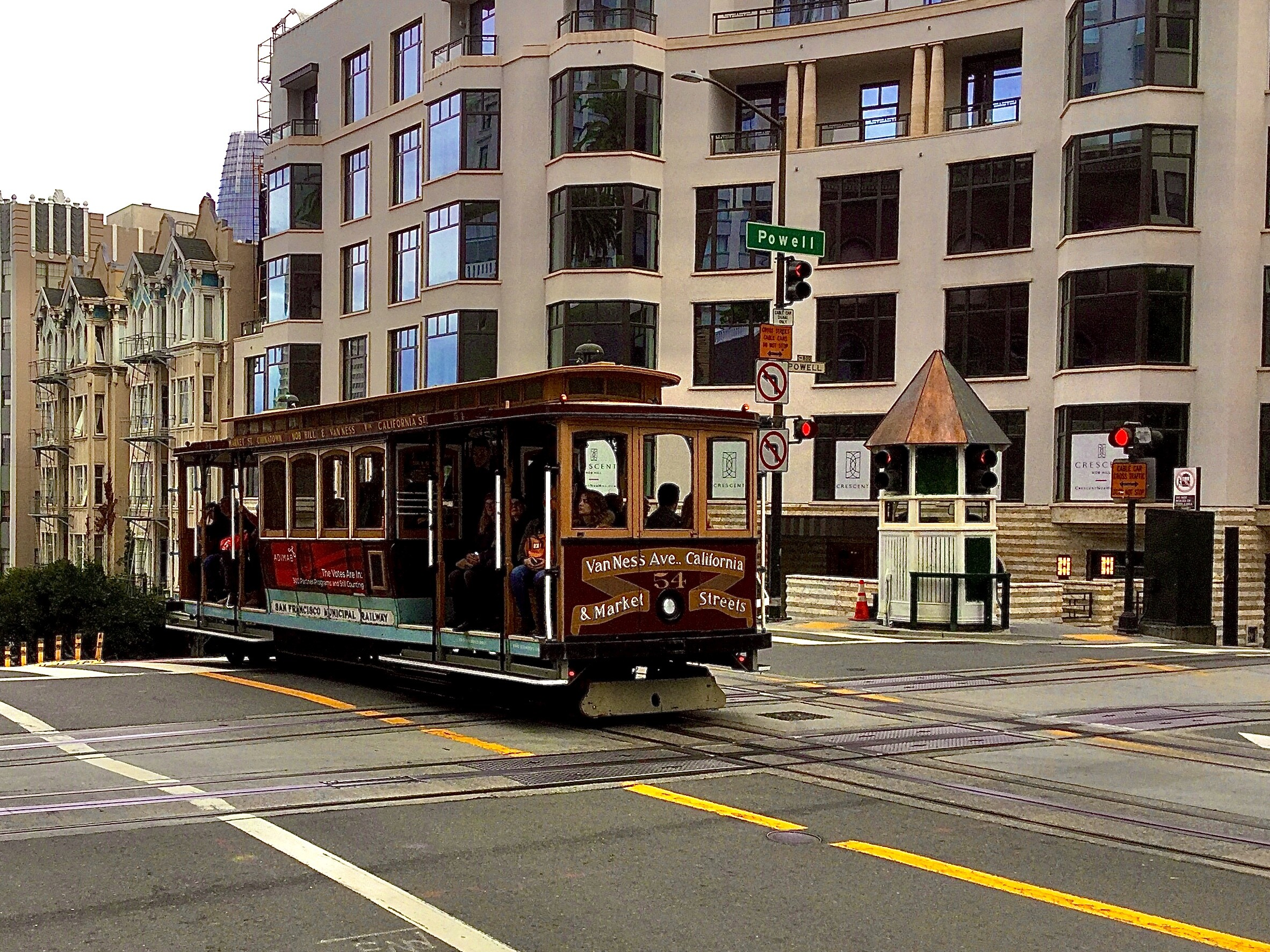
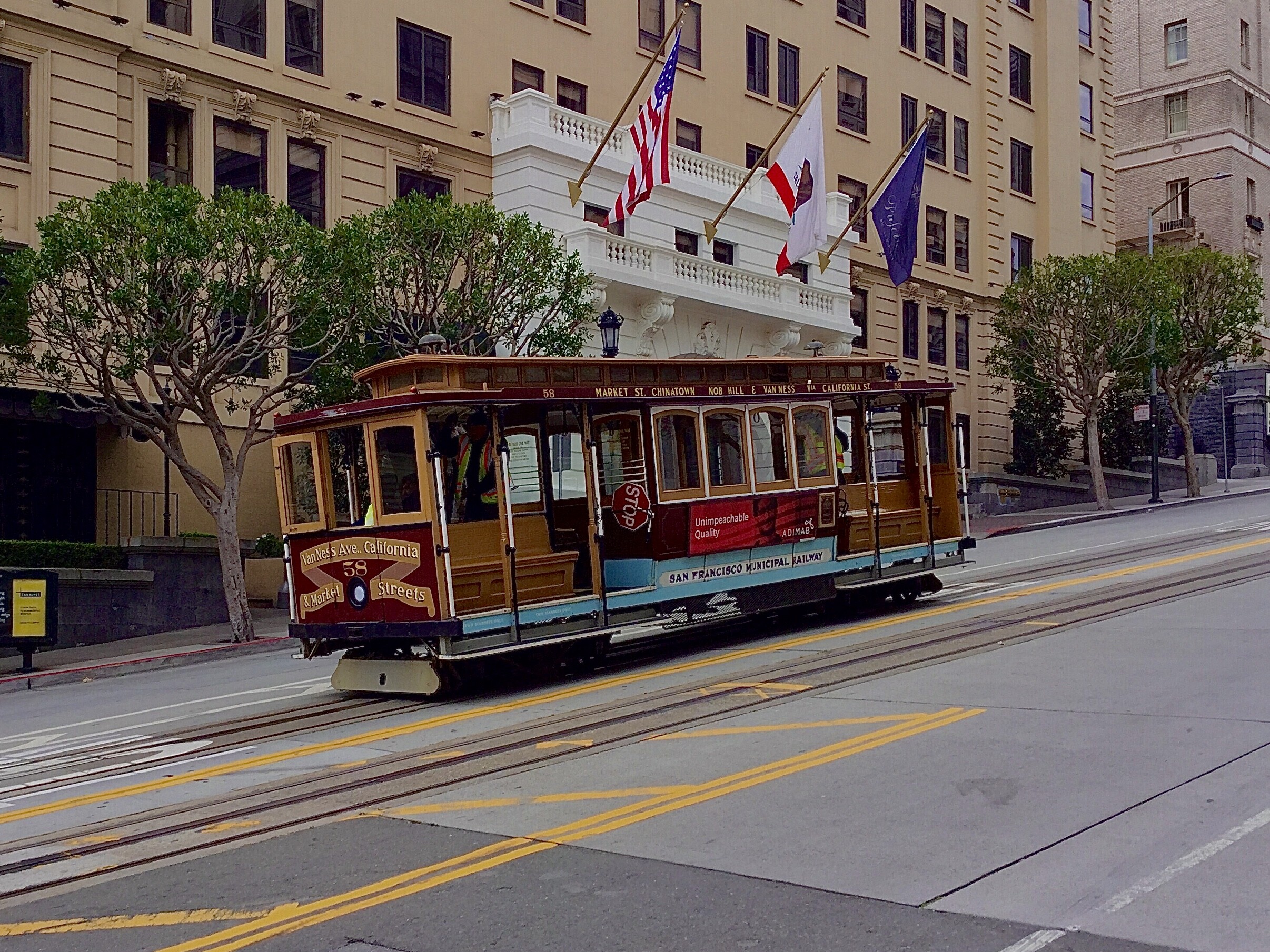
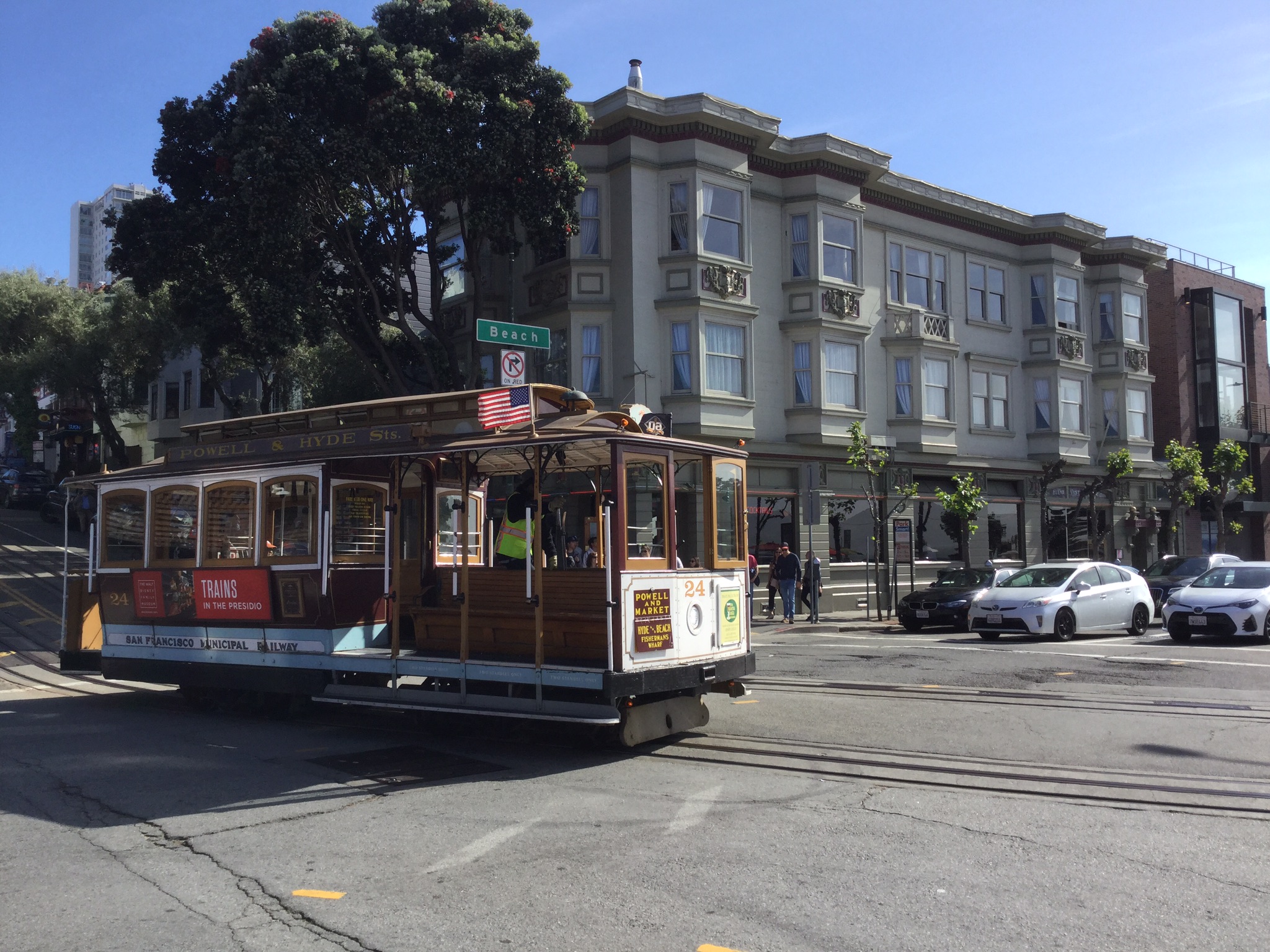
The second and third photos are of the California Street cars, which are crossing the Powell Street diamonds. The California Street equipment can be distinguished by the closed section in the middle, while the Powell Street equipment has the closed section at one end. The reason for this is that the gripman operator is located at the center of the open section, in between the two outward facing benches. The California cars are double ended, so they need open sections at each end, whereas the Powell cars are single ended and must be turned around on those manual turntables.
Yes, you are correct. The Powell cars are shorter, with one open section,one section enclosed. The California street cars are longer, with an enclosed section in the center. The original O’Farrel, Jones and Hyde cars were very similar to the California street cars. Double enders.
Paul
Correct. In any case, great photos, THANKS!
And this thread taught me something about myself. I’m still more of a New Yorker than a San Franciscan. I had to correct a previous post, concerning the California Street Cable Line, which was shortened at its South End, not North. i had written “north” because for New York (not Brooklyn) downtown is south, suburbs north, Except for “Across the Bay,” the reverse is true in SF.
The cable cars are a fascinating topic for me. When I was a kid, going to S.F. was as much fun as Disneyland, because of the Cable Cars, and PCC’s on Market. This would have been the early 1960’s…
The PCC’s are running again, now.
Paul