I have an HO 1915 layout going on. I saw a picture of an old 1888 wagon top Manchester 4‐4‐0 working switcher on the Santa Fe in Bakersfield in 1921. Suddenly I needed one. I think I can use a Bachmann Sound Value American as a start to both update and age, but I am wondering how well it will pull. I think the engine has a small coreless motor. My layout has two levels with a 1‐2% grade between. Should it work?
1 Like
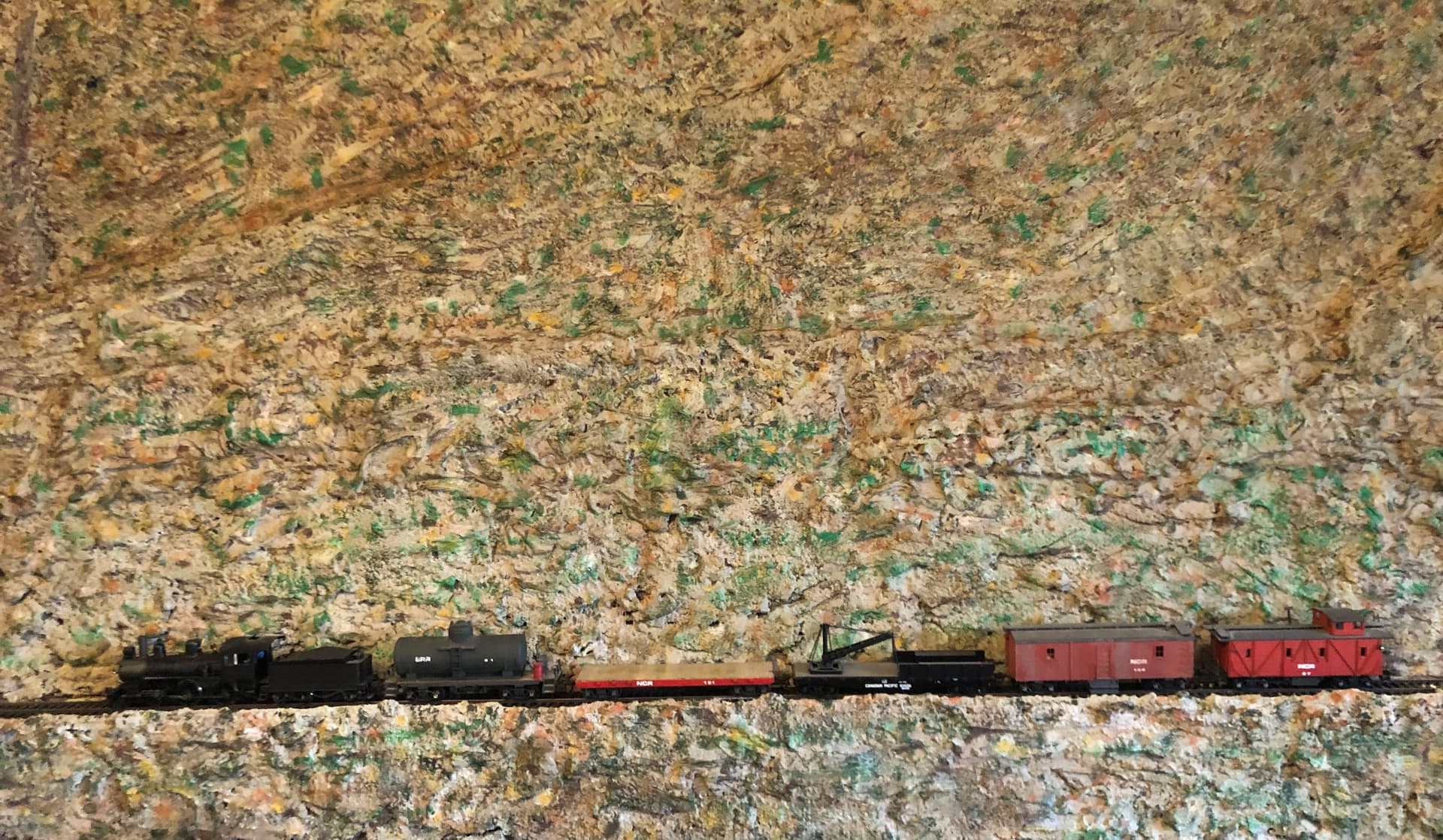
This BS 4-4-0 pulls this work train up grades you describe with no problem. It has copious hours on it as I have it running when I work on the layout. I just have to remember it comes by every six minutes. 
1 Like
Your 1915 layout! ! My layout is based on May 16th, 1867  but with a bit of poetic license included (I run camelbacks because they stay on the rails) I bet we’d all enjoy hearing about your early 1900’s layout and layout ideas. Thks Rick
3 Likes
The Bachmann 4-4-0 actually is a somewhat later prototype than 1888, if I’m not mistaken it’s based on a Maryland and Pennsylvania engine shortly after 1900.
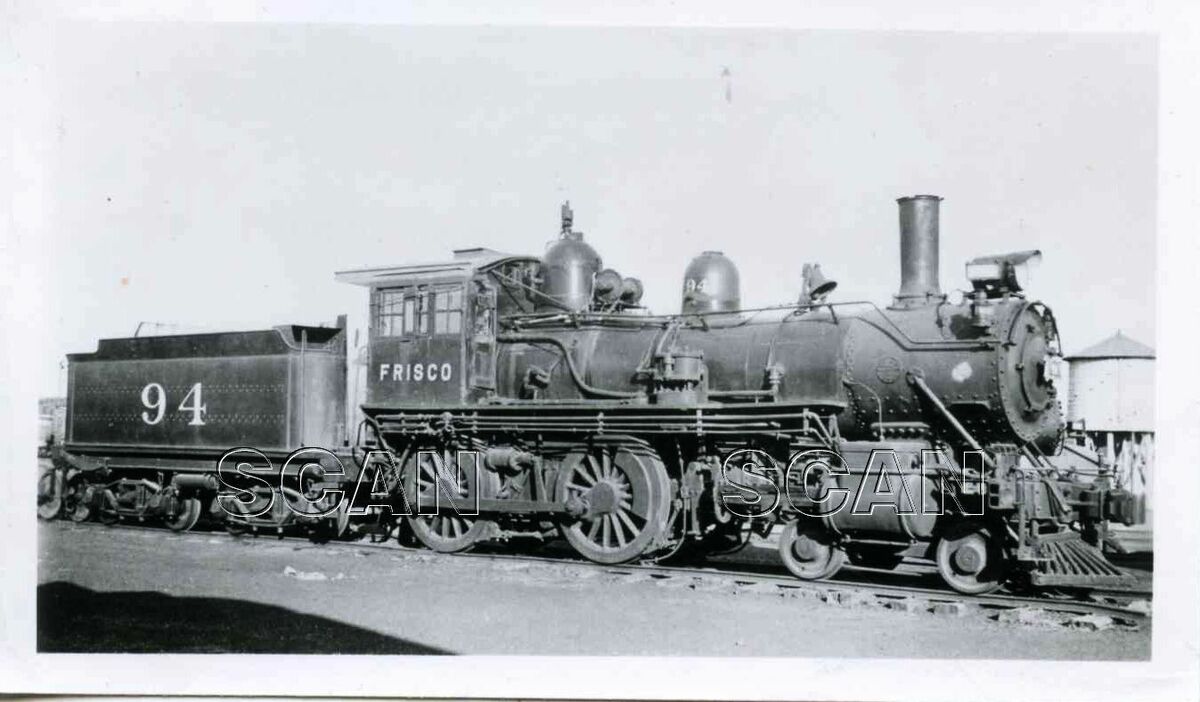
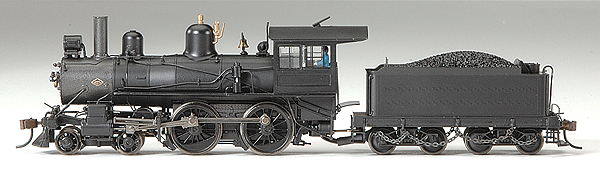
You can tell the more modern 4-4-0’s from the older ones by the location of the rear driver axle and the location of the brake cylinder. On the older engines the axle is as far back to the rear under the cab as it can get, and the brake cylinder is modeled between the drivers. The more modern engines like the Bachmann engine have the brake cylinder mounted horizontally and under the cab which shifts the rear driver axle somewhat more forward than on the older ones.
Older engine:
Newer engine:
4 Likes
My all-time favorite 4-4-0
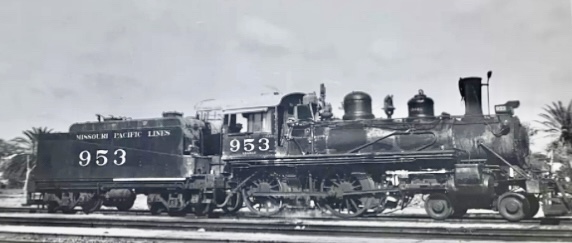
I’m afraid it would have to be scratchbuilt, it bears no resemblance to anything commercially available. It made it to 1948 and was freshly shopped for another five years of service on a branch with a very light capacity bridge. The very morning it came out of the shop was involved in a cornfield meet and was totally destroyed.

2 Likes
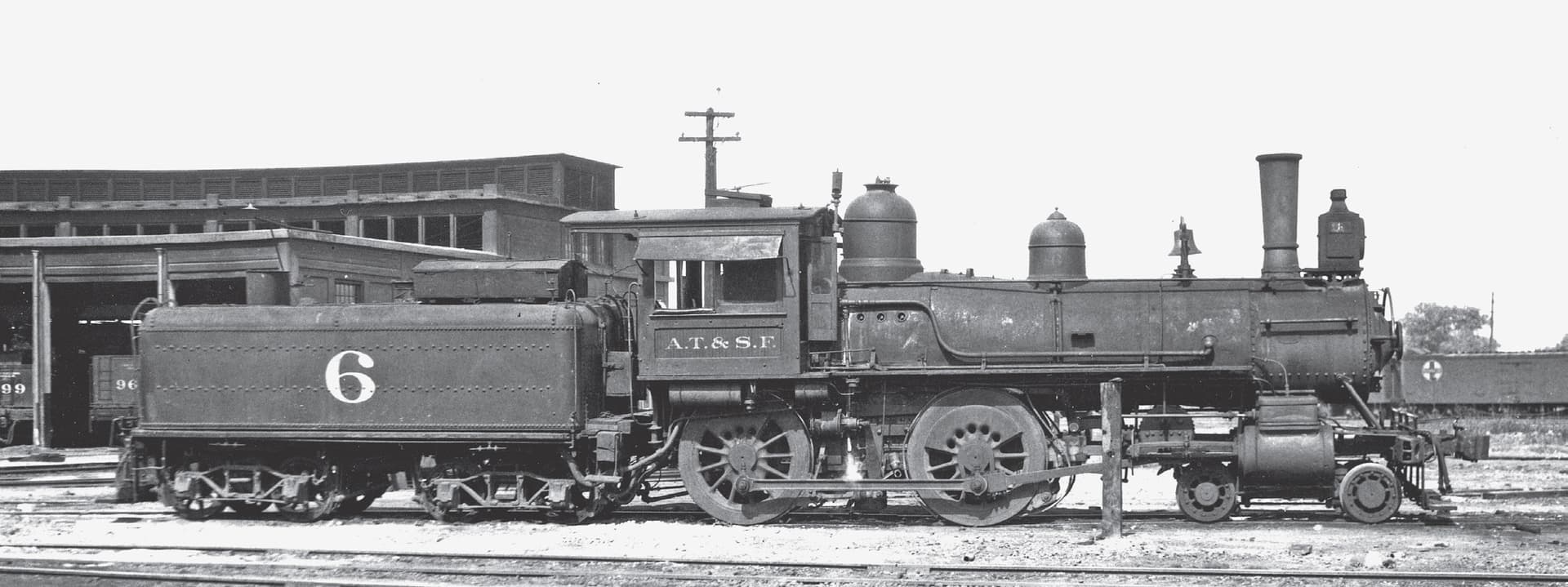
Classic rebuild of an early engine. Many received new larger boilers, electric headlights, etc right after 1900. Although the Santa Fe one still has the oil headlight. This is an exceptionally good looking engine.
I just saw that you planned on using a Bachman sound value 4-4-0. That is actually the earlier 4-4-0 and would make a great conversion to the engine that you want to have. I have actually thought about doing such a project for quite some time. By the 1920’s these old pots were down on the bottom of the pile doing grunt work in yards and branch lines, but they were incredibly beautiful to me.
Sugar mill switcher 7 miles from my old home:
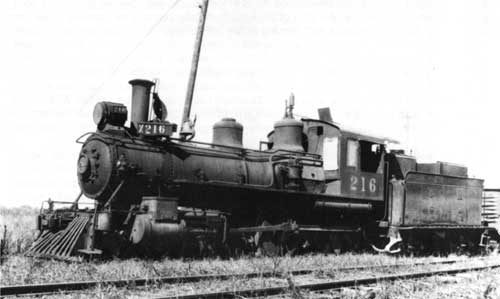
Similar engine still in service:
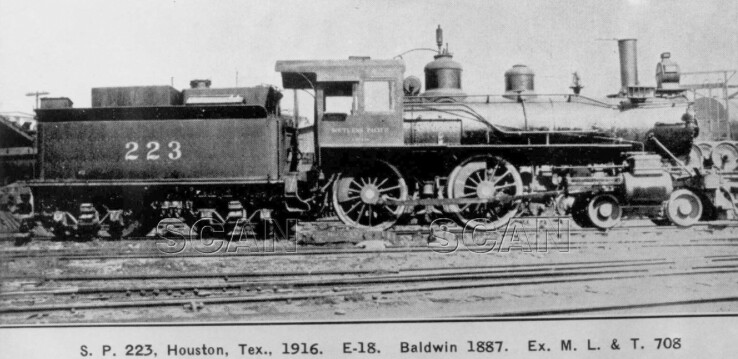
Louisiana Southern number five:
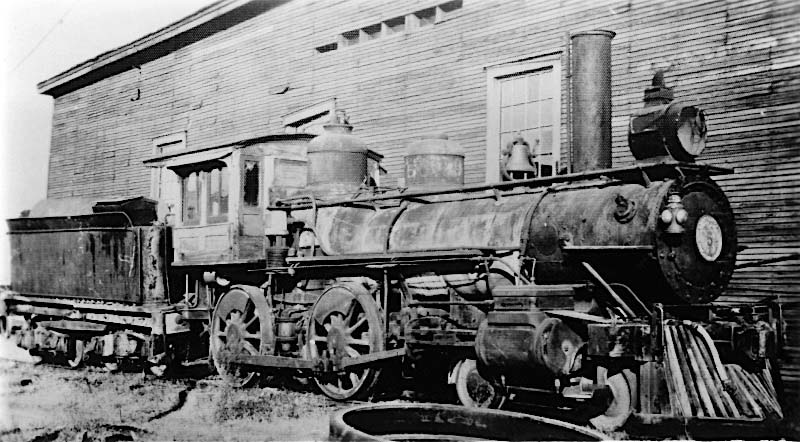
At some point, I decided already had enough Bachmann 4-4-0’s (11) that I decided that I did not need to do the conversion of a 1860s Bachmann 4-4-0 to a 1900 rebuild. But I had already begun to collect the parts I needed, mostly a Bachmann Richmond 4-4-0 boiler from the on-line parts store to harvest the cab, the turbogenerator, bell, whistle, headlight, and stack. I already had the footboard pilot from a Bachmann Frisco decapod.
Athearn is actually releasing an HO Frisco 94, alongside some other older 4-4-0s pretty soon!
I think the 4-4-0s that intrigue me the most are, funnily enough, also Frisco locomotives. The Frisco rebuilt six of their 4-4-0s (182-187) in the late 20s/early 30s that replaced their notoriously shoddy Doodlebugs. They remained in service until the end of steam on the railroad.
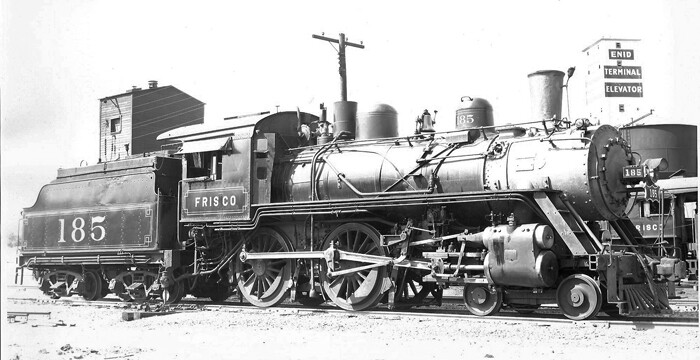
3 Likes
I have bad news for you . Athearn canceled the entire new run of the 4-4-0 including the two Frisco road numbers. I know, I had both road numbers ordered.
1 Like
Hold on, now: there was an old quiz question on where steam replaced electrics or diesels (the big example being the N&W electrification in the early '50s) and this surely qualifies as an example.
in my experience the bachmann americans run pretty well. Also if you’re rebuilding the boiler to be less tapered, so as to match your prototype photo, you have space to add in more weight which would help as well.
I will be. My secret for hefting up the weight of these little guys is using tungsten.
1 Like
There were multiple examples of steam engines being pressed into service to go through high water after a line was dieselized. The one example that comes to mind right at the moment is the Texas and Pacific just north of Alexandria, Louisiana. In the late 1950s eight or nine years after that Line had dieselized, the TP bought a Burlington 2-8-2 to take the trains through the high water sections of the line. That engine was repainted as Texas and Pacific 400 and still exists in a park, I believe in Marshal Texas if I’m not mistaken.
That’s for emergencies. I’m talking about permanent.
That also doesn’t count steam being preserved for routes with bridges or other limits precluding practical diesel-electric power, like the other 4-4-0 you mentioned a bit earlier, or the two New York Central 4-6-0s that were among the last steam that railroad operated.
What are some examples your criteria?
The only other one I remember was a tunnel electrification that I recall being in the Niagara Falls area – the details were in the quiz thread. The criterion was service that had been operated as electric (or internal-combustion engine of some type) but that was regularly returned to steam. I think I made the argument that unsuccessful adoption – for example McKeen cars, or Michelines, or the Silver Slipper motor train – did not count here: the switch to steam had to be voluntary.