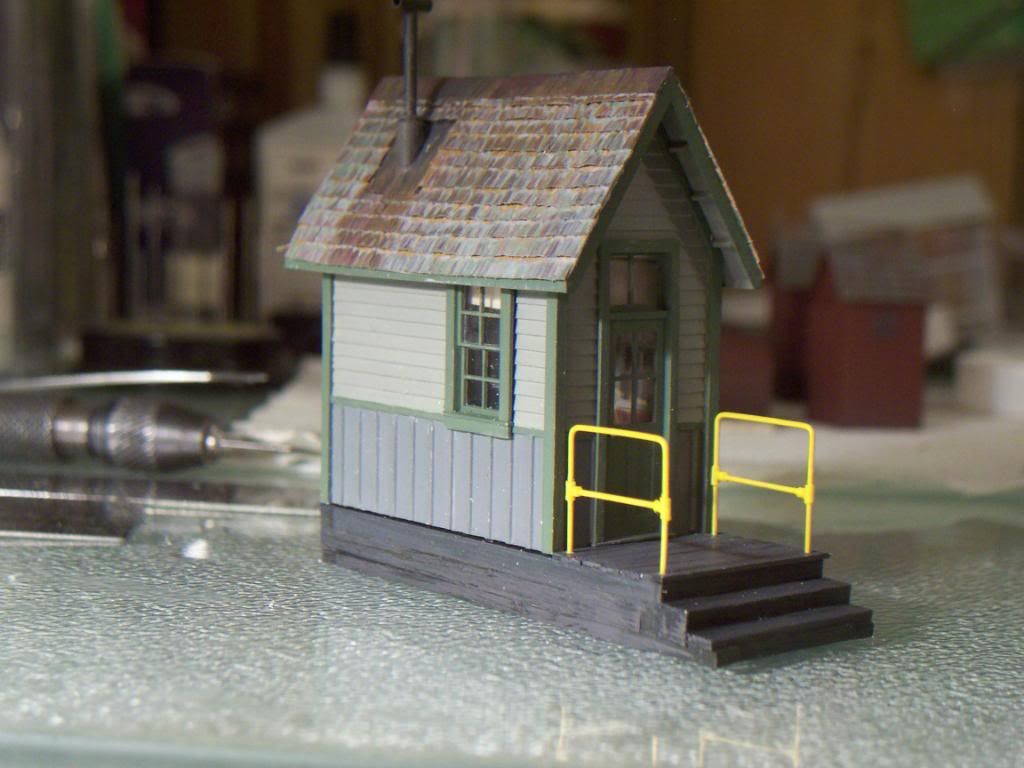
With film cameras, a person needed a close-up lens to do good Model Railroad photography. Our current camera, and HP digital has a telephoto lense; but, unless I am missunderstanding how it’s used, it doesn’t appear to be able to take “in Focus” photos any closer than about 3 feet.
Looking through the camera isle at Walmart (where there is no real customer help) I don’t see optical capabilities discussed on the information on the cameras they sell.
Can you tell me what it is that I want to see in the information given on the cameras, that means “Will take close-ups”?
Most digital cameras have a little switch somewhere at the lens - look for a little flower symbol there. The flower symbol is an indicator, that the lens can be set into a close-up setting.
The more zoomed in you are, the farther you’ll need to be from the subject in order to focus. By zooming out to the wide angle end of the lens, you’ll be able to get closer, but you’ll probably be introducing barrel distortion. It’s a tradeoff. You just need to decide what looks best.
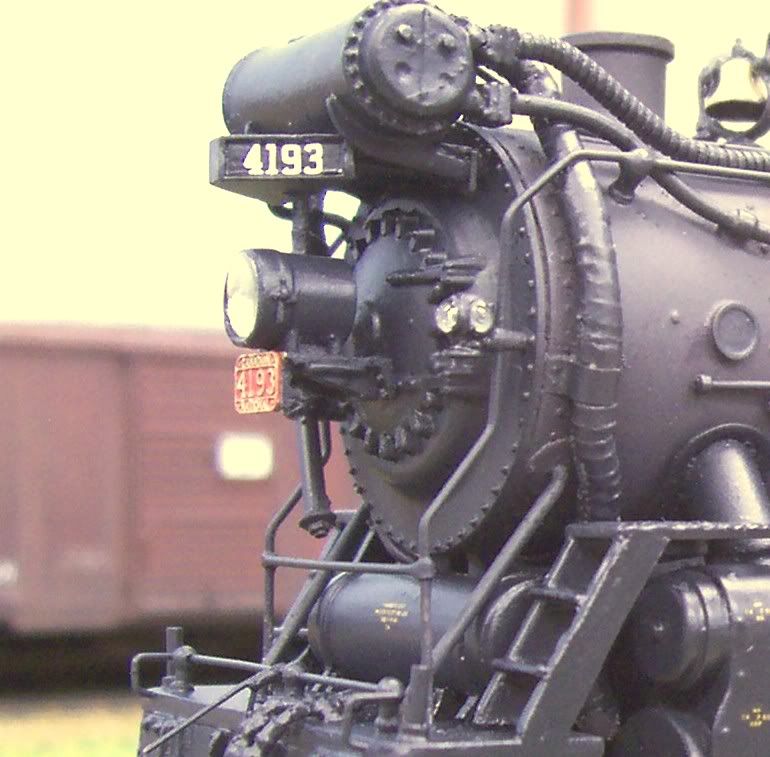
If the front of your lens has threads for accepting filters, you can use a closeup lens like the Nikon 4T. You need to be sure you get the right diameter to fit your lens. The pic below shows the difference between the camera’s macro mode, and the closeup lens. Both pics are uncropped.
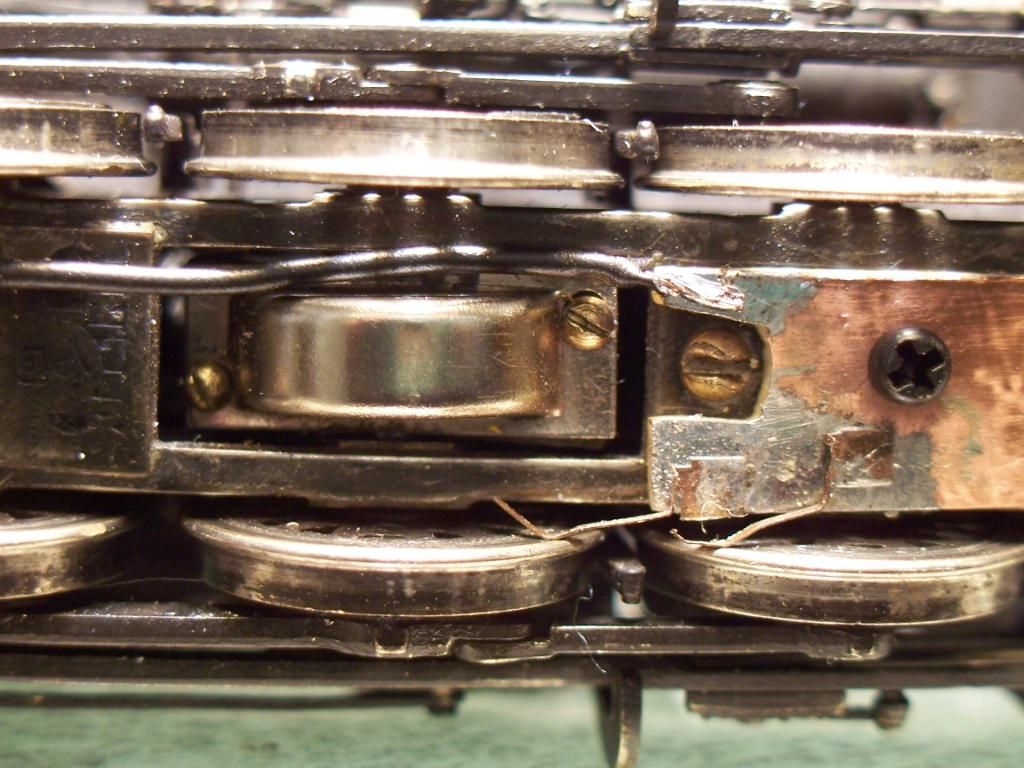
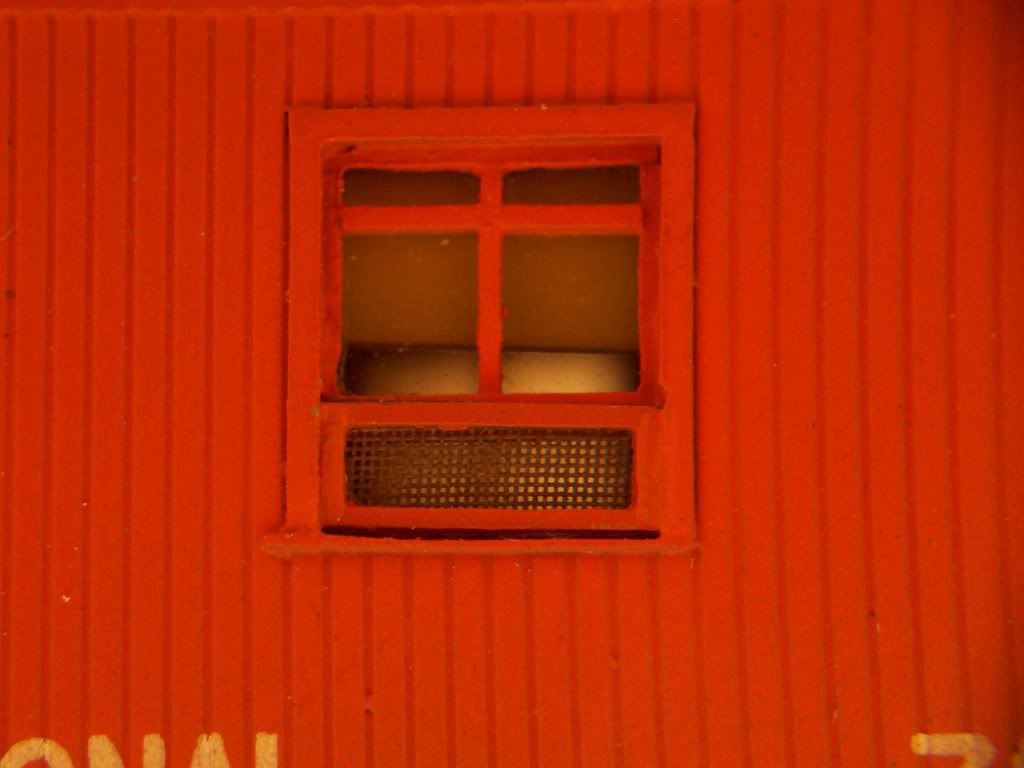
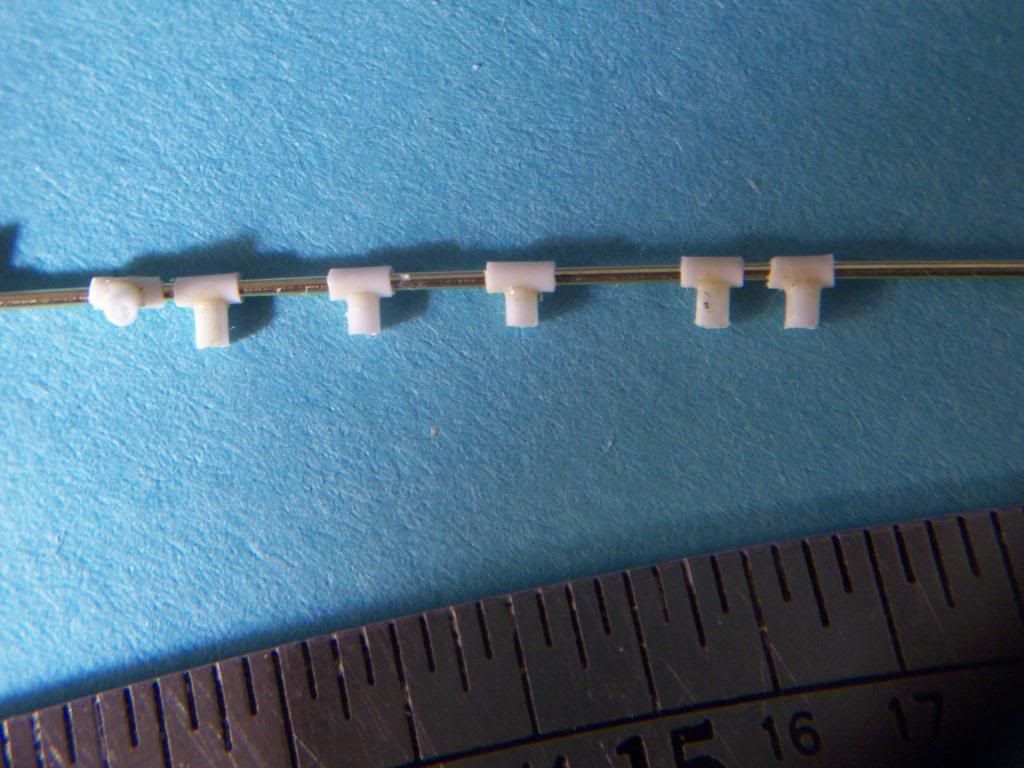
If it is a point-and-shoot camera with a zoom lens, with the lens racked all the way in, and in ‘macro’ setting, you should be able to get very close, perhaps within three inches. I have a Fuji HS20 EXR with 30 times magnification, but I can get to within three inches with macro, and within an inch in ‘super macro’ mode.
I took this image using a stacking technique, but the first three images in the stack had to be in macro mode with the camera I was using, a Canon Powershot a710 is with 6 times optical zoom.
Yep, look for what a camera says about its Macro mode. My older Canon needed a separate lens to do good macro shots. However, my current Canon SX100 IS has a very effective macro mode that does just fine with no supplementary close up lens. Not sure there’s one available for it or not, like for the other, because I’ve had no need for anything beyond what’s built into the camera now. I suspect that many other cameras do the same now, so most likely if you make a good choice, a separate close up lens will not be needed.
Some cameras get the best magnification at the wide end of the zoom. Others do it at the telephoto end of the range. All of the digital cameras that I have owned do best magnification at the telephoto end. Yes, you need to be further back, but the magnification of the lens more than makes up for it.
In many ways, a compact point and shoot is better for model railroad photography than an SLR. It’s smaller, has a bigger depth of field because of the smaller sensor, and is more convenient.
If you intend on replacing your camera and don’t want to get into photography in general, I’d recommend a point and shoot, but not an overly basic model. I like the Canons and Sonys, but my father in law loves his Nikon.
Look for these:
Minimum focus distance - the smaller the better.
Maximum magnification - the greater the better.
Manual exposure controls; at least an Aperture and Shutter priority mode.
Manual ISO setting available.
The least important attribute is the megapixel count. You actually want as low a number as possible, especially in a point-and -shoot. Check out dpreview.com. They have a place where you can search their database of cameras.
The old film camera days are gone and, now, even really low priced digital cameras have a macro mode. Some can successfully focus so close to the lens that lighting the subject becomes an issue! (Camera gets in its own way cutting out light). As noted above, macro mode is often indicated and selected by a little flower icon near a button and on the view screen.
By fiddleing with some of the better cameras ASA and imaging mode settings, you can get some decent depth of field images, too.
Make sure any camera you purchase offers a real time view screen of a size whereby you can check both your focus and depth of field prior to shooting the shot.
How useful actually is the ability to get within an inch or so of a model? Only if you are illustrating or want to point out really small details in the model.
As has been pointed out, almost all current digital point and shoot cameras can be used to take model scenes. And most of the time you do not need the macro mode. As long as it will focus to six inches or so, take photos at the widest angle and with the smallest lens opening. Most cameras’ smallest lens opening is f/8, which is great for shots of locos or rolling stock, structures, etc. The more you zoom out, the less depth of field you will get.
Lots of info in my website, below in my signature.