I’m wildly in favor of anything that cuts down the cost of this hobby, so I’m always looking for things to do to improve my ability to add to a layout. Here’s how I created cheap - as in free! - clapboard as a building material.
You need wood scraps, a table saw (or a friend who has one) and 15 minutes. My table saw had my junky combination blade already in place, so I figured I’d try my idea with that. It worked fine. I’d recently cleaned the blade, so it is sharp and clean, which I recommend.
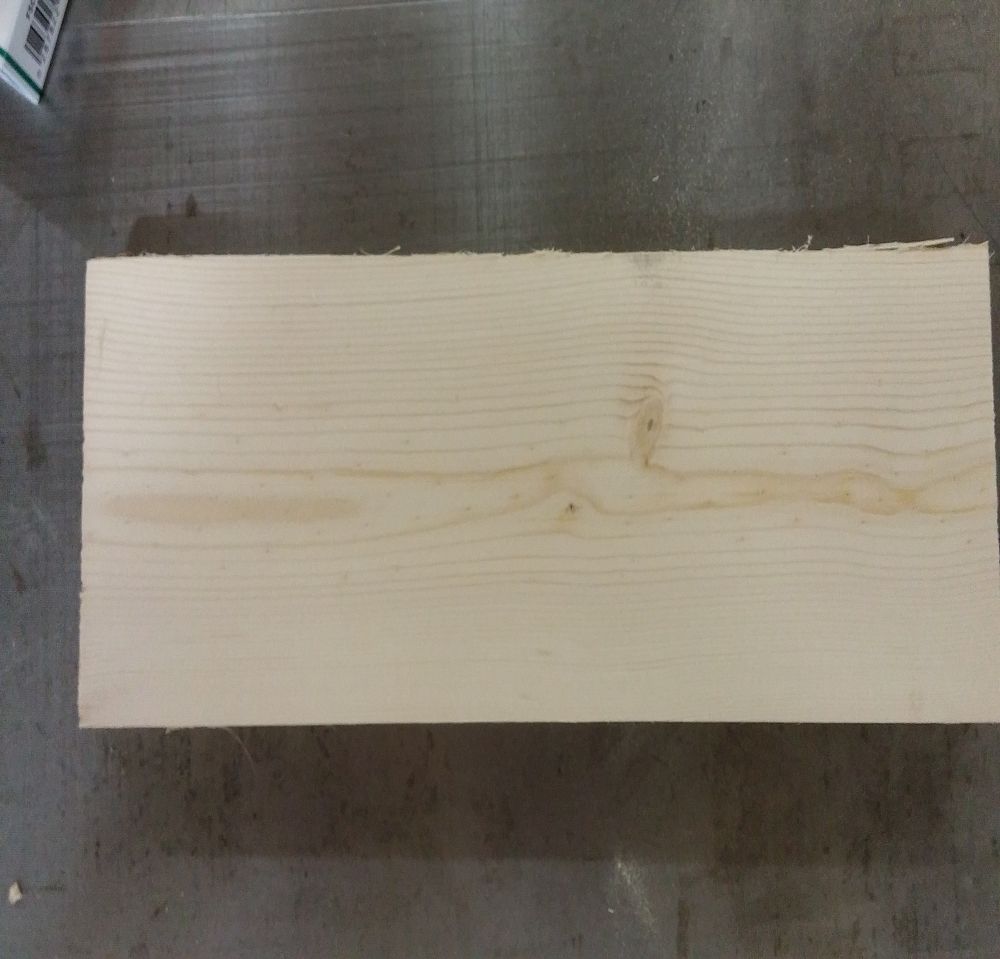
I started with a scrap of 1" x 4" pine about 9’ long.
I set the table saw blade to an 8 degree tilt. (I have a left-tilt saw, so this means my fence is to the right of the blade and for this project I’m cutting the wood on the left side of the fence.) I raised the blade just high enough to cut into the wood. Since I was using a 3/4" board I didn’t want to cut deep into it. If you use this method and a dado blade (as discussed below) to make larger scale clapboard, you want to consider the board thickness, using a thick enough board so you do not risk cutting through it in the process. As in all instances of using a power tool, safety should be the first concern. Having said that, since I was not cutting all the way through the board I didn’t install the blade guard and splitter, taking care to keep my hands away from the blade at all times.
I set the fence so the first pass through the blade would leave a small ‘shoulder’ of uncut wood for the piece to ride on as I made multiple passes. Then I made the first pass through the blade.
I moved the fence 1/16" to the right, and made the second pass. I continued moving the fence in 1/16" increments, making a pass through the blade until I had cut through a r
Pretty nifty idea, I’ll have to give that a try. It looks like the technique hides the natural grain of the wood pretty well too, a real plus. I have a couple large buildings to make for my layout. This could work well for one of them. If it wasn’t a little til 3:00 AM, I’d go out in the shop right now, but I know where that would land me in the popularity polls! Dan
PS, I have a friend who’s table saw is so precise, he can cut woods near paper thin, repeatedly. I think his saw could get a cleaner result. But your example does nicely replicate an older building with years of exposure to the elements. Thanks for sharing!
I think your clapboard looks great! As you suggest, it is perfect for older distressed buildings.
Large woodworking tools can be used to create some great stuff for modelling.
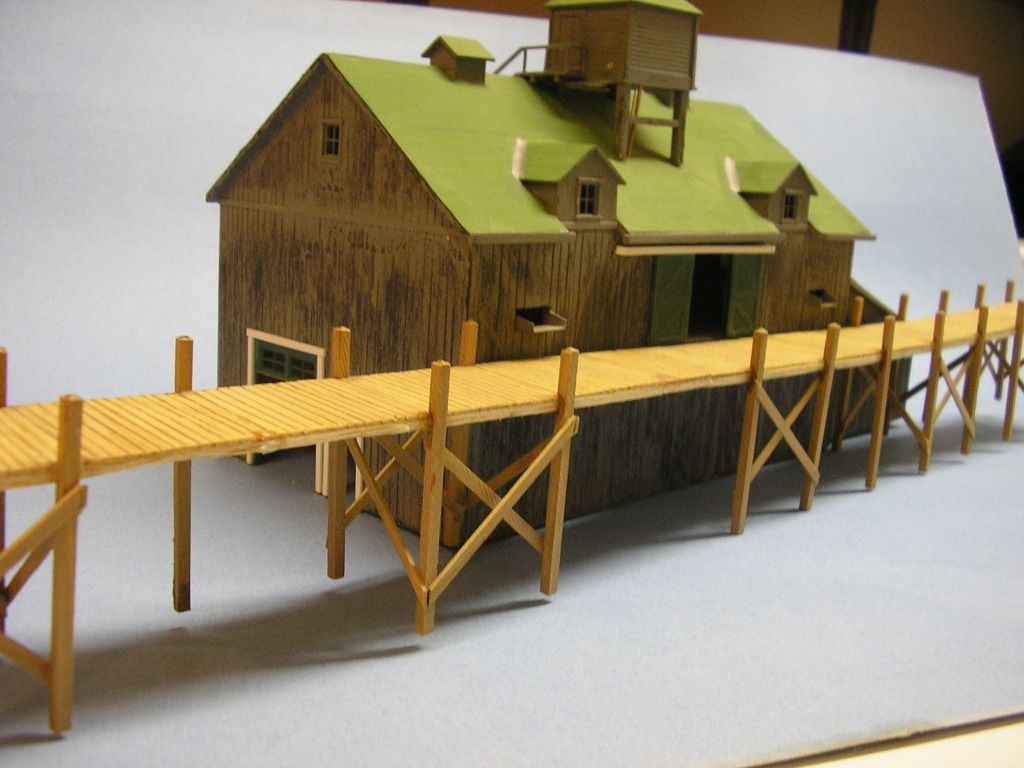
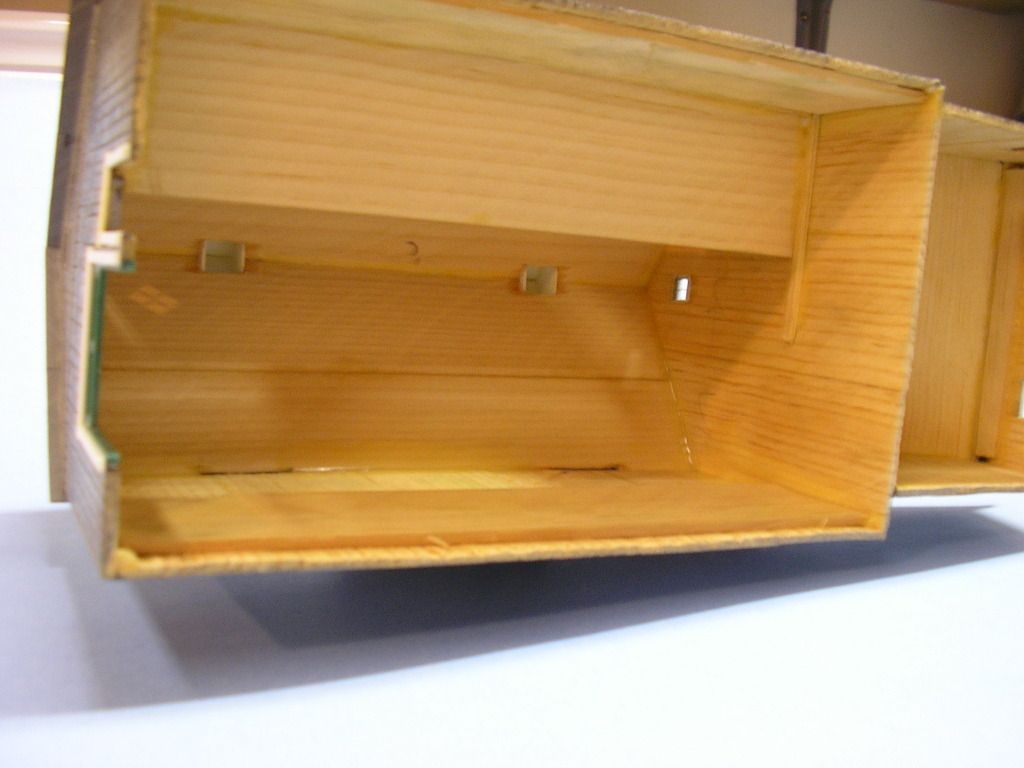
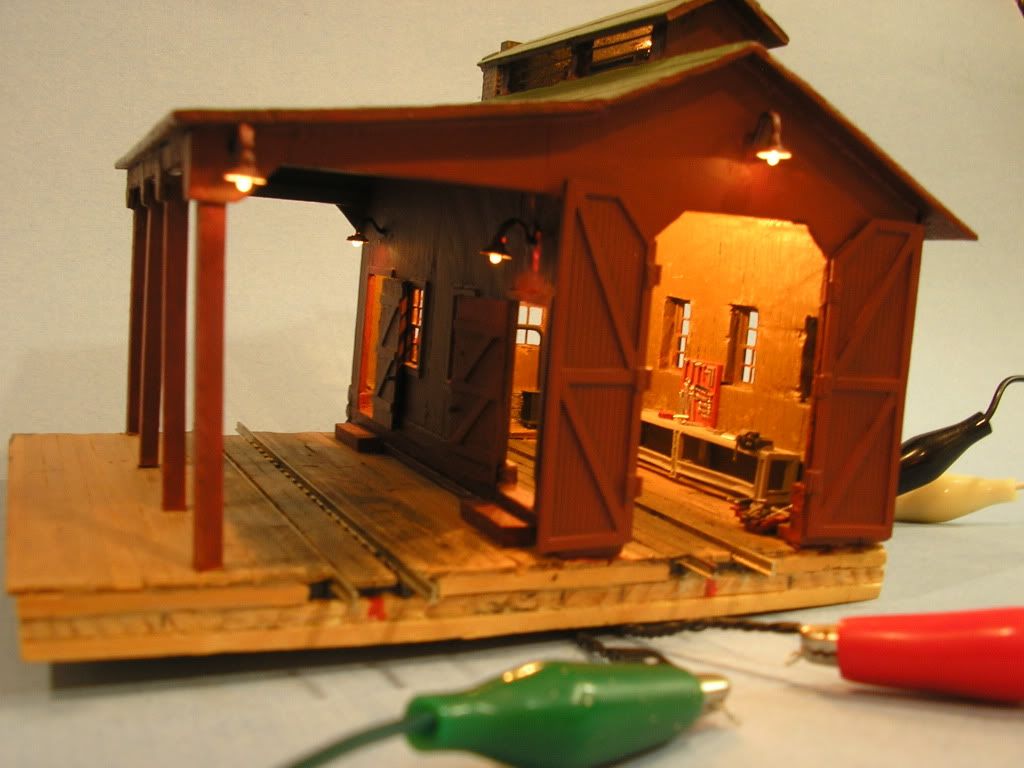
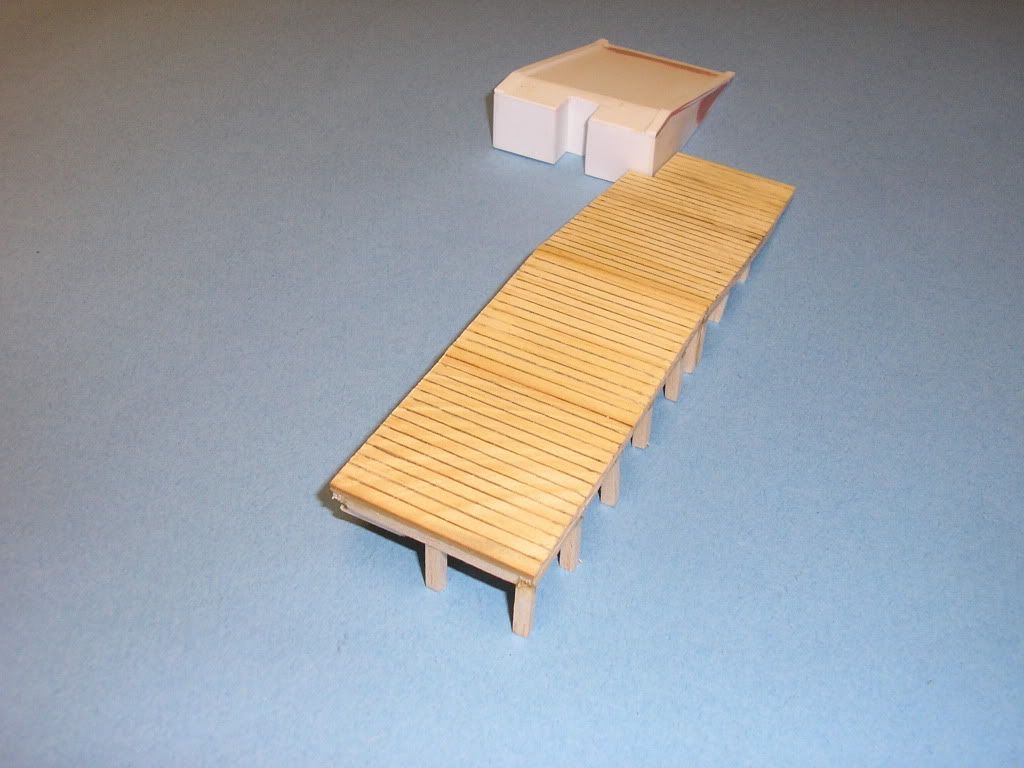
I have used my radial arm saw to cut slabs of pine roughly 1/8" thick for a couple of structures. In my case I wanted to create the appearance of aged barn board and plain planking. I used the saw marks to add to the aged appearance on the walls. This is the ice house. The platform is made with the same pine slabs:
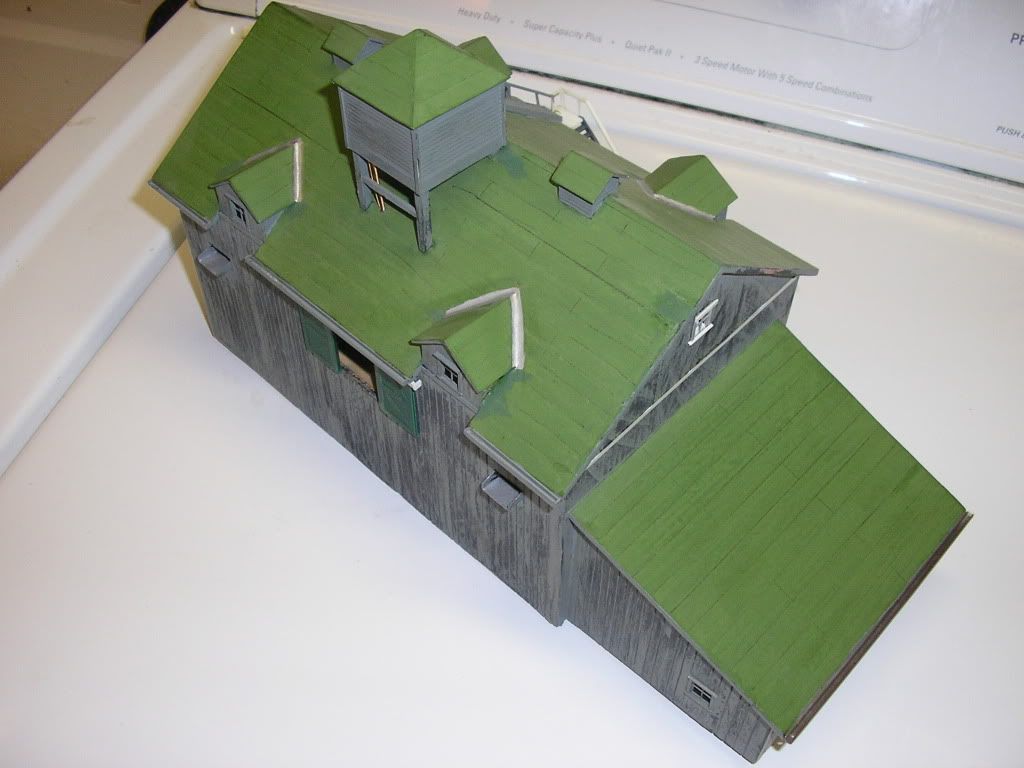
This is my HOn30 engine house made from the same material:
This is a simple loading ramp:
The lines for the board joints are done with a fine tip ball point pen. The saw marks really don’t show up as anything more than a bit of texture in the surface of the wood. At least, that is my impression of the effect.
Southgate, Thanks for the compliment. I hope you try it, and please let us know how it went for you.
An hour ago I went out to the shop to putter around and I ended up grabbing the board I cut in the example I posted. Have to say, the picture doesn’t do justice to the appearance of the board now. I dunno if its because the paint has dried, but it really looks good. I sketched out plans for a horse barn, a yard warehouse, an old rural school, and a few other things just playing with it.
I have a couple of those Grandt Line one-of-everything boxes, of windows and doors. I’m always looking for some project to use as an excuse to dig into those boxes, and I think I just came across the projects that will more than pay for both of them.
I keep thinking about how a young person just starting a career and family - you know, the future of the hobby - would rummage thru a Walthers catalog and mutter how everyone is nuts thinking one could afford to get into this hobby with today’s prices. Thank goodness for a chunk of old scrap wood and an idea.
HOn3critter, you make my day. I have no problem with anyone who prefers to buy ready-to-use products, but for me the fun is in the making. The techniques and projects you posted are next on my “gotta try that” list.
Over the winter I was working on a yard office. I know I’m nuts, but I do interiors in a lot of buildings, including lights since LEDs are so useful and cheap. I kept thinking I need more desks for my office buildings. The cheapest one I found in the catalog was seven bucks. Multiply that times the number that would normally appear in the usual layout buildings and you could buy another sound-equipped engine. I ordered one, and the poured or injection-molded desk that came wasn’t very good.
So I dug out my styrene sheet scraps, my cutter, took dimensions from the one I bought, and in about two hours I made 18 qui
Although there isn’t a dedicated forum for projects like these, the topic does come up from time to time. In fact, Steven Otte started a thread along those lines a few months ago:
Unfortunately the thread went a little off the rails in the last couple of pages but there are some good ideas in there.
There is nothing preventing you from starting another thread about creating things that are inexpensive alternatives to the commercial stuff. I don’t think the topic ever grows old. If I could suggest, to try to limit the thread from becoming yet another rant about the high cost of modeling, put in a suggestion that posts should be limited to showing what people have done.
Dave
P.S.
How about posting pictures of the desks and any other interesting bits you have come up with?
But, at the same time, it does require a fairly expensive piece of equipment: the tablesaw. I can buy a lot of Evergreen sheets for the price of a tablesaw that I don’t own.
You make a very valid point about the price of the equipment needed. I seriously doubt that anyone in their right mind would drop $500 for a table saw just to make clapboard. Even the price of a decent piece of new wood would likely eliminate most of the savings. However, if you’ve got the tools and the wood sitting there, which a lot of us do, why not?
One other small point is that navyman636 has been able to create a clapboard piece with a lot of character. In truth, it’s probably too rough to be prototypical. None the less, a lot of modelers like that sort of slightly exagerated appearance (not everyone does of course - each to his own). Getting that much distress into styrene would be a lot of work.