How do ice and freezing rain affect trains? If the rails are coated in ice I would expect them to be more slippery than normal. Is that true and how does the engineer deal with it?
Additionally, how does the railroad deal with turnouts? With snow they can be shoved out but what happens if they are encased in ice?
While most engines use sand whenever the rails are slippery, ice can be an even bigger issue where trains pickup current from a third (or in the case of the London Underground a third and forth rail). Here on Long Island the LIRR uses special “Sandite” trains (converted old M3 MUs hauled by MP15AC diesels) to help with the ice. I think they may even use methanol on the third rail. There are also LASER devices that help clear the rails of things like leaves. I think Sandite is an alcohol and sand mixture. You can probably Google it.
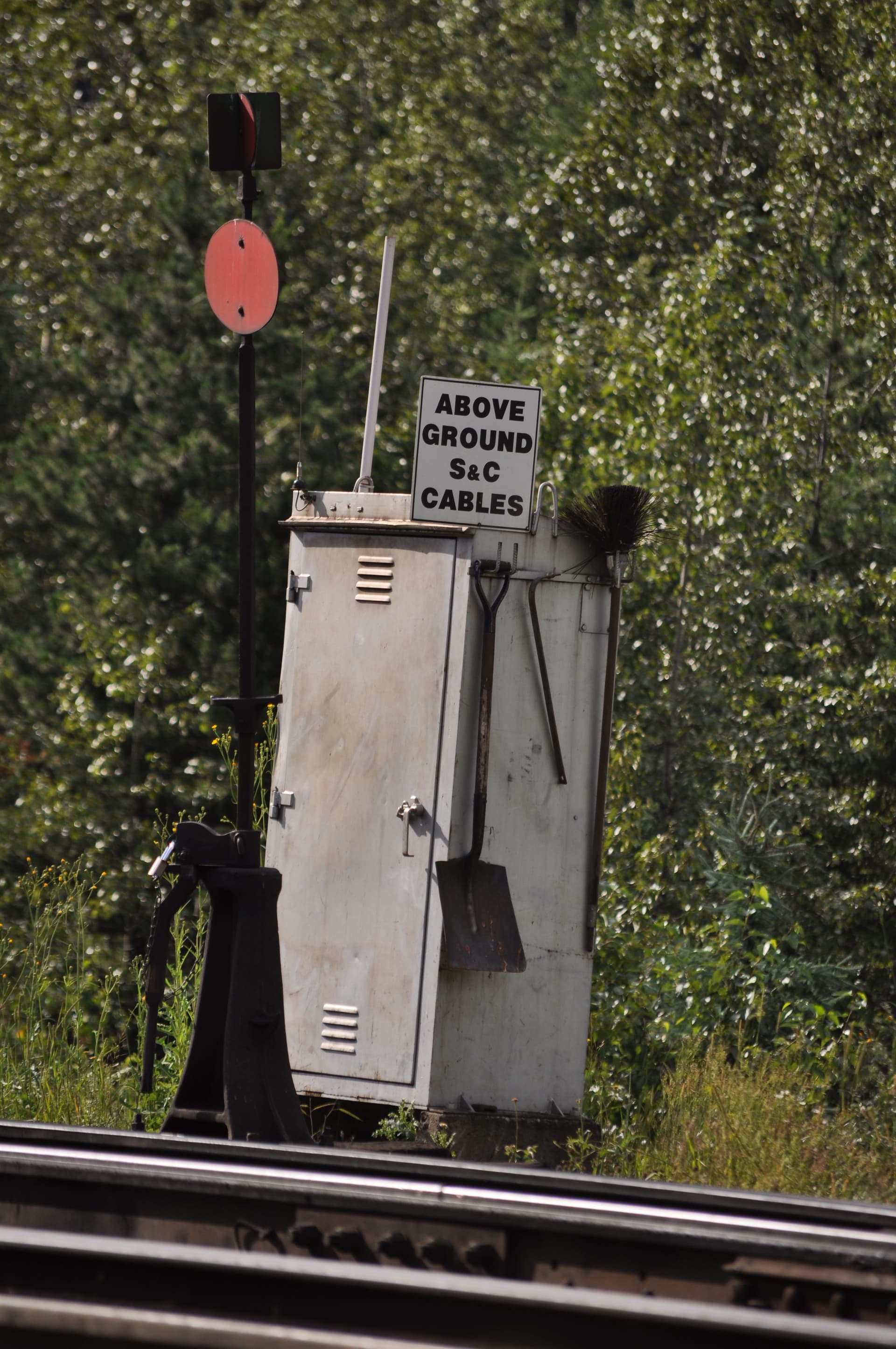
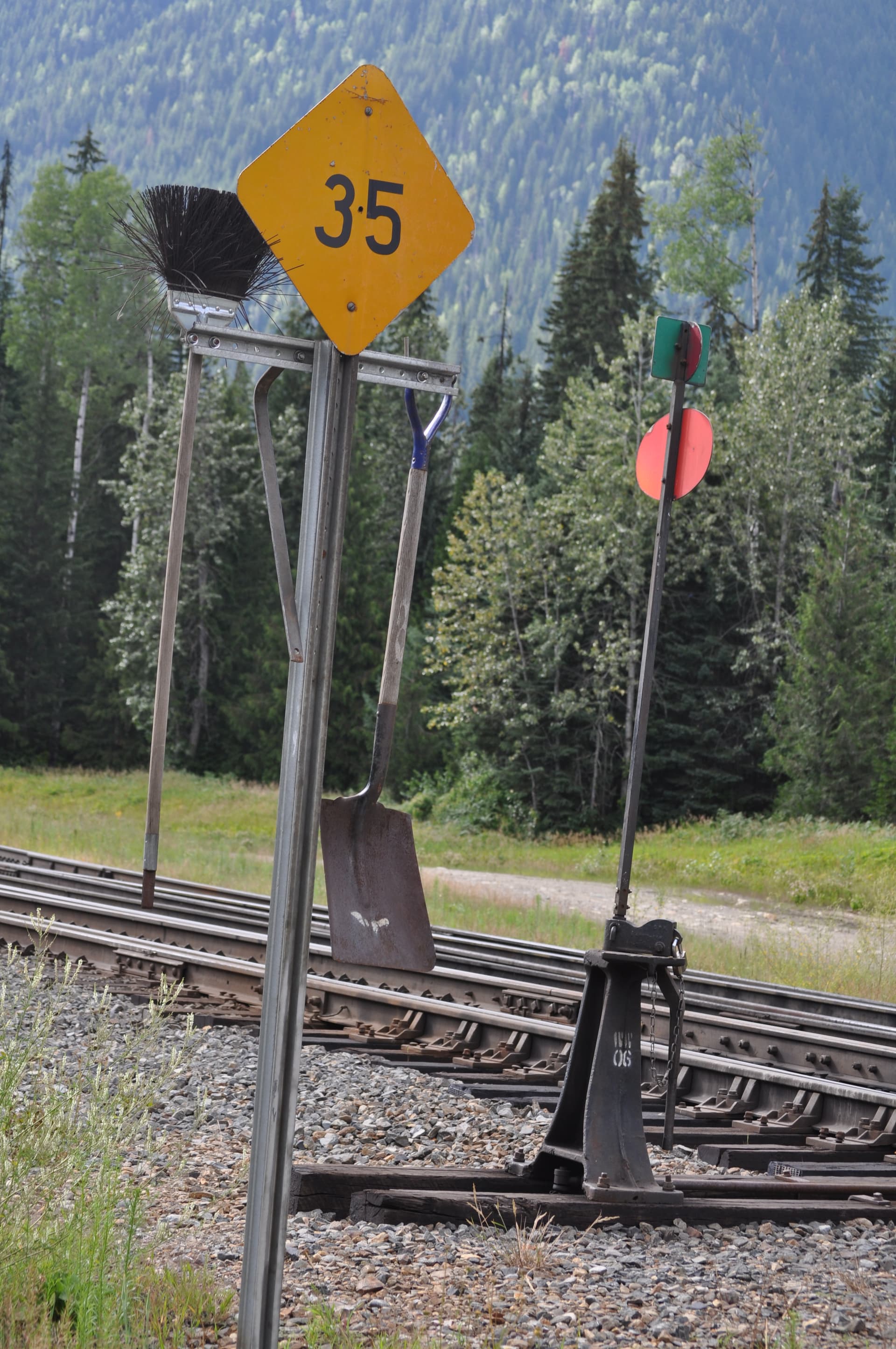
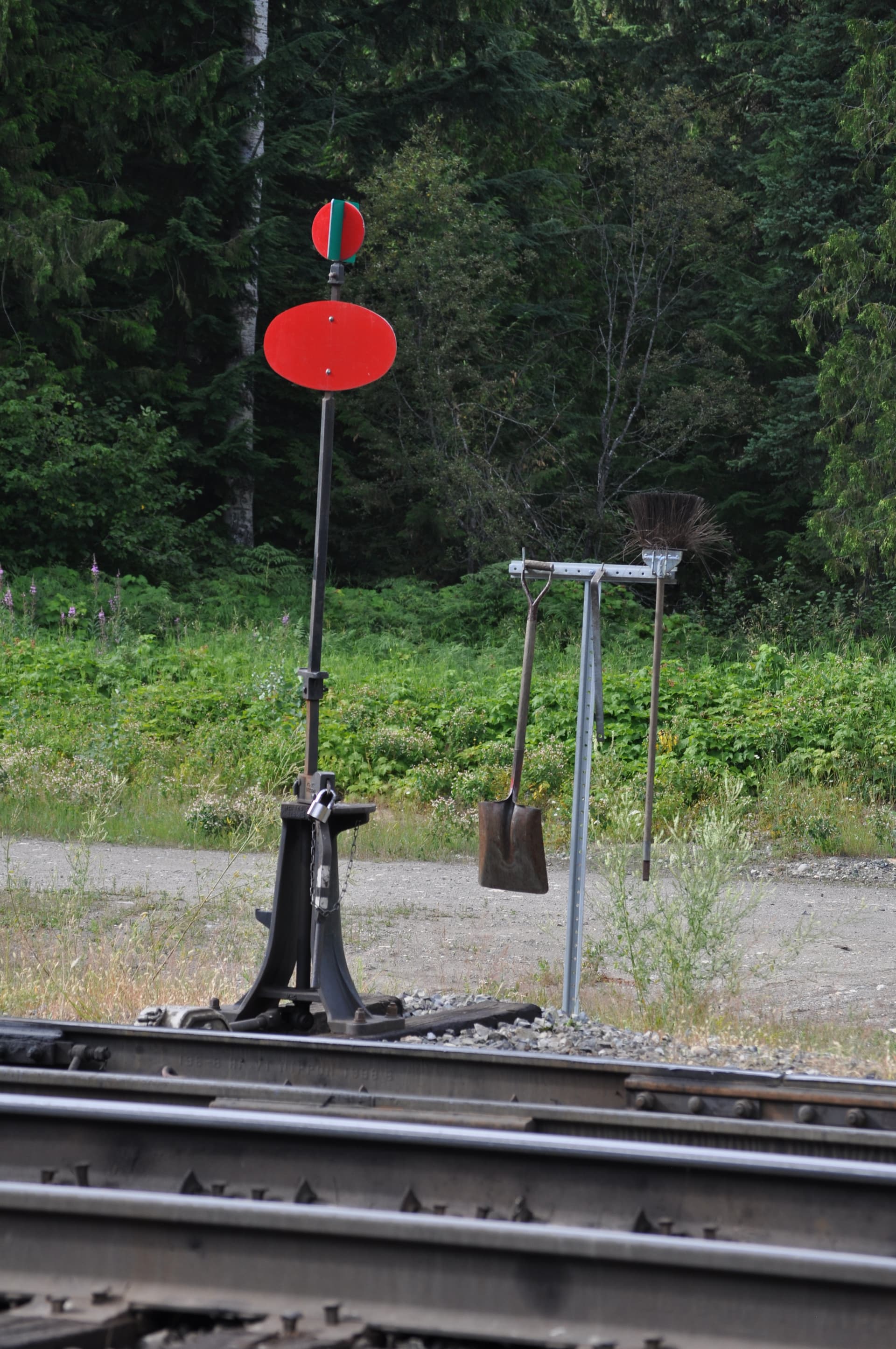
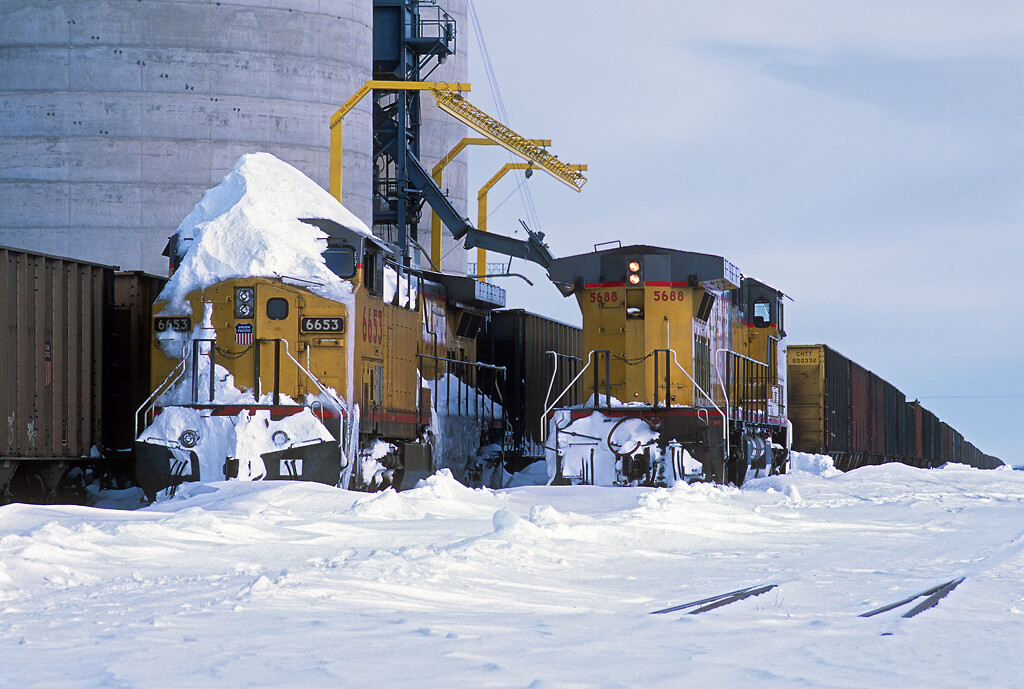
I have done a lot of camping up in the Canadian Rockies and Selkirk’s. One of my favourite things to do is hop on the mountain bike and ride along the Canadian Pacific mainline. At every turnout you will see an array of tools used to clean the snow and dirt away. Shovels, picks, brooms and a few other things. The more important turnouts have big propane tanks to keep things thawed in the winter.
Where these photo’s were taken gets over 50’ of snow each winter.
These are memorable photo’s for me as I was riding along on my bike with the rail line on one side and the Illecillewaet river on the other and I rode right past a Grizzly dipping his toes in the river. I went several kms and had to turn to ride back to the campsite wondering the whole way if Mr. Bear was still sunning himself. He was gone, probably thinking he wanted to get out of there before the scary guy on the bike came back.
If there is enough ice buildup (around a half inch) in a freezing rain/ice storm, it will be pulling down tree limbs, wires and utility poles blocking ROWs and knocking out power and communications.
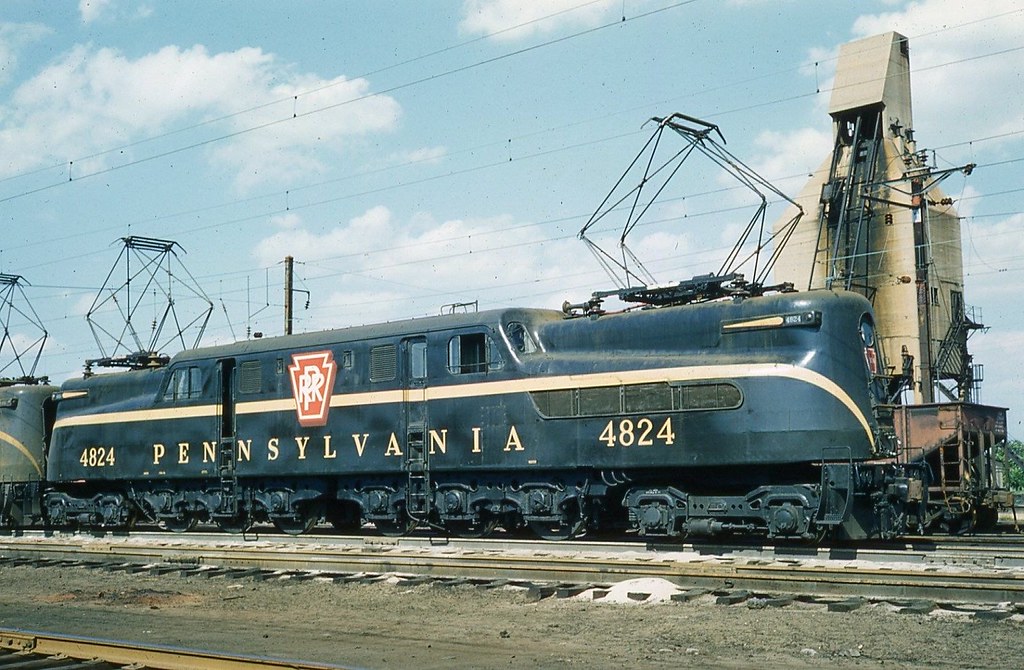
In electrified territory, particularly the D.C. to Boston Corridor, Ice buildup on catenary lines is a problem. Back in the PRR days enginemen were given orders to run with both pantographs up. The front one to knock off the ice and the rear one to collect the 11,000 volts.
As PRR transitioned to lightweight Faiveley and then Stemman pantographs, the upward spring pressure and effective head mass could be increasingly inadequate at icebreaking. When you combined this with the high motor draw of something like a Silverliner consist accelerating with a full passenger load, you could get astounding spark shows!
And then there were Metroliners. There are book chapters on pan issues with Necroliners. I don’t think some of the issues with ice were ever really resolved…
On our commuter trains the engineer can use the snow brake, it’s a switch in the cab that will apply about 10 psi of brake cylinder pressure. That keeps the snow/ice from building up and warms the wheels up.
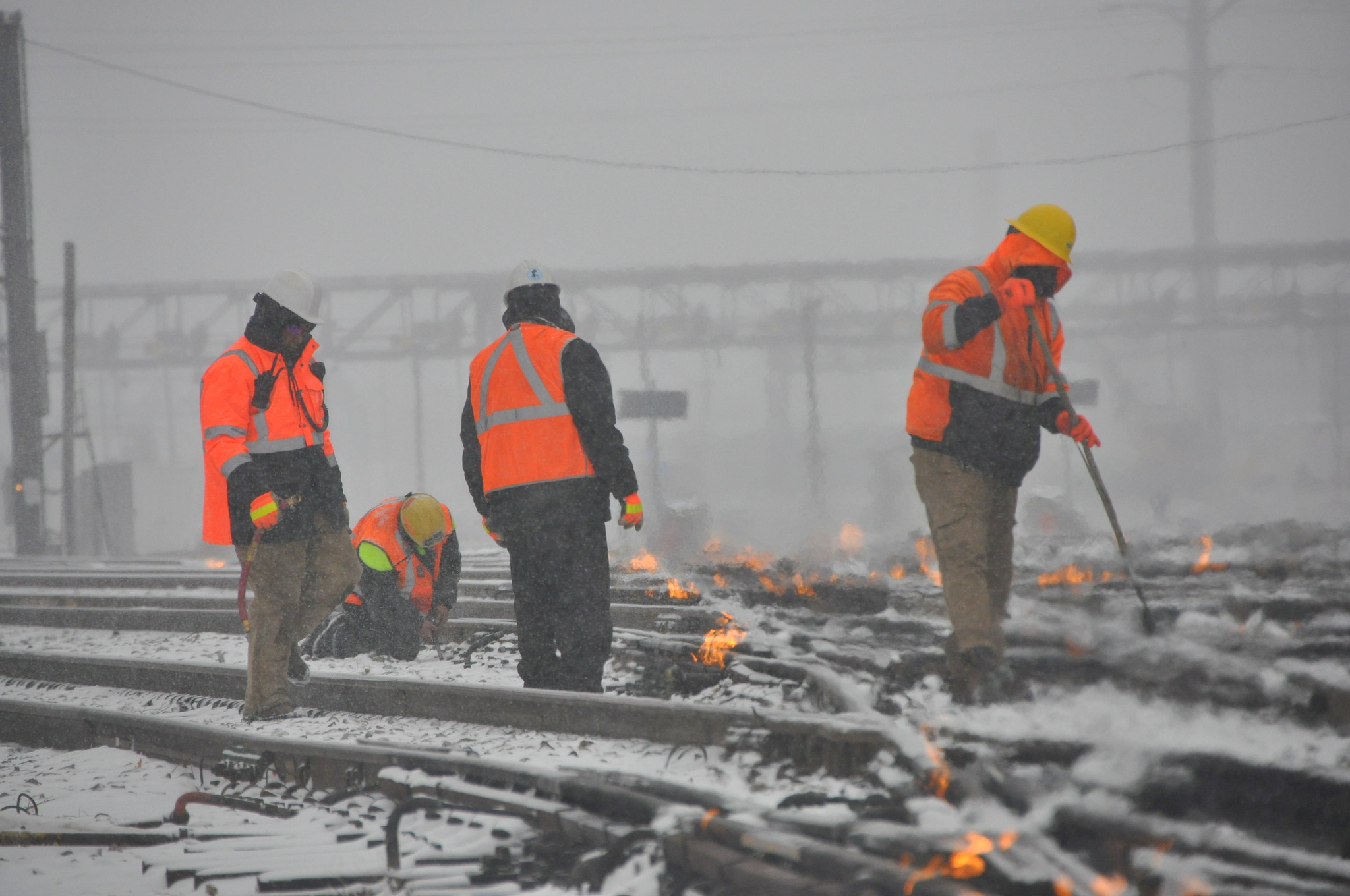
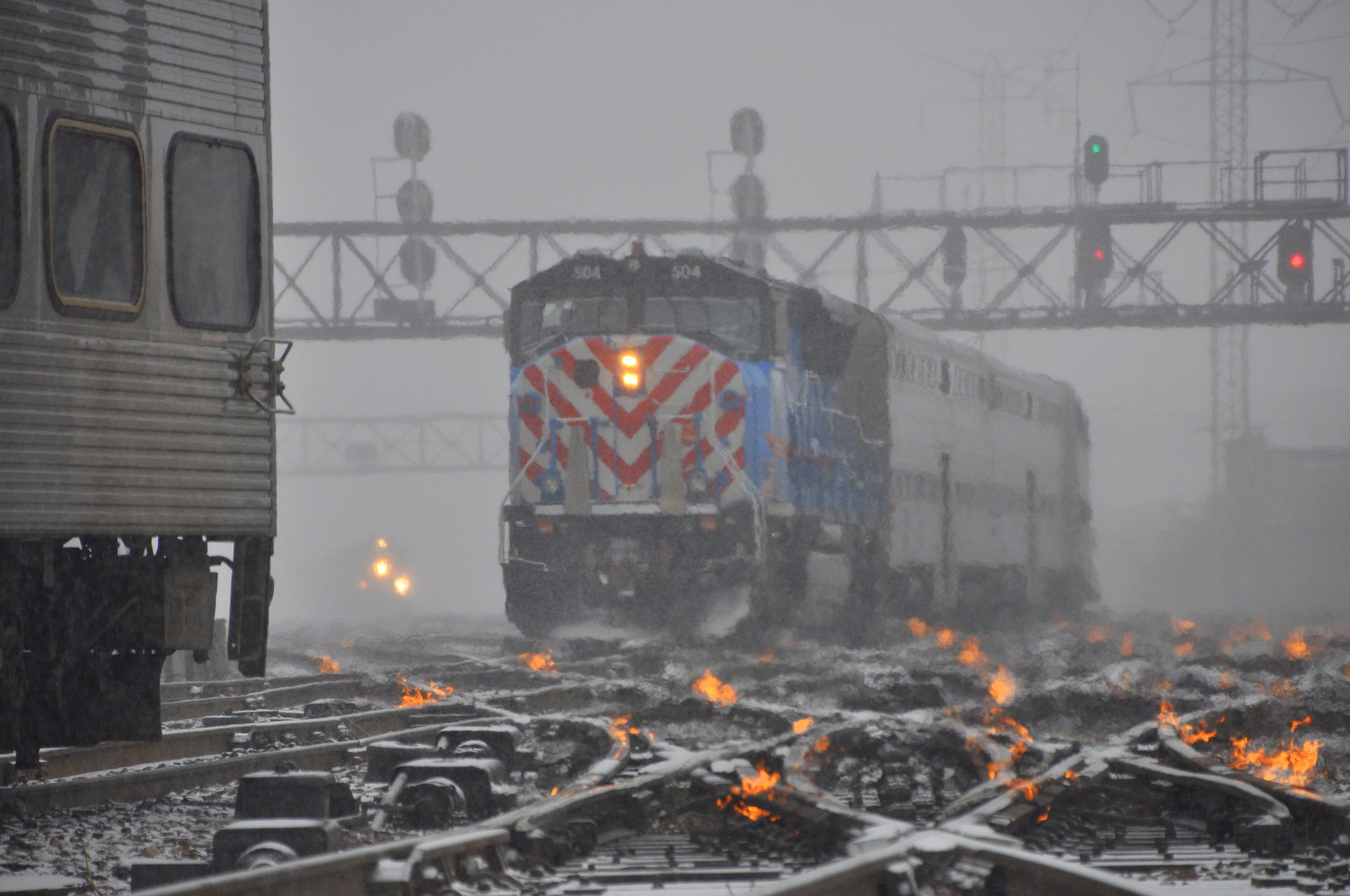
The turnouts on the main lines all have electric switch heaters where i work, some of the old yards have smudge pots placed under the points of the turnouts. The track dept. takes care of filling them with diesel fuel or kerosene and keeping them lit. Everyone pitches in putting the tie fires out from them, lol.
Many times we were called to take a set of light units back to Roanoke. With the exception of accelerating from being stopped or heading up steeper grades, I found that on dry rail the third notch would be about all that was needed to maintain track speed.
The few times that I had to take the light consists back when there was about a quarter of an inch of ice on the rail, I was a bit surprised that to maintain track speed it took the fifth notch.