Well agreed, modeling standards are another factor in any measure of complexity.
And you said yourself, high detail O scale is a fight in a different arena.
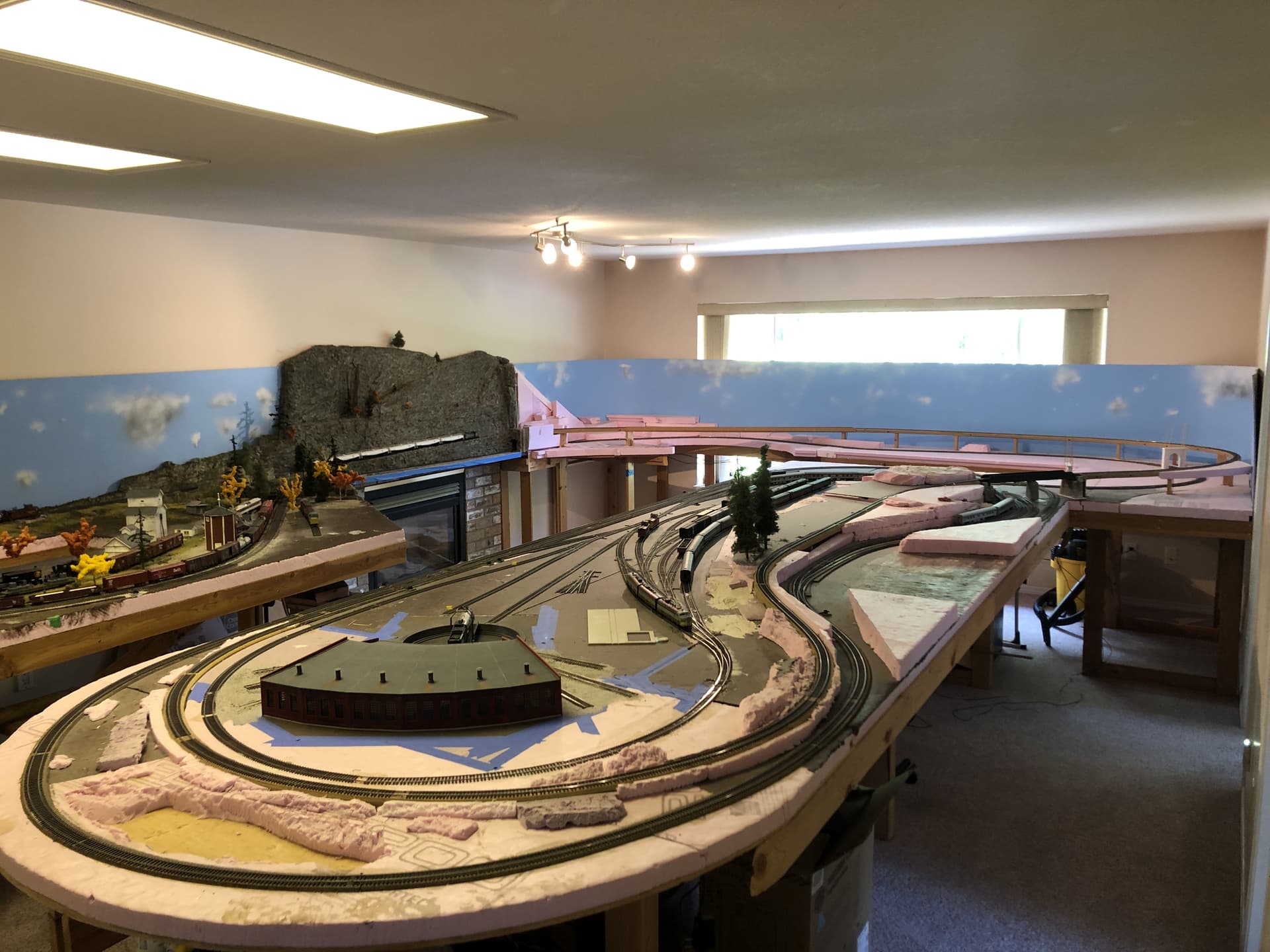
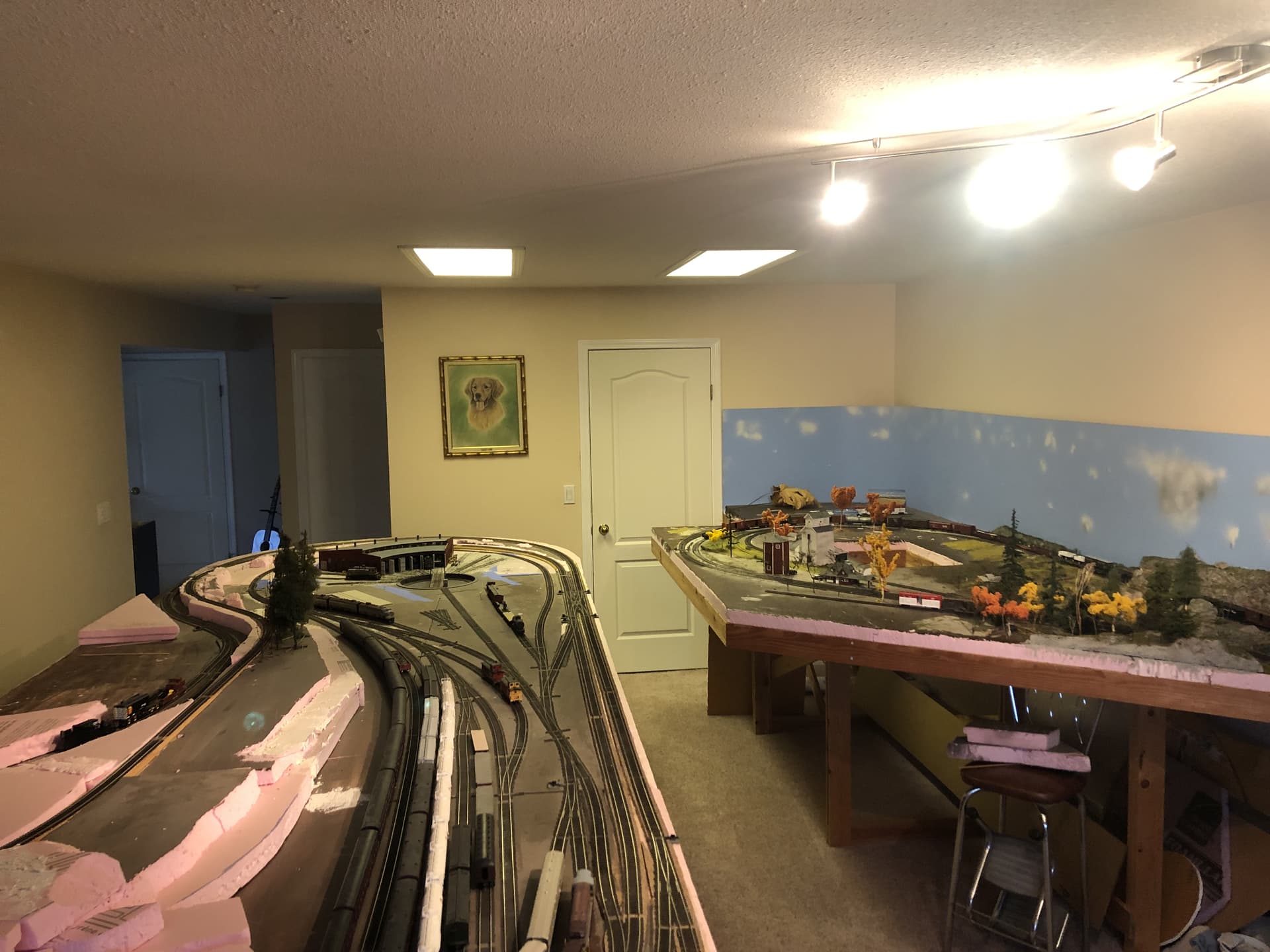
My comments were not to establish some hard set of guidelines, but rather to simply to point out that a 1000 sq ft layout with 200 turnouts is likely a more difficult build than my 1500 sq ft layout with 116, 24 of which exist strictly for operational staging.
I admire people who build layouts like yours, and I am a serious kitbullder/kit basher/scratch builder - been at this hobby pretty steady since 1968. But I am a big picture kind of modeler with what I feel is a pretty balanced interest in all aspects of the hobby - model building, scenic effect, operation and display running.
My layouts have all been designed accordingly.
My own modeling standards require close coupled passenger cars with working/touching diaphragms, large curves for realistic appearance, modeling of “non railroad” scenic features, working signals, crew, single operator and display operational abilities, and historic scenic context to my 1954 period. Another feature important to me is the running of reasonably realistic length Class one trains - 40, 50 or more cars in many cases.
But What I don’t require - not every model needs to be a museum grade accurate model, it is ok if detail levels vary from one piece of rolling stock to another as long as they “look the part”. Track, wheels, turnouts, couplers - reliable operation takes precedence over actual scale size or detail.
So the point is, that to do what I do, even with a list of compromises and low percentage of track to benchwork, a layout of my size is no small task. You are painting eyelashes, I am building my own control and signal circuits.
Modeling standards might be a great topic for a different thread.
Sheldon