There has been a lot of frantic activity recently across half a dozen or more threads regarding Bridges, Bridge Piers, Impressive Bridges, and the like. A little too unfocused for me, I think. And not a lot of thought just how such structures would fit into some as yet undetermined layout. Nevertheless . . .
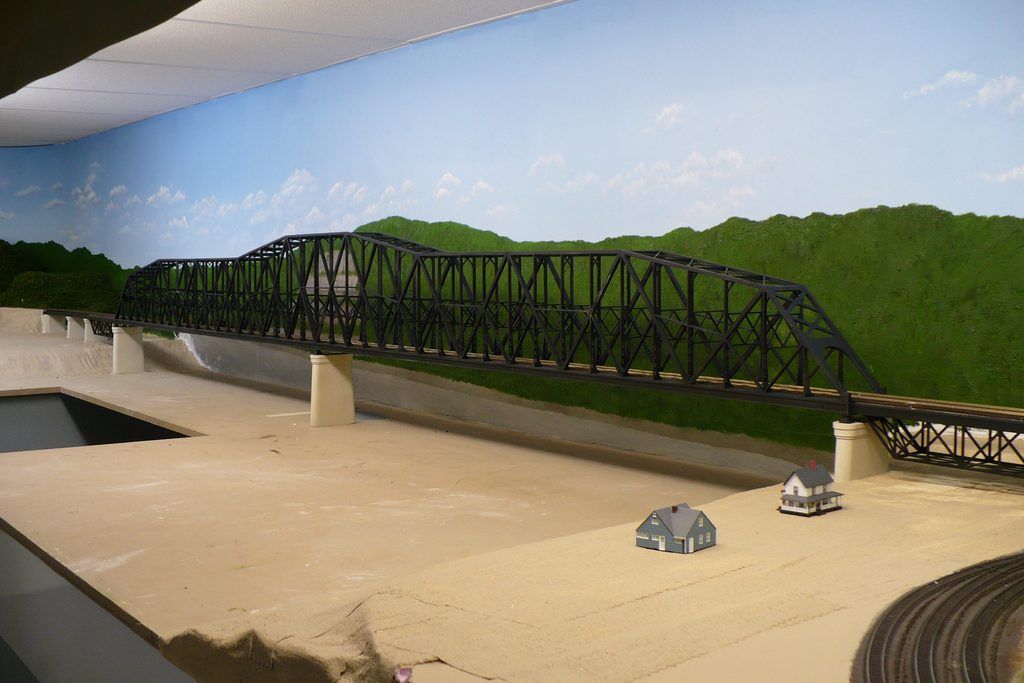
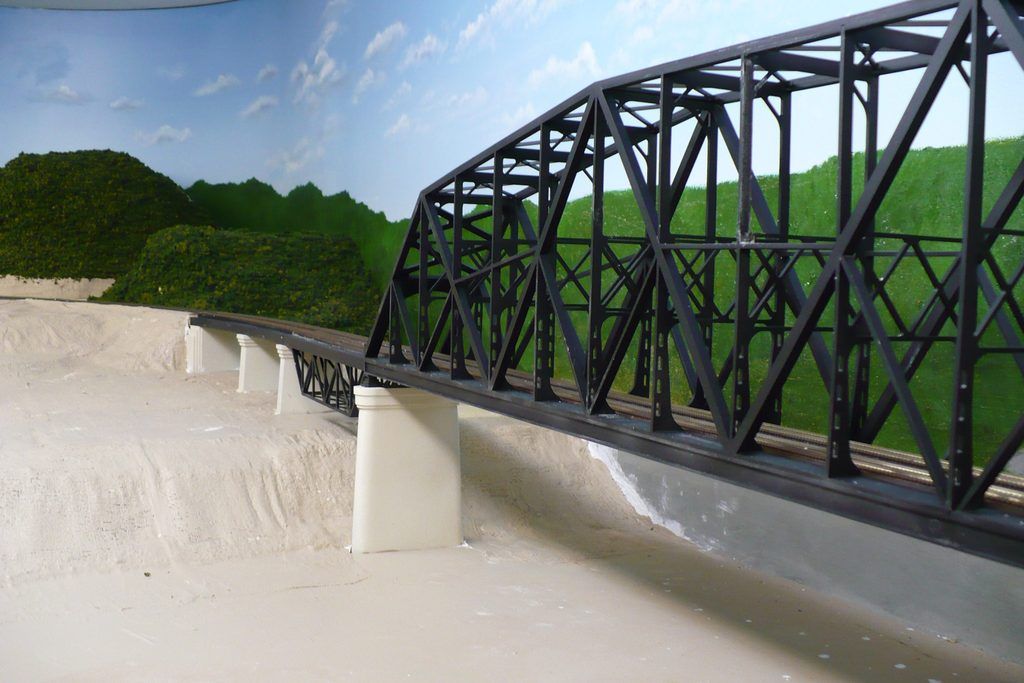
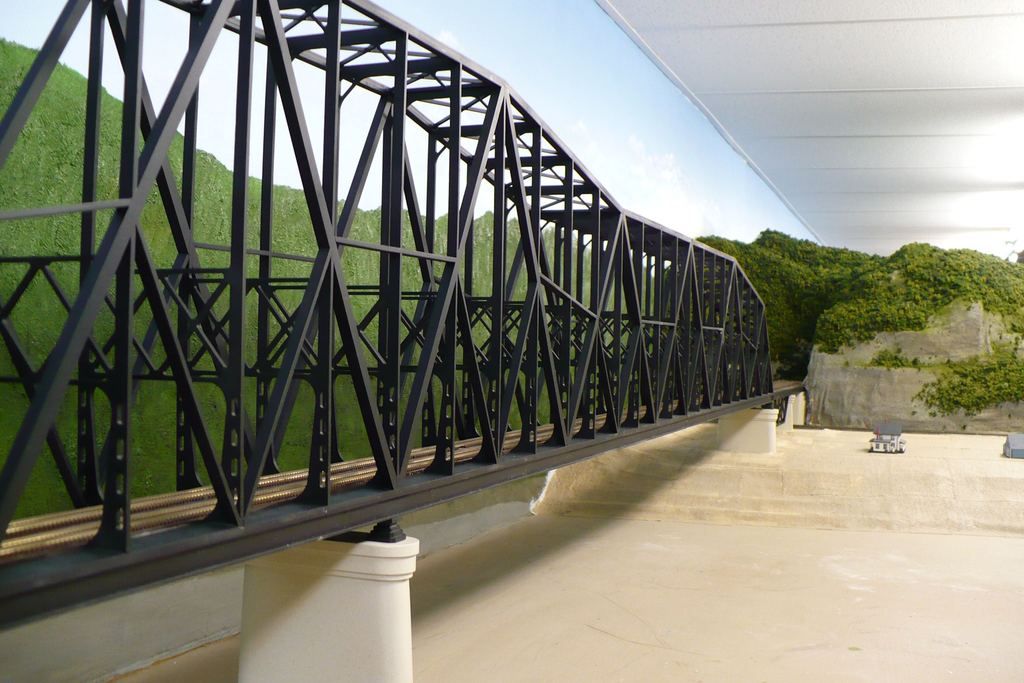
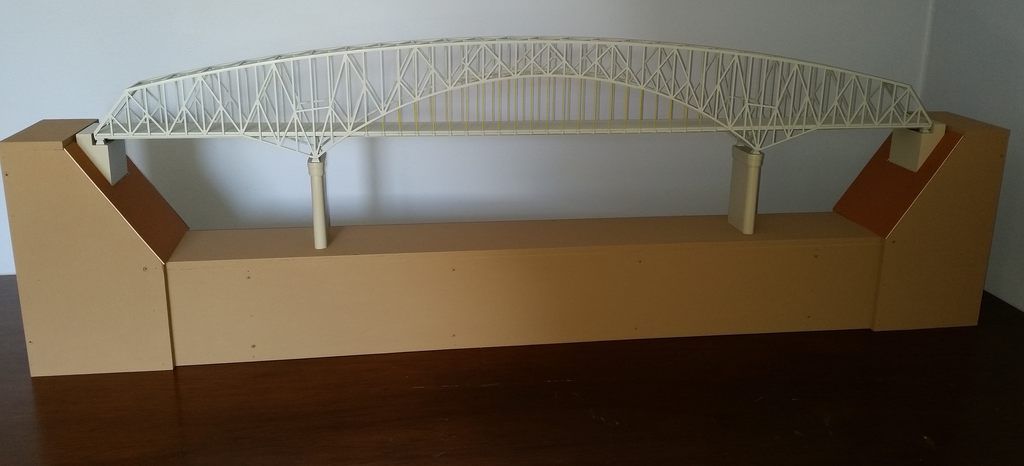
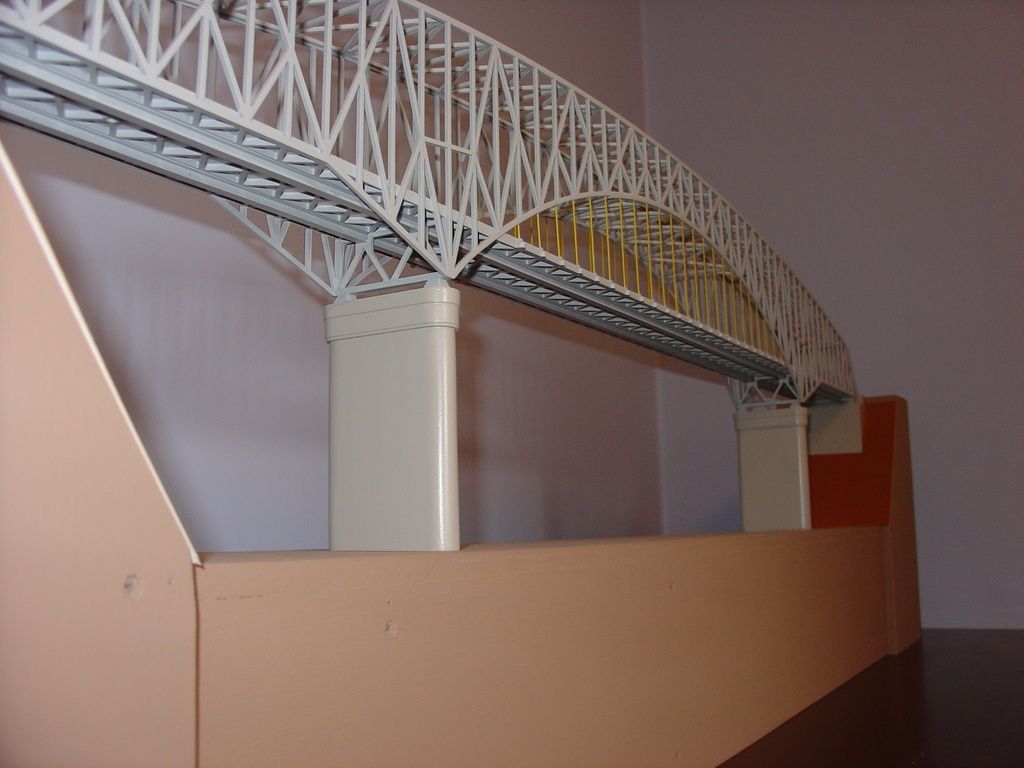
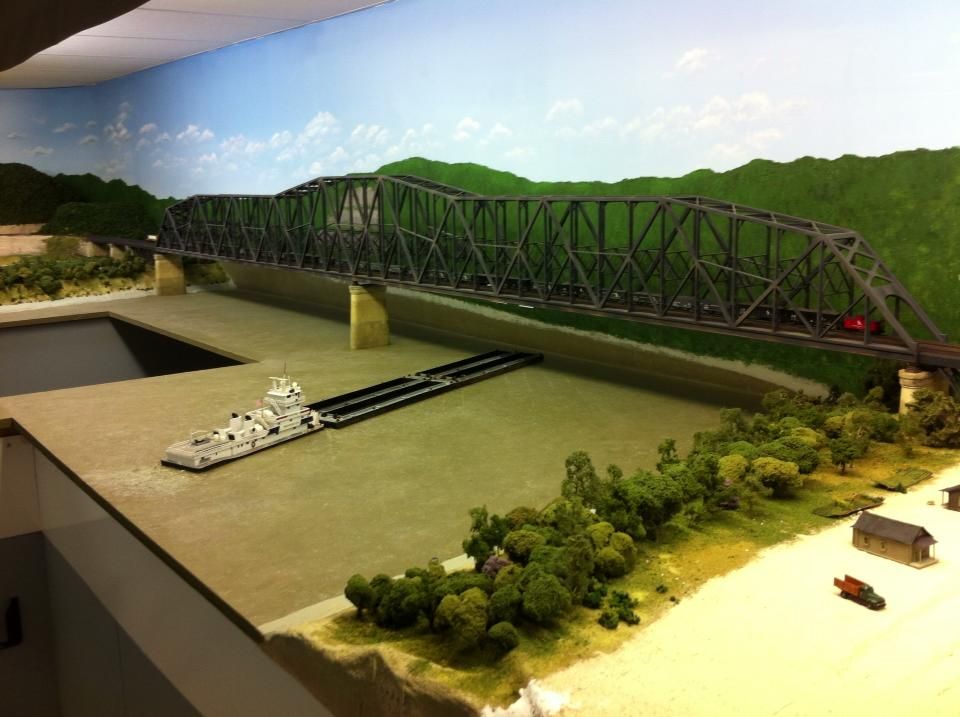
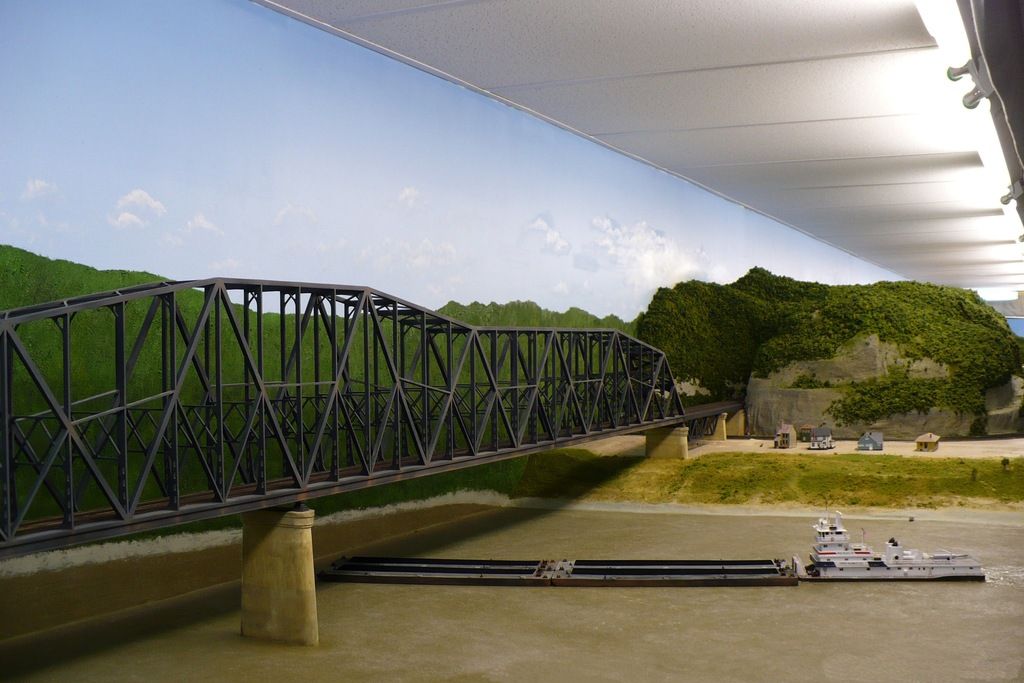
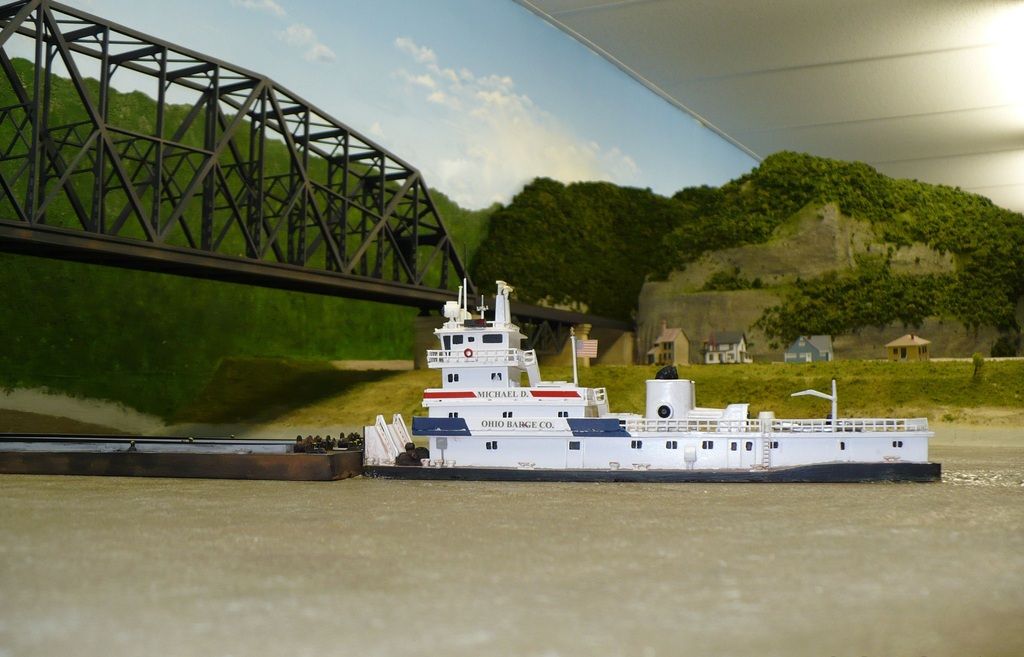
I have designed and built several long span bridges. Here are photos of two, both N-Scale. One is 5 feet long without approaches (that works out to about 9 feet in HO) and the other is 14 feet long including approaches (about 26 feet in HO).
Wonderful modeling. A big bridge, used in a plausible context, is always an attention getter, particularly if the overall layout is large enough to serve as something more than just a stage for that one bridge.
Although I have no engineering background whatever I have become something of a nut about bridges, and with that in mind here are some of the resources I have found interesting and worthwhile for a modeler to have in his or her library. This is hardly a complete library on the subject, just what I have acquired over the years and can recommend should you find these books available.
The old classic, Paul Mallery’s Bridge & Trestle Handbook, remains a very useful basic resource for the modeler. I believe it is still in print, and has been since the late 1950s.
Whether Kalmbach has kept their Model Railroader book “Model Railroad Bridges & Trestles” in print I do not know, but it was first issued in 1992 and my copy is the sixth printing from 2003. The book is not BY Harold Russell but it might as well be as he is the dominant author.
British in origin but with plenty of useful content is Railway Bridge Construction - Some Recent Developments by F.A.W. Mann, published by Hutchinson International in 1972 (so take the phrase “some recent developments” with that in mind). This is not for modelers but presumably for railroaders and bridge designers and consultants. It is an overview, well illustrated, and not overly technical.
Not entirely about bridges, but with plenty of bridge content and again well illustrated and not overly technical, is Modern Railroad Structures by Charles Disney and Robert Leggett, published by McGraw Hill in 1949. It may well be a college text.
“FInal Report on Reconstruction Illinois Central Cairo Bridge Over the Ohio River” issued by the Modjeski & Masters engineering firm in 1953,
What is the trick in establishing the base height so the piers, of various heights in your pic, are neither dangling from the bridge nor pushing the bridge up higher than the adjacent pier?
The base height is what ever the depth of the ravine/river/valley or gorge to the elevation of the road bed, and the bridge that is required to cross such land features.
Not too long ago, someone else on here was building a bridge to replicate one out West, where the grade was a constant rise as it crossed the river and the valley below. It actually went up hill, so the top of each pier was at a different elevation.
Kind of like running a string line from the road bed on one side, to the road bed on the other. The piers would match the string line.
Yes. In the top photo, the three piers of the main span are the same height. The plywood deck of the benchwork under that section is flat and level. The middle pier is in deep water, the left pier is just on the shore and barely getting its feet wet, and the right pier is up to its waist in alluvial deposits forming the shoreline.
The piers for the approach spans up on the bank are shorter. The plywood deck in those locations is about three inches higher than the middle section.
To answer BigDaddy’s question, gravity also plays a part. The piers are firmly screwed into the plywood deck and the bridge rests on them more or less like any other bridge. The whole shebang only weighs about 10 or 15 pounds, and that isn’t a whole lot in the scheme of things, but it is enough for gravity to take a hold of.
For the first bridge the scenery has been fully developed. It was featured as part of a layout tour at the NMRA Convention in Atlanta 2013. Here’s a photo taken from the LDSIG Facebook page. I don’t know who took the photo. If I did, I’d certainly give him or her credit. I’d also ask if higher resolution photos were available.
The easiest way is to set the abutment with the road bed. Cut your piers to height. Put them in place but not secure them. Built the bridge and put it in. Put shims if needed under the piers. Then secure piers when everything is in place and level. Then do the scenery work.