My sister-in-law is a graphic artist, and she has agreed to make a 7 inch high by 5 inch wide sign that I can “paste” onto a styrene plastic building to be used as a backdrop on my HO layout.
She will use Photoshop to combine text and pictures into an advertisement for placement on the building.
What is the best way to do this? Should I ask her to print it on paper so I can literally paste it onto the building? Should I transfer it onto decal paper and apply it to the building as a large decal?
I am clueless how to do accomplish this task, so any and all help and advice would be appreciated.
Or, using matte mediuim you can decopage it to the wall. spread a thin layer of matte medium on the area it is to be located, the “glue” the paper to the matte medium, then brush a thin layer of matte medium over top of it…it should dry to a matte finish. Test it first to be sure the matte medium won’t run the ink.
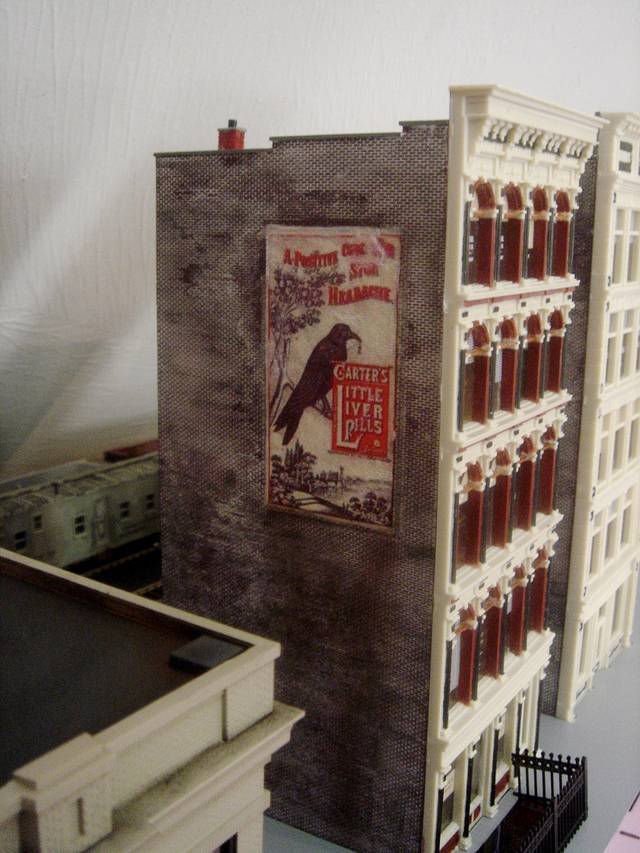
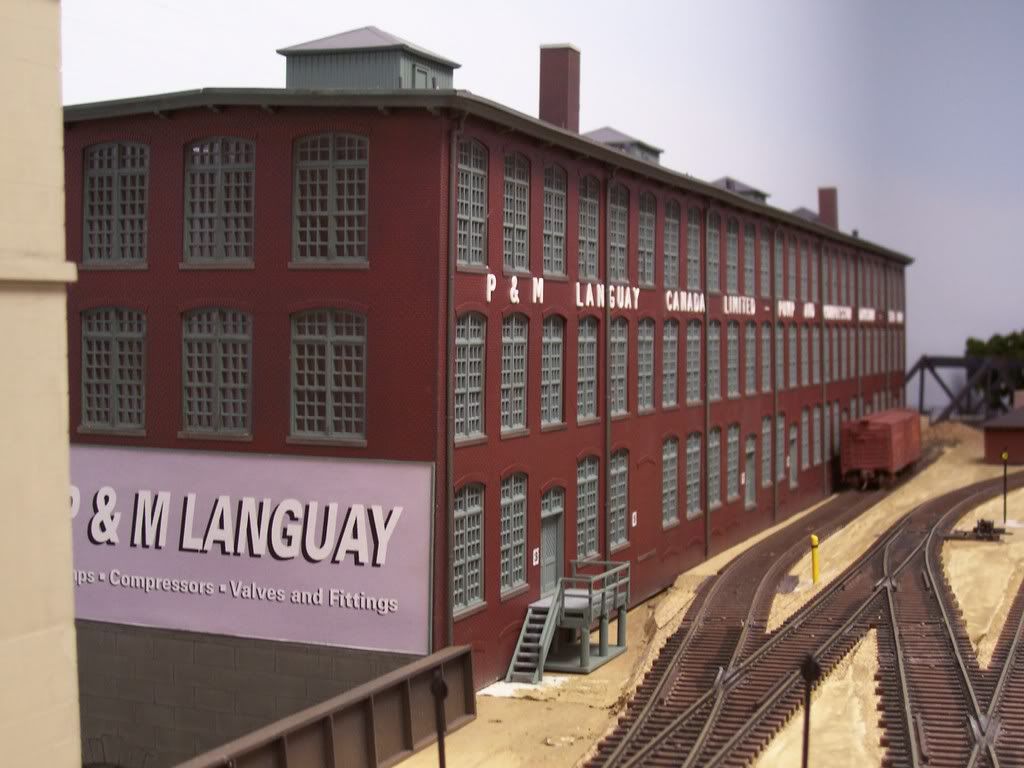
I’m a big fan of decals. I like to apply them to rough, irregular surfaces, like brick walls or wood plank fences. The decals take on the surface texture, and look painted-on. This kind of application makes the sign look weathered, which suits me just fine.
This is a relatively new one, and it’s the largest I’ve done. It’s about 2x3 inches in HO scale.
Printers can’t do white. For a big, square sign like this, white decal paper will work. What I did for this one, though, was to use clear paper, but paint a white rectangle on the building. Then, all the colors come back true when I apply the clear decal to the building.
Great looking structure and, of course, the sign. What you did is exactly what I want to do with a 5" x 7" sign, placed on a Walthers Cornerstone modular building that I will use as a background building (just using the modular pieces to build the front wall).
So, you had the sign made on decal paper and applied the sign to the brick wall, correct?
I agree with and also practice the use of printing the sign - using contact cement in a very thin layer on styrene. Depending on what thickness you use for what application gives you varied effects whereas you can always ‘bow’ out a sign or use it flat on the side or on top of a building.
Then use contact cement to mount the sign on the building. 2 or 3 lengths of styrene strips behind the sign also can give a nice effect on the side of a building also. Styrene strips can be used to build suppports or a framework when utilizing the tops of buildings.
I bought the decal paper for an inkjet printer, and did it on my old HP 722C at home. I downloaded the image and sized it in MS Word. The decal needs to be treated using a spray or something like Microscale Liquid Decal Film. It’ important to keep the decal completely flat when applying the sealant. Otherwise, the colors will run.
For wood back sign (Billboard) I print on card stock. For metal or enamel signs I print on photo paper. I use double stick tape to put on the building.
We use Both decals and paper signs on our buildings. They both work well. The one thing I didn’t see mentioned, is to sand the back of paper signs so they are very thin. This helps make them conform to the walls a little better.
I enjoy putting interiors into my structures. I download various images, anything from grocery store shelves to hideous floral wallpaper, print them on paper or cardstock, cut them to shape and glue them inside the building.
My glue of choice is Aileens Tacky Glue, the same stuff I use to put figures on to the layout. It is very thick, and, unlike white glue, it doesn’t seep into the paper and ruin the image on the other side.
These are great suggestions everyone, and I appreciate the advice.
The reason that I like Mister Beasley’s technique a lot with using decal paper is that the sign I am creating is a replica of a real one that was painted on a brick building. Putting decal paper on the styrene “brick” wall will hopefully give it that same effect.
The paper is just regular printer paper, as far as I know - fairly heavy, and with a flat finish. I use LePages or Weldwood/Dap gelled contact cement. It’s much easier to use than the regular type, with no stringiness. I apply it to both surfaces with a stiff brush, let dry for 15 minutes or so, then press into place. The only problem with this glue is that I’ve been able to find it only in quart cans.
If you want to put the sign directly on a textured brick wall, sand the back to thin the paper as much as possible, then use Weld Bond or white glue to attach it to the wall, working the sign into the mortar lines with a suitable tool. This works best, I think, for aged signs - for newer ones in good condition, the decal method is probably better.
If you want more simply-designed signs, with only lettering, they can be done with paint and dry transfers and/or masking tape.
Paint the sign area the colour you wish the letters to be, then apply dry transfer letters (in any colour) or letters cut-out from masking tape. Don’t burnish the dry transfers in place, though. Next, paint the entire sign area with the background colour you want. As soon as the paint is dry to the touch, remove all masking tape and use bits of masking tape to dab at the dry transfer letters - they should lift off fairly easily, either in one piece or as bits. Touch up, where required, using a suitably-sized brush.
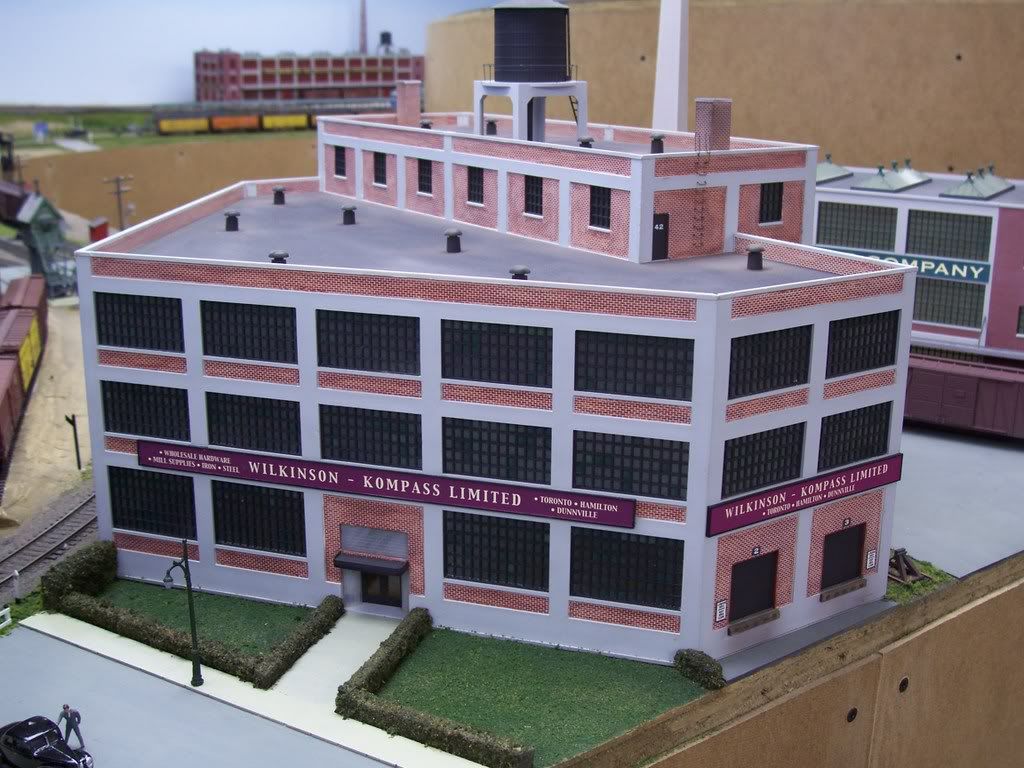
These were done using the removeable dry transfers and paint method:
Rich, it depends on how I make the sign. If I print the sign, then want to glue the sign to a small piece of styrene sheet, I use Elmer’s Spray Adhesive to affix the sign to the styrene. If I want to glue the sign directly to a building front or side, I brush on Ailene’s Tacky Glue to the building then glue the sign to it. It’s a lot easier to do this if the surface I’m gluing the sign to is laid flat.
The image on the left was printed on regular copier paper, while the one on the right was printed on glossy photo paper.
Spraying the image with Testor’s Dullcote also tones down the intensity of the color, giving it a weathered appearance.
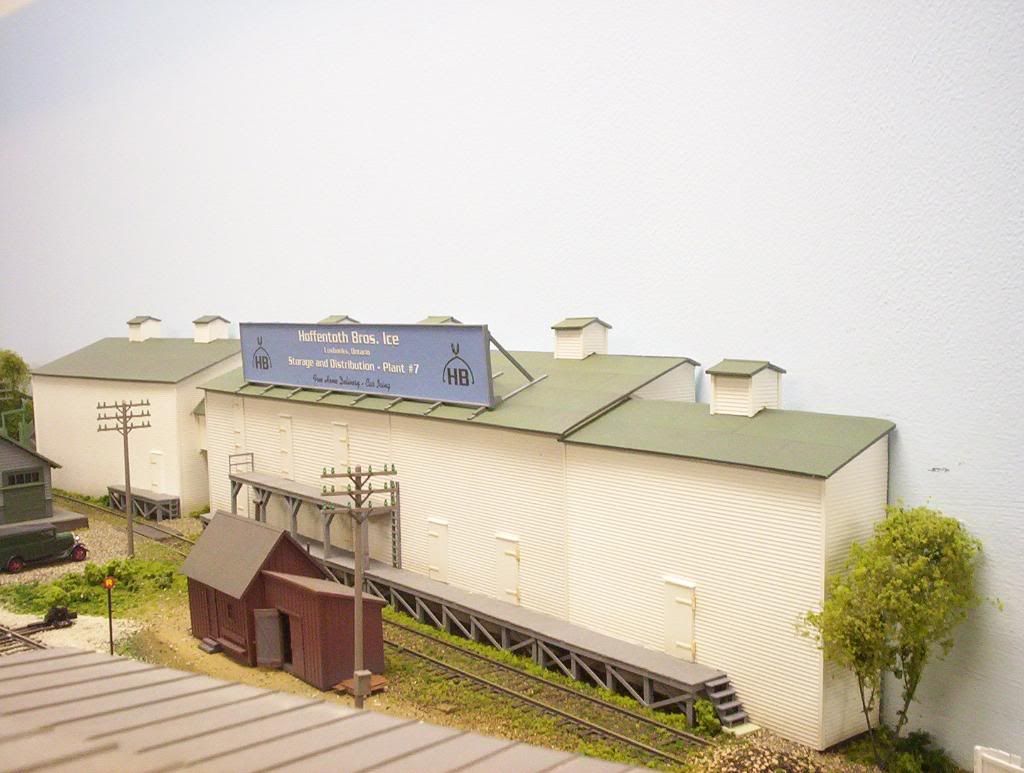
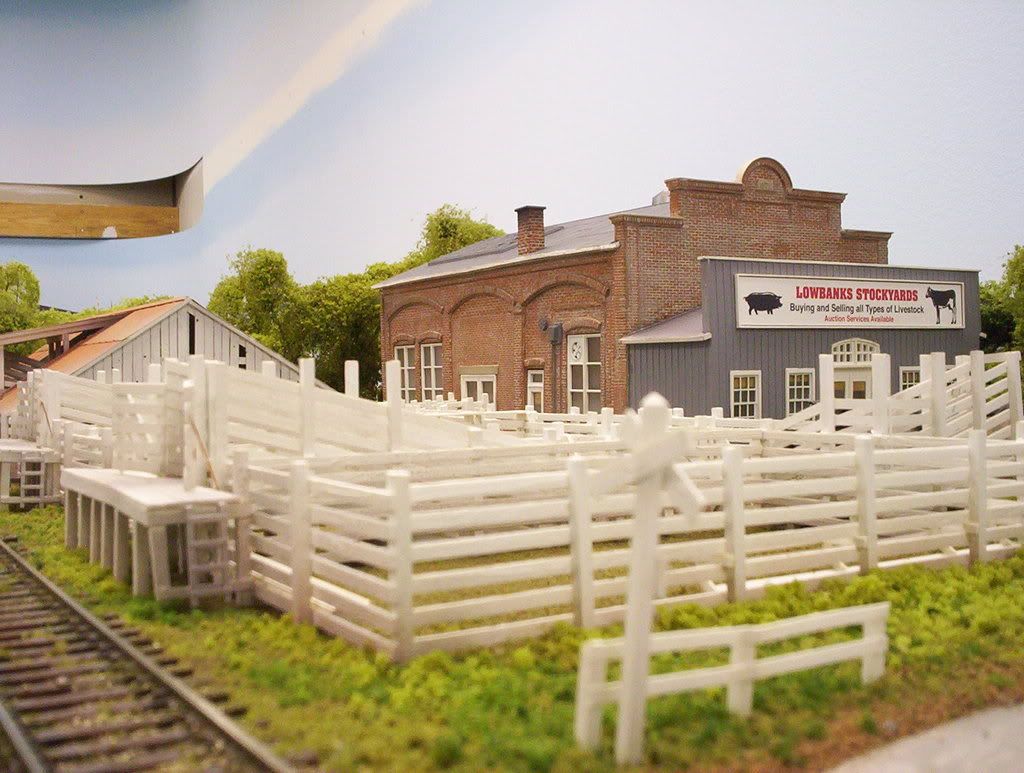
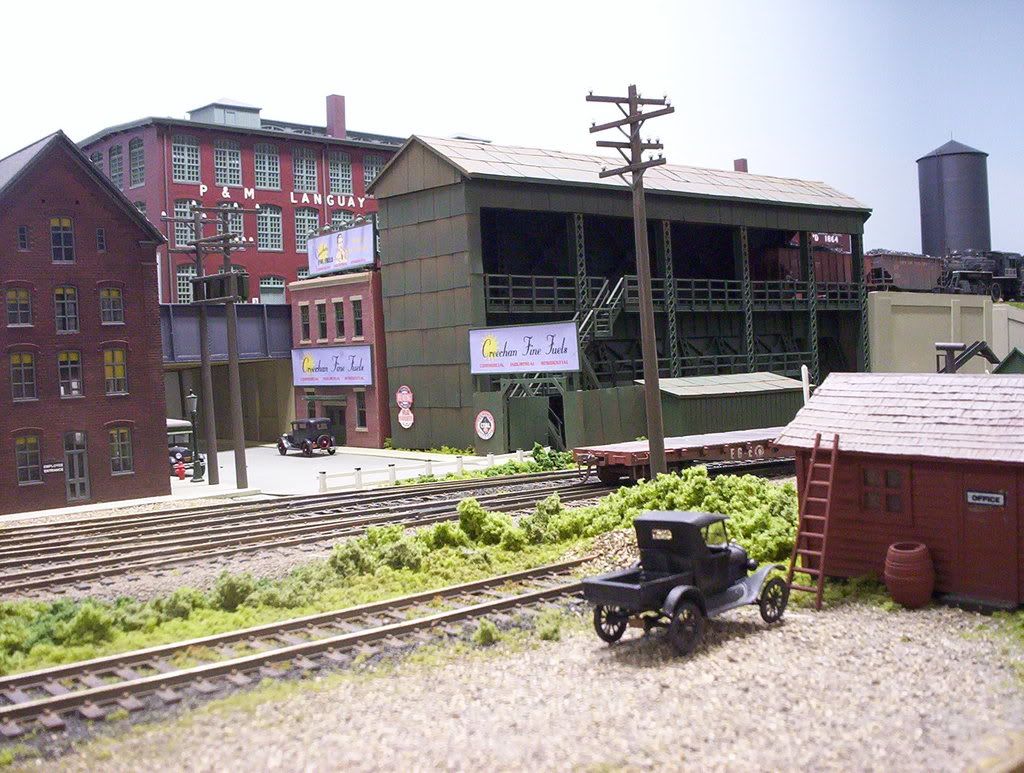
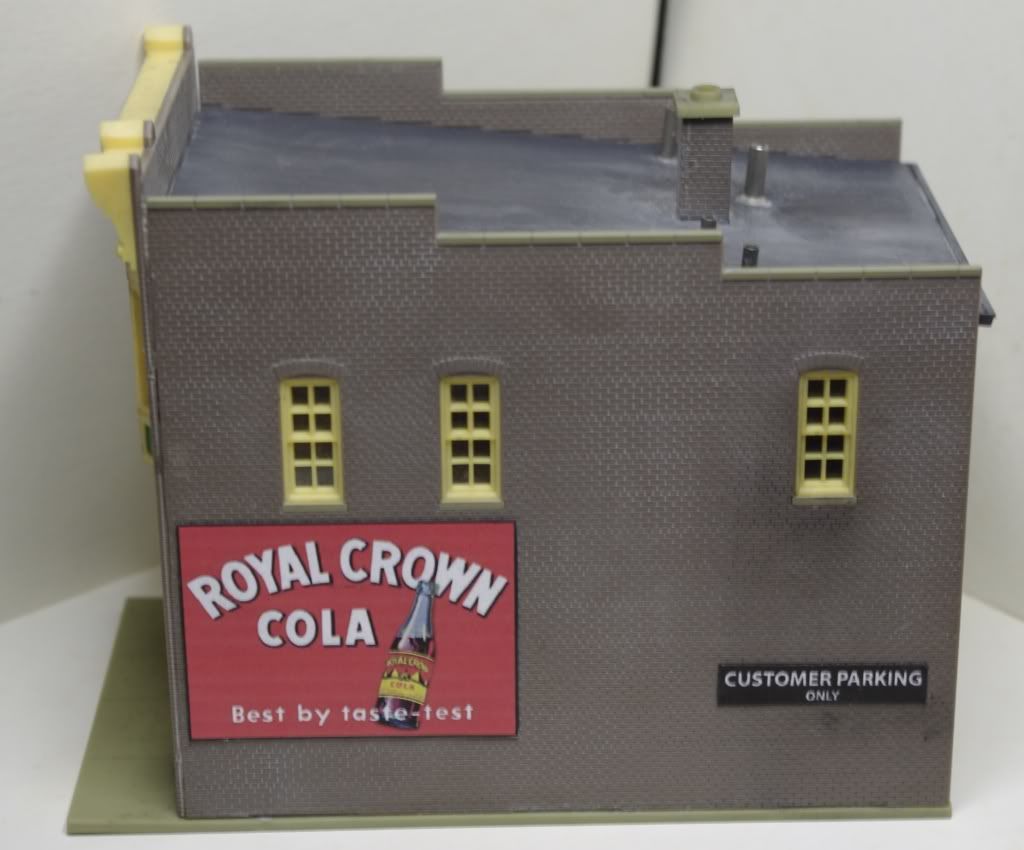
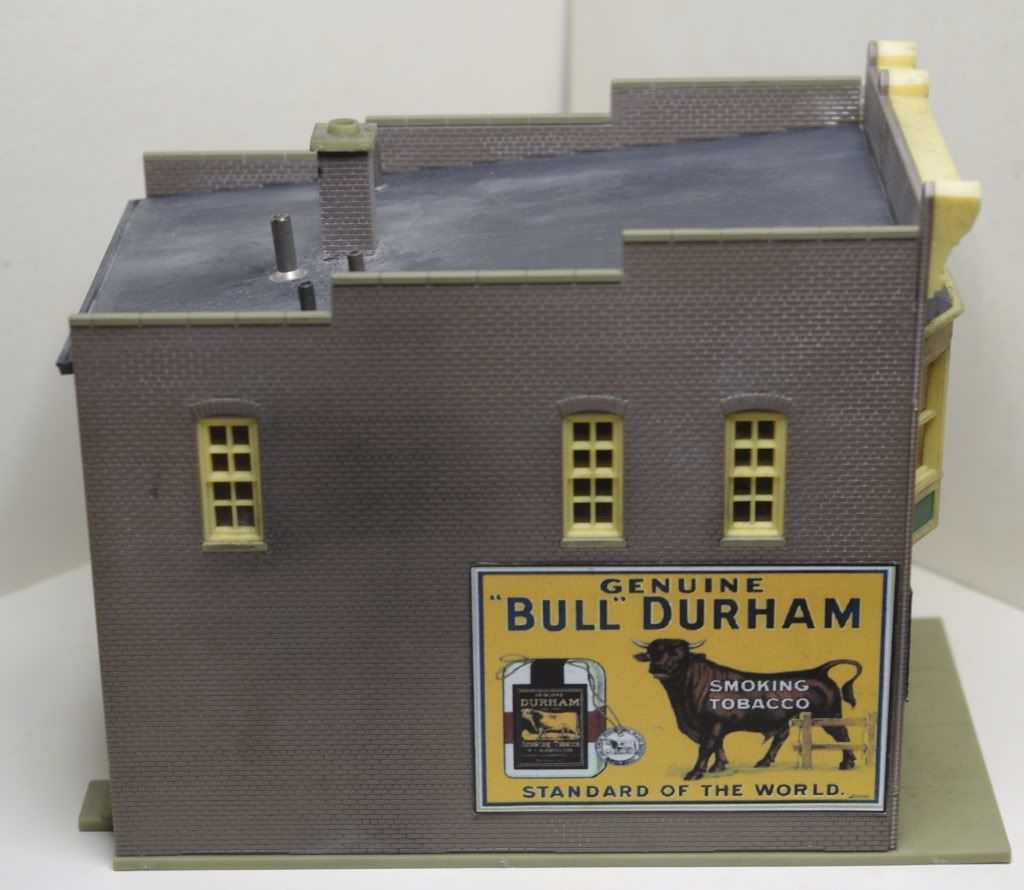
 The image on the left was printed on regular copier paper, while the one on the right was printed on glossy photo paper.
 Spraying the image with Testor’s Dullcote also tones down the intensity of the color, giving it a weathered appearance.