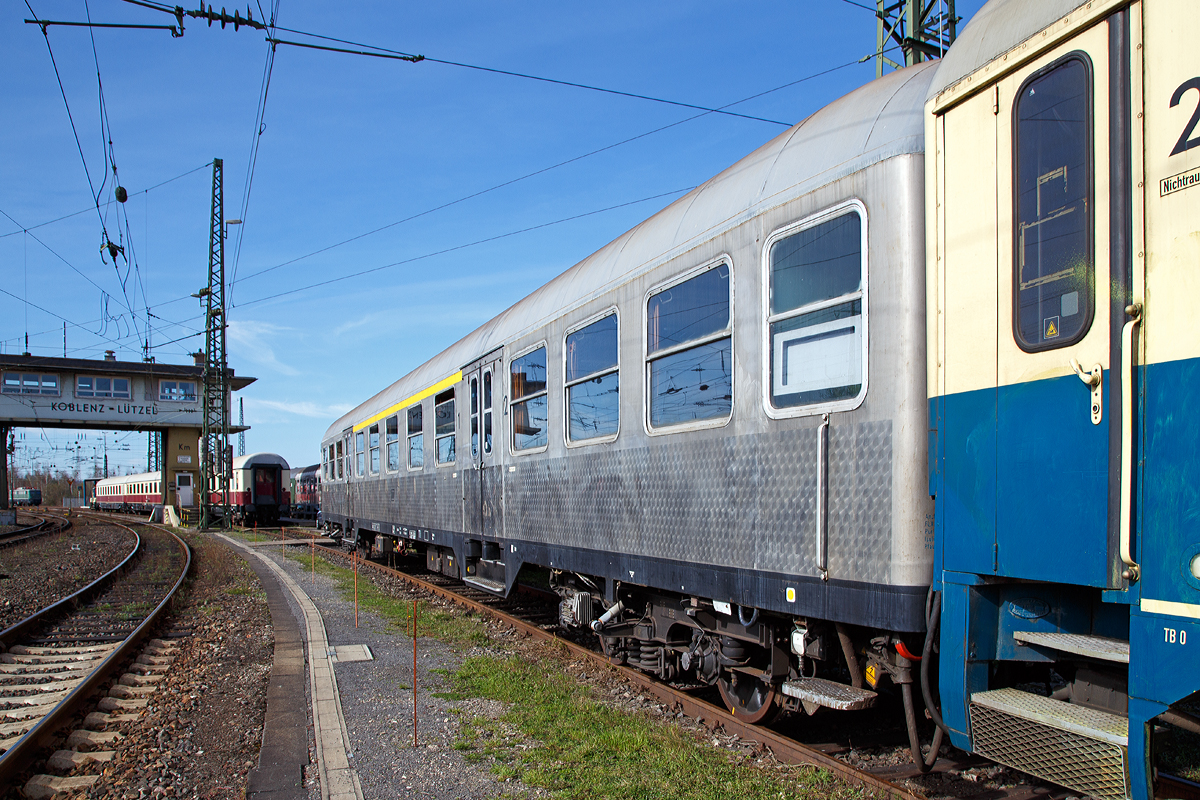
Silver coin would be the historical and religious correct translation. In the context of the rail car Silberling means something along the line of the silver thing.
I don’t see how this differs from what I’ve already described. When done at small scale on watches, the technique could be known as ‘perlage’.
I’ve seen it done with Cratex rods, laps charged with fairly coarse grit, and sanding discs on flexible backing. Here you see it done with 3M sanding discs on aluminum:
Note how much larger the disc is than the apparent size of the ‘spots’.
For smaller work, the Brownells company made a tool for drill-press use that used a metal brush, which was kept from spreading or distorting over time with an O-ring. The shaft was spring-loaded to give consistent pressure when you brought the spindle down, so the learning curve (if your bed had indexing or cross-slides) was fairly short.
Here’s how to do perlage at a small scale (here ‘for models’):
Here is a potentially useful ‘notebook’ that references many of the techniques used in horology. (Not all of these use the exact terminology I use, and you are welcome to adopt his instead…)