I guess you could call that a blind crossing to an extent. Nice older German DB Cars. Is that the Germans copying our Vista Domes?
1 Like
Those cars are from the 1962 Rheingold, and are rightly famous. Fire up Google Translate if needed:
Ok, thanks…I was going to say Germany is Windowbar.  I have not seen those cars before.
1 Like
Nice photos. I rode the Rheingold in 1968 with my dad, Freiburg to Mainz.
1 Like
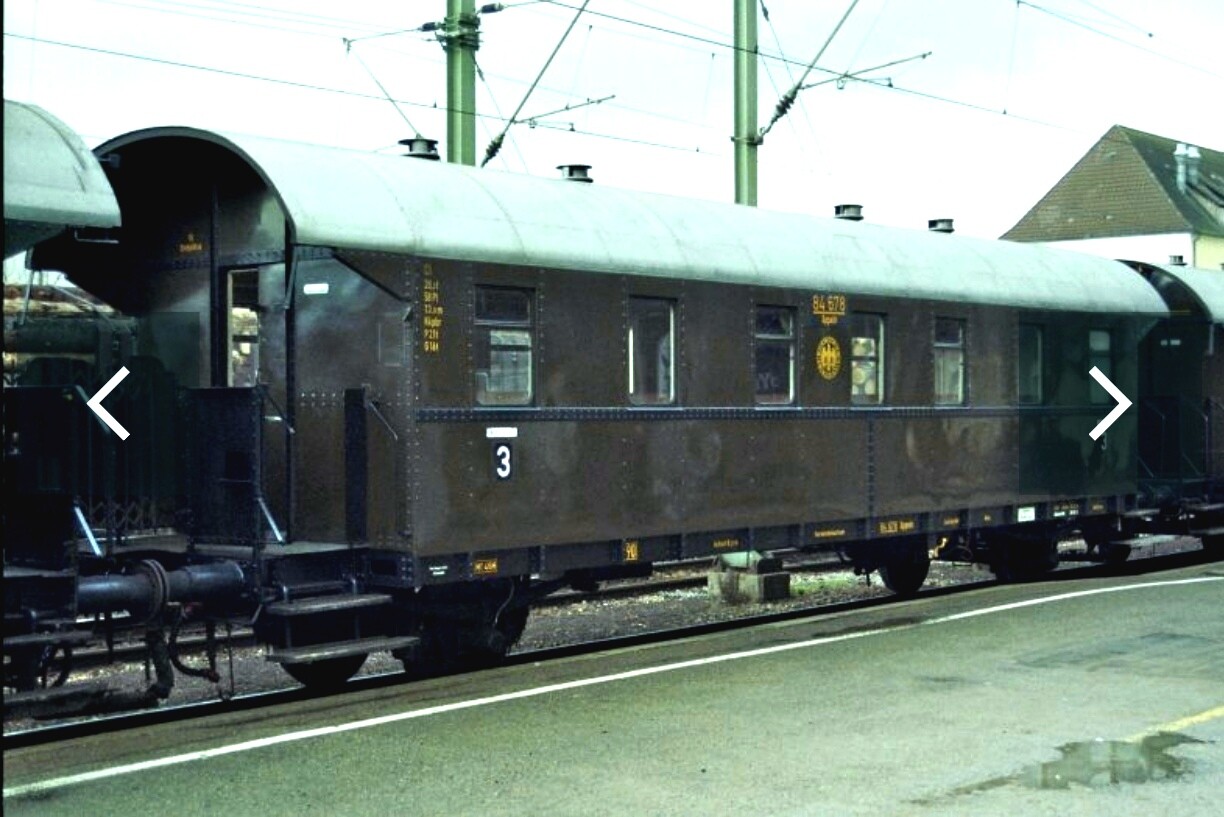
The second car is not a Rheingold car but a commuter car from the n-series, nicknamed “Silberling” (Silver Wagon) because of the color of its originally unpainted car body, which is made of polished stainless steel with a brushed pearl finish in a peacock-eye pattern.
https://www.drehscheibe-online.de/foren/file.php?004,file=769093
Regards, Volker
Sorry, Volker – when I said ‘the cars’ I meant the ones with the vision windows built in 1962, tot the cars in the short train. I regret not being more precise with language.
My post was just meant as a clarification in case anyone was wondering what the second car is—not as a criticism.
Photos of the event show that the road crossing is protected by gates, which are difficult to see on the small video clip: https://www.drehscheibe-online.de/foren/file.php?004,file=769091
On the following website you can see photos of every single car of this train: https://www.drehscheibe-online.de/foren/read.php?004,11471359
Here is the video from post #1 a bit larger: KBEF-train
Here is the situation on Google streetview showing the gates: https://maps.app.goo.gl/XqVVPNndRg9gf5hT9
The train was traveling on a private railway owned by Häfen- und Güterverkehr Köln AG (HGK) and crossed the tracks of tram line 1 operated by Kölner Verkehrsbetriebe (KVB).
Regards, Volker
2 Likes
Is the translation “silver disc” or “silver coin”..? I remember the finish as a series of polishing marks that were arranged in a square (think checkerboard - but all squares the same) PIK-40648-04.jpg (1500×1125)
It is in the “high touch” area where people would touch the cars, so a highly reflective surface just leaves a lot of marks.
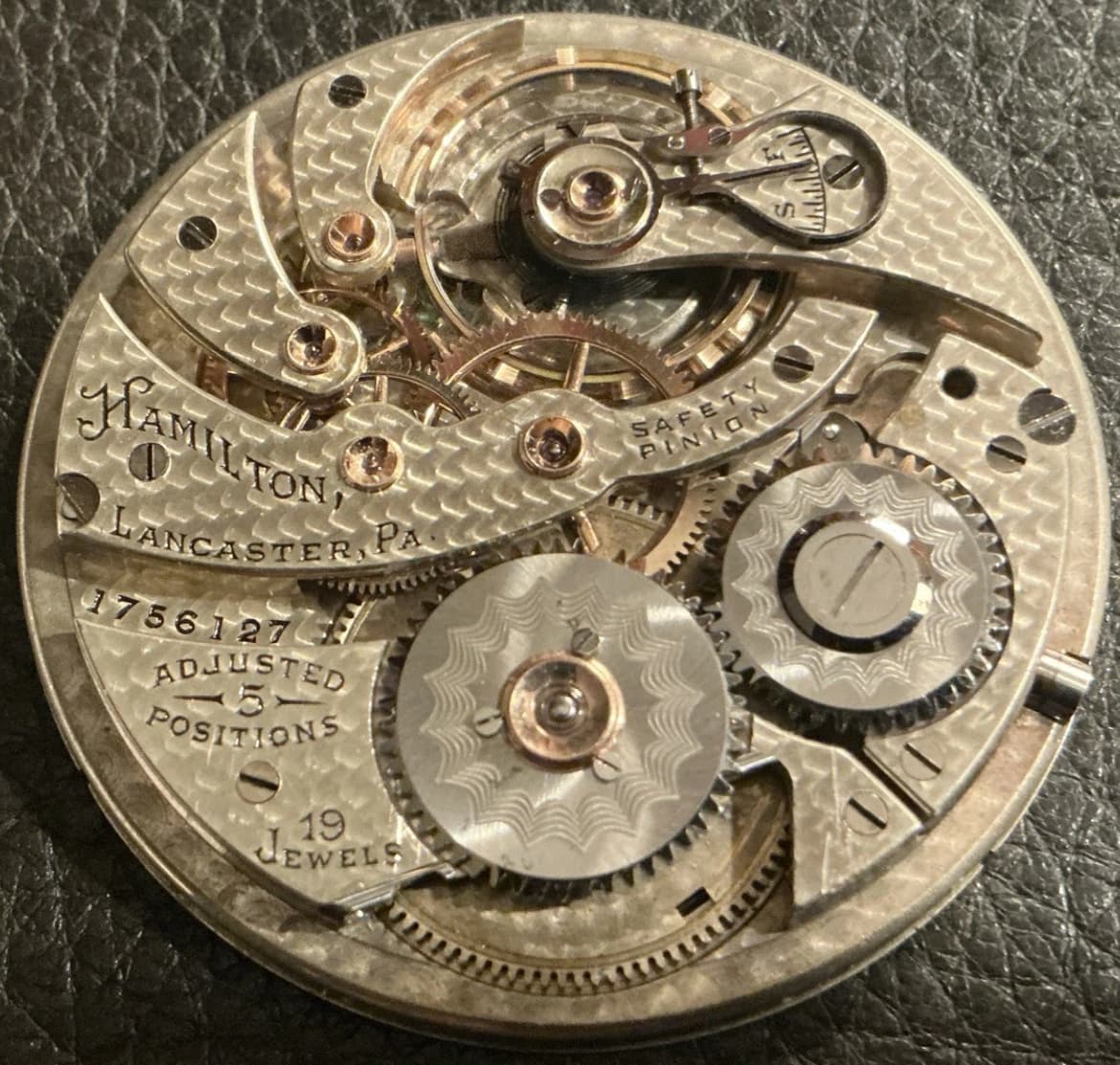
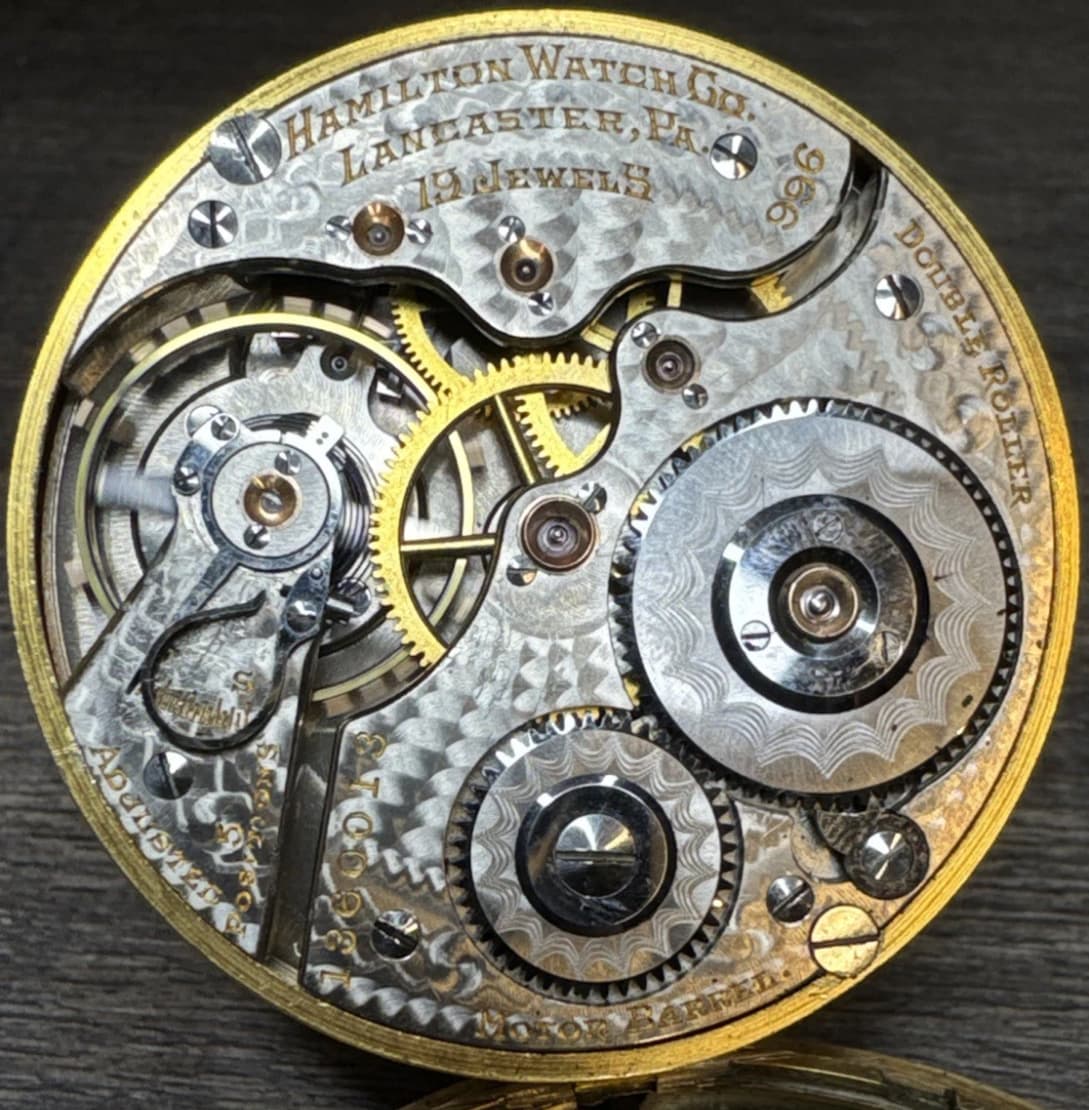
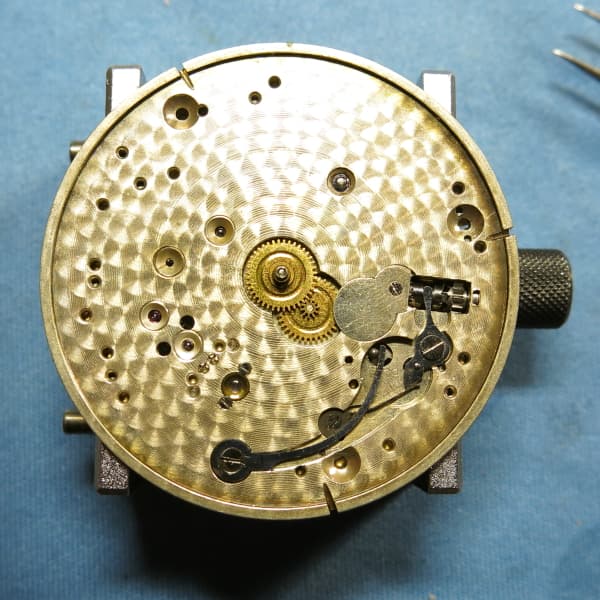
I believe it’s a variant of what we call ‘spot polishing’ – as on the Hamilton 900 movement and various surfaces on classic-era Bugatti engines. Some people refer to it as ‘engine-turning’ but rose-engine polishing is generally different…
In my opinion the BEST brushed finish for stainless panels.
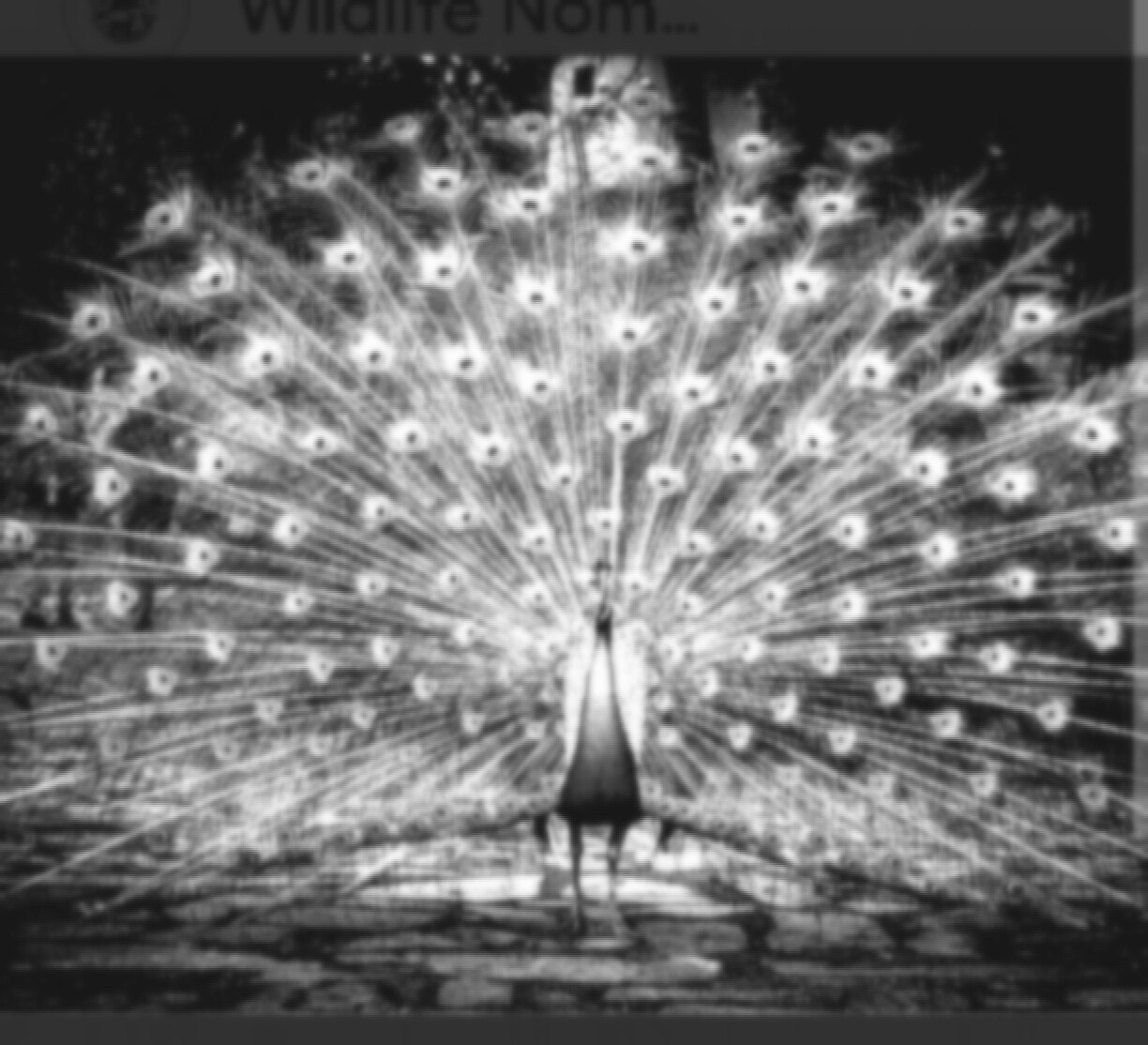
I recall riding one once with workers from the Opel works in Rüsselsheim. One guy told me they were a vast improvement over old two-axle coaches known as Donnerbüchsen (Thunderboxes).
If I remember correctly, at least one of the Budd Michelines had spot polishing.
The New Haven Comet definitely did, although most contemporary photographs don’t show it and most models don’t seem to try hard to duplicate it. There was one breathtaking model (at an equally breathtaking price!) that did try to replicate the finish.
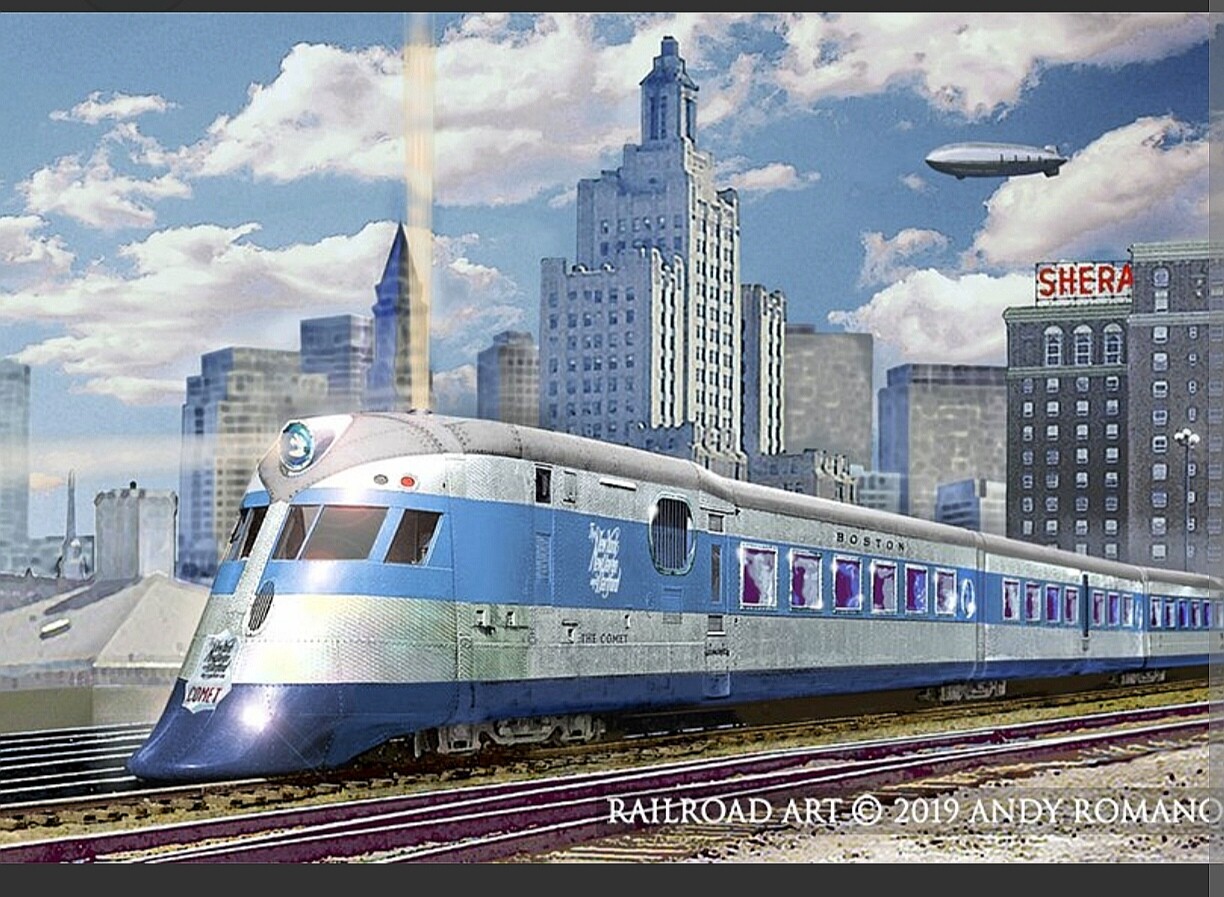
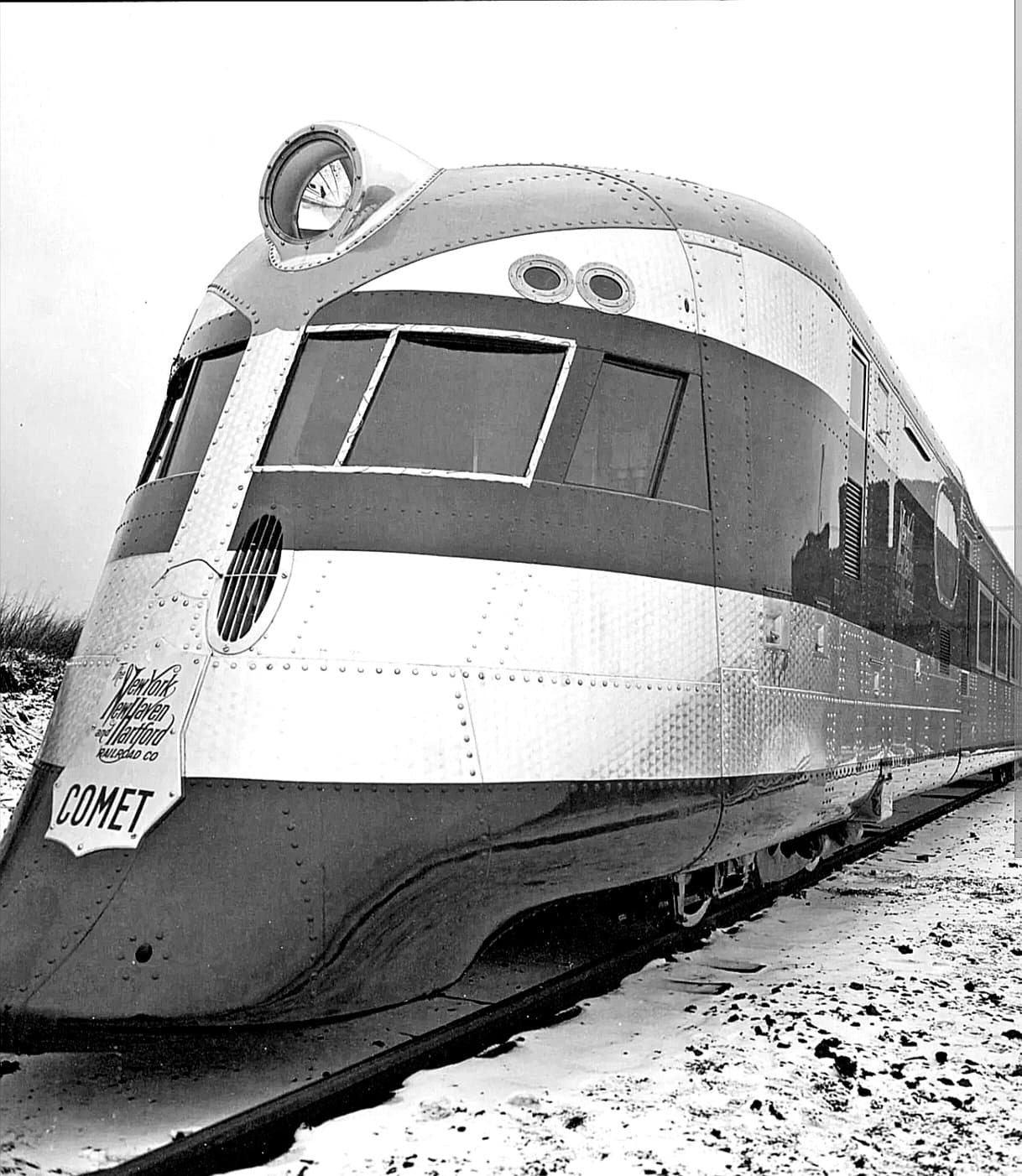
You had no trouble finding suitable pictures!
I was born in ‘57, so it was regrettably long gone even in most peoples’ memory by the time I found out about it. In the pre-Internet years it was as hard to find out about as the Besler train…
The Con-Cor models I’ve seen just use aluminum paint. The model was in brass – I will try to find information or a link – and I think it was made in the same era as the superdetailed UP steam turbines 1 and 2 that had the light-up insignia.
Brass trains has one in ‘later paint’ that does not appear to show the spot-polishing effect:
And here is one that says ‘original’ but I can’t get a phone to zoom in close enough to see if it has spot detail…
Con-Cor model of the Goodyear-Zeppelin joint venture Comet.
2 Likes
(post deleted by author)