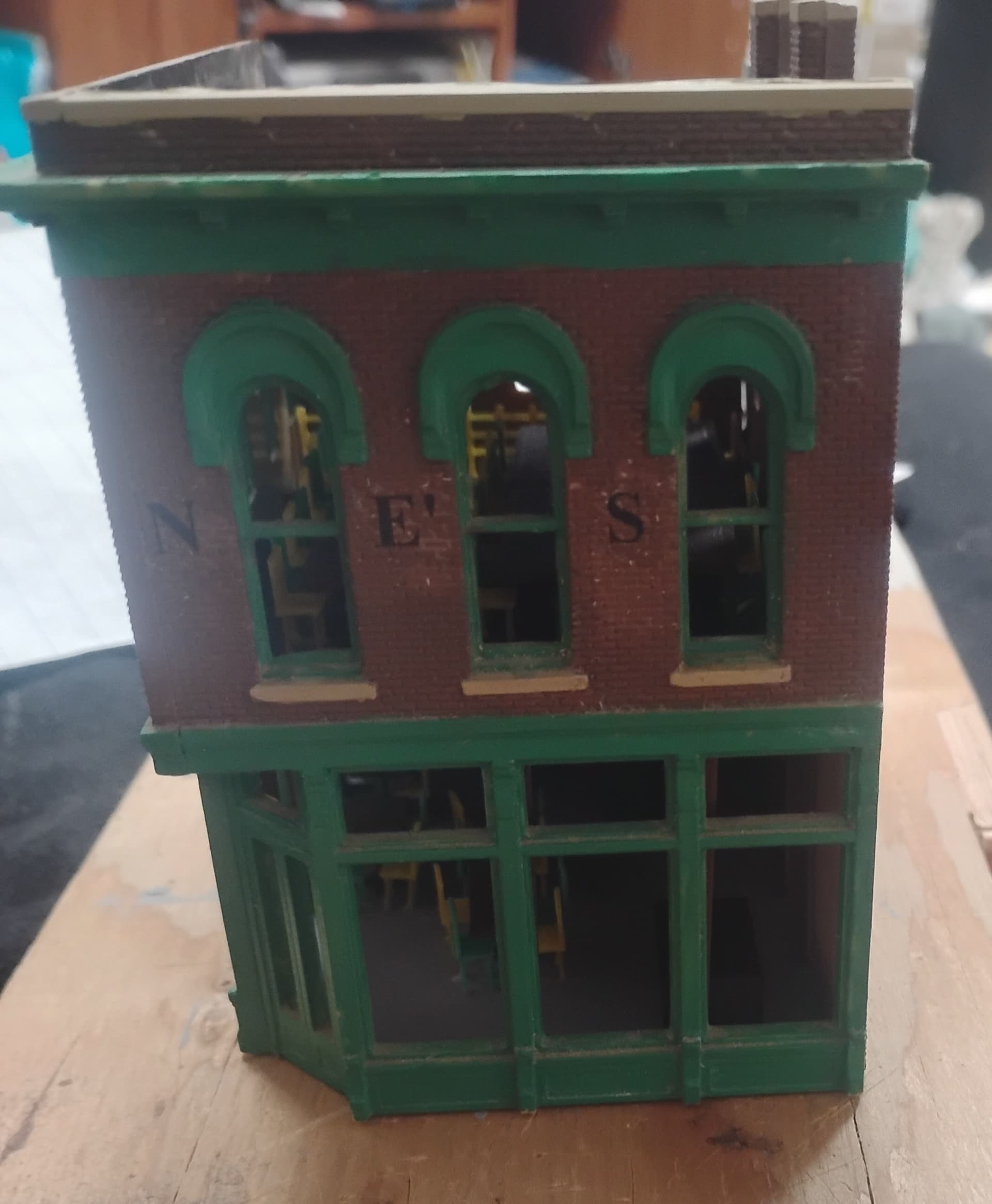
No, she means printed “wood” with ‘grain’ embossed in it – I believe the sheet was vinyl molded over thin fabric.
I’m sure Formica came with some wood-grain options, but they would look fake even if skilfully applied…
No, she means printed “wood” with ‘grain’ embossed in it – I believe the sheet was vinyl molded over thin fabric.
I’m sure Formica came with some wood-grain options, but they would look fake even if skilfully applied…
Yes, but she said :
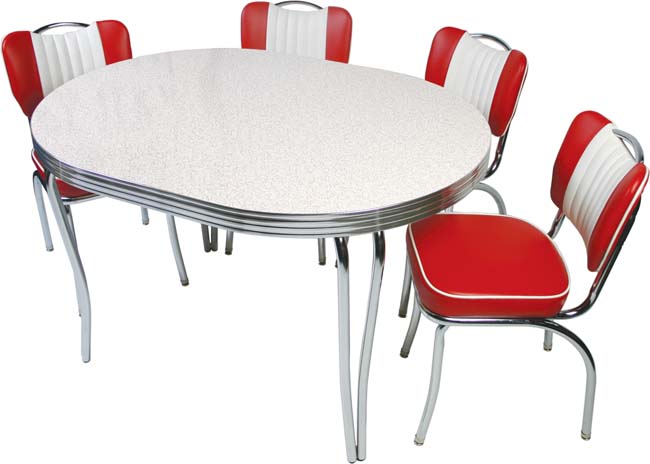
Anyway, some stuff I remember from back then was smooth material with a shiny (aluminum?) band around the table edge>
Sorry. I meant on the floor.
Like this? This is listed as “1950’s retro furniture” which is what I seem to remember. New stuff from the 70’s looked a little more up to date, though there were still plenty like these still around.
Now that’s stylish!
Well, in 1950 I was three years old. But yes, many of the old diners I frequented in the 70’s had similar, generally rectangular.
Do a search - that style of retro furniture can be expensive!
Yeah–I’d rather buy used, or better yet, build it myself!
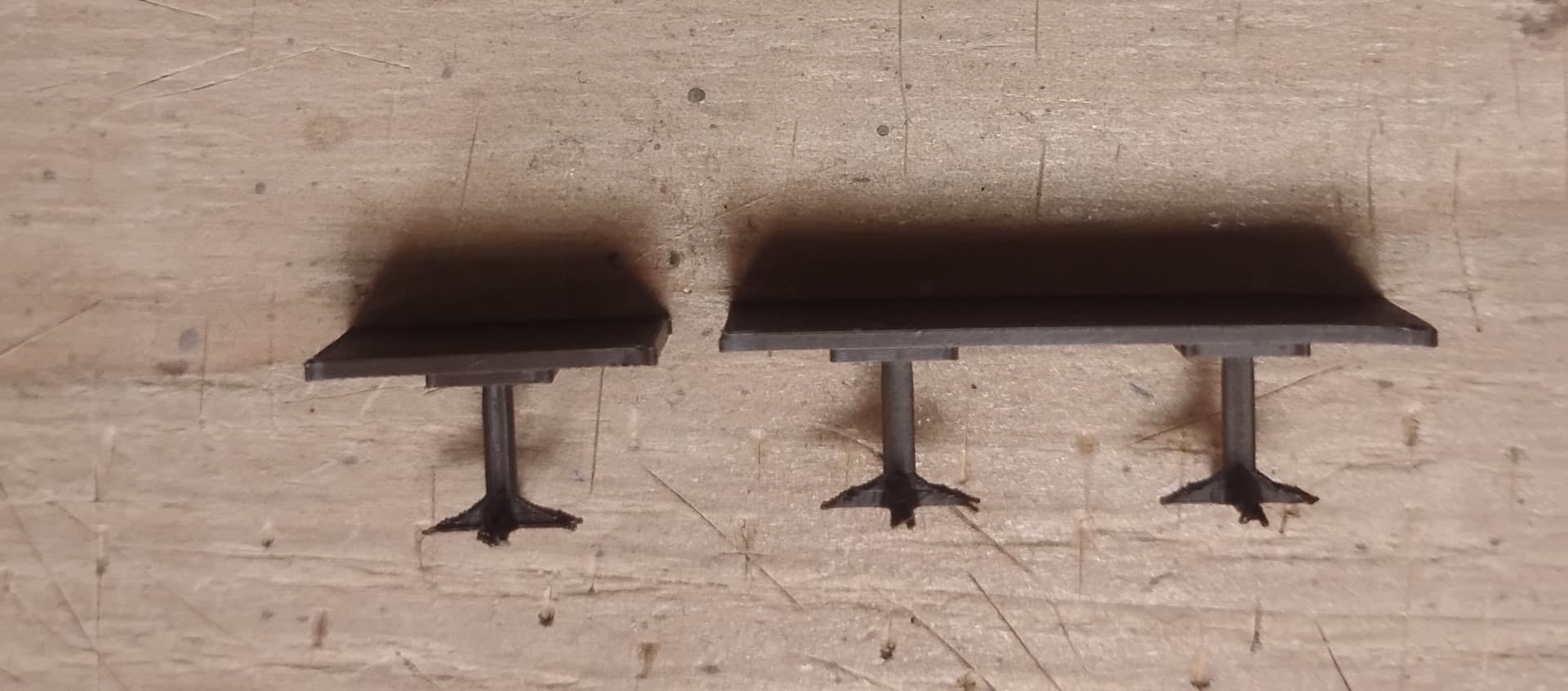
FWIW, I finally got the tables printed.
Stix had said ‘tabletops’. Did they have tabletops on the floor in northern Ohio then… like in geisha houses? 
I should probably look up the history of that grained soft-surface ‘wood’ flooring. I only remembered it as a '70s trope when you reminded me of the floors…
On the floor?
We used to call that “linoleum”:
Linoleum was the standard kitchen floor growing up – and at the preschool: black or primary colors, inlaid with art-decoish patterns, often dull or semigloss if you didn’t want to go skating.
Interestingly, the material is not too different from the vinyl flooring Penny referenced: the ‘linoleum’ name refers to linseed oil, and there is a piece of fabric for composite tensile strength. The Weymann bodies used a similar principle with ‘dope’ and lacquer.
I don’t remember this being grained and embossed like wood; the color was ‘in the material’ like Vitrolite, so any face coloring like trompe l’oeil would wear irregularly and show worn patches. The vinyl face, on the other hand, was tough, elastic and rubbery, and at least in theory would not suffer heel dents and divots. In practice high spike heels could be murder…
Do you know that from experience? 
In fact, I do. We laid that padded vinyl in the kitchen at Lydecker Street in the early 1970s, and it does not seem like it took long for the pockmarks to show up. Some of what passed for perfectly-normal women’s dress shoes in that era had hard little convex points on those heels, and if you actually walked so the heels struck, even with the equivalent of a three-point landing geometrically, you had enough to stretch or tear the face layer. Of course I don’t have firsthand experience actually wearing such shoes, of course, just seeing the results quickly and up close.
My Cruella deVil ex-wife did much the same thing, except to quartersawn and tiger-oak hardwood flooring. I could not believe such a thing was possible until I looked at the broken fibers around the little divots. Hobnail boots could probably have done no better a job!
I may be wrong, but I think she may have been asking if you were the one wearing the spike heels.
And what did the perfectly abnormal women wear?
Don’t have any firsthand knowledge in that era.
(I addressed that carefully later on… but style had mostly changed by then.)
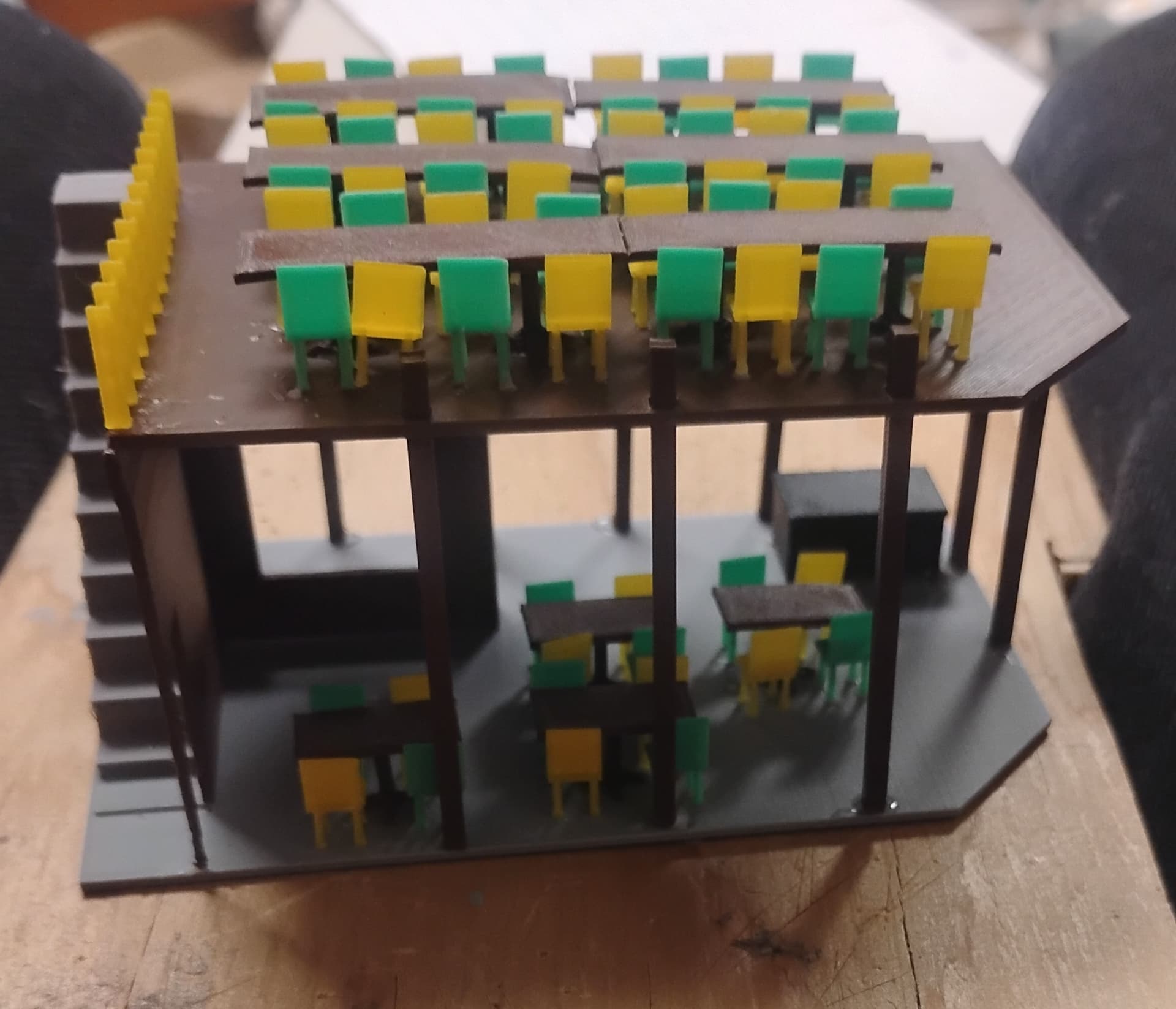
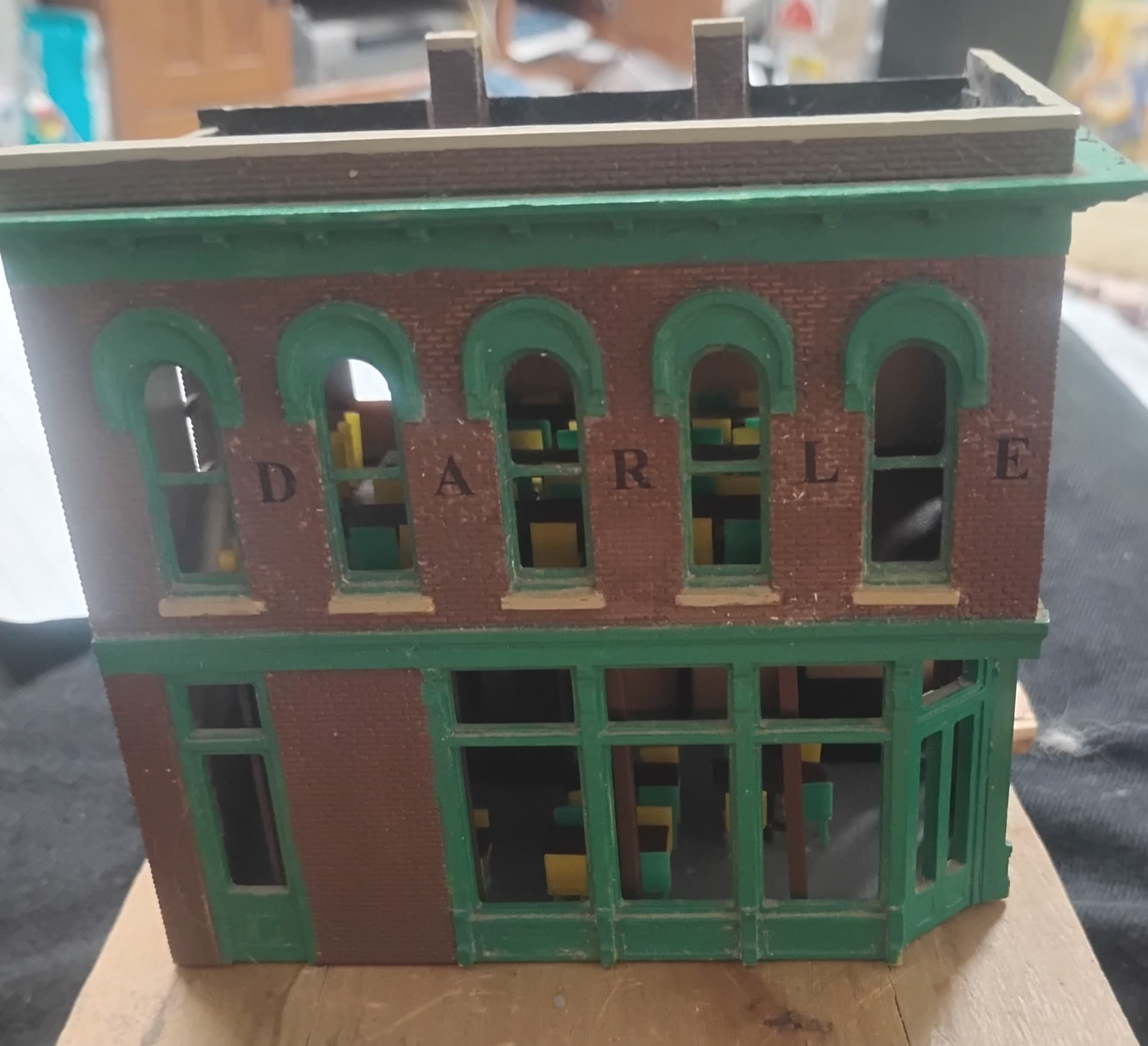
FWIW I finally got the interior put together and here it is:
Neat!
EARTH SHOES. These were shoes with an inverse (or reverse?) heel, so the toes were higher than the heel. Looked terrible (especially in a skirt). They were supposed to be more “ergonomic” but as I recall were awful to try and walk in.
Kind of like the Doc Martens of the '70s.
I can honestly say I never knew a woman who admitted to owning a pair…