Most, if not all, of the great masters of photographing trains left the scene 45-50 years ago and let others, who did not have their skill and know-how, to replace them. They left because it was not possible to produce super great railroad pictures anymore! Do you think electronics will allow for producing super great railroad photos like in the past?
What changed to make great photos impossible?
Mark Vinski
1 Like
1970s – what happened?
I thought they got old or died?
Maybe it was because they started using Nikon cameras and everyone knows what pieces of crap they are (or at least one person does)…
4 Likes
Wow, I couldn’t disagree more. It used to be really hard to capture even “good” photos. Now, it’s almost trivial.
I don’t think composition skills have declined and technology has opened up all sorts new opportunities.
5 Likes
At least Nikon is still in business unlike Kodak. So someone myst have liked them more.
2 Likes
Kodak’s financials depended on film sales and processing in addition to non-professional camera sales.
Nikon only dealt with high end cameras and accessories for both pros and high end amatures.
3 Likes
Sport and camera optics are just a small part of the overall Nikon corporation, just like Zeiss.
2 Likes
mylandsw:
What changed? Developers now are manufactured without silver to cut costs. And silver was the miracle element that allowed the producing of wonderous railroad photos.
York1:
See answer to mylandsw. Also, see the reply to Oltmann, especially the second paragraph.
Oltmann:
It is still hard to capture a good photo, and by a good photo, I mean a correctly exposed photo. Light meters are notorious for incorrect exposures, most often errors by the camera’s or meter’s user!
BUT Oltmann, this thread focuses on the present inability to make an exposure that is adjustable. Present photography makes Zone III always Zone III and Zone VIII always Zone VIII. But with the old developers a Zone VIII could be made Zone VI. Old users being handicapped by the current developers, just left photography, and in our case, railroad photography!
As far as many, many exposures of a scene to capture a train at just the right spot, that sounds wonderful but is basically useless if the exposures are incorrect, which most exposures are when based on a wrong premise!
2 Likes
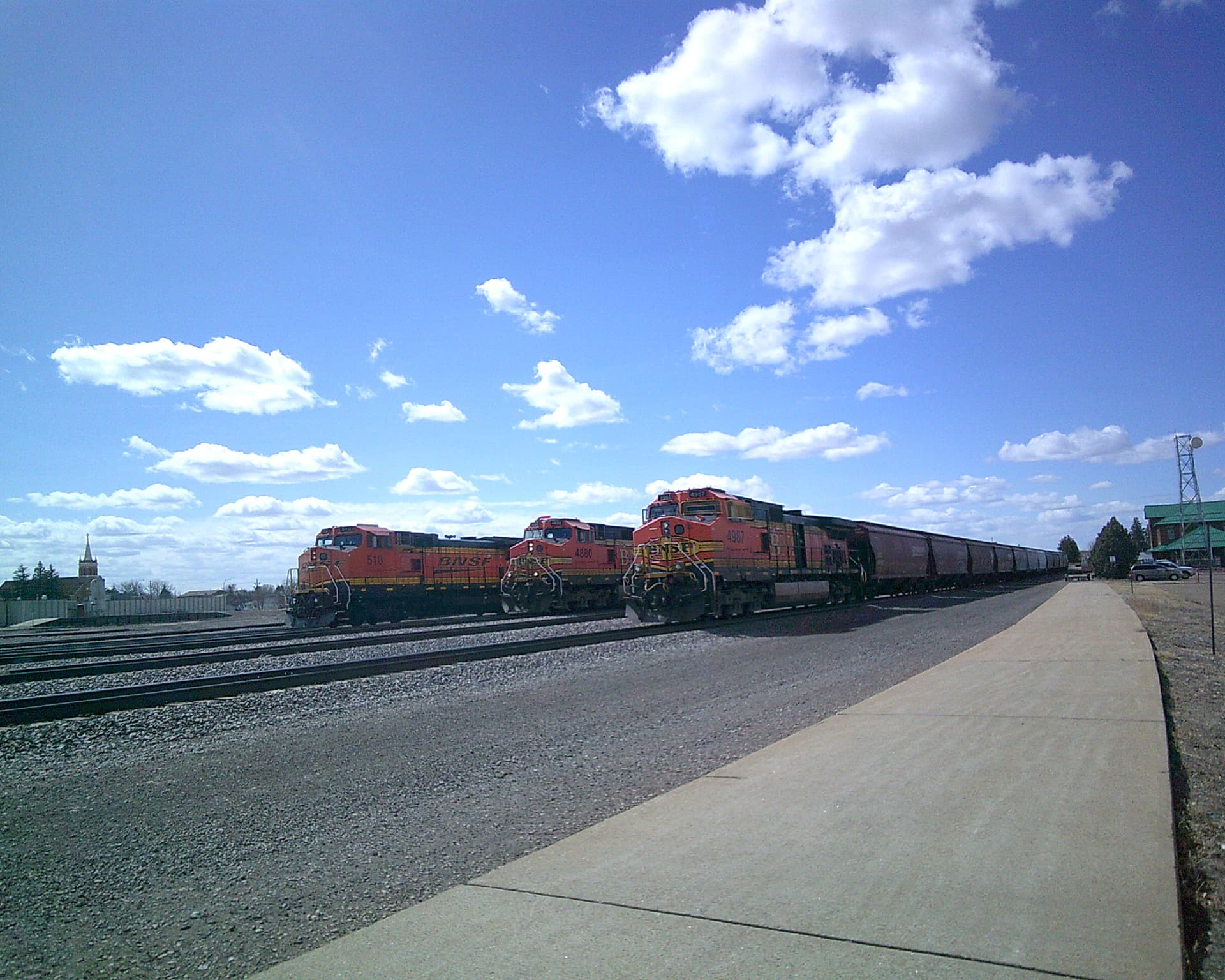
In 1974, Kodak came out with K64, a faster but still relatively fine grain color film. People realized that they didn’t need Plus-X B&W film for action photography. While it sometimes produced dramatic results, the age of the B&W film was over. Color showed the color schemes of the diesel locomotives that weren’t there in the steam era. Think about it–the locomotives were B&W, the exhaust was B&W, among other things. A Daylight in B&W is just another train.
PS–Magazines finally had the budget to produce more than just the cover in full color.
2 Likes
The first thing I’d be critical of is why did the photographer choose to shoot the shaded side of the equipment? I see that quite often. Unless you are going for a backlit scene or you simply have no choice, keep your light source behind the camera.
Sunny-side up:
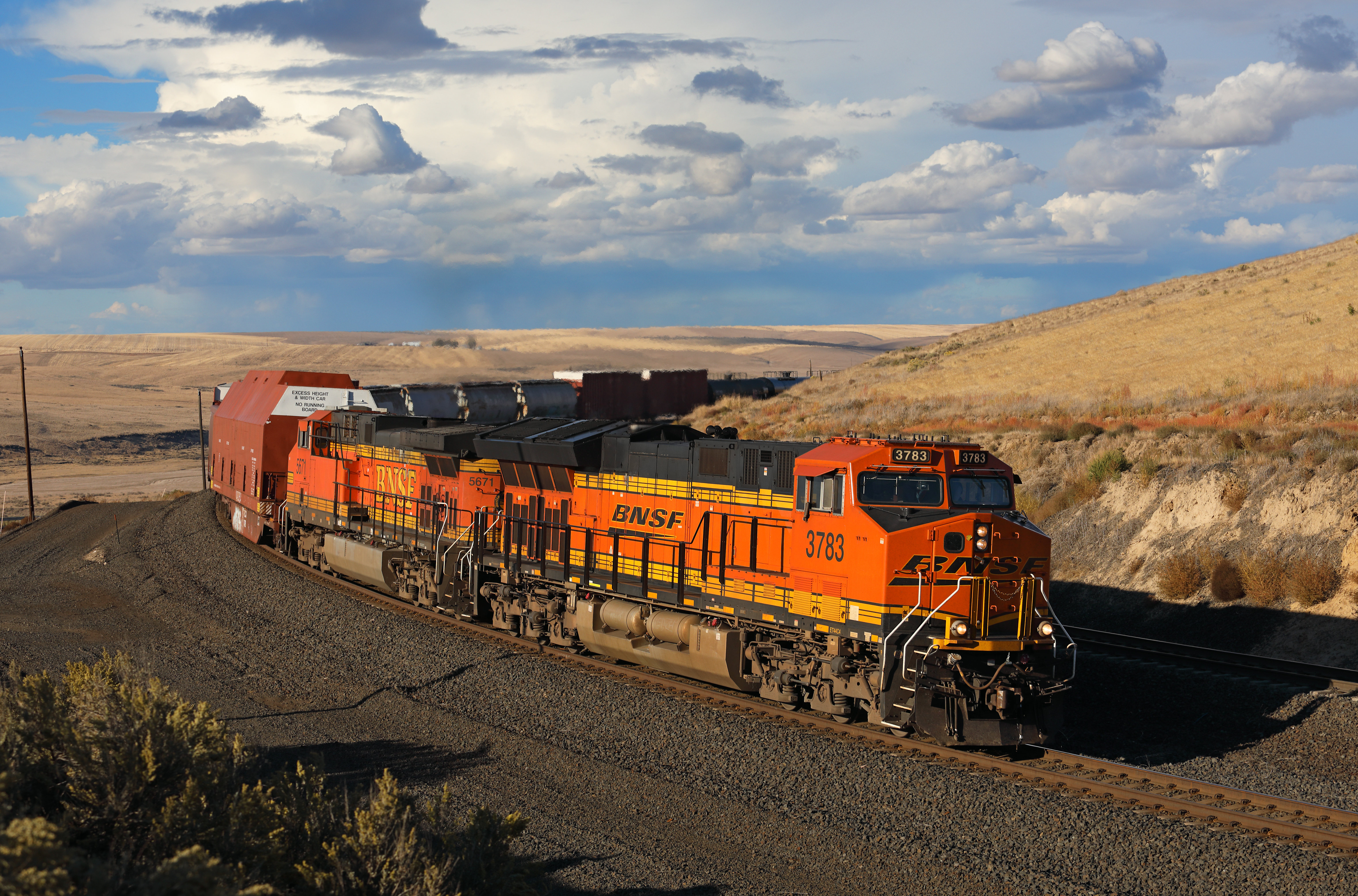 Late afternoon freight by Mike Danneman, on Flickr
Cheers, Ed
5 Likes
In this case, it was not practical to try to get a shot from the other side of the yard.
3 Likes
Where did you get that from? I was here in the 1970s, I don’t recall anyone in any of the train magazines saying the age of railroad photography had died and we were all going to quit because there’s no silver used in developing our photos anymore. Kodachrome slides were introduced in the 1930s, don’t recall anything about slides going to ruin in the 1970s either.
2 Likes
From back in the day…
3 Likes
Engine_1988:
I don’t think there is anything wrong with your photo. It is what you felt comfortable with.
But, the more skilled photographers tend to use the more true normal lenses, such as 90mm and 105mm for a 35mm full frame camera. True normal is what you see in a 105mm lens, and what you see through the lens is the same as what you see with your actual eyes!
Once you actually experience a true normal lens, you’ll hardly use your so-called 50-55mm normal lens. And no railroader or railfan is truly happy unless they have a wide angle lens.
Depending on your skill and photo ability, you’ll find yourselves returning to a rail site over and over again, to just get that perfect photo! Of course, if you are happy visiting a rail site once in a lifetime, you will still be happy with that!
2 Likes
wjstix:
In the late 1970’s I got into photography big time, even owning a Hasselblad with two lenses, two Nikon cameras, and a 4x5 view camera. I even became a follower of a rather famous photographer that didn’t mince words, named Fred Picker, and I learned of the silver crisis from him! Everything he preached and warned about photographically came true!
Eventually, I lost interest in photography, sold everything, got married, and raised a family. Then the TRAINS Forum came along many, many years ago.
You probably didn’t here about the silver crisis because photo shops were just interested in selling merchandise. Picker, on the other hand, was kind of an activist. Need I say more?
2 Likes
Perhaps…
But I consider the lens to be a more minor detail. I don’t even know what kind of lens is on my camera; just that it’s a cheap Chinese digital camera from Amazon. Oh, yeah, and it’s fixed focus! Now, going back to the yard, now that does happen. Often!
3 Likes
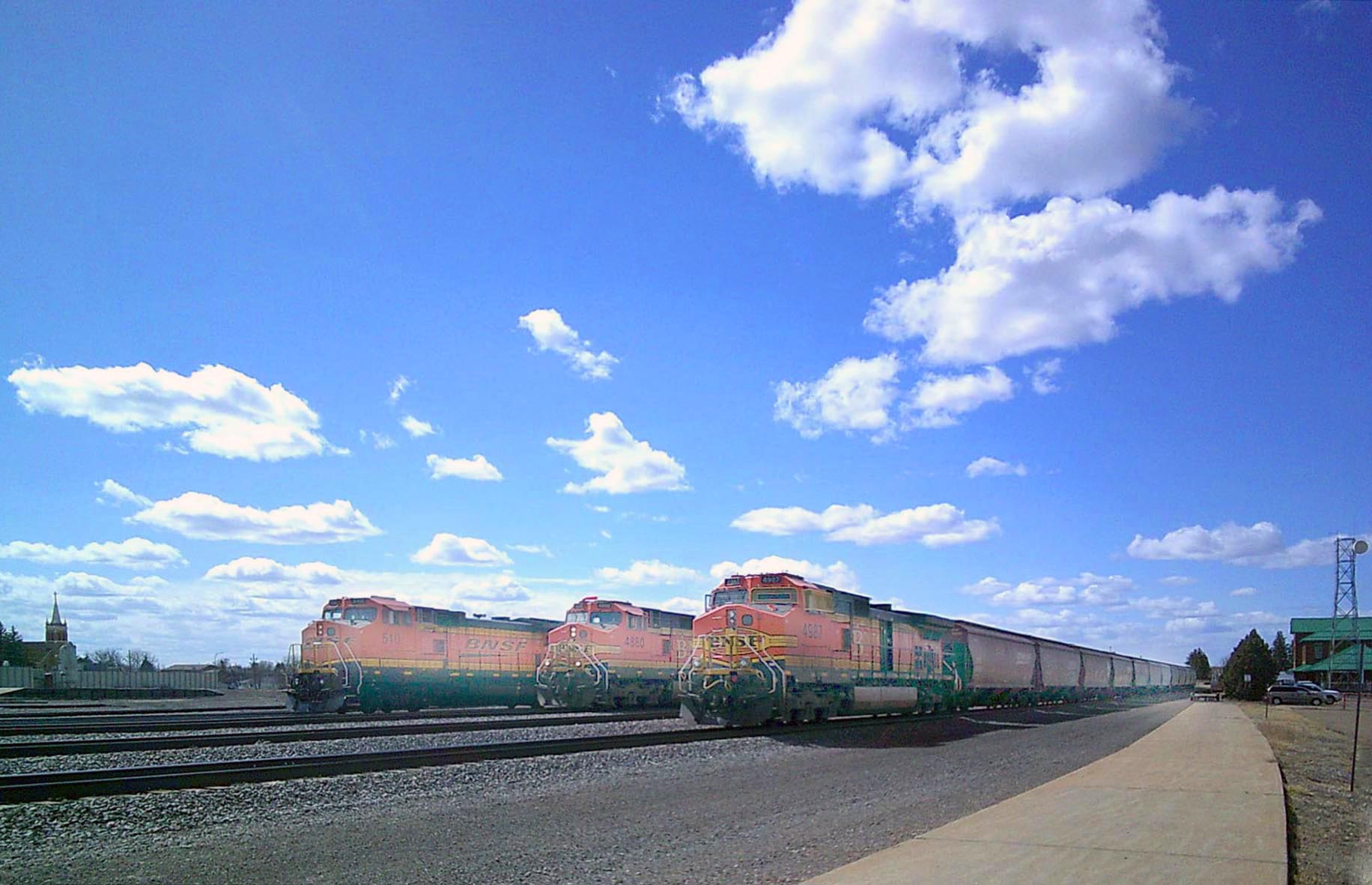
I don’t understand the quality of railway photography.
I tried editing Engine_1988’s photo in my own way.
2 Likes
Exactly.
2 Likes