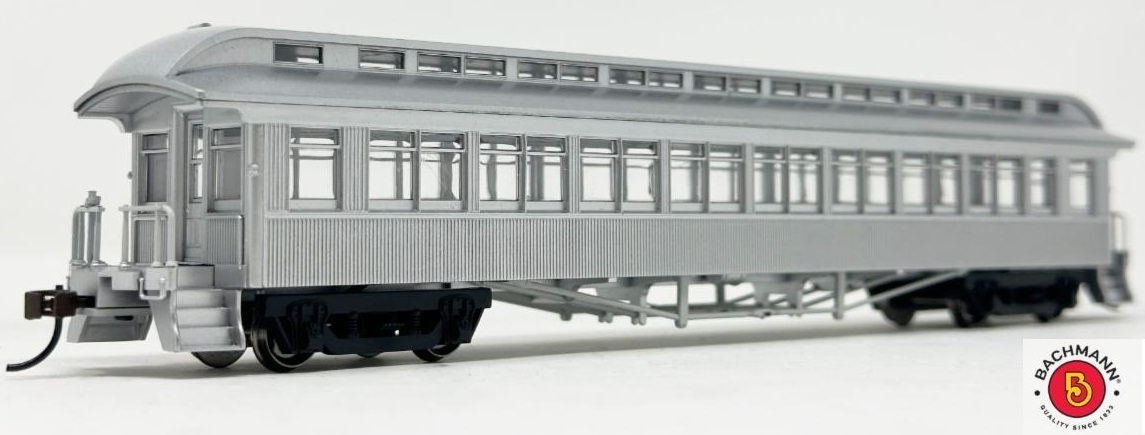
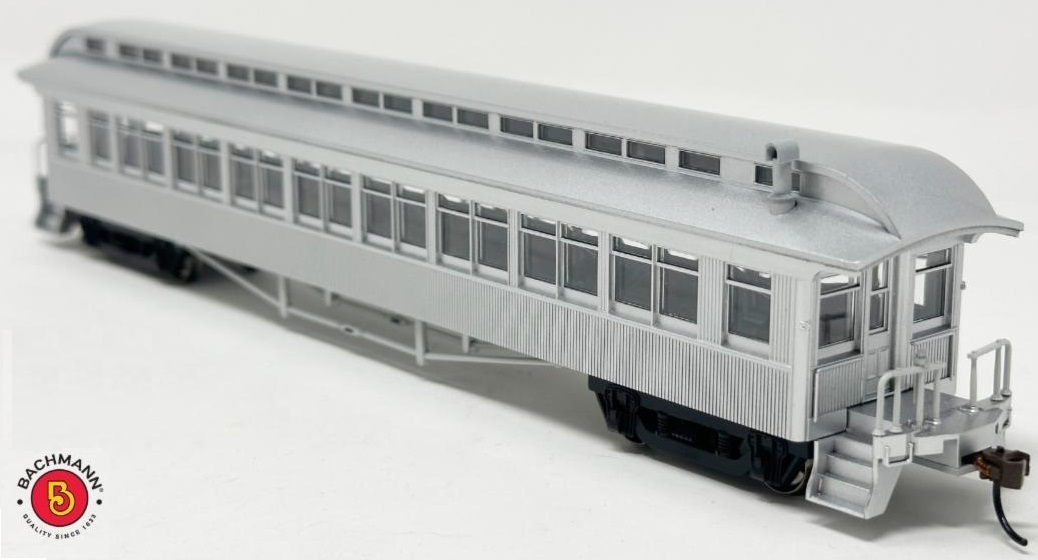
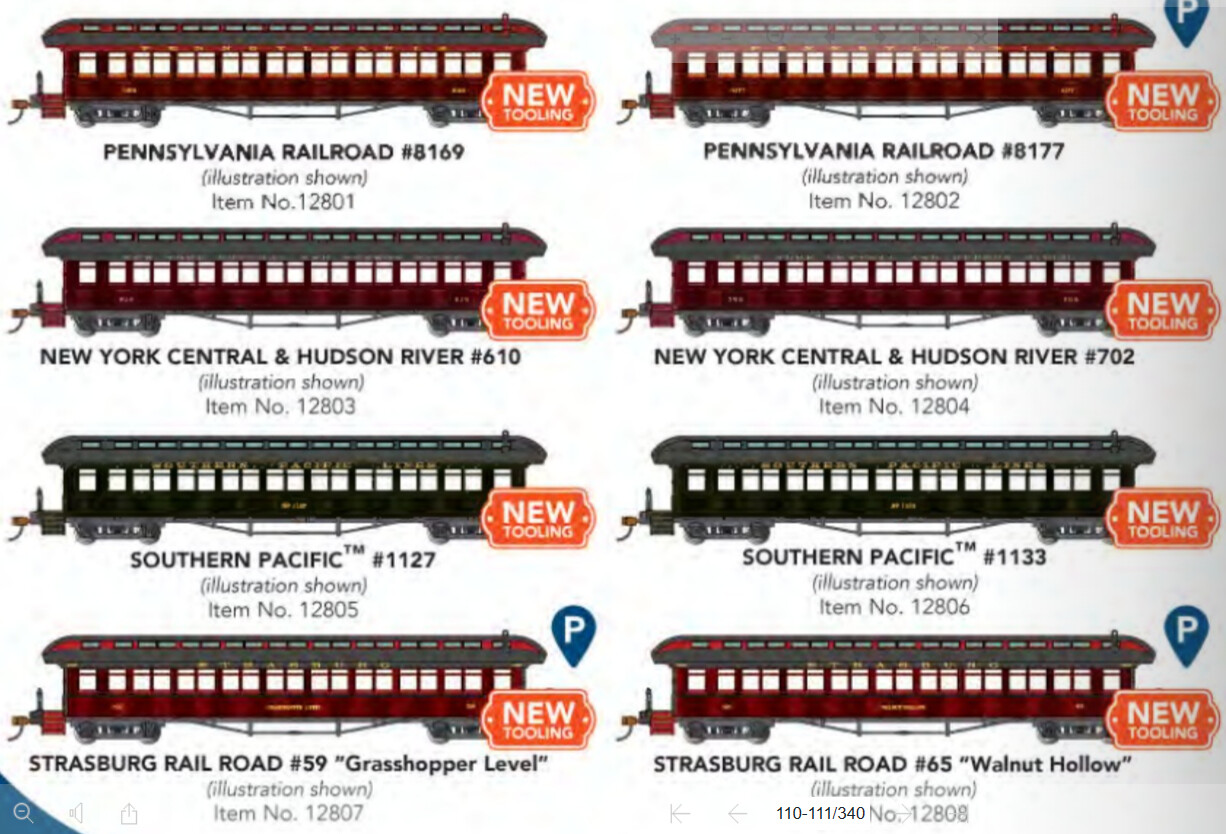
Bachmann’s promotional email said that they showed the first tooling sample of the passenger car at the recent Amherst Railroad Hobby Show. This looks like a good style.
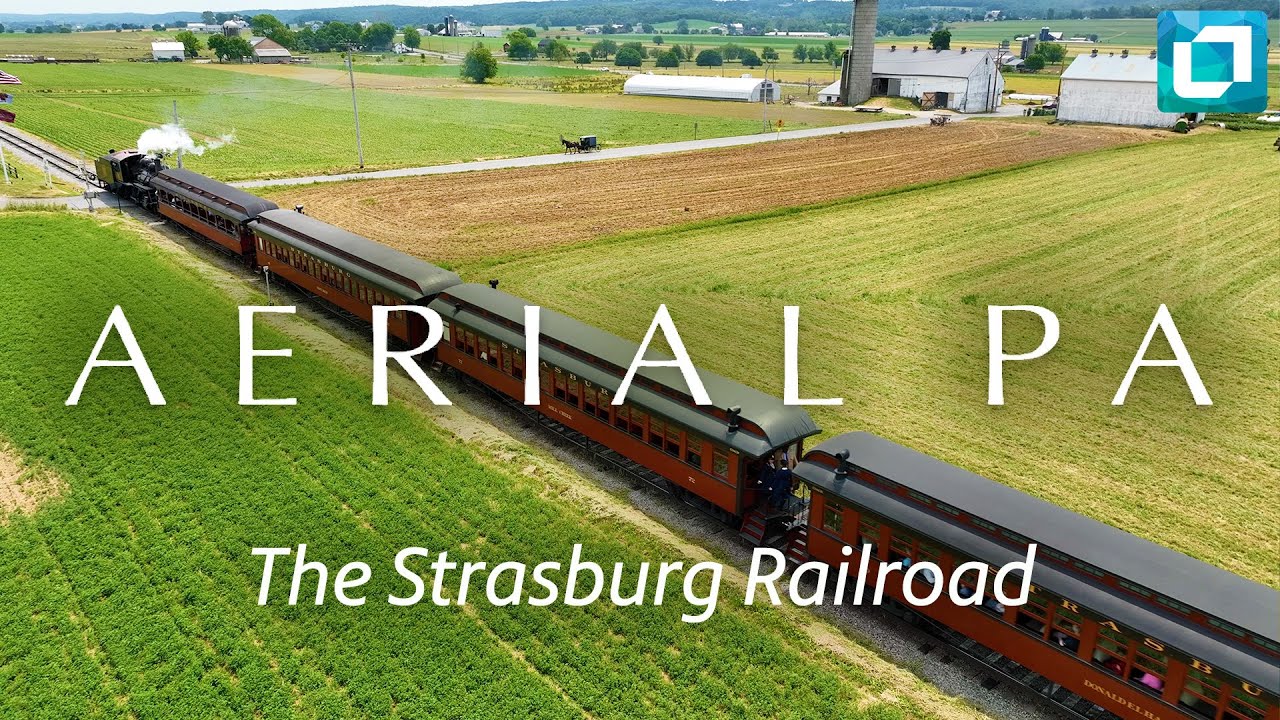
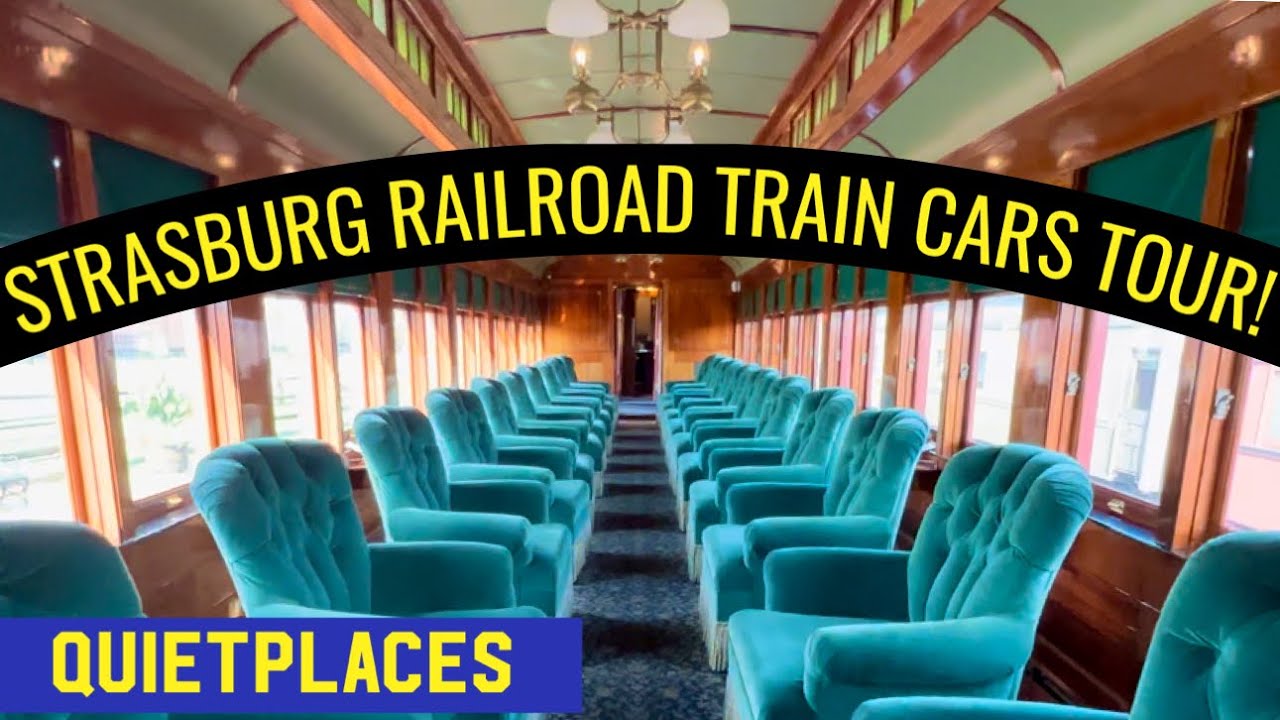
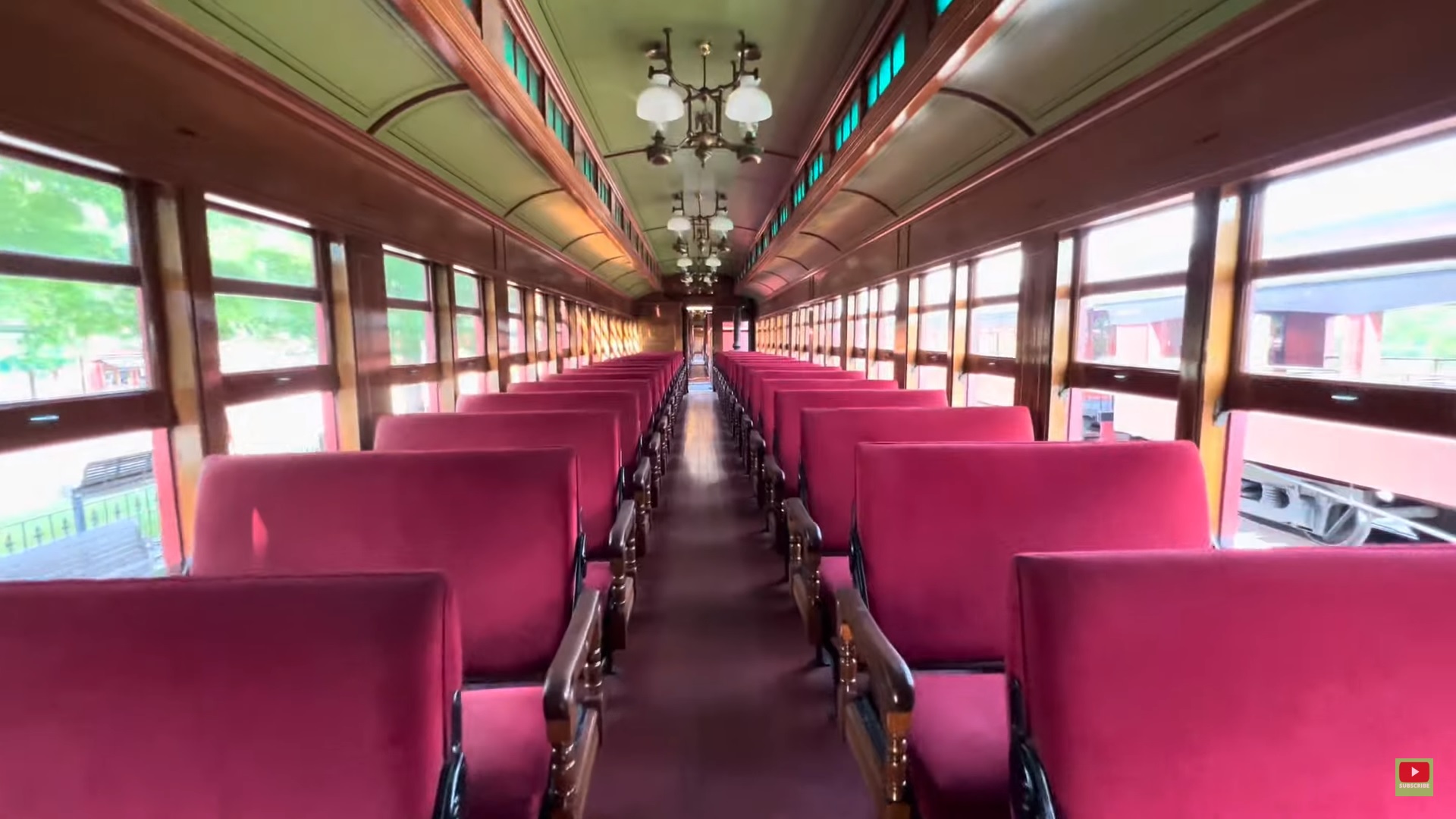
I watched two YouTube videos introducing the railroad and I thought the coaches had walkover seats.
I’m researching the history and structure of those seats (my blog posts). I’d be happy if you ride the train, could take a closer look at the seats and let me know details.
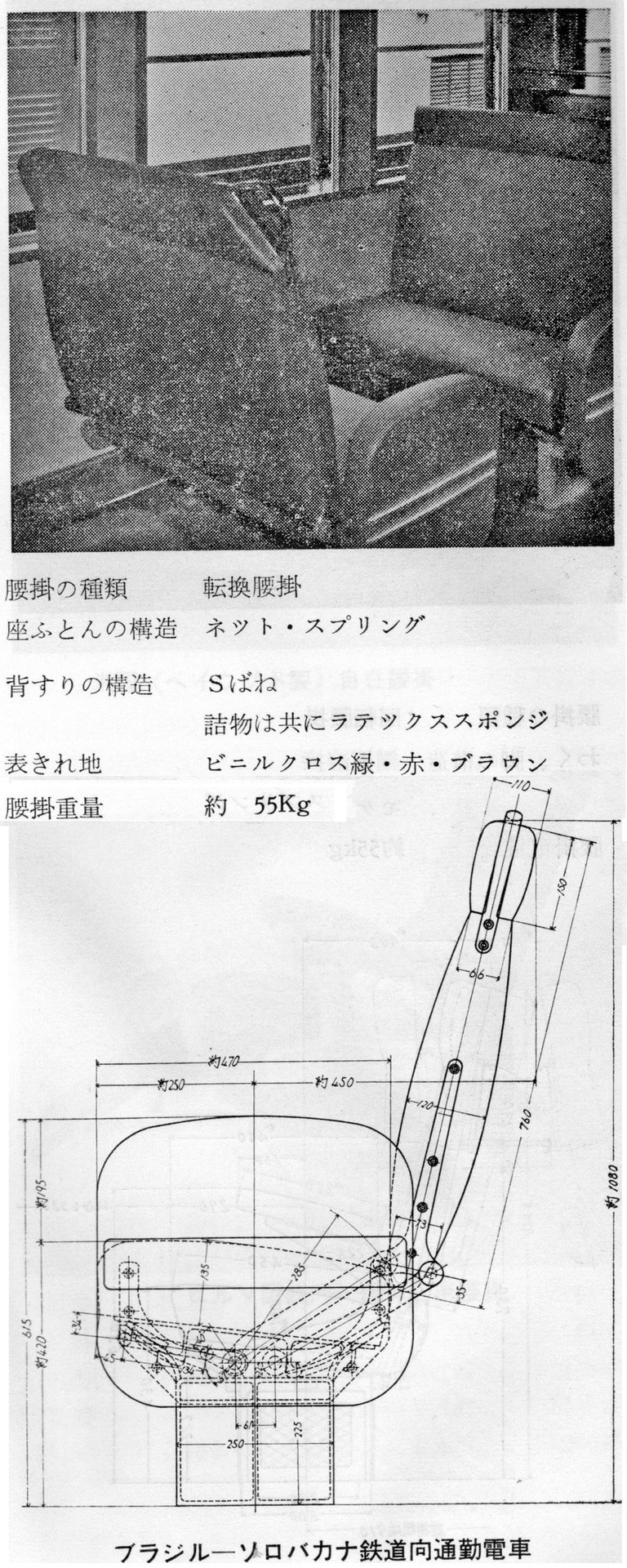
Two-link type Walkover Seat for export to Brazil, Sorocabana Railway Estrada de Ferro Sorocabana 1957 (Railway Rolling Stock Technology No. 70, Rail Car Industrial Design “Seats” published in 1961)
It would be hilarious if Bachmann made the seats movable.
Having been to the Strasburg Rail Road 40 or 50 times in my 67 years, I can assure you the coaches do have walkover seats. They were very common on US railroads in that era.
Thank you for your comment, Sheldon. I was a bit skeptical because the seat backs didn’t have handles.
According to my research, a primitive version appeared in the US in the 1830s. British and Austrian railway experts reported being impressed. Since then, many improvements were made, and I believe the perfection was reached in the early 1910s.
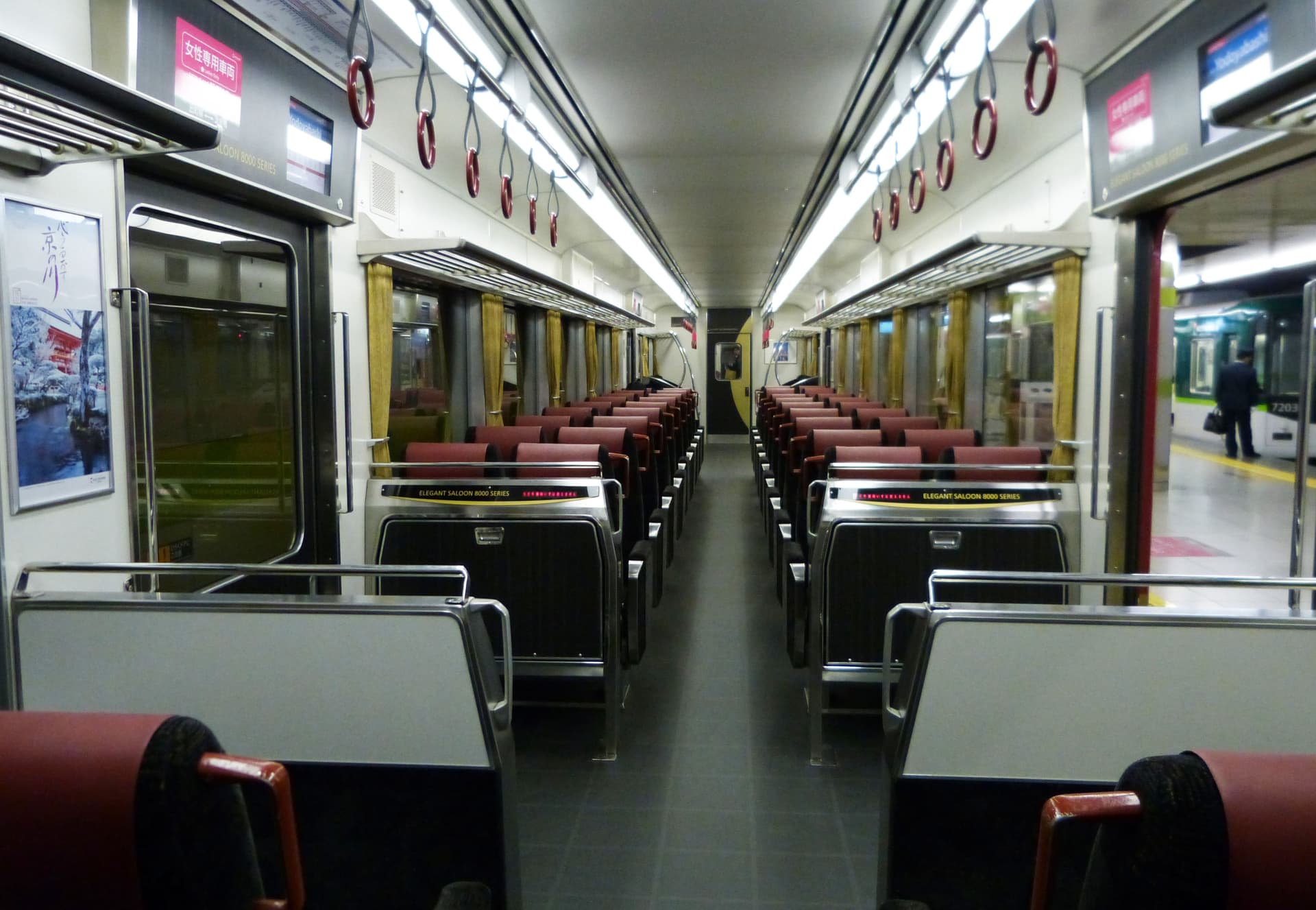
This two-link system is very comfortable despite its simple structure. It was introduced in the 1930s on the Japanese interburban that I was involved with, and is still in use today after being updated several times. Sixteen eight-car rapid trains run every 12-15 minutes on a 30-mile stretch. All of the seat backs are automatically flipped over at the same time at both terminuses. It’s a spectacular sight. (Image source)
Flipping the seats? Here in the U.K. they were done manually. By doing so a family of four could see each other. If a passenger wanted to look forward or back could do so at the flip of the seat.
Oh boy, does this bring back memories. When I first worked in downtown Chicago, I rode the Illinois Central commuter train, heavyweight coaches, wicker seats, windows that opened, steam heat, no air conditioning. During the “rush hour”, the conductor had no time to reverse the seats so we did so ourselves. As the first passengers would hustle through the cars, they would reverse the seats themselves, using both left and right hands as they moved through the cars. Fun stuff!
At Strasburg the train ride is 45 minutes round trip. The trains run on the hour. So 15 minutes to disembark, conductors flip the seats and check the cars, passengers board.
And then you are welcome to flip seats into quads for your party.
In the busiest season, trains run every 1/2 hour, and the two train pass each other at a siding that is about half way. That siding is also a picnic area where you can get off, have a picnic, and get back on a later train.
It is thought to be the last place on earth were a regularly scheduled steam train pass another regularly scheduled steam train.
Strasburg runs on a regular schedule, nearly all year. Trains run regardless of ticket sales and multiple runs are made every day. In winter the schedule drops back to weekends and special events and I think February is pretty much shut down. But otherwise it just runs like a regular railroad in the day.
They also move freight from NS to their team track for local industries.
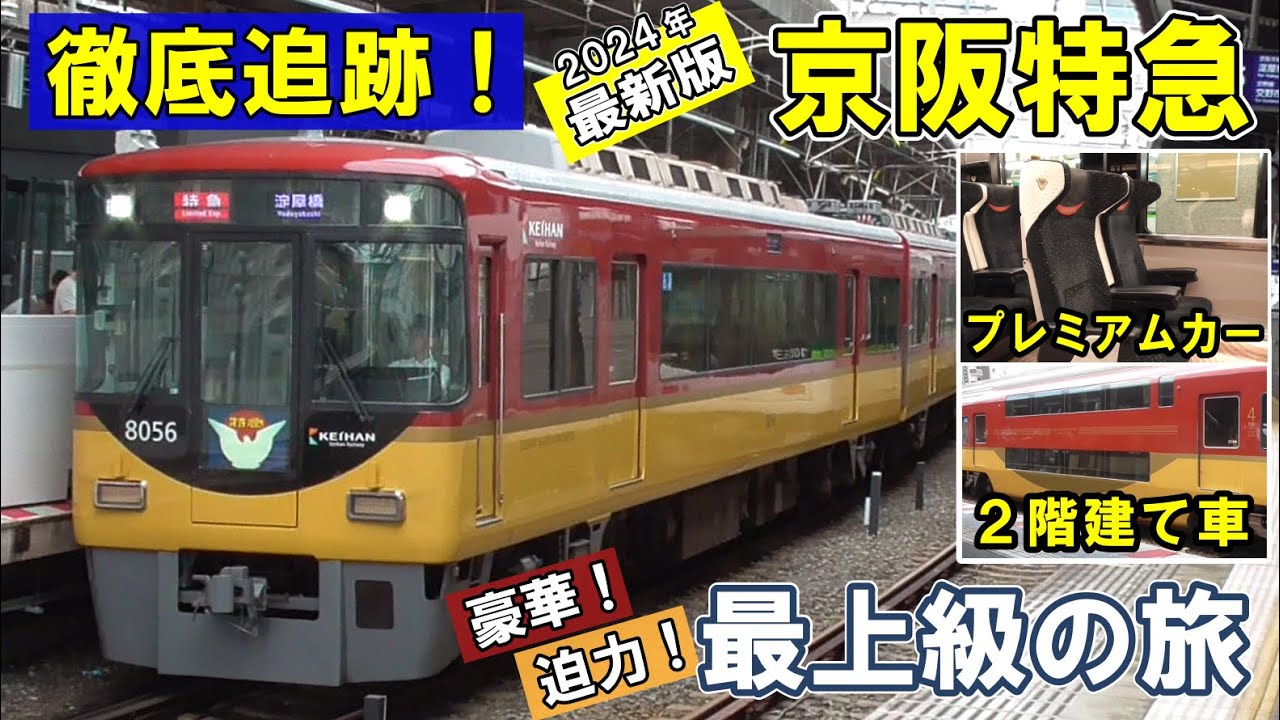
As everyone has said, it’s fun that these seats can be freely switched manually. Of course, Japanese seats can be switched as well. However, I think it’s impossible for foreigners to understand the way these trains are operated. The trains in the photo are particularly unique.
They are the Keihan Electric Railway’s 8000 series (main: Wikipedia) and 3000 series (sub) EMUs. I was the plan-director of the 8000 series coach cars (built in 1989-1990). In the mid-2000s, the nature of the trains began to change, and they were extensively remodeled in 2010-2012, but my ideas still remain in many parts. If you come to Japan, please try riding one. They probably have about 5-6 more years of life left. The seat flip scene will be shown 50 seconds into the following video:
I had the pleasure of visiting Japan last year, but I’m sorry to say I didn’t think to catch a ride on the Keihan Electric Railway. I guess I’ll have to go back!
Part of the problem with the video is that the length of the seats is exaggerated. The cushions are nowhere near as long as they appear.
Most of the walkover seats I can remember were padded (or rattan-finished) on both ‘backs’, and the backs were just pushed ‘from behind’ to reverse them – no handles.
The parlor car ‘armchairs’ don’t reverse – they are on swivel bases with detents, and are just turned to face the direction desired. Again, there is one car where they are faced inward, the way those sofas are, and the distortion makes them look too wide to swivel at a 45-degree angle.
When the Sleepy Hollow chair-car seats were introduced, they pivoted to reverse… extendable leg rests and all. Ed will have drawings, perhaps from the Car Builder’s Cyc, that show the mechanism details. The reclining mechanism in the ‘bucket’ seat backs doesn’t have (or need) walkover.