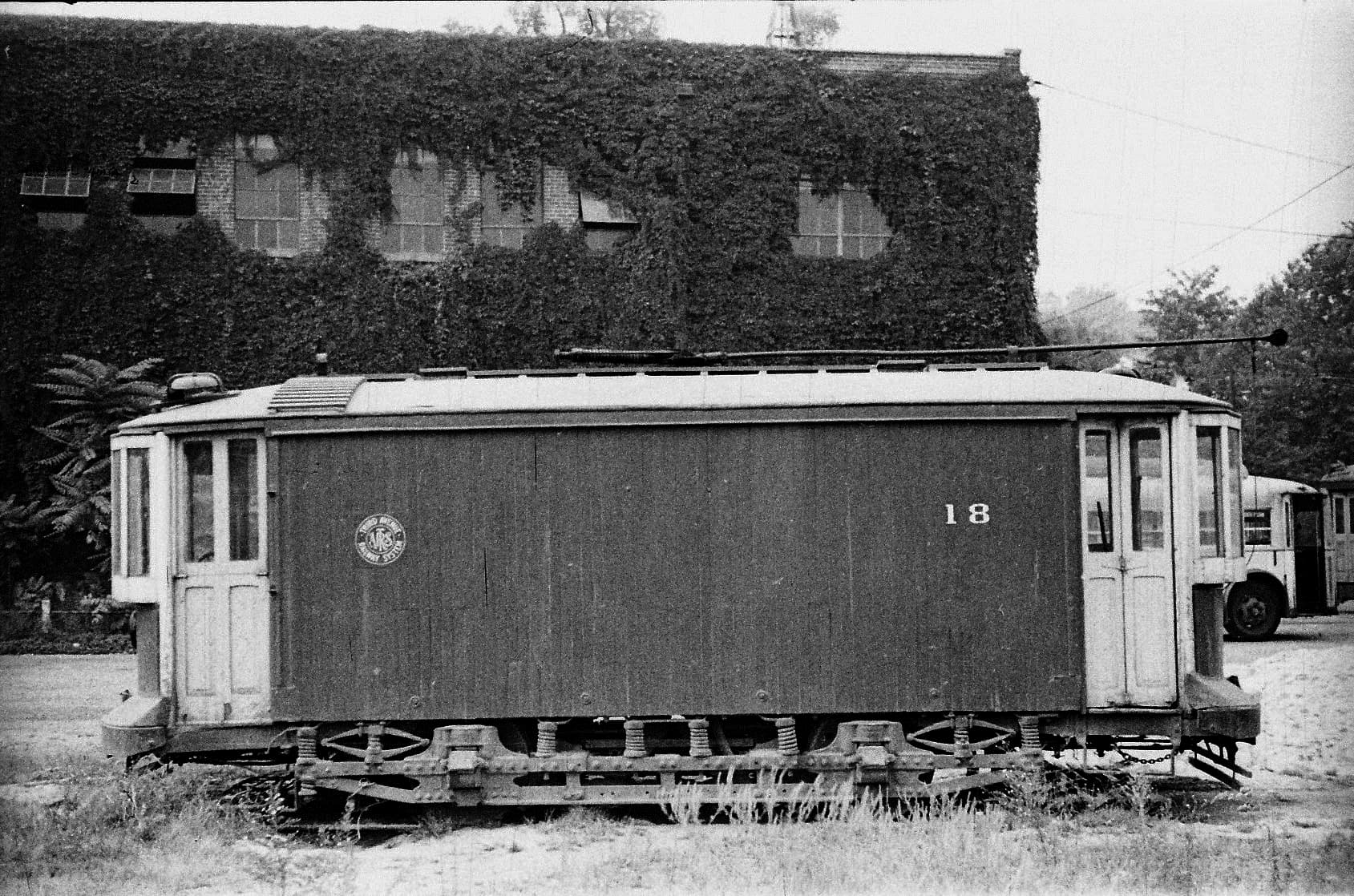
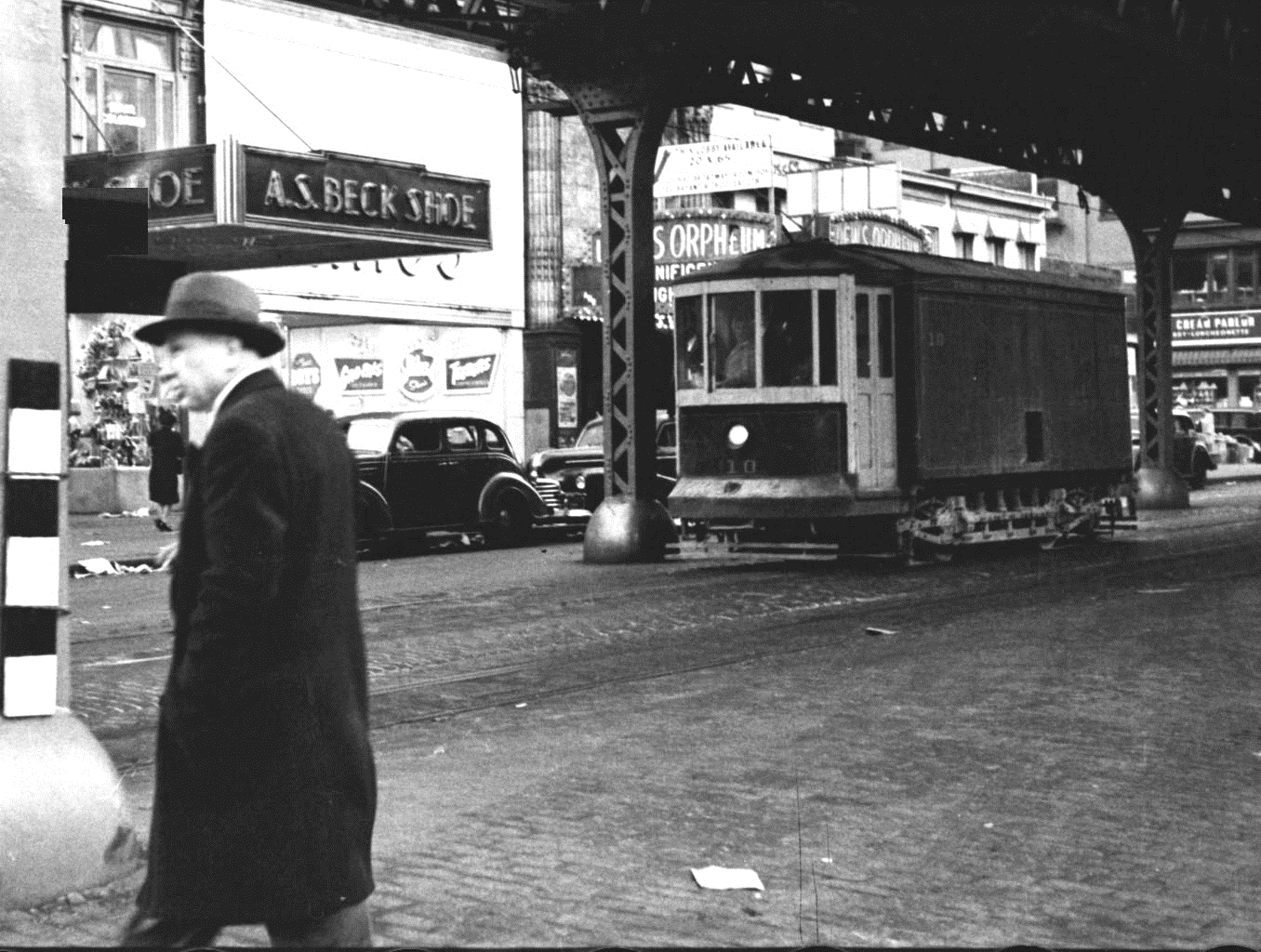
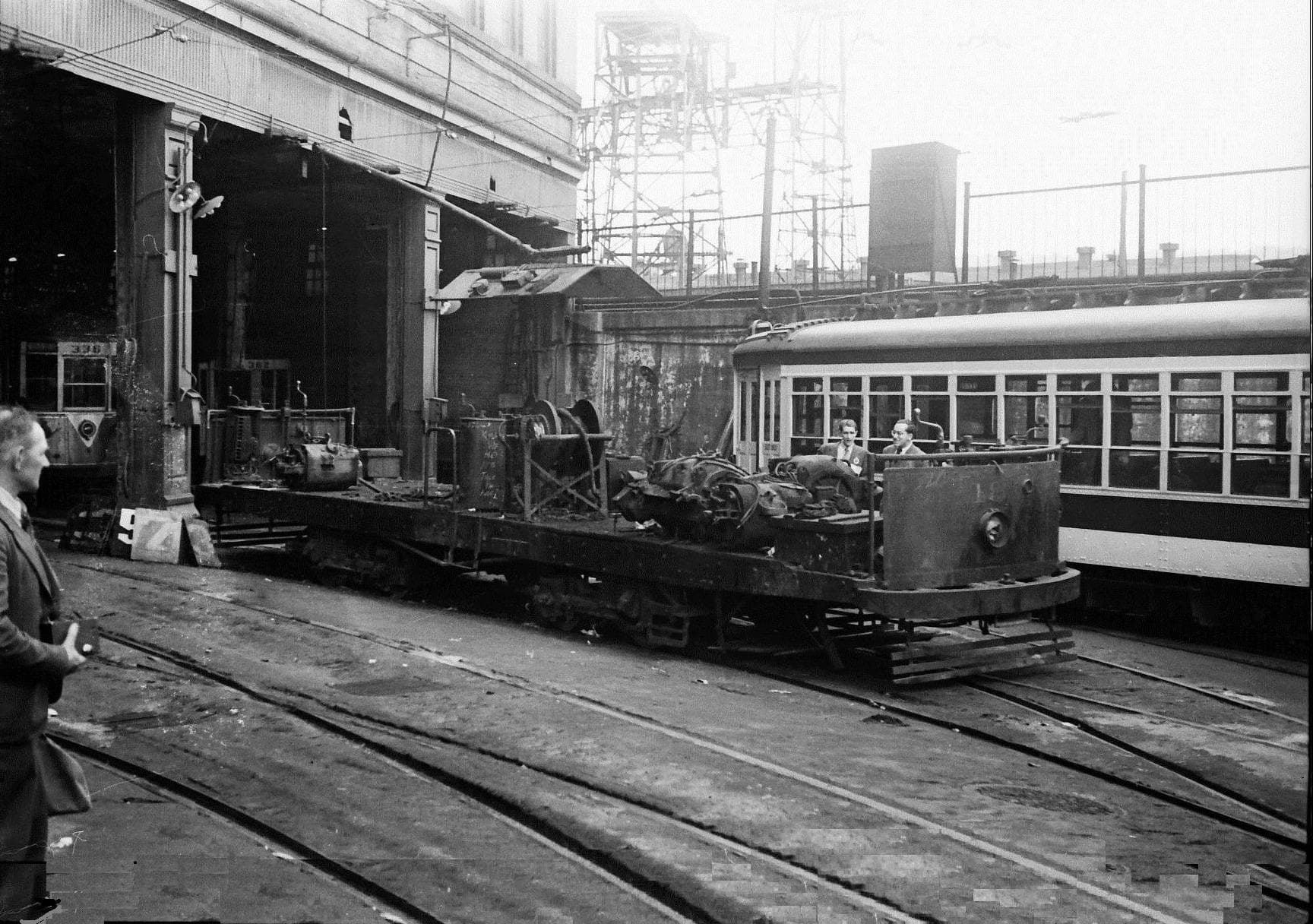
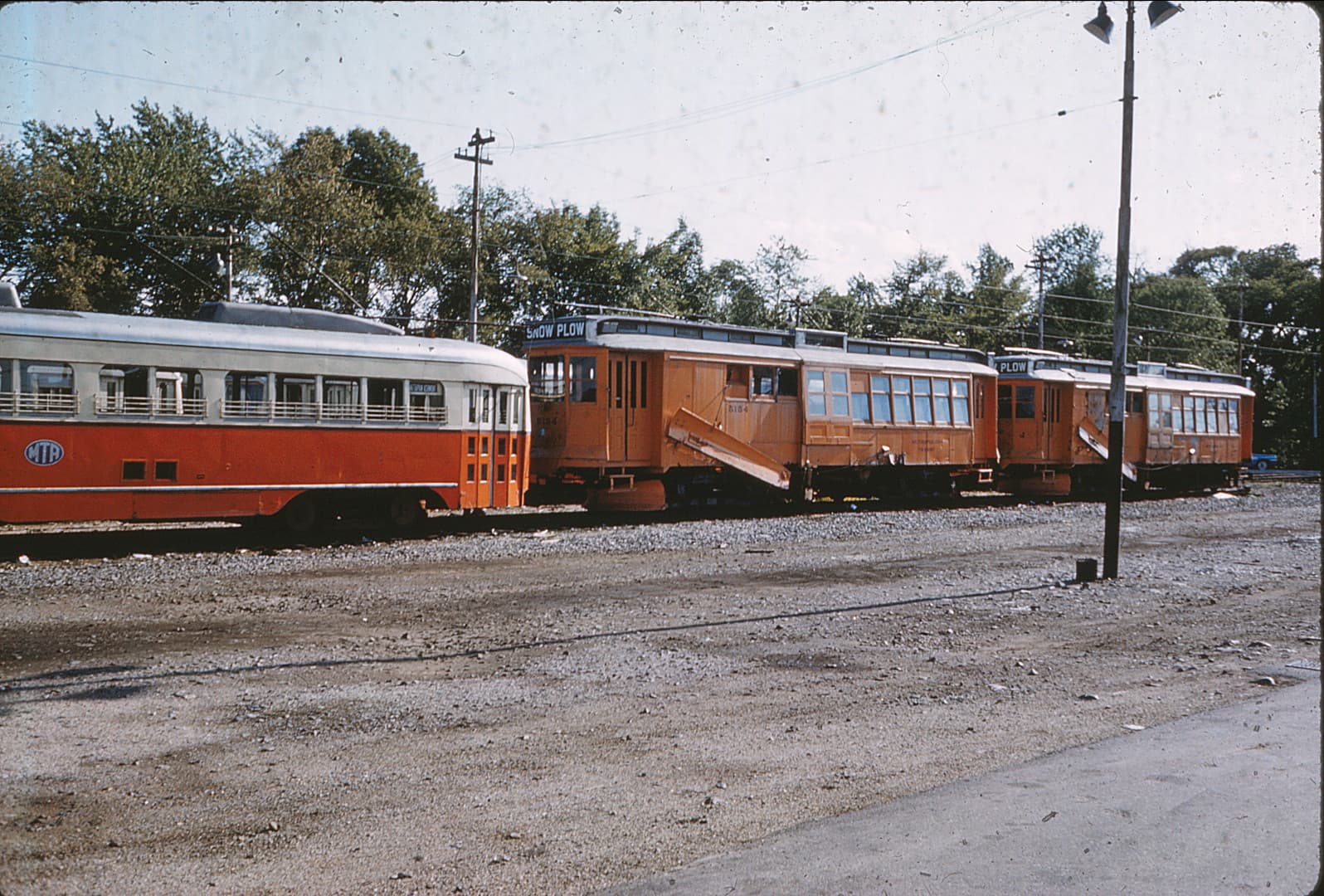
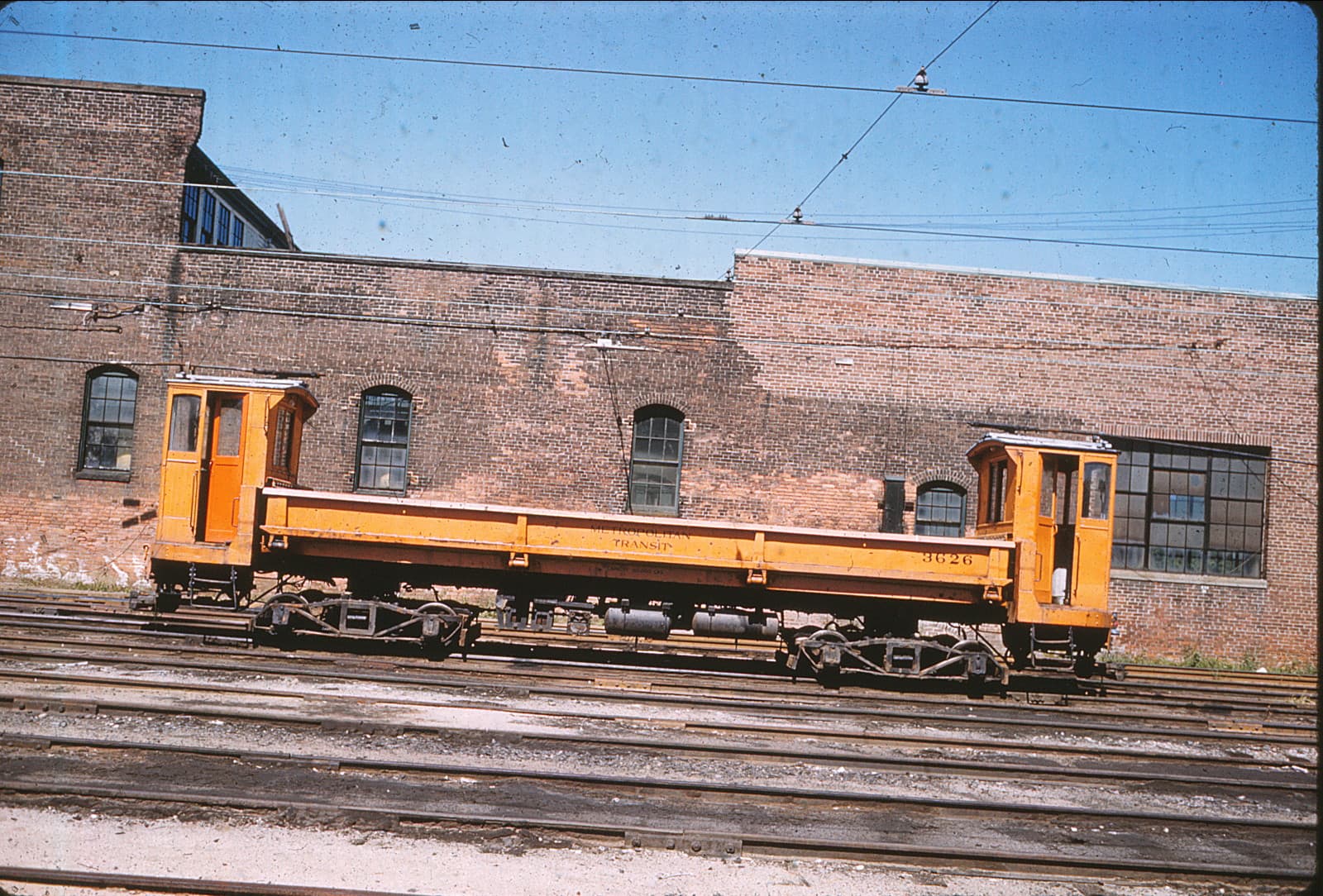
This duplicatreswc a preceding post, but the website fails to deliver it inless I search throughball existing files, far too tjme consuming. Tt it prodece a Bachman streetcar Work equipment model thread, in the Model Railroader Forum, not what I asked for. So here are the pictures I wished to post, taken at Riverside, the Boston ex-NYCentrasl Highland commuter line, also the location of the picture window PCCs if you can finf that thread.
![image|690x467]
3 Likes
Not a picture-window PCC in the first picture, and if there is a third picture it hasn’t uploaded correctly yet.
Ashmont line?
2 Likes
The picture window PCCs are probably in a thread on the Cklassic Trains Forum. Does everyone recignize the cinvertedv passebger equipment as snow-plows?
1 Like
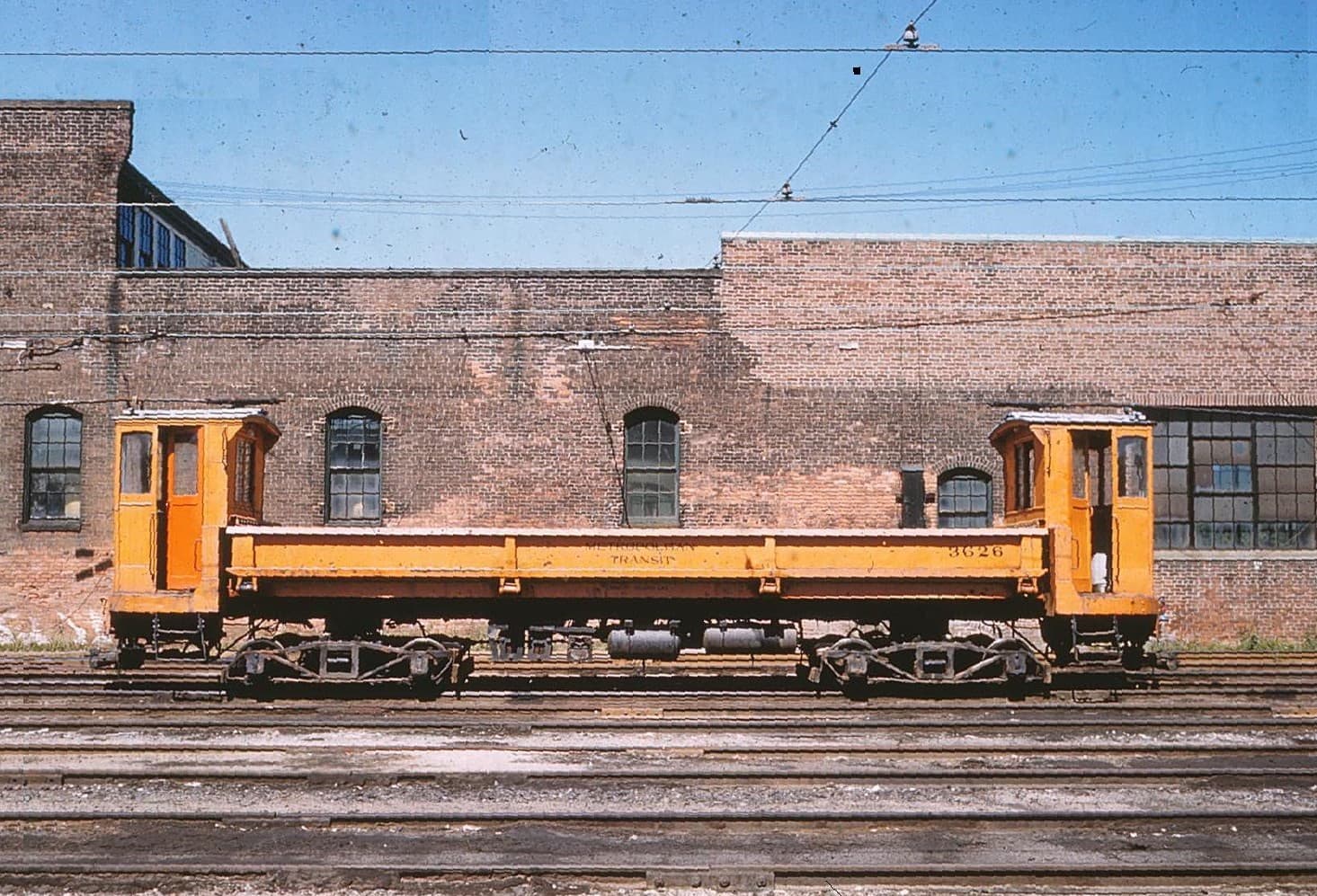
The snowplows are rebuilds from Type 3 streetcars. Car closest to the PCC is 5154, the number on the other one is obscured. 5154 was received by Seashore Trolley Museum from the T in deteriorated condition in 1974. Though some work was done to the car on and off in the '70s and 80s it was never considered operable. It is stored in one of the barns. 3626 (now painted green) was received by Seashore in 2007. Cosmetically restored, it now graces the front entrance to the Museum.
2 Likes
A logistics ptroblem presented itself,and posting of some Third Avenue Trsnsit equipment photos must wait untilSunday or Monday..
A logistic problem presented itself,
1 Like
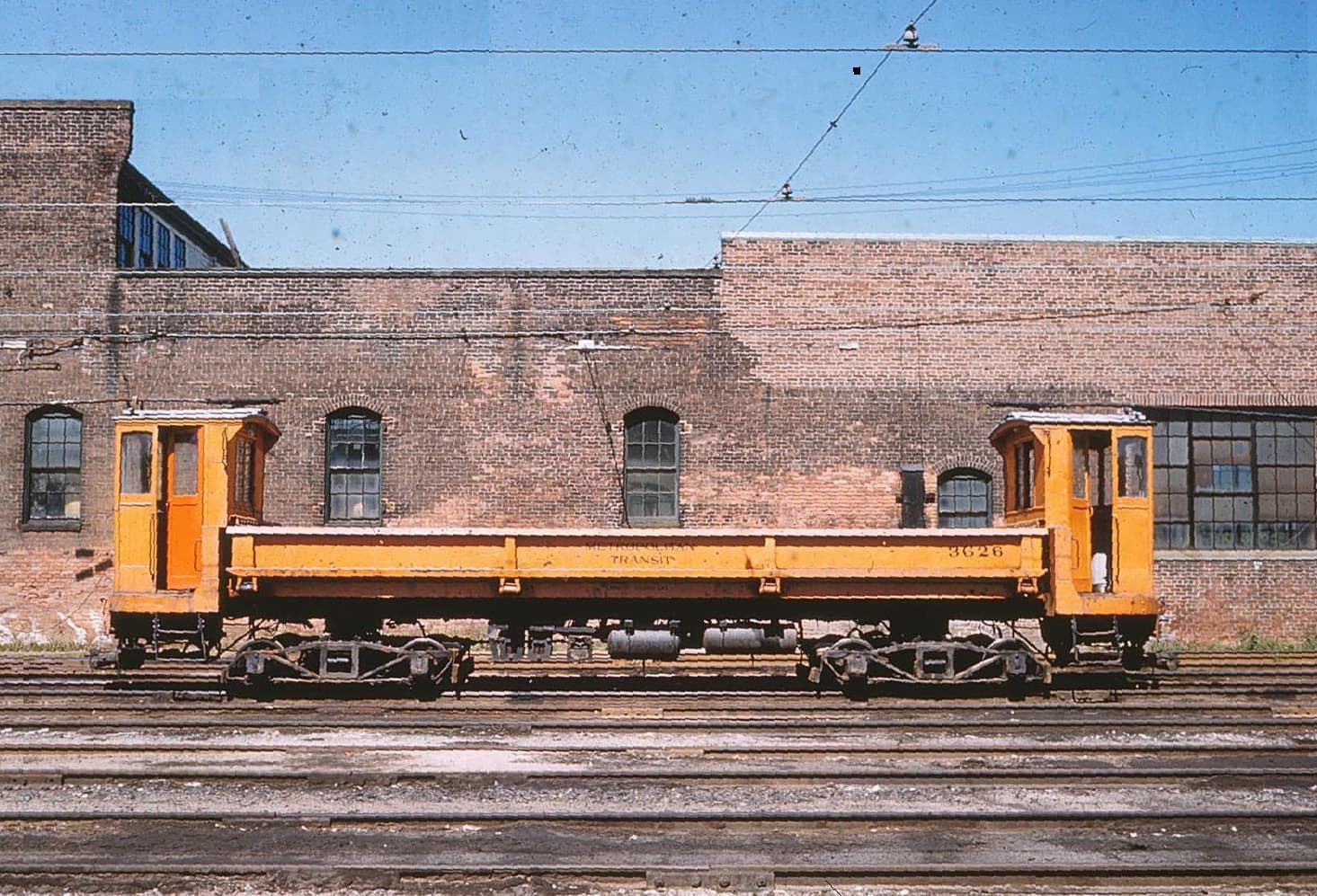
When you see this dreadnaught coming toward you — you get out of the WAY!
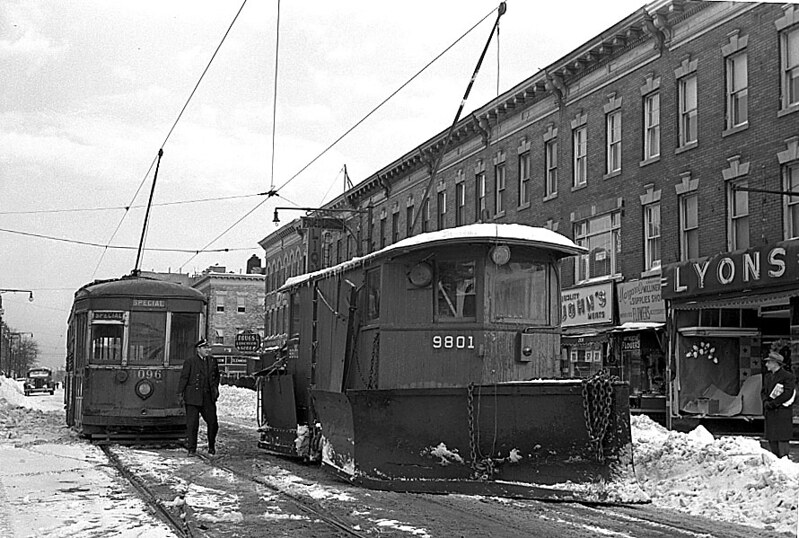 374c-9801-NostrandAv@FlatbushAv-Dec.29-1947 by Ed Doyle, on Flickr
A Rail Grinder. I imagine not many lines could afford one of these?
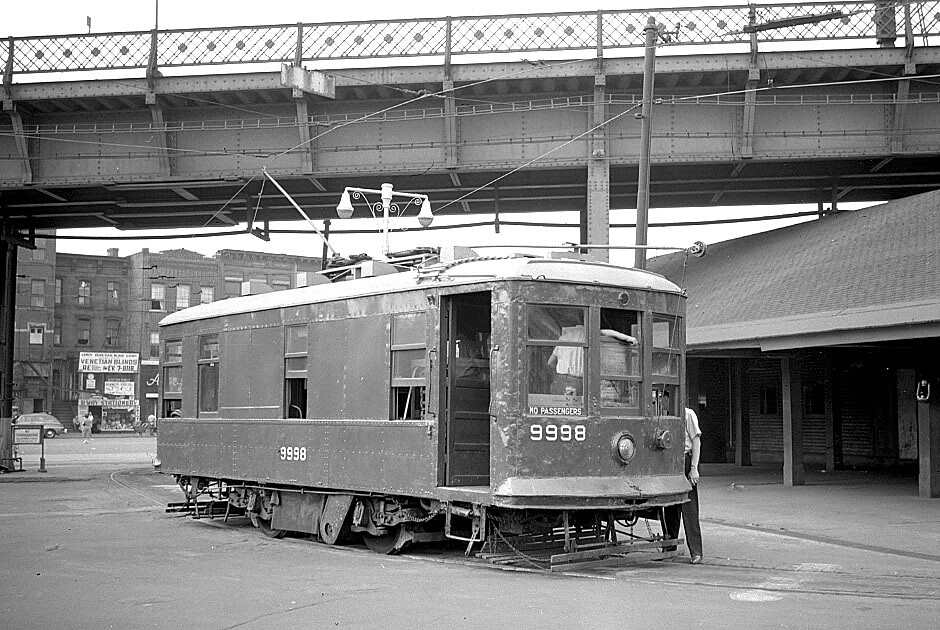 074a-9998-RailGrinder-WmbgBrPlz-08.20.1947 by Ed Doyle, on Flickr
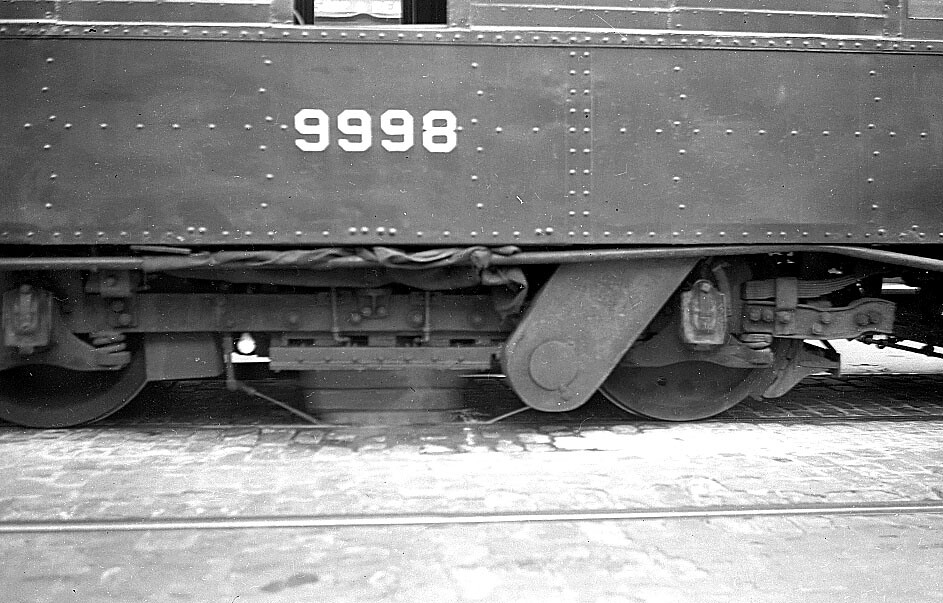 096c-9998-RailGrinder-RogersAv@TildenAv-09.03.1947 by Ed Doyle, on Flickr
Regards, Ed
3 Likes
Boston had (iirc) a couple rail grinder cars that were rebuilt from 1890s era ~25 foot closed cars. Two are currently kicking around in storage at Seashore Trolley Museum in Maine.
-El
1 Like
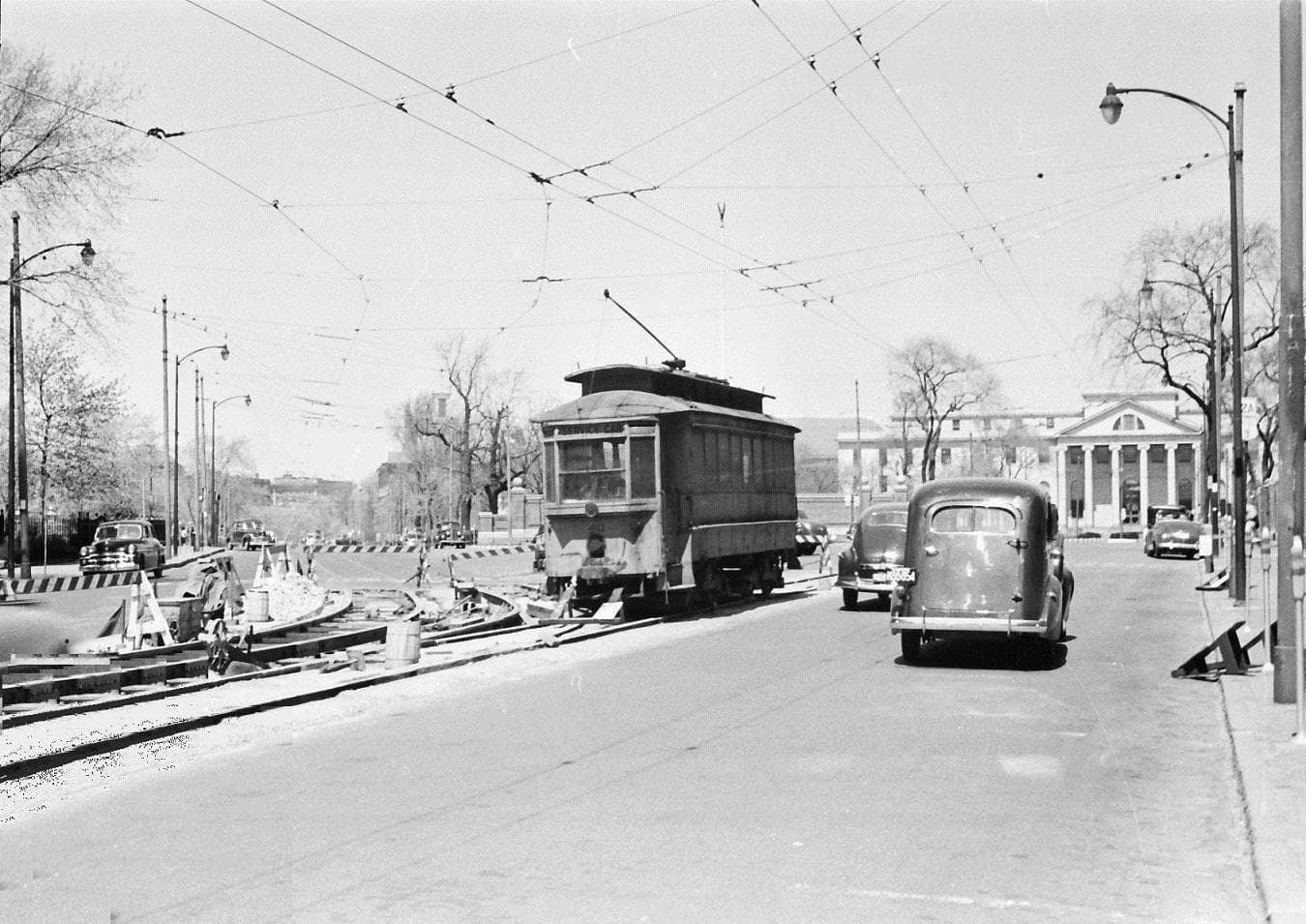
Here is one of the two, around 1960, working on the “change-ends” track for the Type 5s running from Watertown and Belmont to Harvard Square, without continuing to North Cambridge or Arlington Heights. Formerly also Harvard Square bypass-the-tunnel tracks and connection to the Massachusetts Avenue Line to MIT and Massachusetts Station, Boston.
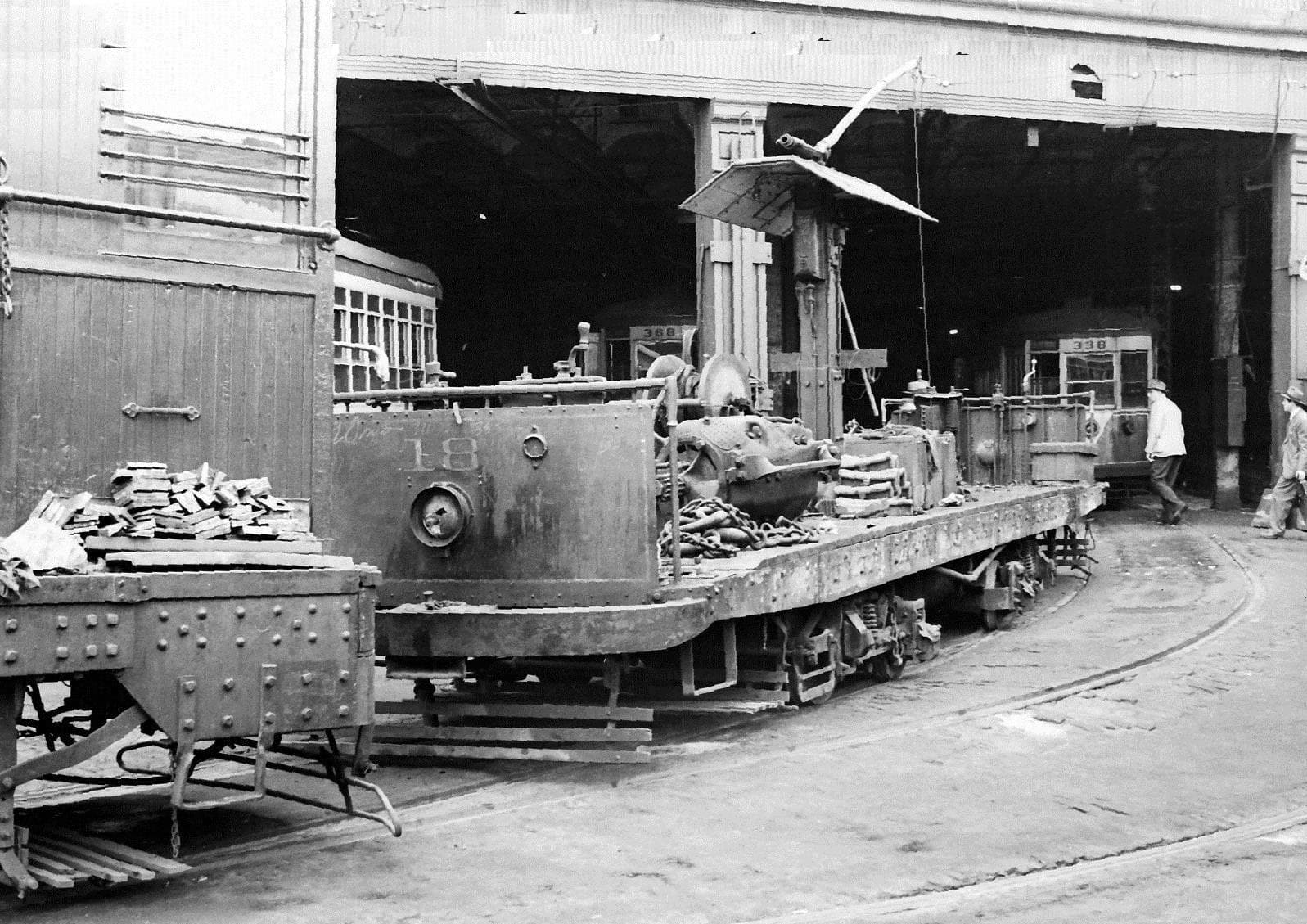
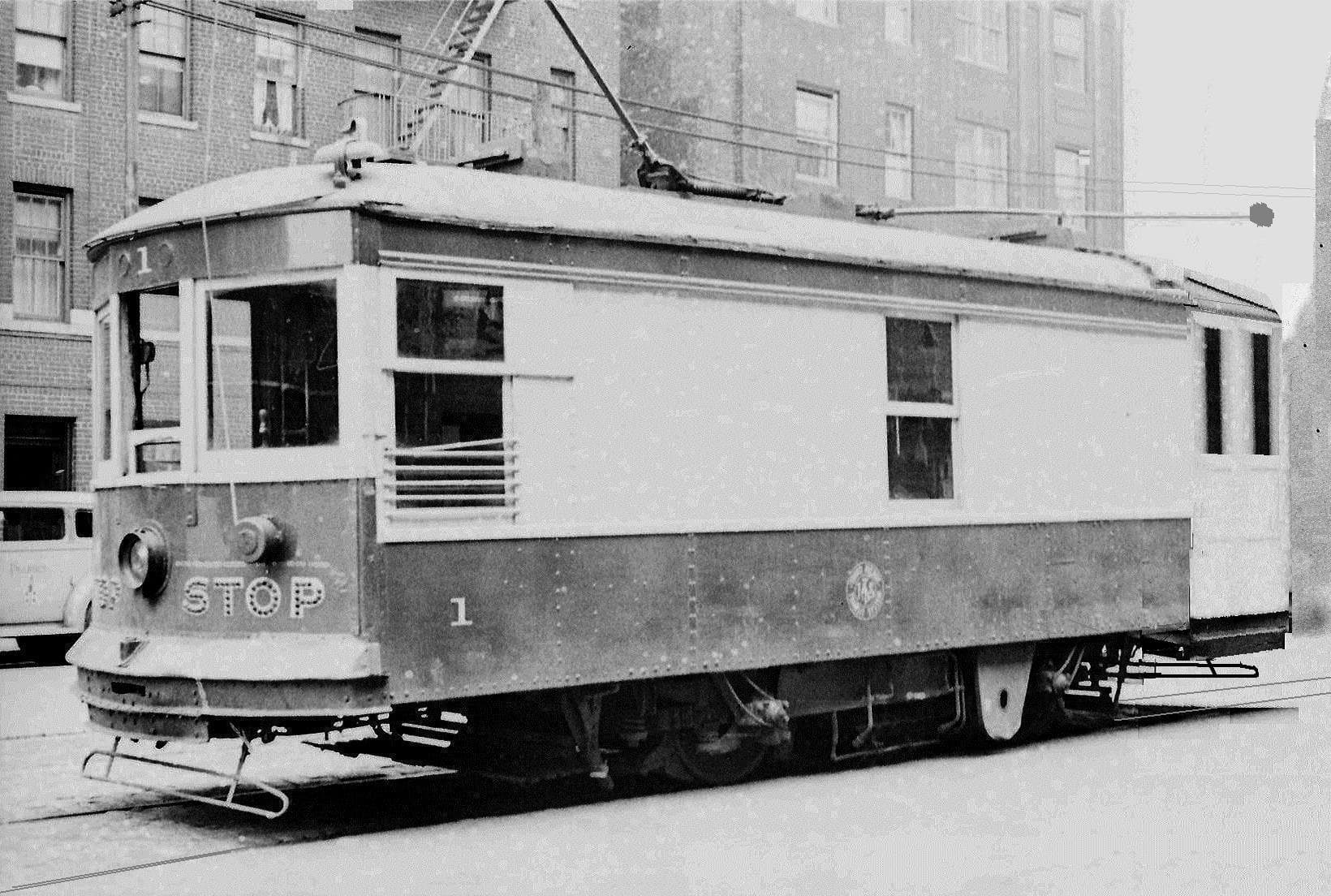
And here is Third Avenue Transit’s ex-Birney rail-grinder, practically identicle to the Brooklyn car, except for the addition of wiring and plow-carrier for conduit operation.
1 Like
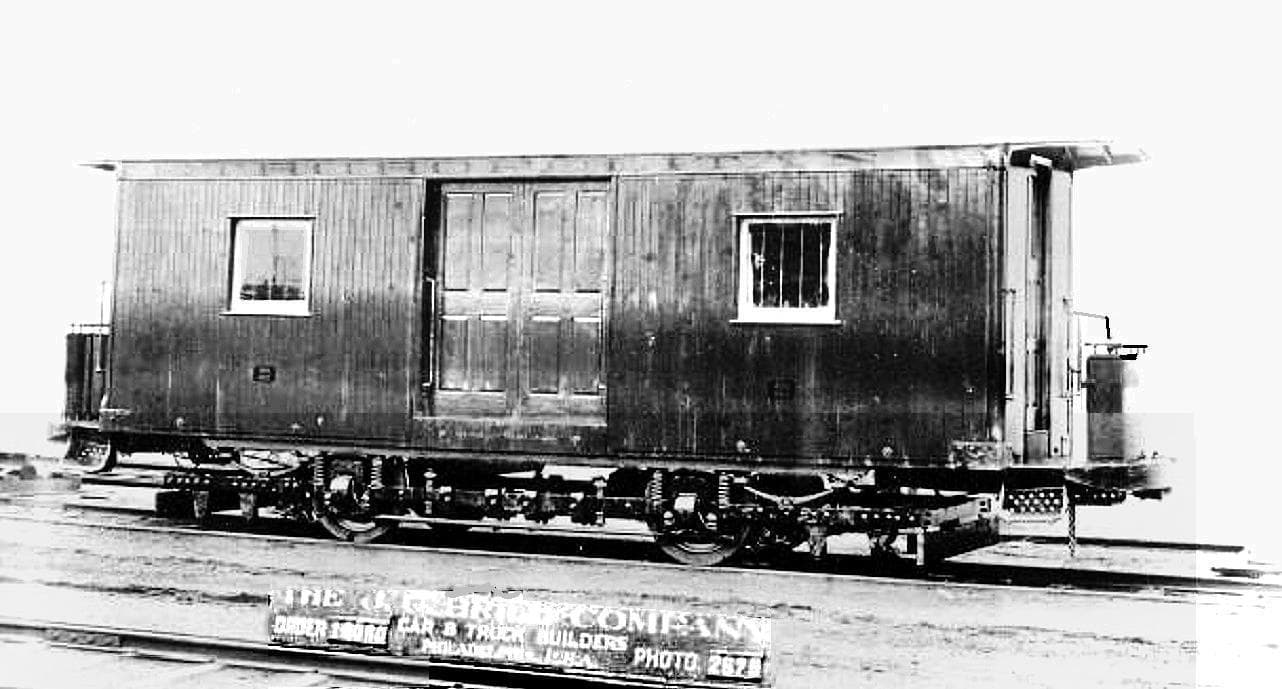
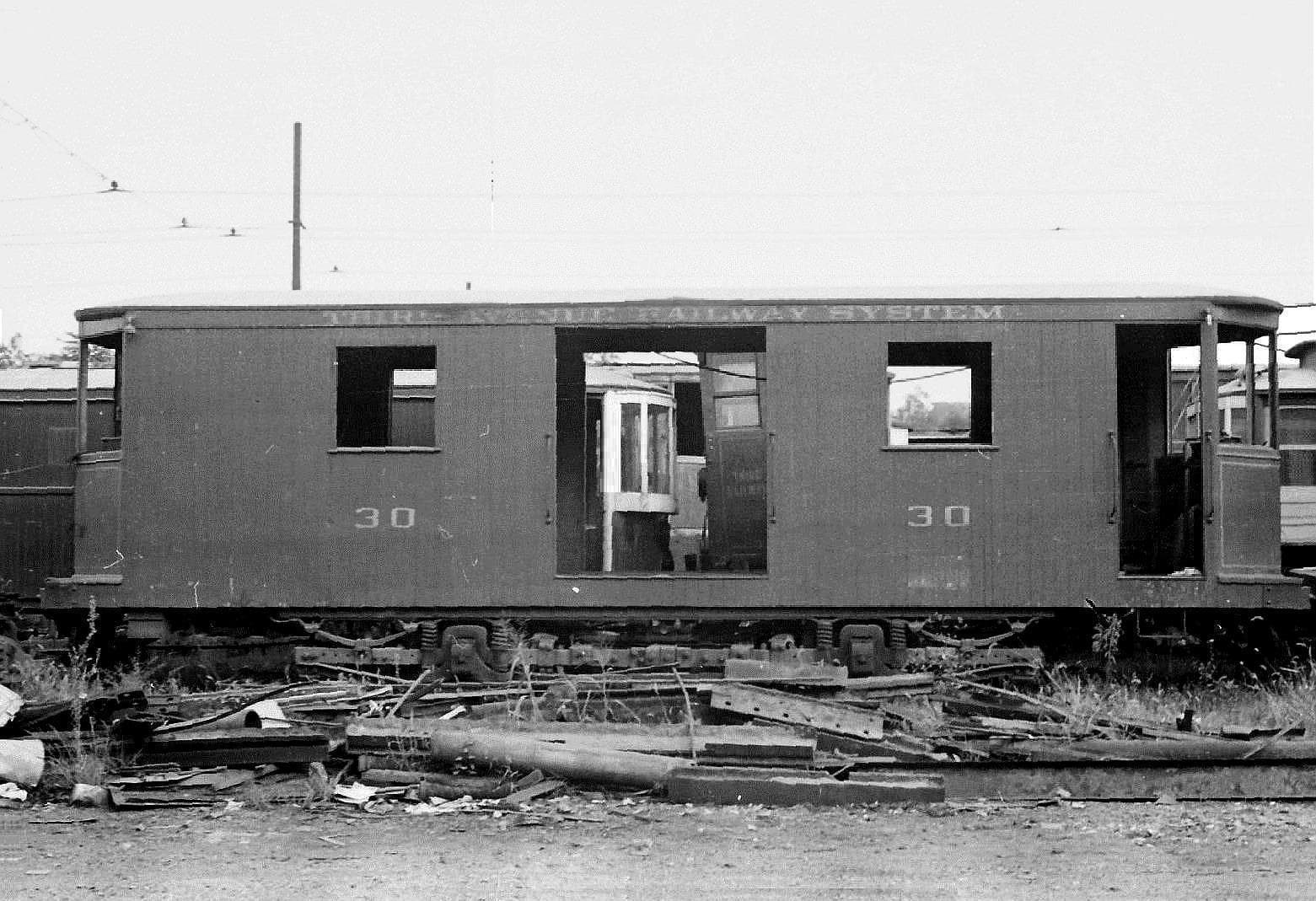
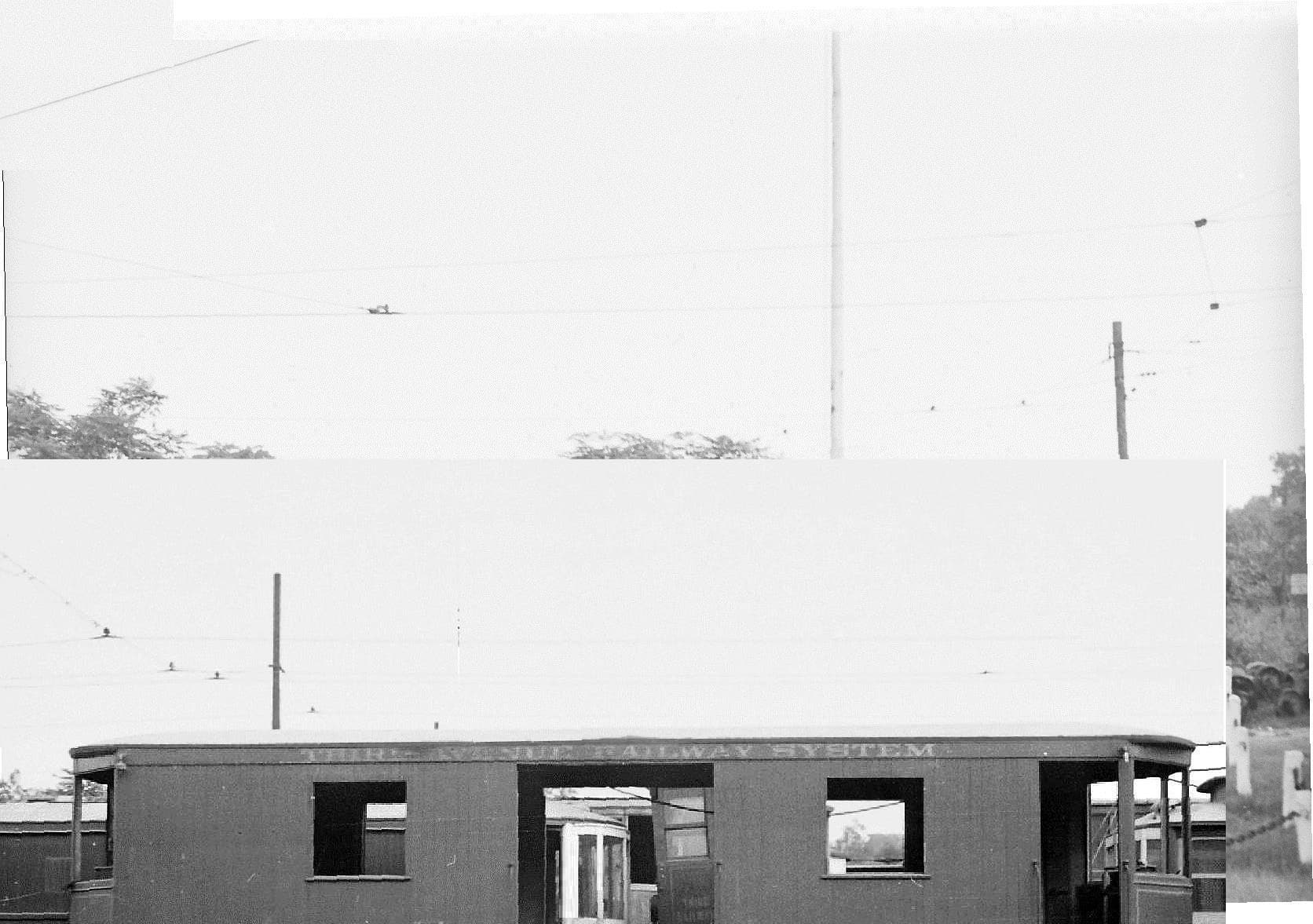
And some more Third Avenue work equipment, as promised:
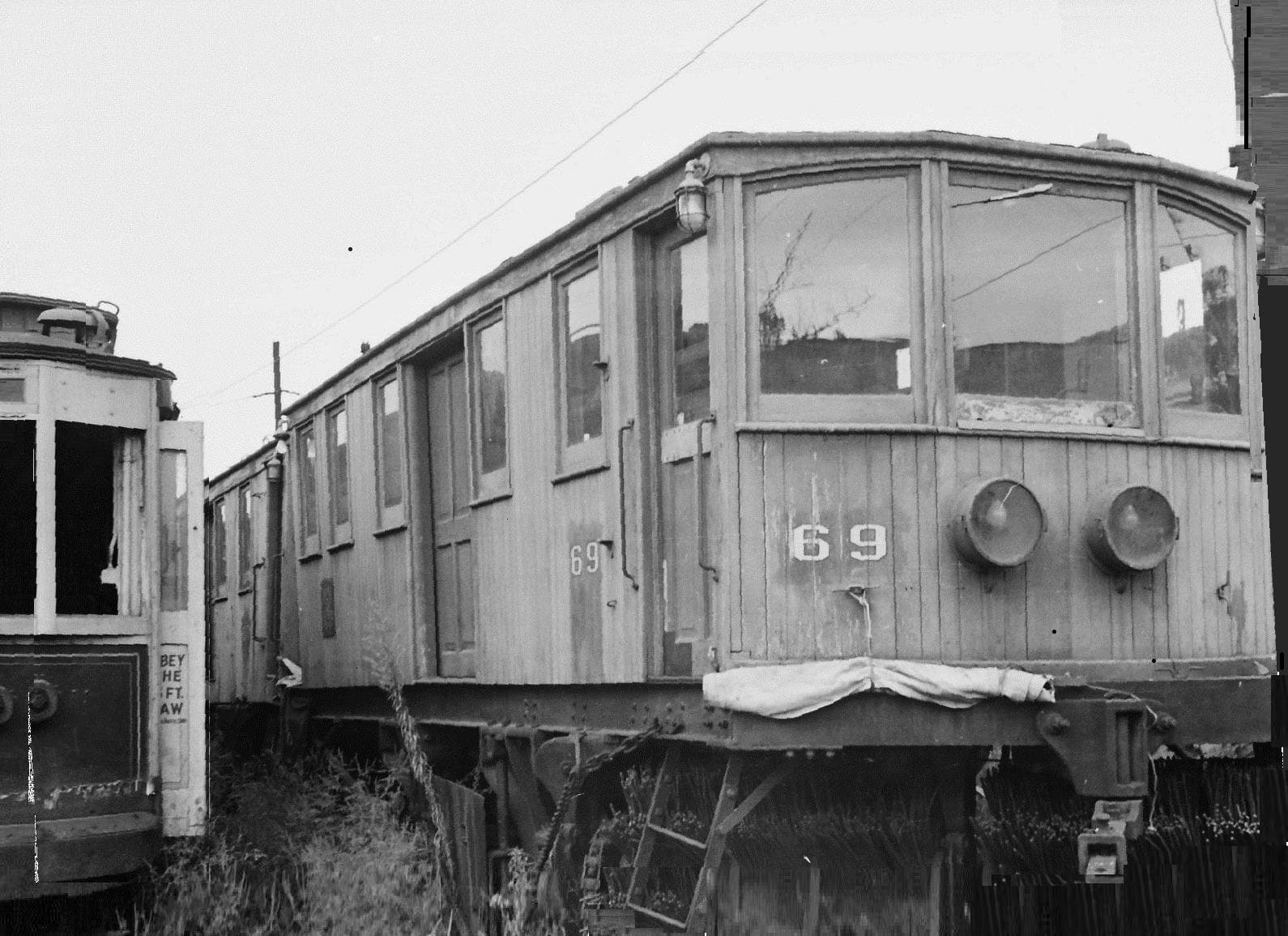
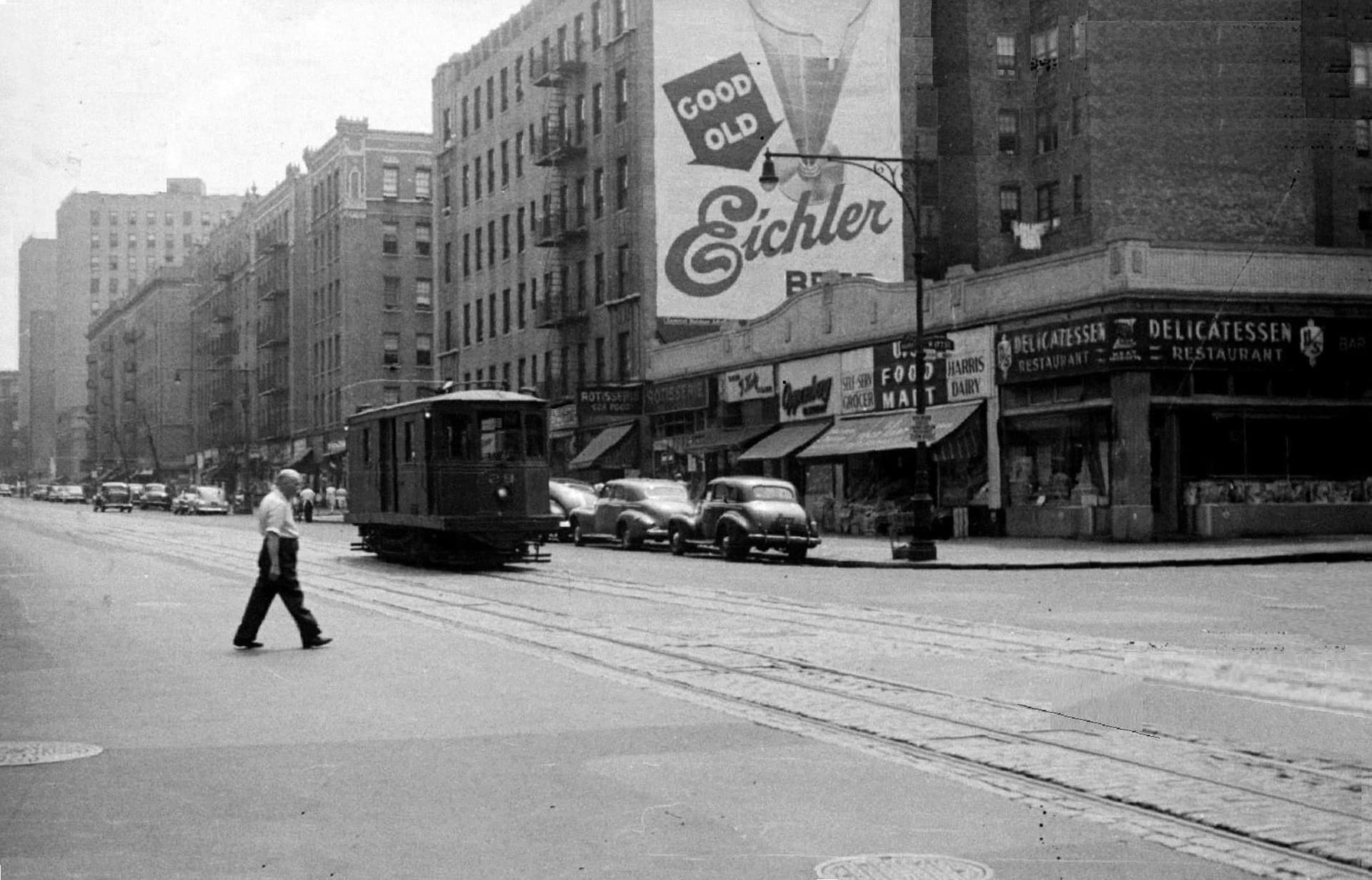
28 and 30 iare ex-New York Railways department-store delivery cars. Extensively rebuilt by Third Avenue; they originally had open platforms.
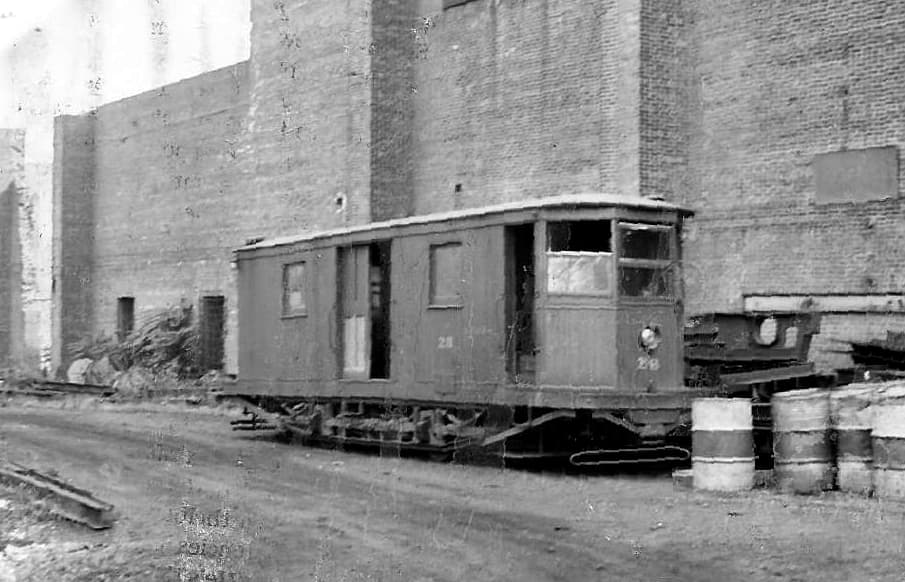
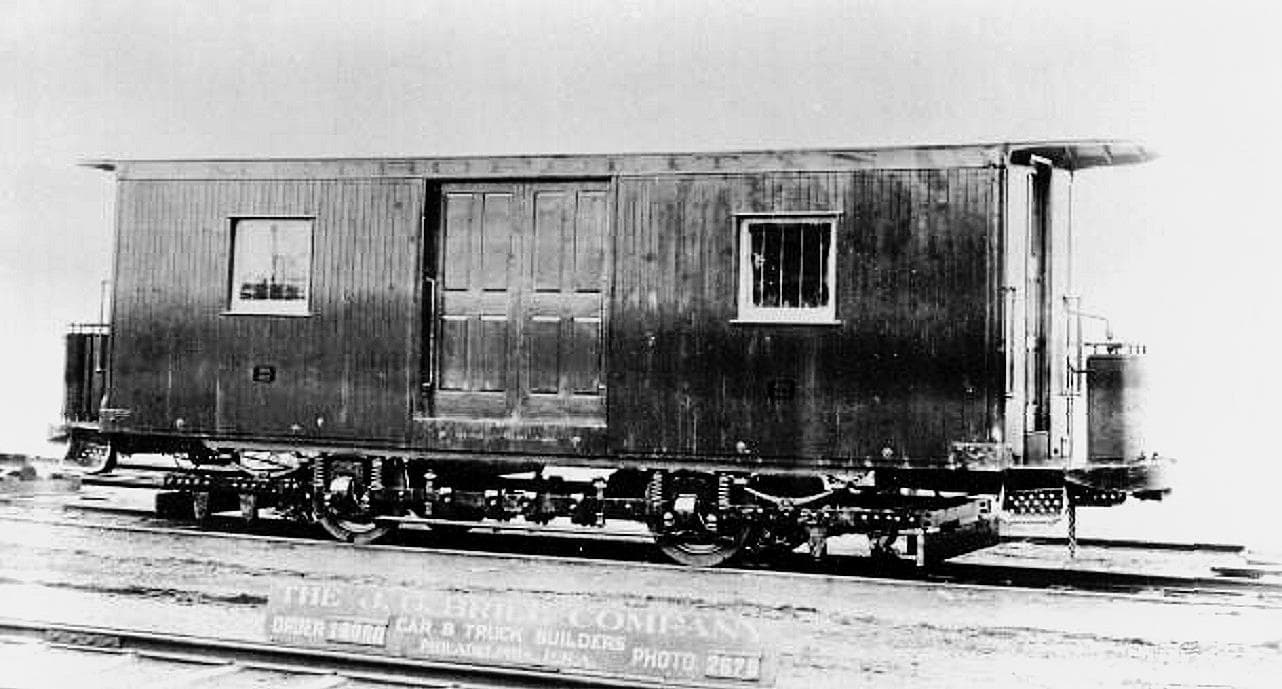
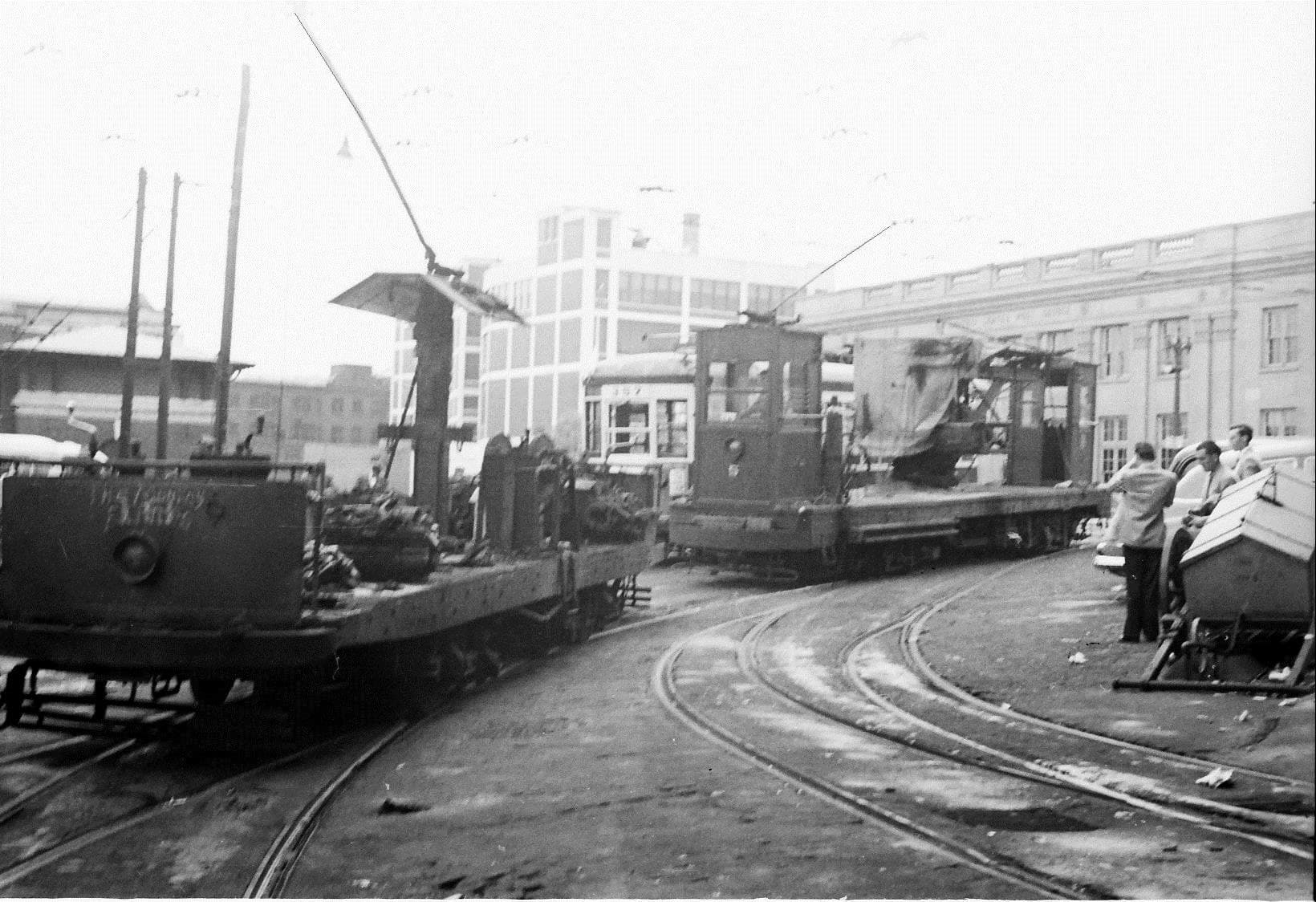
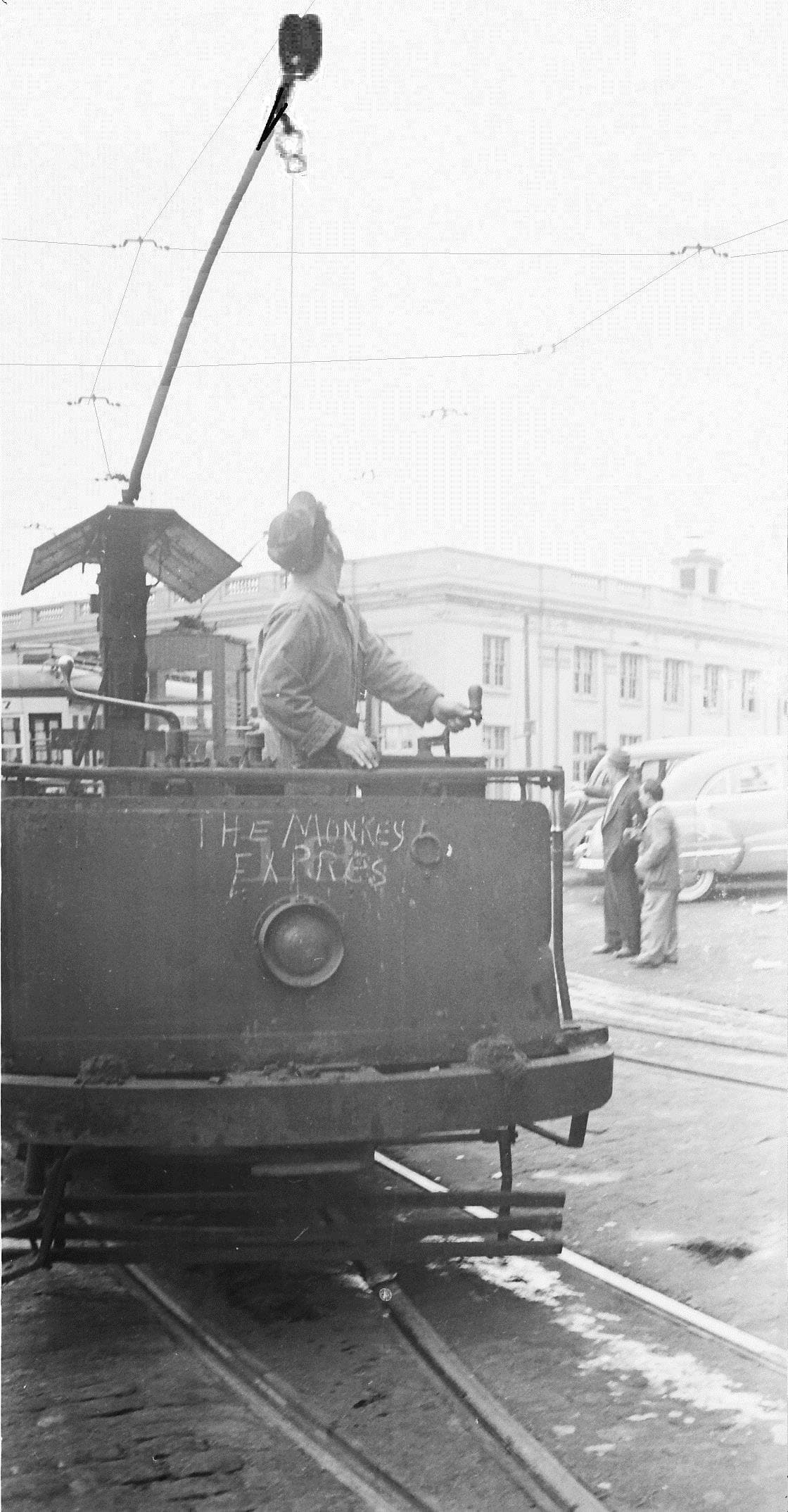
![image|690x447]
(upload://pz03tPnIfXRfjyx31C08p9eyn1B.jpeg)
1 Like
How were deliveries to stores made by those cars? Were there spurs used at night, or was there a demountable ramp across the sidewalk with the car just pulling up in front of the store?
1 Like
Deliveries were at night when loading and unloading vwould not delay regular service. Around the time Ford developed the Model T and delivery trucks were no longer hugely expensive, the stores stopped using the service, But during WWII Boston newspapers were delivered by streetcar at night. Type 4 cars were used. Dee Streetcars of the Hub, by Bradley Clarke, a Boston Street Railway Association publication.
1 Like