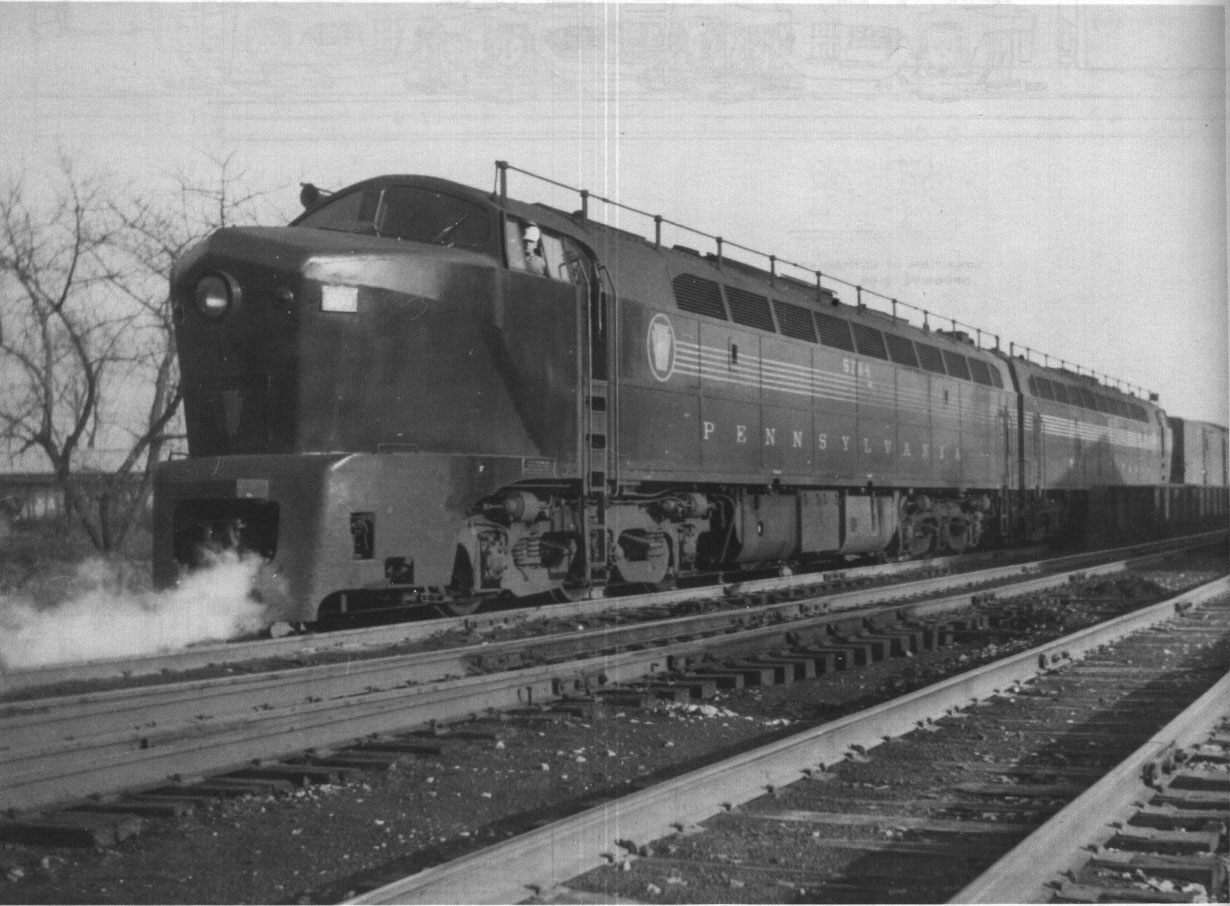
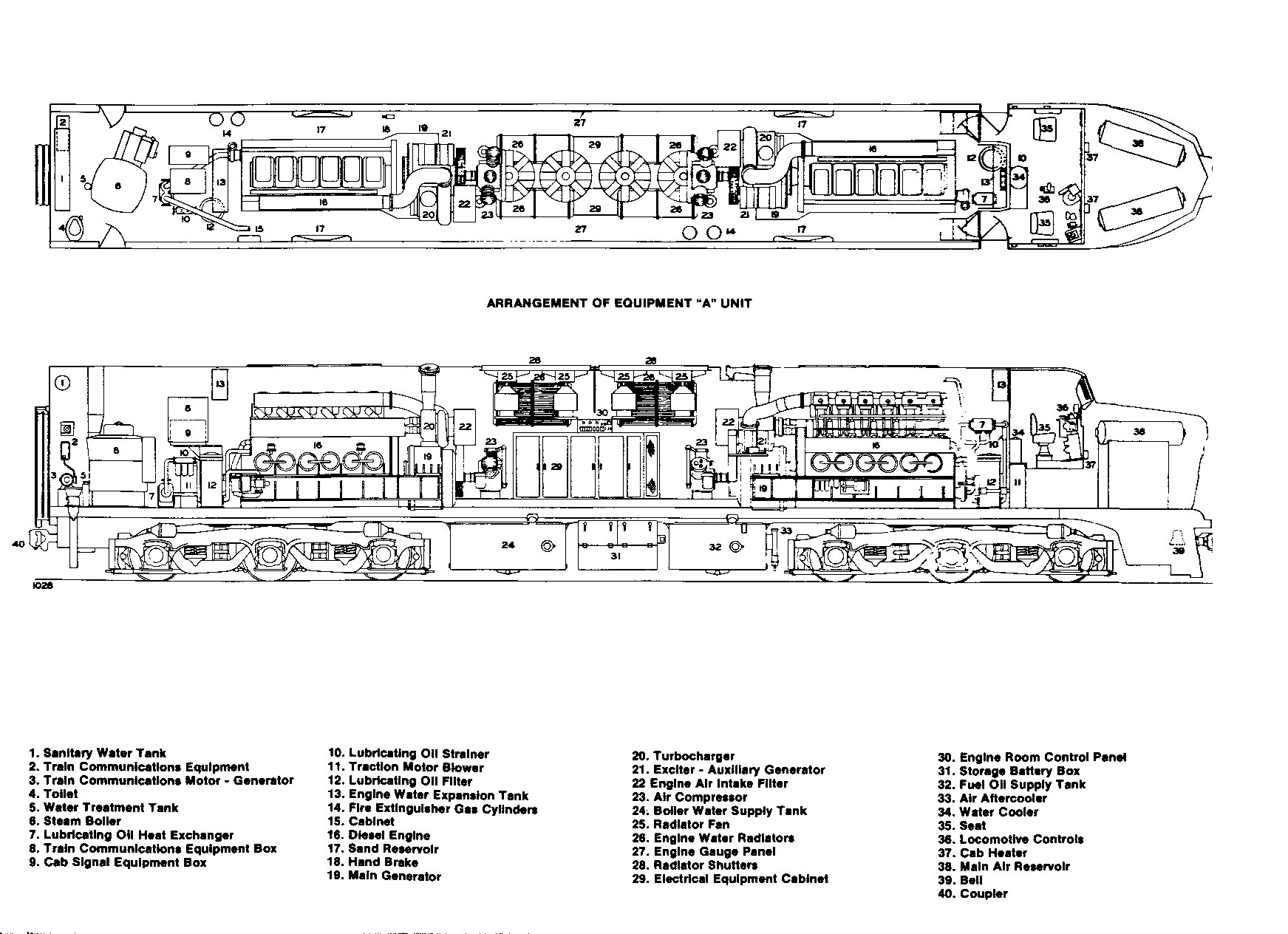
Try again. Strictly railroad stuff.
How about first generation diesels for April/late March theme?
Here’s hoping the thread doesn’t get derailed!
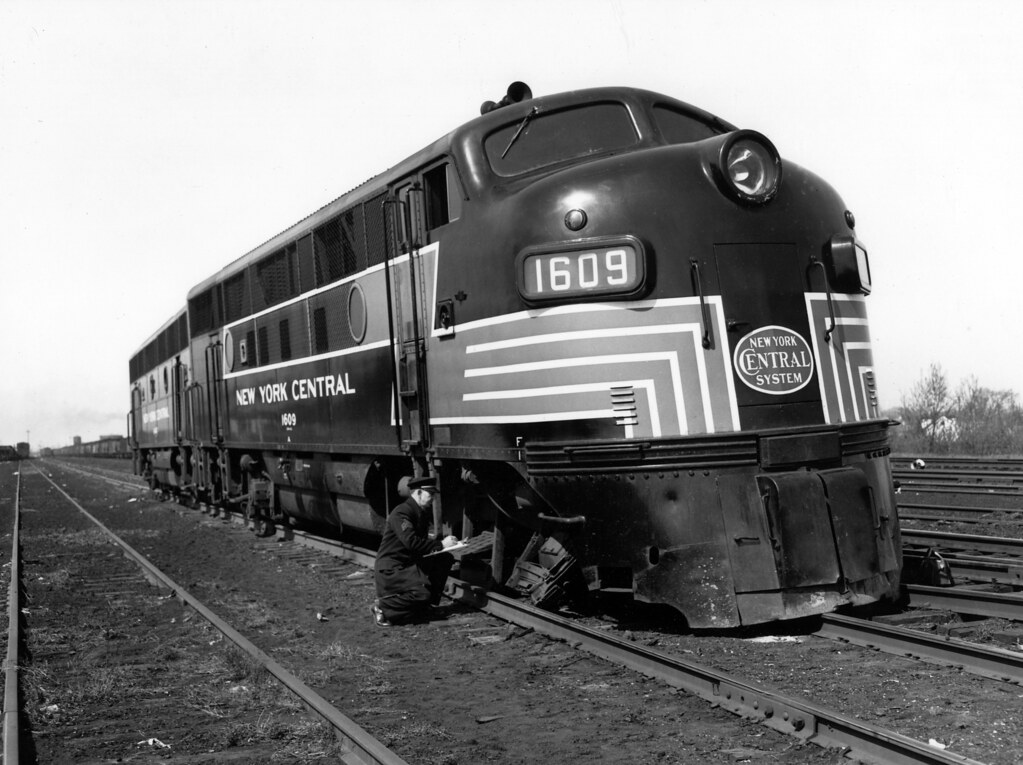 NYC F3 1609 Collinwood by Edmund, on Flickr
Regards, Ed
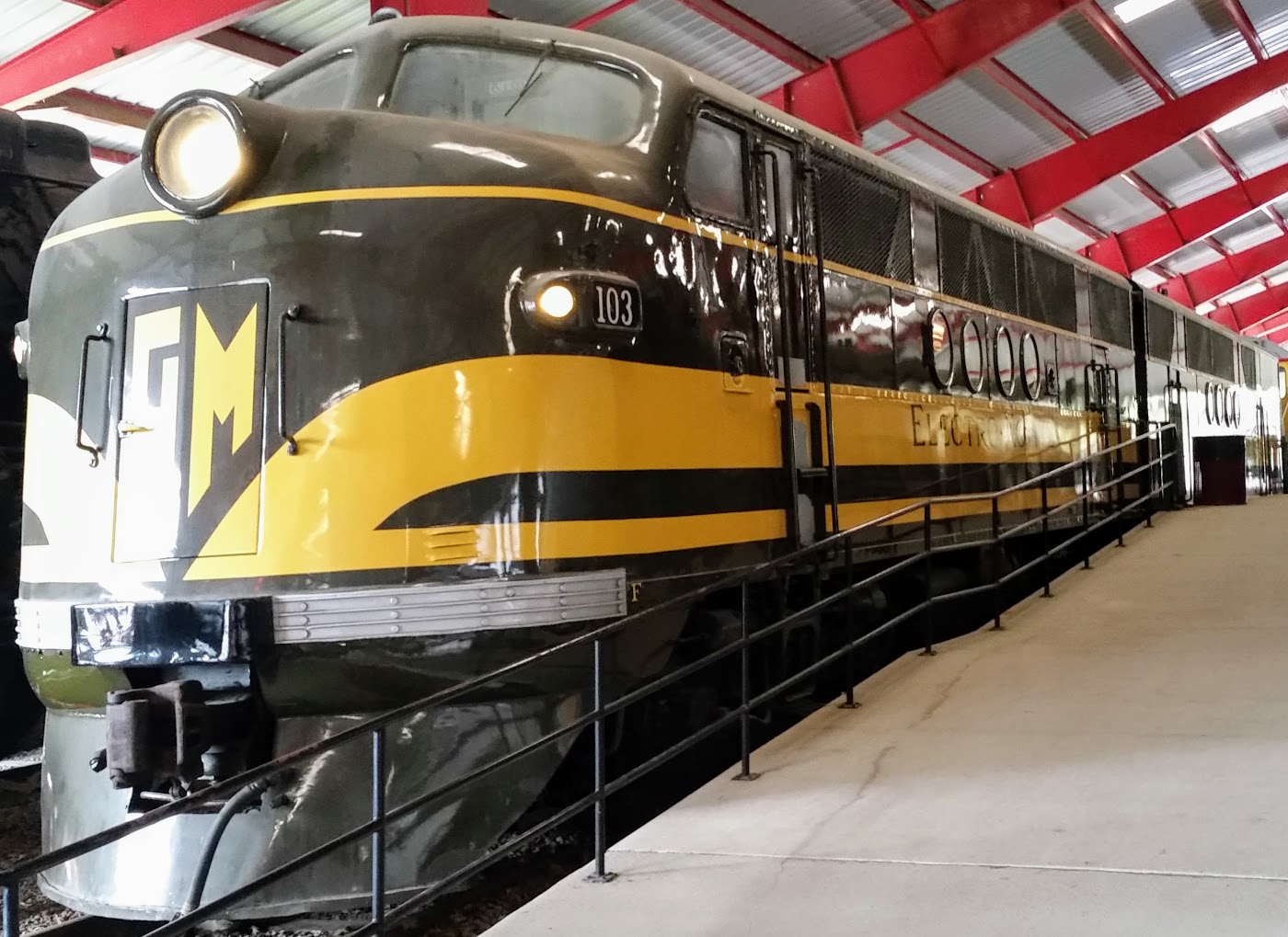
The story of how the two ‘halves’ of this FT were saved and put together is amazing. I was certain in the '70s that FT A units were extinct, let alone B units.
When this set was first assembled at MOT in St. Louis, I thought it wasn’t a ‘permanent’ display; that the owners of the B unit just had it on loan for a year or two. It was very impressive to see it there.
The picture is from 2018 @Woke_Hoagland. The B unit is back in Roanoke these days.
Dressed in a gray-flannel suit:
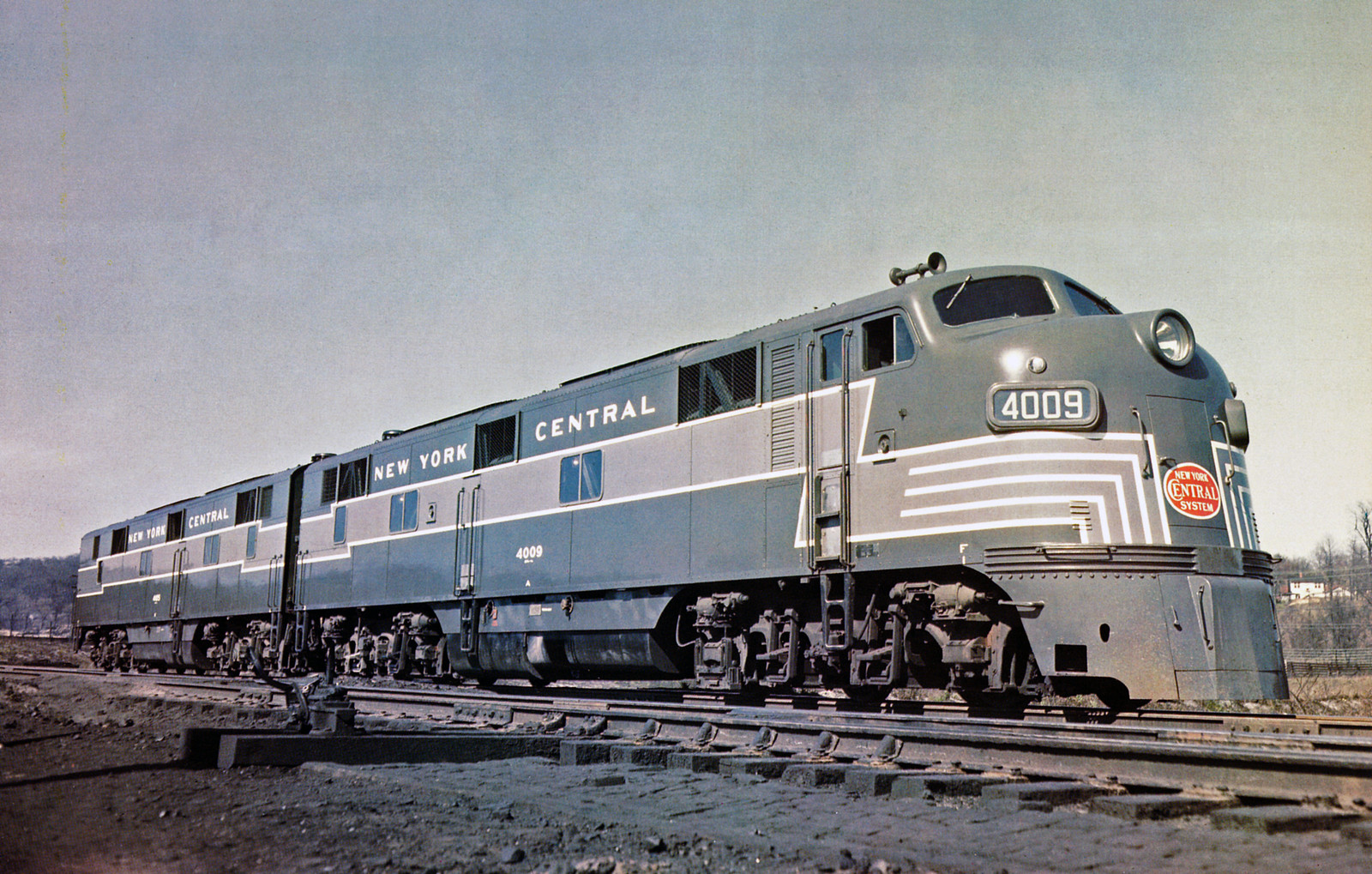 NYC 4009 E7a by Edmund, on Flickr
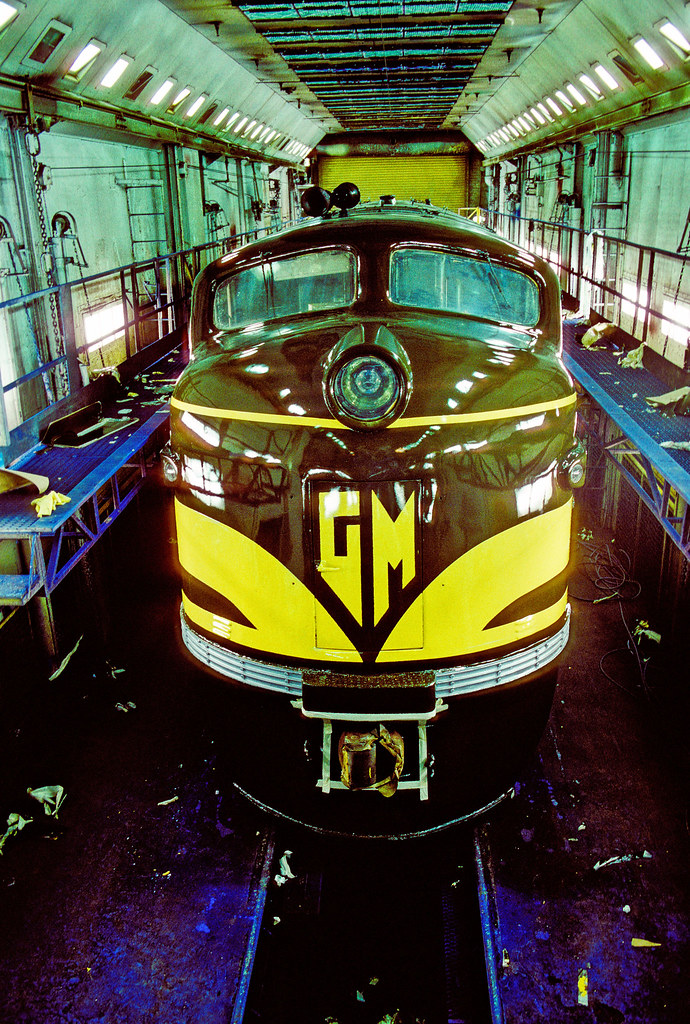
For an informative look into the restoration of the FT at EMD look at this Preston Cook collection here: (Click image to be taken to the album)
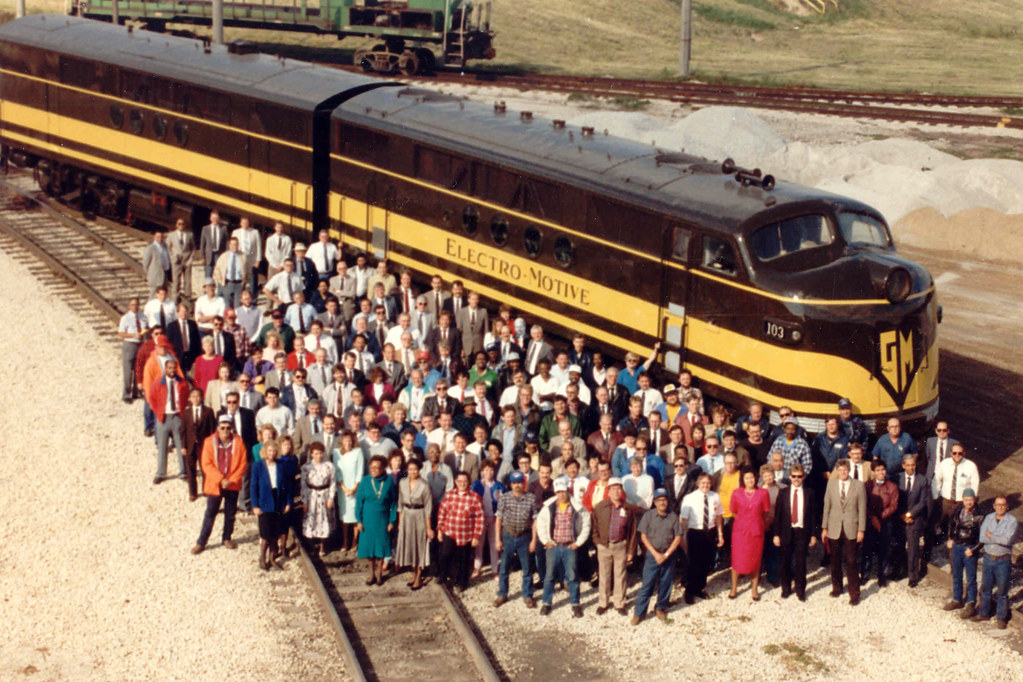 DEMO-FT-103-PLANT-STAFF-1989-300-1 by John W. Barriger III National Railroad Library, on Flickr
Regards, Ed
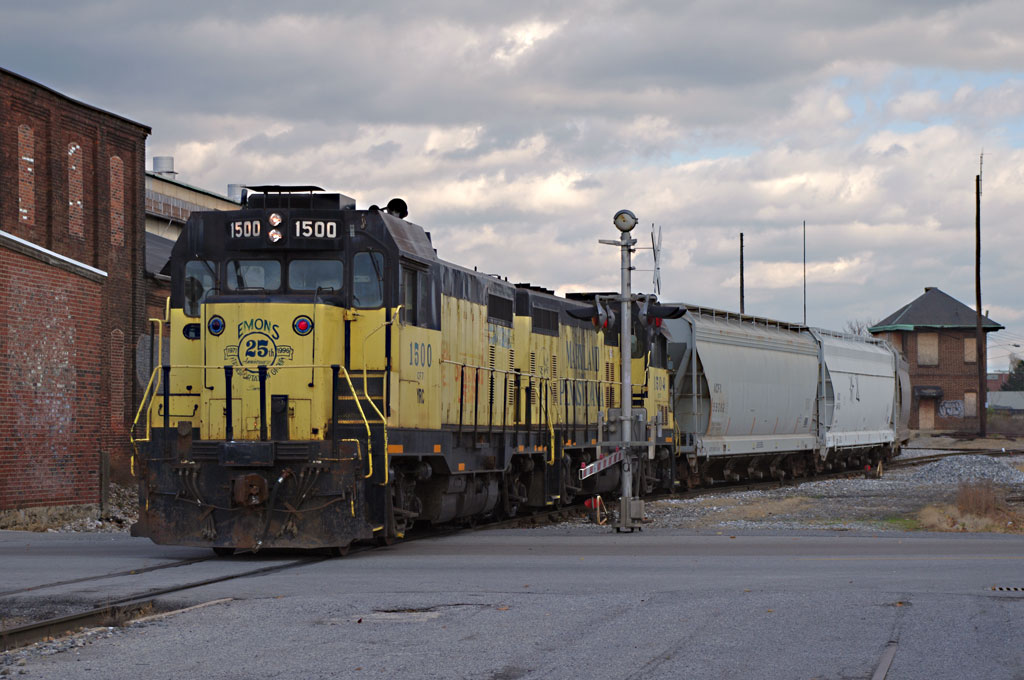
I knee jerked and said NO! But it is, isn’t it?
Some nitpickers of past forums might say re-engined units remain as 1st generation but not ones with heavily modified car bodies.
But that would be a rather silly distinction, IMO.
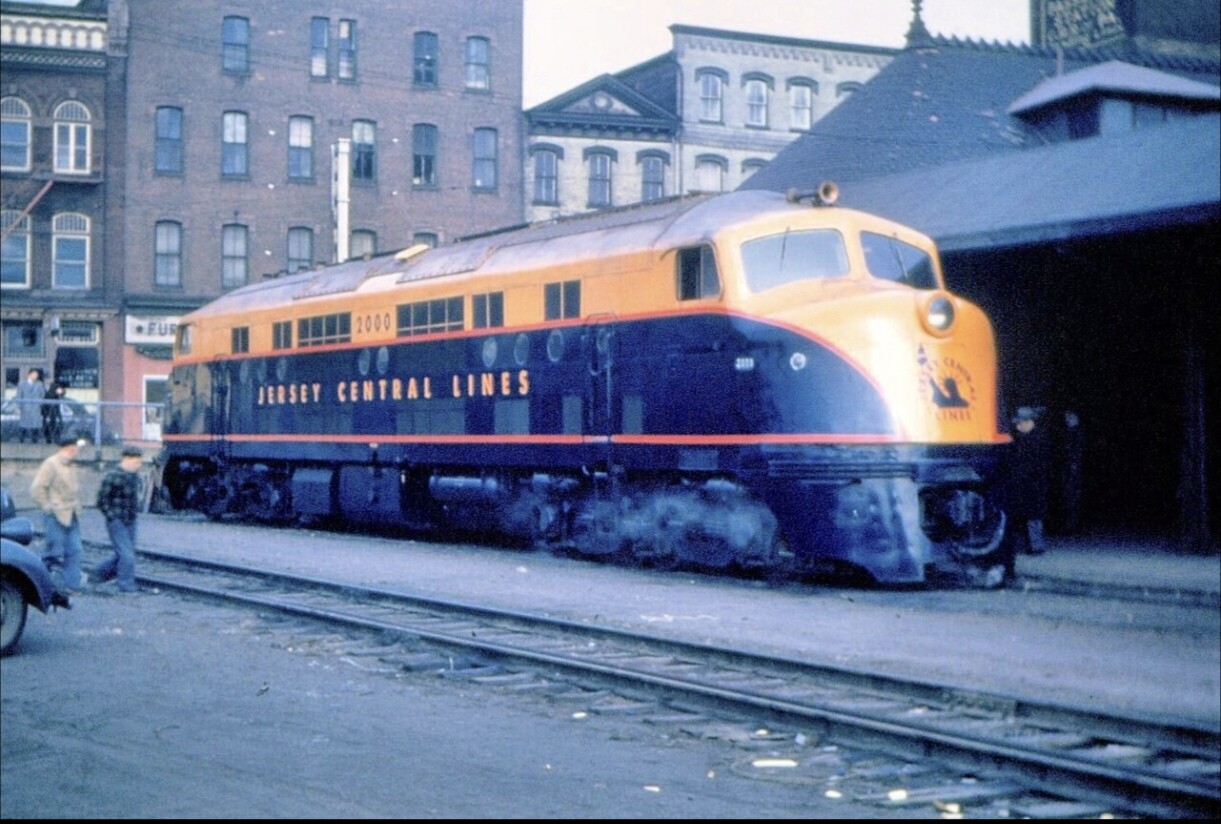
What would become the counterpart on the PRR:
These were the proper replacement for K4s on the Long Branch, doing far more than the E7s (and E8s) also used. R.J. Russell, who ran them, says that normal starting would peg the 2000A ammeter for about 30 seconds each time, then the needle would come slowly back down a bit. They were retired in 1963 not because they couldn’t do the work but because PRR corporate executed a plan to cull all the orphan and unusual first-generation power in that timeframe. (The B units were still splicing RF16s in Columbus, so the PRR got their money out of all the parts of what had been built as 6000hp T1/GG1 counterparts…)
I don’t know how the CNJ ran the double-enders, but there is a story that one was preserved, I think at E’port but could have been C’paw, by physically bricking it in and pretending it was a shop-air compressor. Personally I wish the trick had worked!
We once had a genset that was parked in the yard for weeks (months?) that served as a compressor for yard air. Was the longest that thing was ever in service without being bad-ordered.
It’s not really silly. While ‘generation’ may have become more a railfan designation, there are two ‘parts’ to its determination: the horsepower range and capability of the diesel engine, and the characteristics and limitations of the electrical system.
To my knowledge, the CF7s reused both the 567 engines and the main generators and other switchgear of the ‘donor’ F7s, to produce a kind of homemade Geep with better view and platform access than a cab unit. That keeps them ‘first-generation’ in the operating respects and ratings a railroad would care about.
Incidentally – good to see Zug posting here again.
You missed the point maybe in a rush to make one. I suggest you read again.
The machinist actually got an “atta-boy” letter for it. No joke.