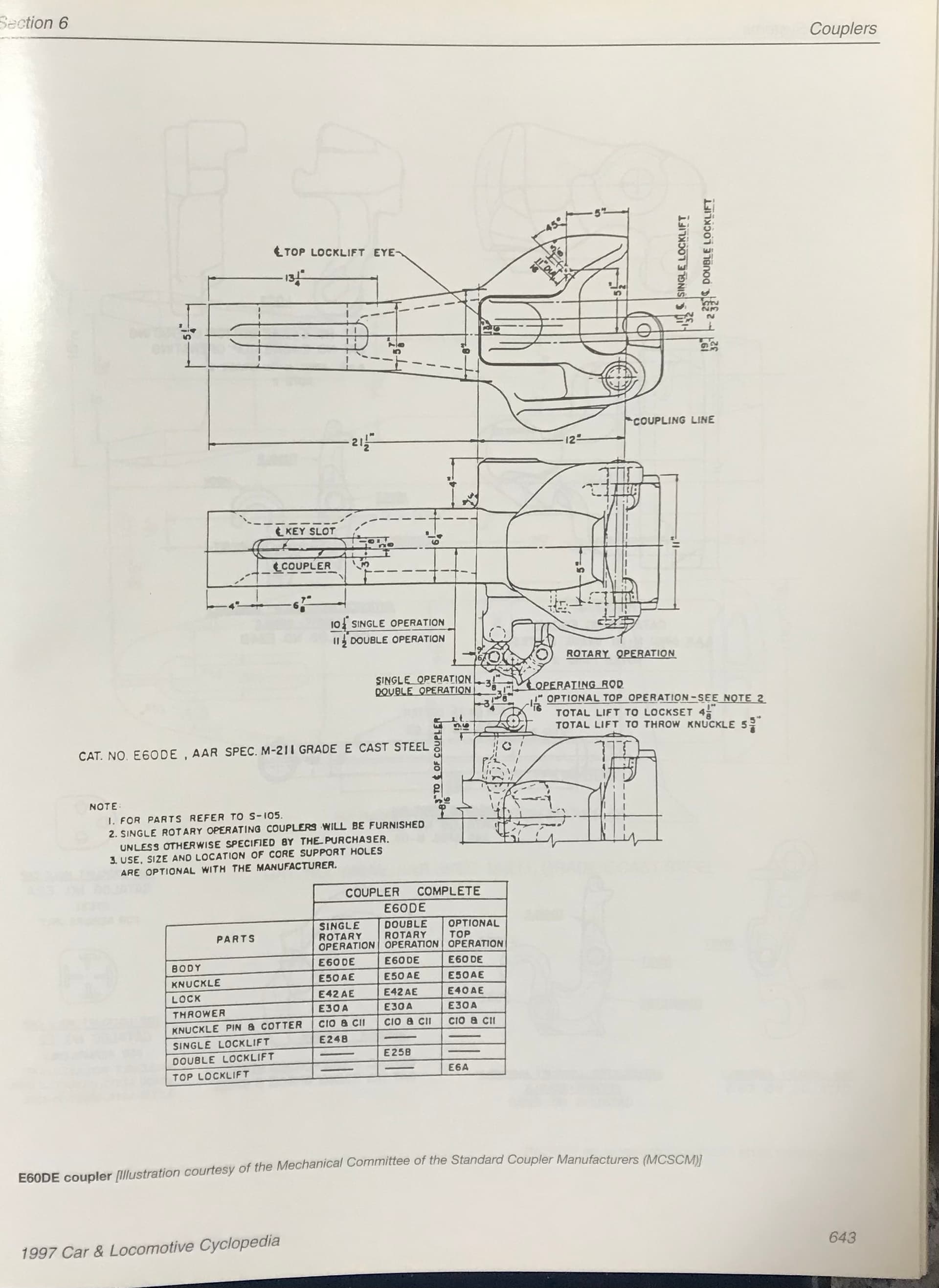
Next is a page from the 1997 edition of Car and Locomotive Cyclopedia, showing an explanatory diagram of a type E coupler. Does anyone understand this diagram?
To point 1, the rotary operation is for any sort of car that is dumped by a rotary machine e.g. coal, gravel, woodchip, etc. The advantage is that the cars stay coupled allowing for faster emptying. Single vs double: I believe is that if the couplers are single the cars have to go all the same way in order to rotary dump. I.e. A end meets with B end. With the double, the cars can be A-end to A-end or B-end to B-end.
While there are ‘rotary’ coupler shanks, the ‘rotary’ referred to in the drawing is about the ‘lock lift’ assembly. A single is designed for operating lever from the left side of the car and a ‘double’ will allow operation of the lock lift from either side of the car.
Rotary-shank couplers have a special anti-gravity lock which prevents unwanted uncoupling when the car is inverted 180°.
Optional top lift means that the lock lift can be supplied with an eye for top of coupler operation.
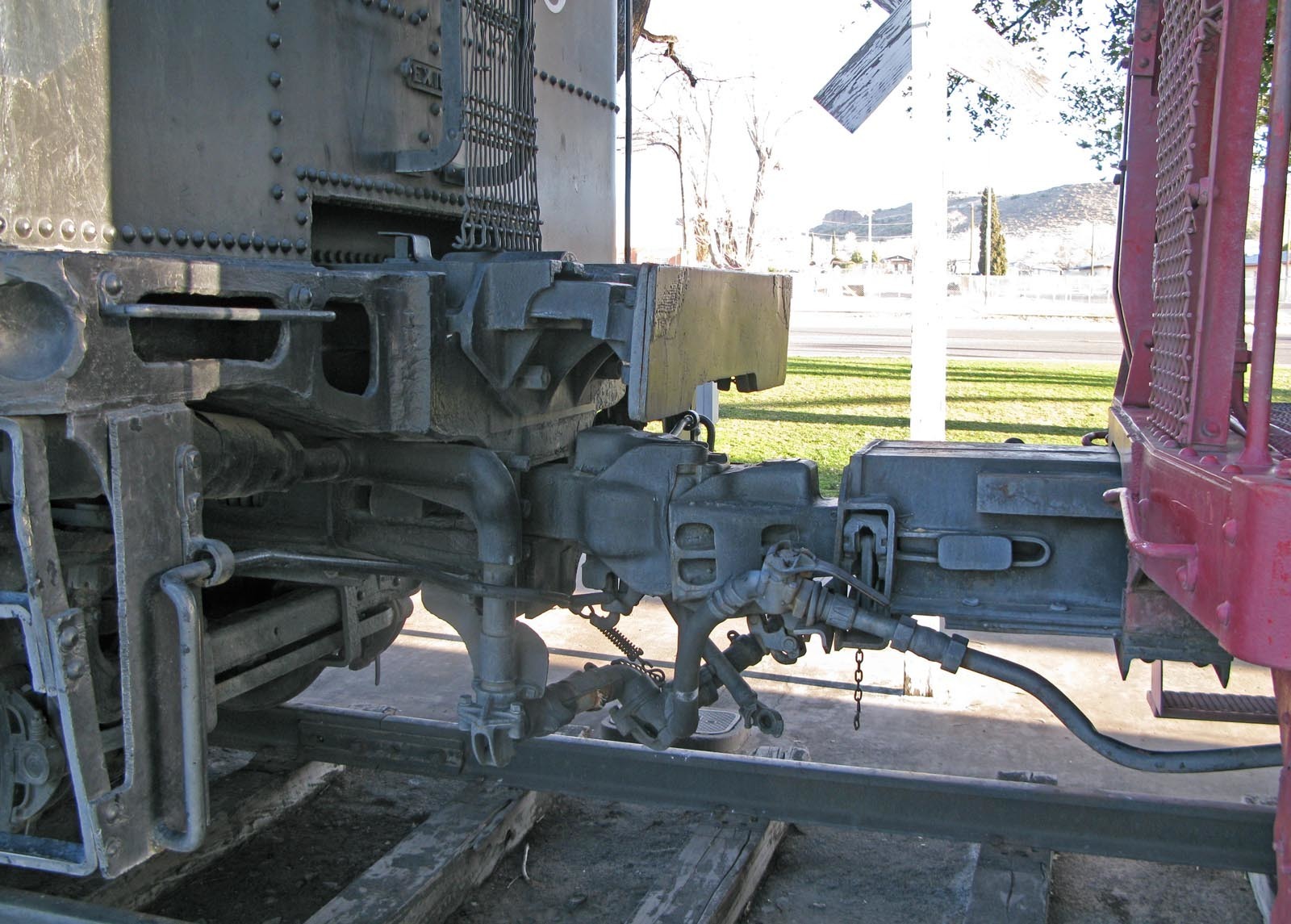
Passenger couplers are usually bottom lift arrangements because clearance is needed for a buffer plate and diaphragm.
E and F can be designed with both top or bottom locking operators. Type H and controlled slack type couplers are not designed for top-lock operation so passenger locomotives will have the bottom type.
Tightlock couplers require special carriers to allow for vertical alignment since the coupler faces will not allow for vertical movement.
Thank you for your detailed explanation. My long-standing question has now been answered.
Is the buffer plate (platform buffer?) mentioned in your comment also provided with the Type H?
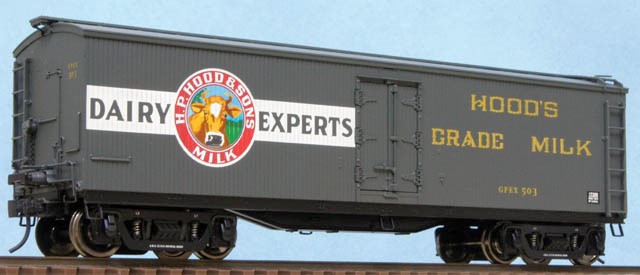
Yes, a type H coupler and buffer plates can be used together. The buffer was an attempt to keep slack action to a minimum on passenger trains. Usually included with the diaphragm construction but you can see them on express, milk, RPO and other head end cars that sometimes don’t have diaphragms.
You can clearly see the buffer on this Reading baggage express car. The controlled slack coupler further helped to contain slack by taking up the inherent slop that even the type H coupler had. The controlled slack coupler had rubber pads and (I think) spring plungers in the protruding pin.
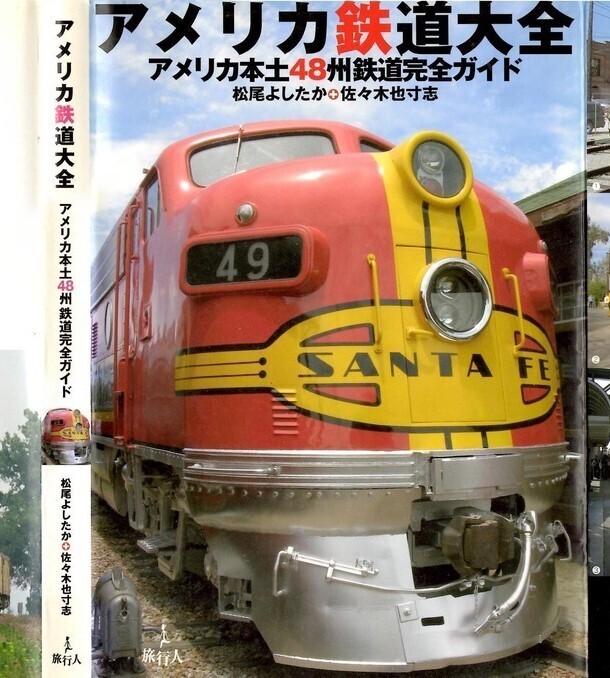
Glad to help where I can. Somebody swapped out the coupler on the 49. There should be a controlled slack tightlock in there. They probably couldn’t find one or if they did, couldn’t afford it!
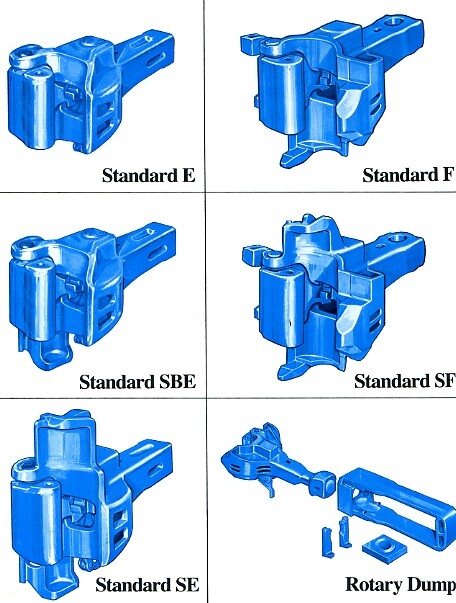
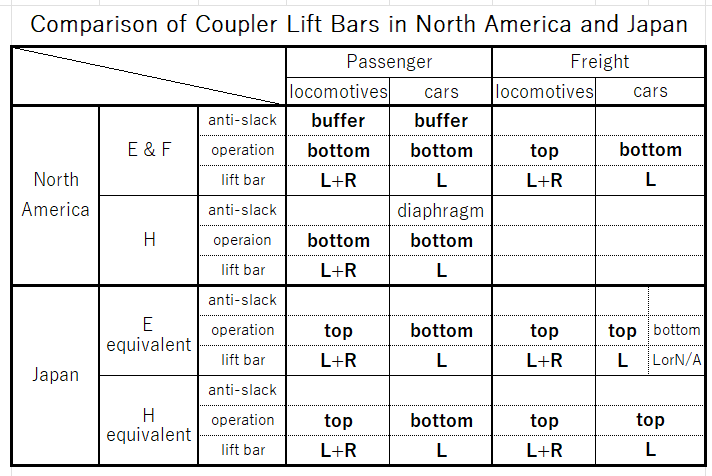
The same knuckle couplers are used in my country, Japan. However, I was surprised to find that they look a little different. So I organized them in the following table. What do you think?
The reason “diaphragm” is written in thin type as “anti-slack” is because “it is said so.”