have been building this present layout, my third, since 2007. It’s a point to point operation on a 15 inch wide shelf that’s about 40 feet long. On the second layout in 1963 I left continuous running operation on a loop behind to create point to point operation that would replicate actual train operation from point A to point B as much as I could.
The only prototype railroad I’ve ever been interested in modeling is a Missouri Pacific branch line on the Gulf Coast that replicates parts of the old MP branch back home that was abandoned many years ago that I saw often as a youngster, still running steam in the first days I saw it. The present layout is basically two L’s, each made of 8’ 15” wide sections, in adjacent rooms and connected through a wall to make a U.
My railroad still carries the name that I’ve had since age 14, the Midland Western, although it has evolved into a Missouri Pacific branch trying to incorporate some of the atmosphere of my branch line back home.
Pictures of the layout to follow.
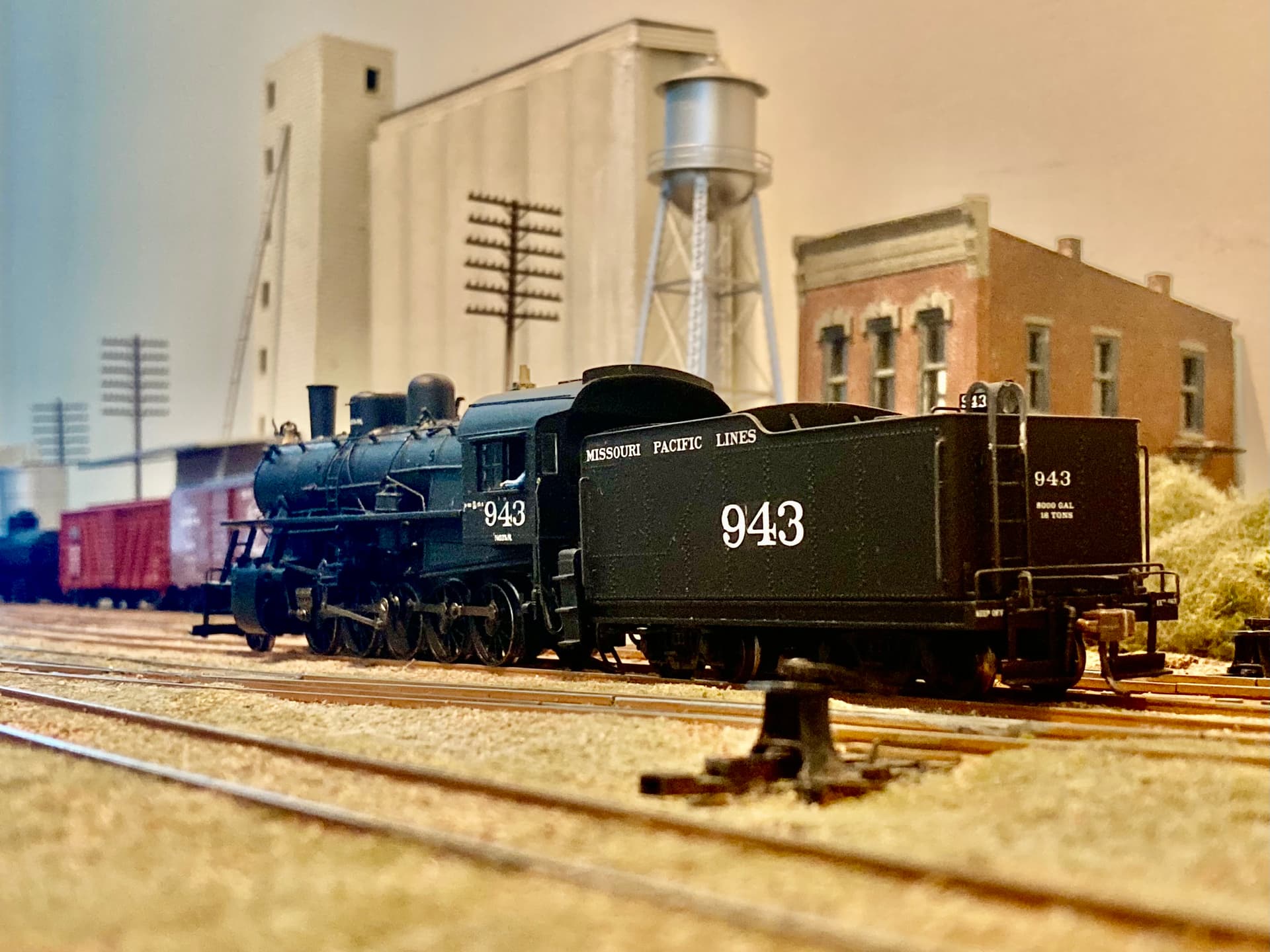
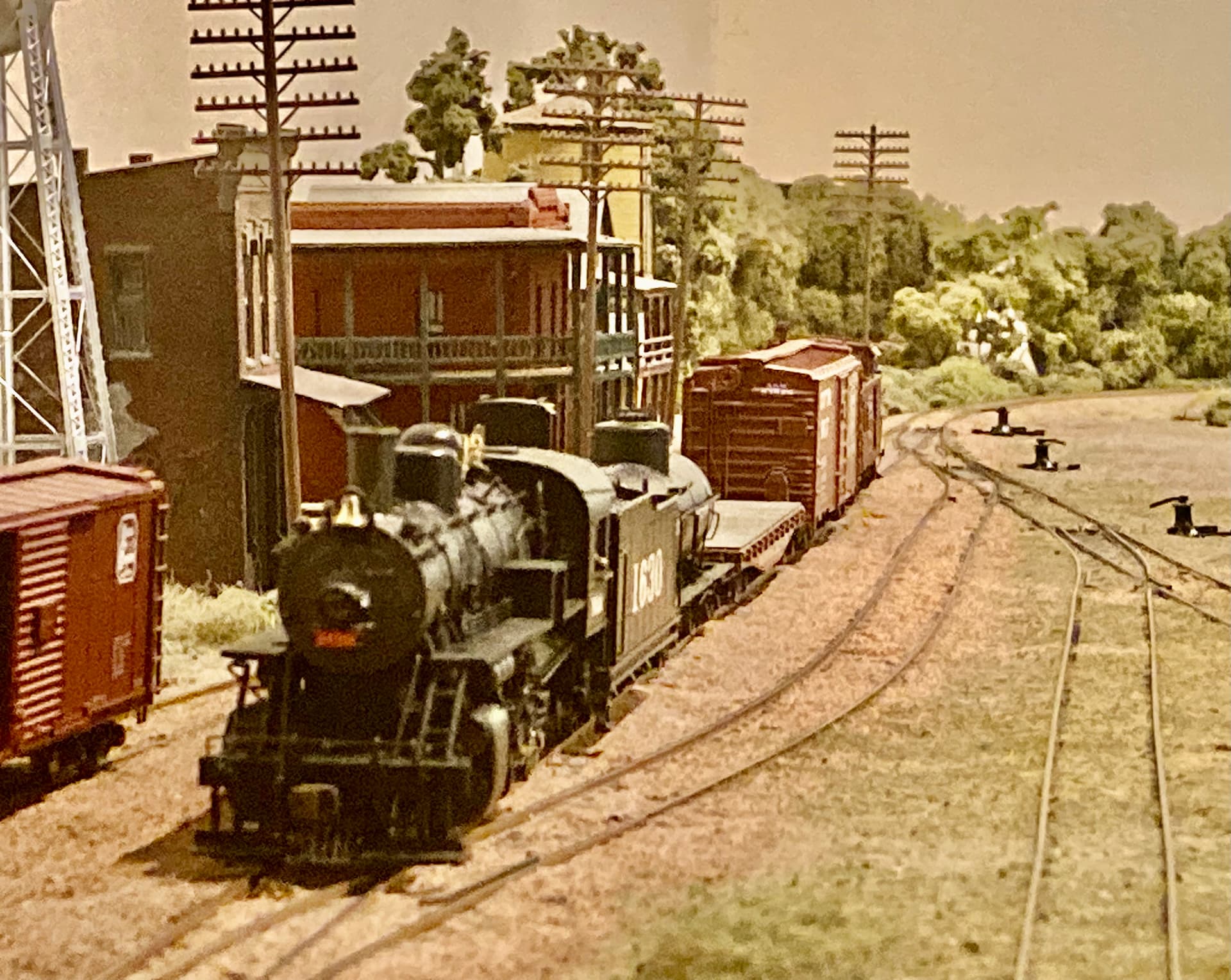
A Missouri Pacific 2-8-0 in the yard in the community of Thunder Grove. The Ratland Cafe and Hattie’s Hotel and Bar are in the background.
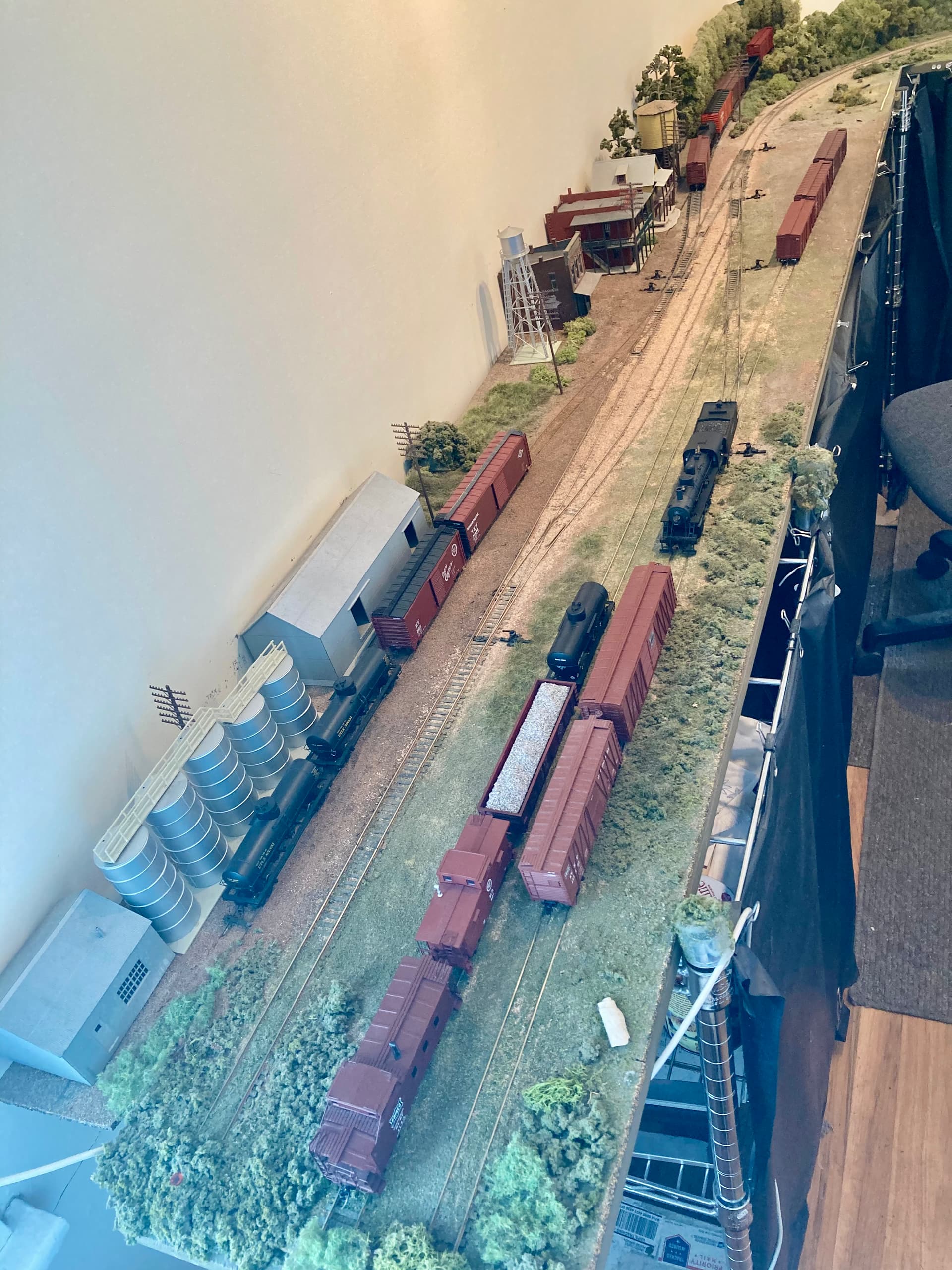
Take a helicopter tour of my little layout. This is the town of Thunder Grove at the West End of the Railroad, looking north before it turns east. The metal storage building has been replaced with a rice elevator. The Frisco interchange is at the upper left going into the woods. The railroad turns east to the top of the picture.
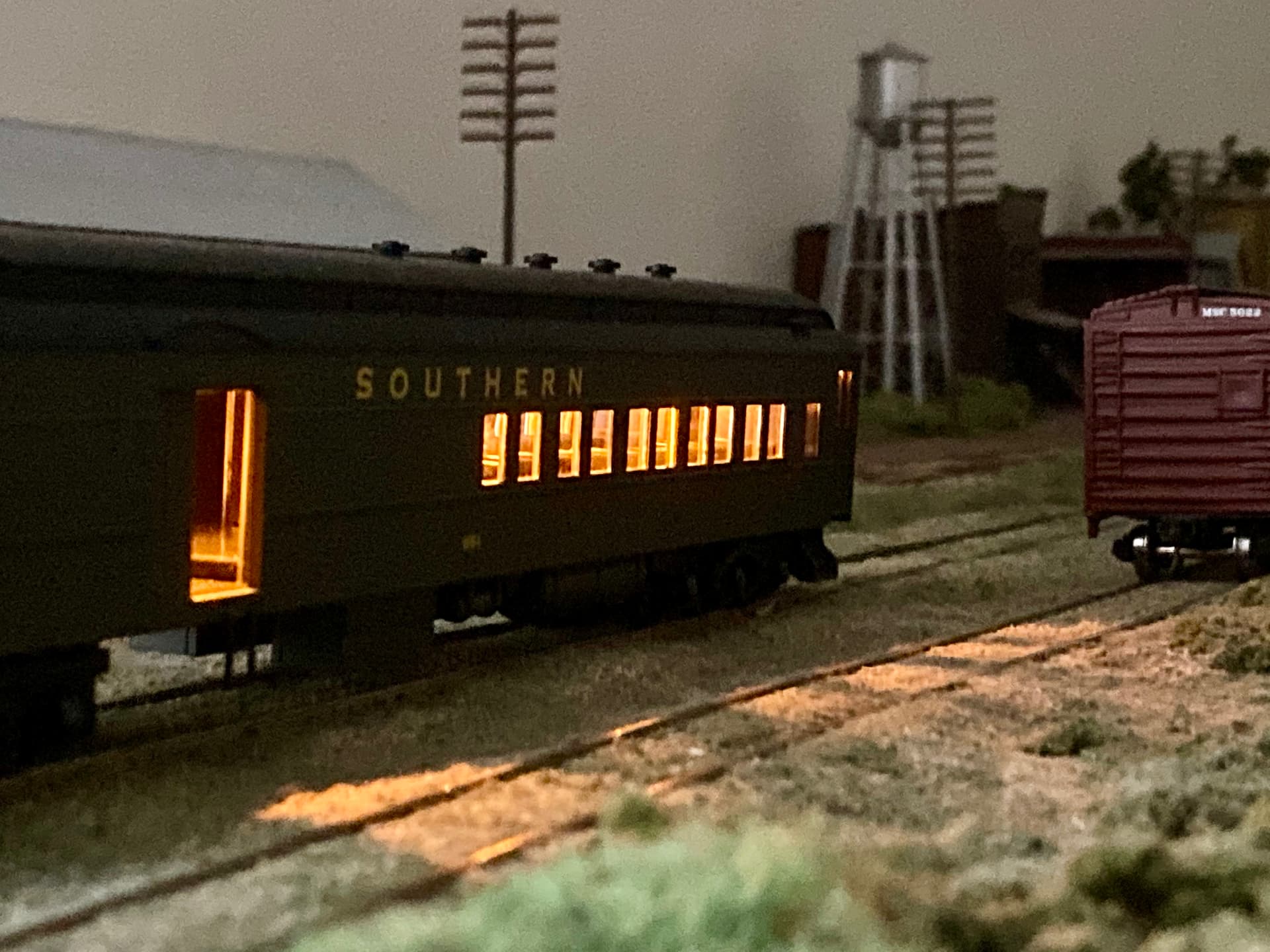
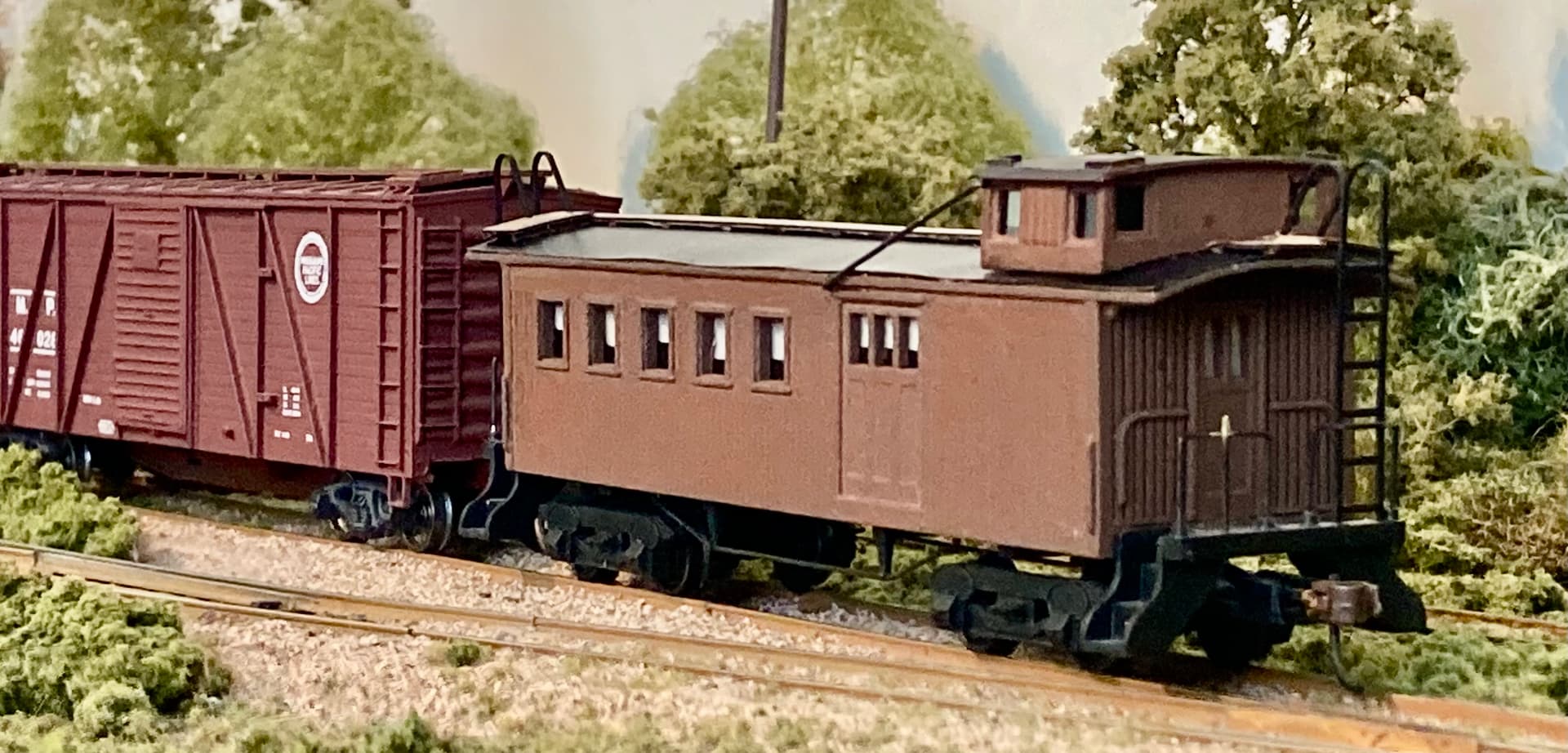
For a while, passenger service was offered in a borrowed heavyweight combine. The traffic volume did not sustain and reverted back to side door cabooses.
I have several side door cabooses, but this is one I made for a friend and did not keep. It’s a Mantua car body with relocated cupola and added roof walk and ladders.
Before turning east following the railroad a last few views of Thunder Grove.
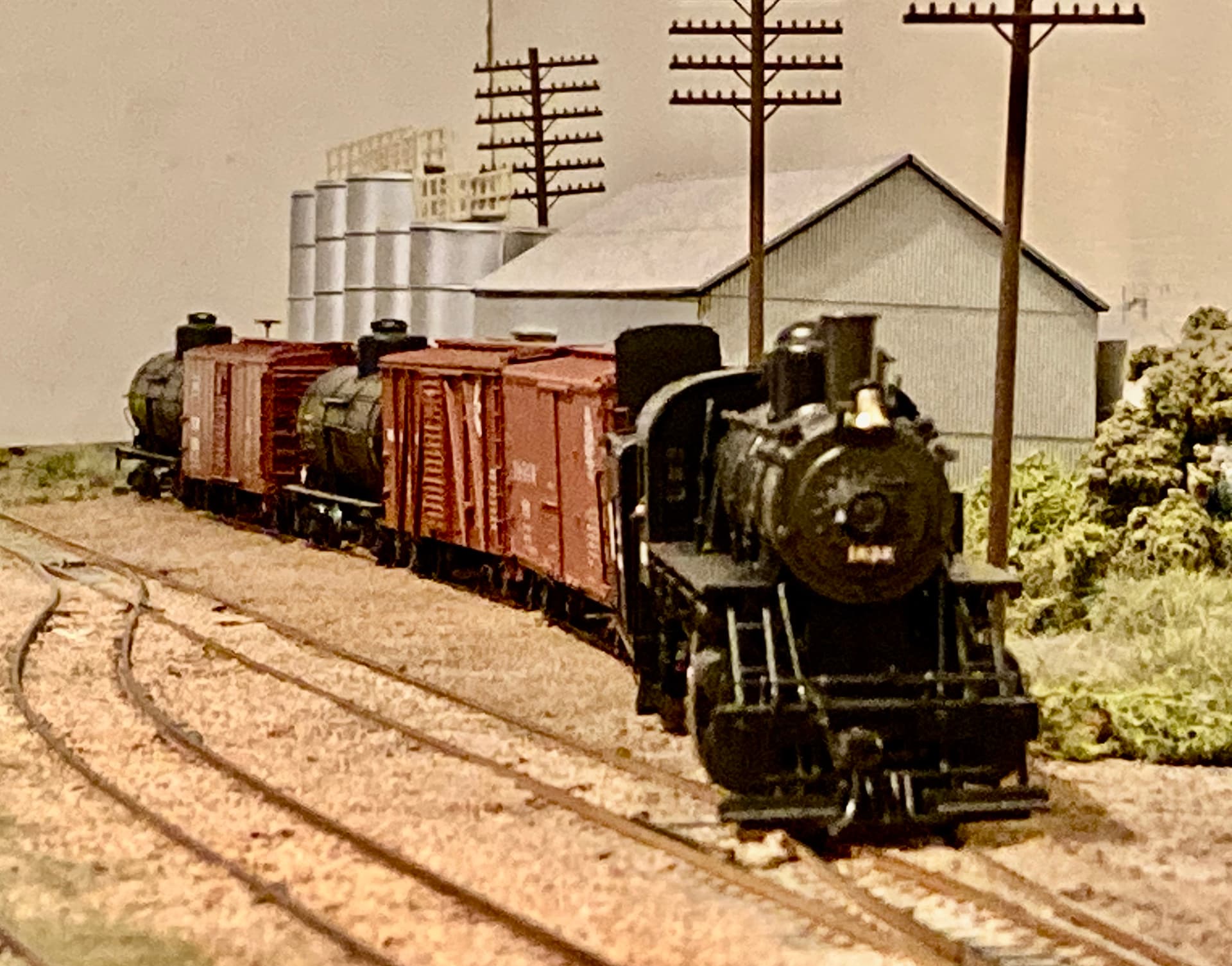
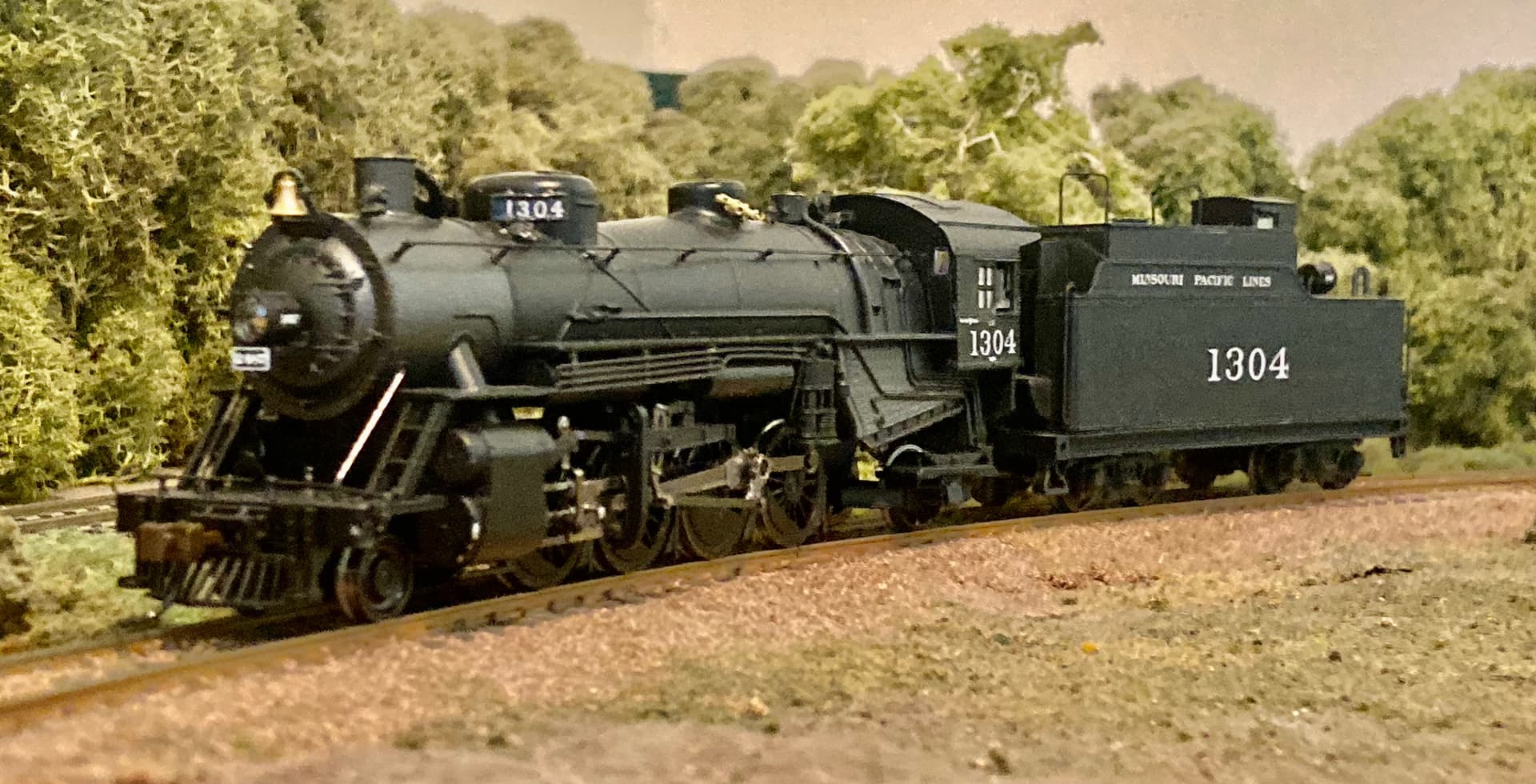
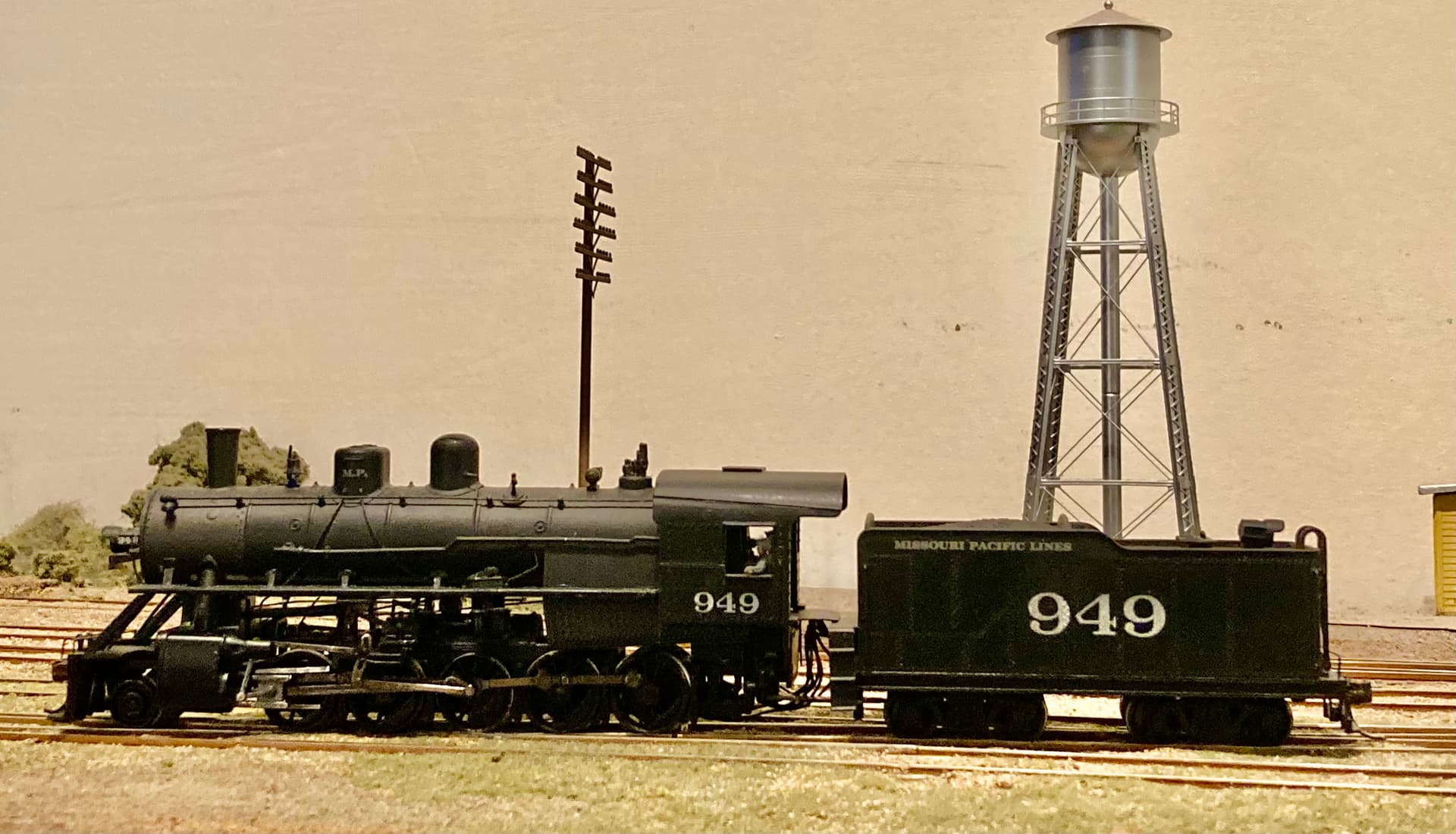
I have several 2-8-2’s, which earned the name MacArthur during World War II. The MP had a large number of the light ones, I have three letter for MP and two for other roads, which I’ll mention later. Two of them are Broadway Limited products, this one is a Bachmann engine with a few MP-specific details added - the stack cover, the engine number boards, and an oil bunker in the tender.
They are really a little too heavy for the kind of railroad I’m modeling, but I like them too much to not have them. When I first started this layout, I was a member of a large club on the Mississippi Gulf Coast with a nearly 700 foot main line and these babies had a large playground in those days. I still run them occasionally, but they dream of the day when once again they’ll be able to get up to track speed with a 35-car manifest. The branch back home was far too light for these engines, in fact it was really too lightly built for the 2-10-0’s but if I’m going to run models that have any resemblance to Missouri Pacific prototypes I have to ease up a little bit on the restrictions.
This View is looking to the Northeast, headed towards the highest point on the layout, Donna Pass.
Rule 1 is one thing, but reliability is quite another.
You pointed out in your other thread that you are “nutty about 4-4-0’s”. How reliably can 2-10-0’s perform on a layout designed to run 4-4-0’s? I ask that because at one time I was running steam locomotives on 24" radius curves and decided to add 2-10-2’s and 2-10-4’s with disastrous effect. I quickly sold off the 2-10-2’s and the 2-10-4’s. Just saying.
Thank you, Rich. I’ve only gone through 25% of the layout so far but it’s mostly going to continue to look like behind that MacArthur on the curve, a lightly built line through countryside. I know that my opinion is unpopular, but I believe that a lot of layouts have far too many structures on them, overcrowding the overall scene and creating at least for me a sense of claustrophobia. I’ve consciously kept the number of structures to a minimum on this layout, you’ve already seen 3/4 of them in Thunder Grove. At the last count, I believe I had nine structures on the entire layout.
The other end of the layout, at the East End, the town of Midland which I’ll get to after a while, is mostly an interchange yard with the Missouri Pacific. I have a 3 x 4 area that is intended to be a town somewhat like Thunder Grove, but also including an engine service area. I was nearing the point to begin when life parameters got in the way and I’ve had to spend most of my time since caregiving at another residence. So, for the last year or so, the Midland Western that I’ve been showing here has mostly been gathering dust and only run once a month or so. I have a much smaller and less elaborate layout at the other place, barely enough to run some engines on, and I’ll show it sometime in the future.
The curve you see the 2-8-2 on is 24”R, the other major curve on the other end of the layout is 28” R. All of the engines up to the 2-8-2 run and look fine on the Midland western which this thread is showing. The statement that I am nutty about 4-4-0’s doesn’t carry the implicity that the curves are as sharp as possible. The switches on this layout are number five and number sixes which work fine.
I do have three 3 2-10-2’s that will never run out on the line on this layout. I bought them for the large club I mentioned earlier but they cross the threshold of acceptability even on the 28”R curve on the Midland western, they have unacceptable hangover at pilot and cab. I do exercise them as switchers on occasion in the yards since they look OK there other than being ridiculously large for the theme of the layout. They MacArthurs run fine on the Midland western but they are too large for my general narrative.
I had to draw the line at which locomotives to buy with the new Broadway Limited Lima locomotive works A-1 Demonstrator 2-8-4 arriving soon. I’ve loved that locomotive since the first time I ever saw a photograph of it as a teenager. But it would never work on my layout and as time goes by, I’m seeing less opportunity to take my large steam engines to run on clubs since so many clubs today exclude steam locomotives either by era depicted or by direct stated policy, which I find a little offensive actually.
Eventually, I’m going to do a thread about my secondary layout, which has an 18” curve on which spatial constraints force me to grudgingly accept. My 2-8-0’s and 2-10-0’s run well and look just fine there too. Of course I look at both my layouts at eye level, always seated at my age. The helicopter views are for touring purposes only, I never look at the layout like that when I’m running it. On the secondary layout though I mostly run 4-4-0’s and 10 wheelers just because they look better in such a small setting.
I’m definitely not a builder. I’m a fumble fingers of high degree.
All of my structures are plastic kits. Repainting them and refining the details to some small degree helps all of them 1000%. I’ll probably start a topic about that minimal work at some point.
I like some large locomotives and have seven such LMS ones. On my layout they look ‘out of place’ on a small layout, but I like them.
Most of my steam locomotives are 0.4.0 or 0.6.0 type. Hauling three or four freight wagons or two, maybe three carriages at a gentle pace.
Now my granddaughters’ prefer the diesels travelling at a much faster speed.
They have their own Rule 1 and I do not argue.
You mention reliability. That goes with any locomotive or rolling stock. I have some that are a pita, but I still purchase similar rolling stock, mainly because I like them.
By reliability, I mean running 2-10-0’s on narrow radius curves intended for 4-4-0’s. The 2-10-0’s, with their longer rigid frames, have a tendency to derail.
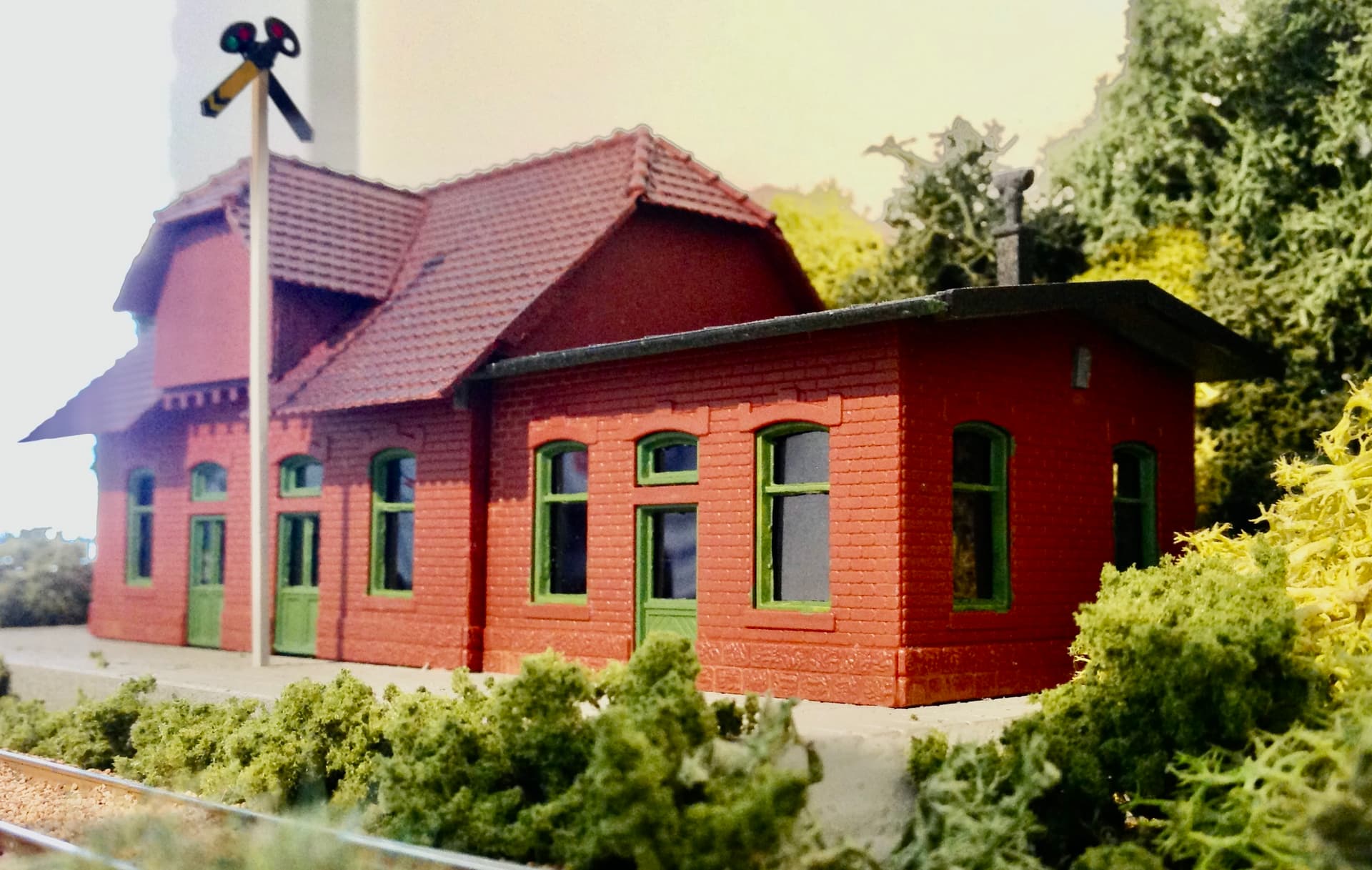
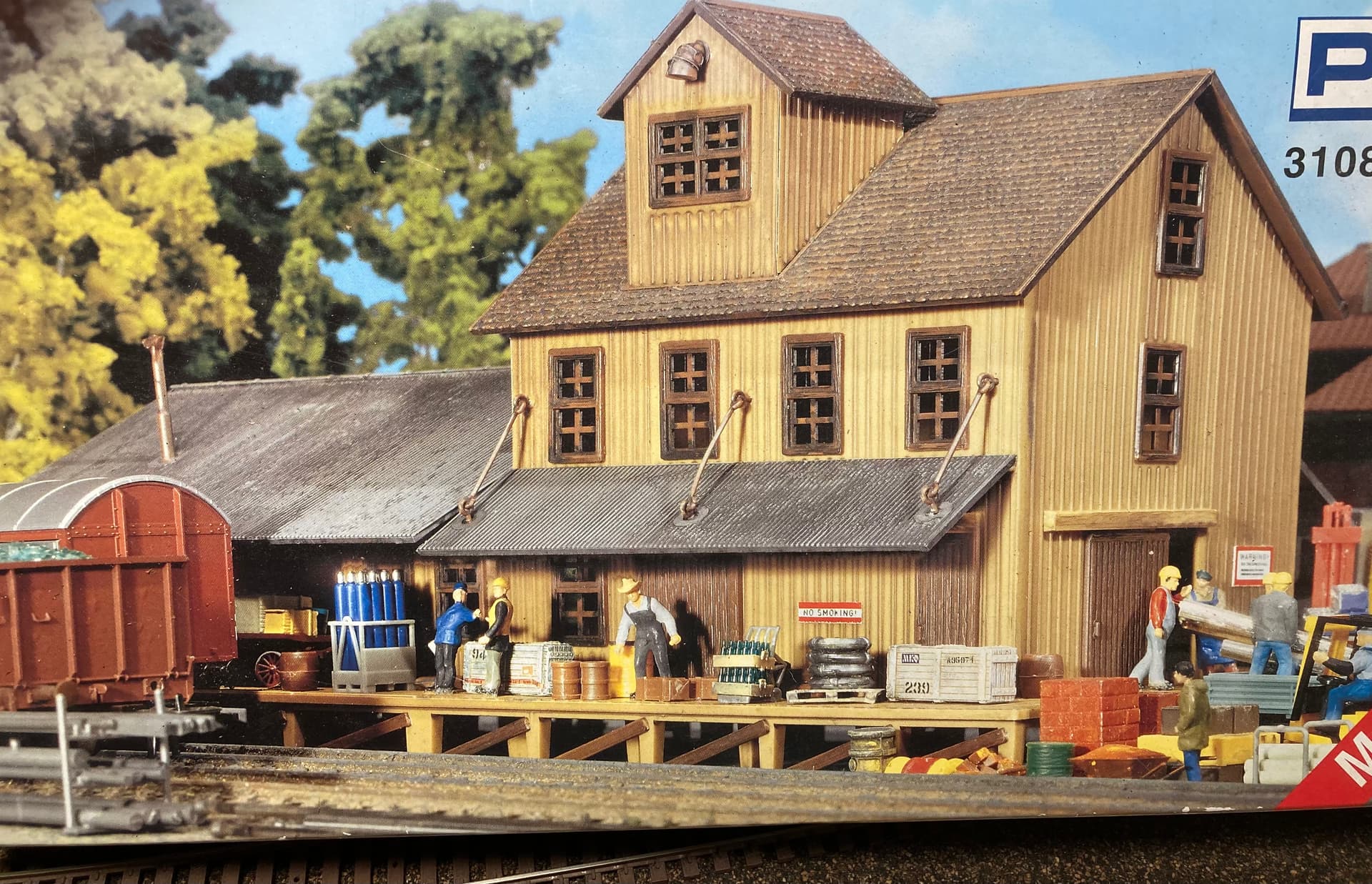
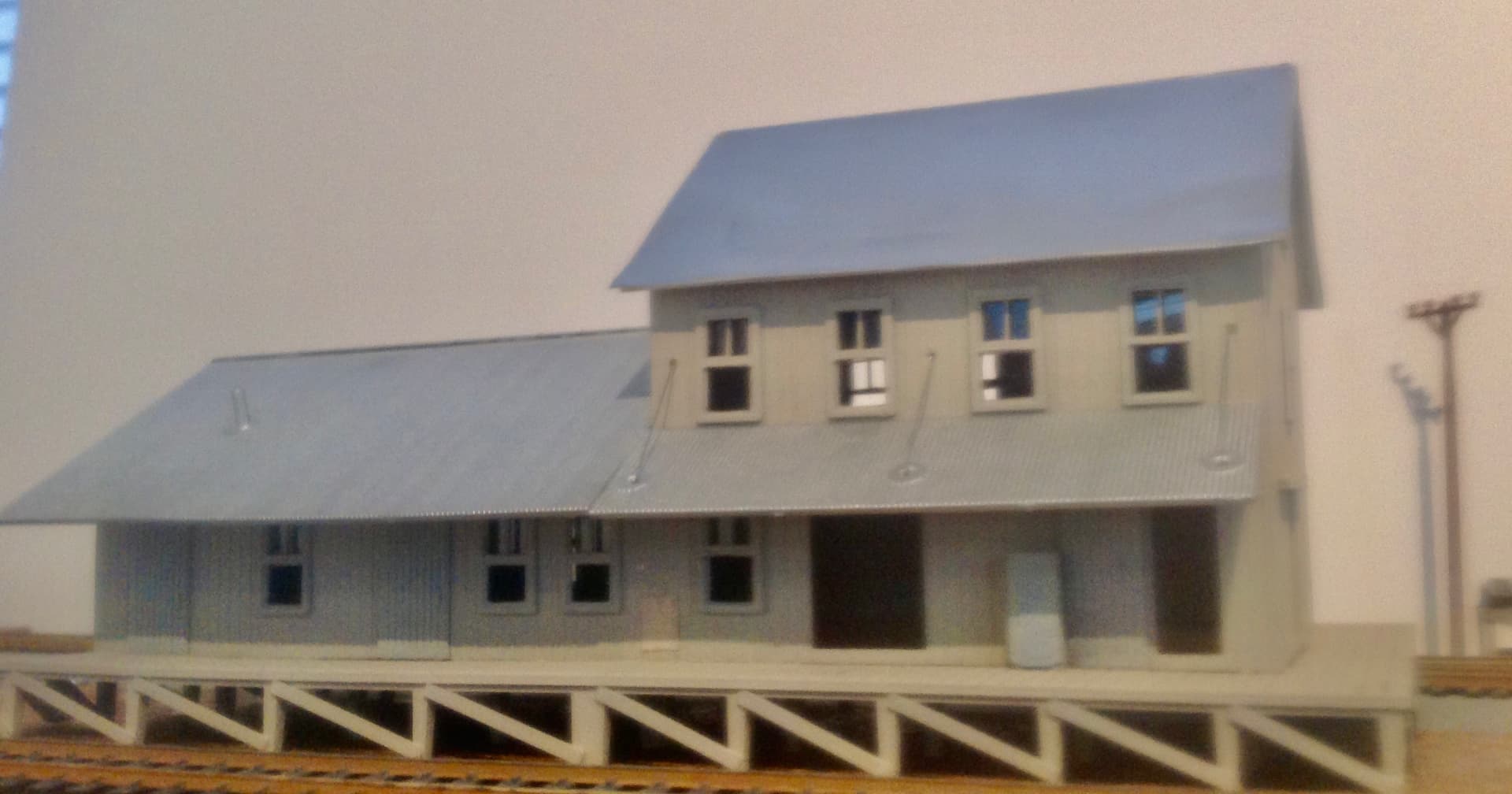
Here’s a couple of plastic structure rehabs I did for the old club .The work consisted mostly of removing extraneous window mullions and thinning down the ones that stayed, and repainting in better colors. Someone once told me that most buildings are either white, gray, tan, or brick colored, and I’ve done that as much as I can on my layout.
These buildings were on the club layout a while and one day I came and they were gone. No one knew what happened to them. I wish someone would’ve at least asked me. They were too big for my present layout, but might’ve been good on a future one.
This one was pretty radical, got rid of the half timber second story, lowered the roof down, fixed the window mullions, and added a low end order board from the parts box.
Removed the extraneous dormer and put galvanized metal roofing on the roof. Removed a lot of oversized clunky window mullions and thinned the rest down. Used fine wire for the awning supports. Painted a sensible color.
Easily, especially if the 2-10-0s are WW1-era Russian Decapods. Many branch lines might have heavy periodic freight traffic using high TE with low axle loading, but only ‘franchise retaining’ levels of passenger traffic…
If I recall correctly, the last new-built 4-4-0 Stateside was in 1928, and it was a reasonably modern engine for its size. The English had the most sophisticated 4-4-0s only a couple of years later.