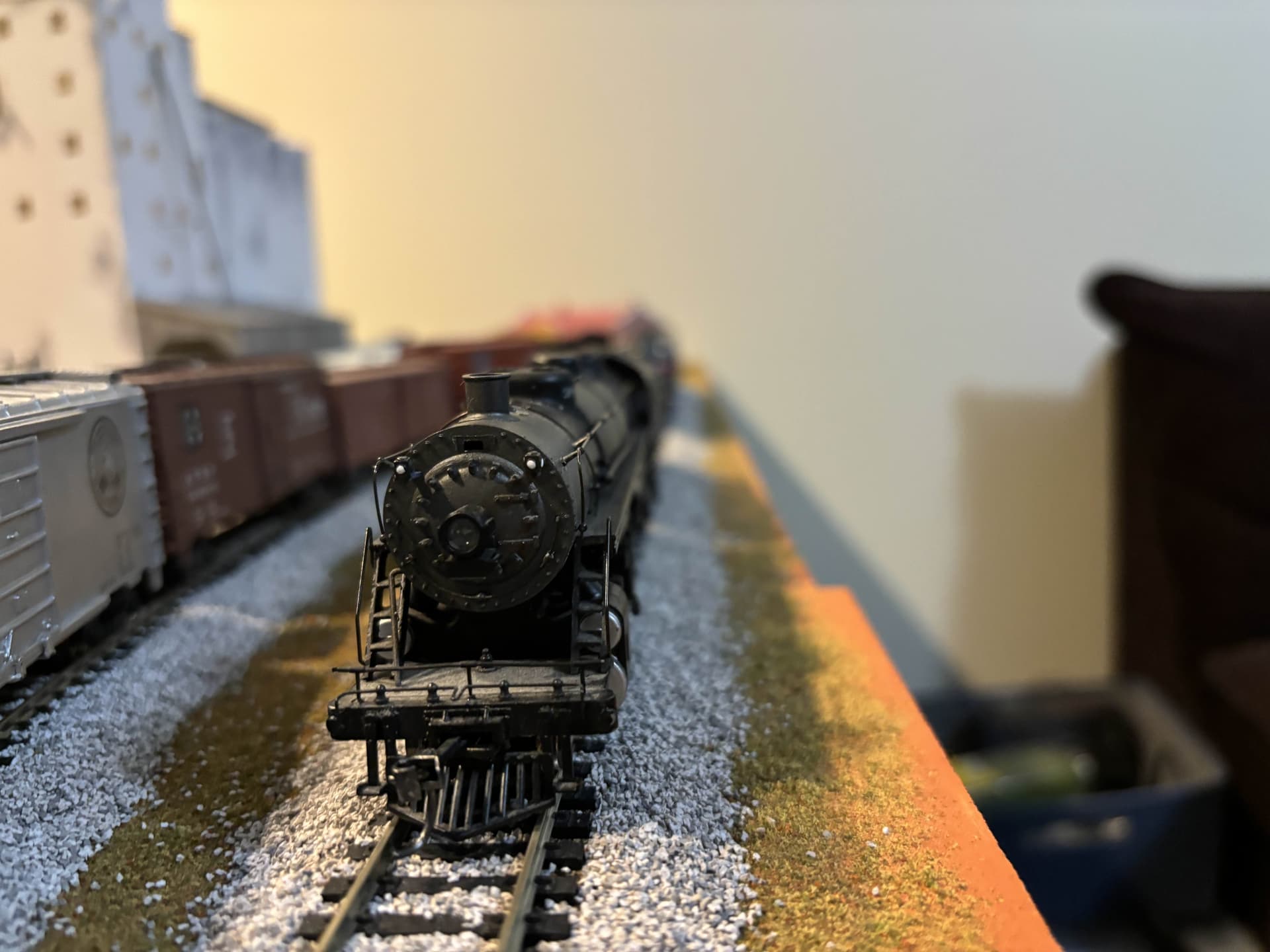
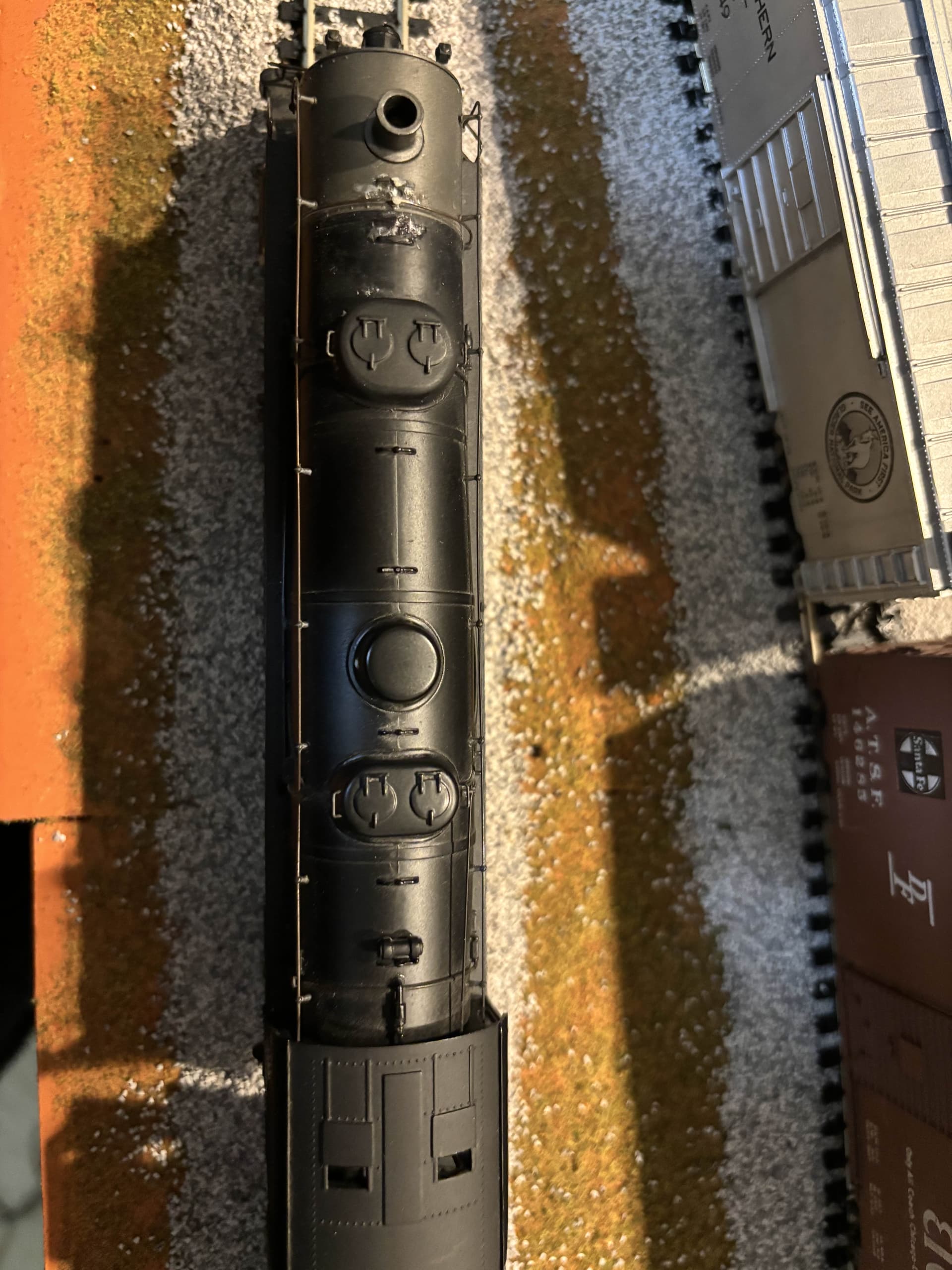
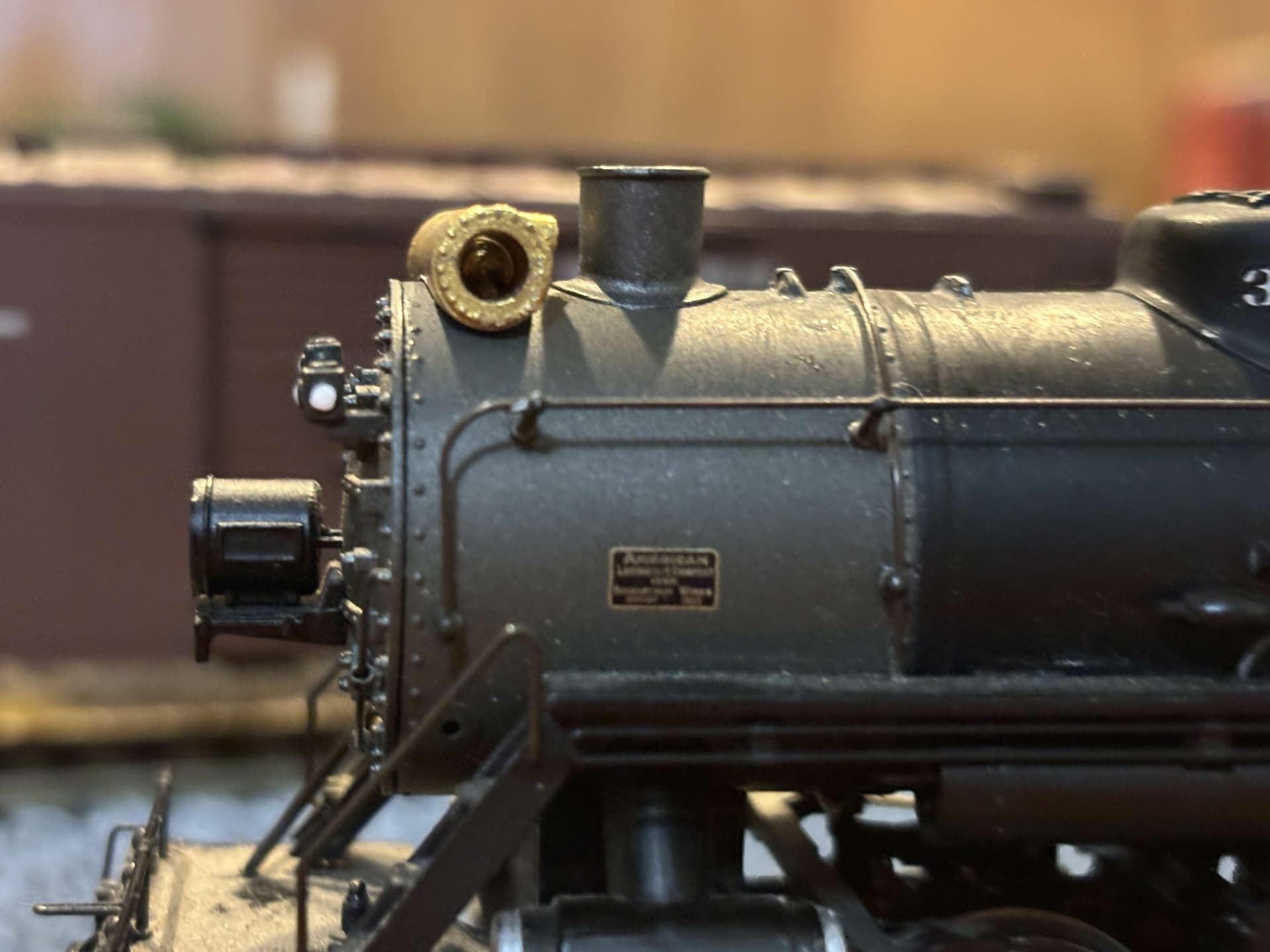
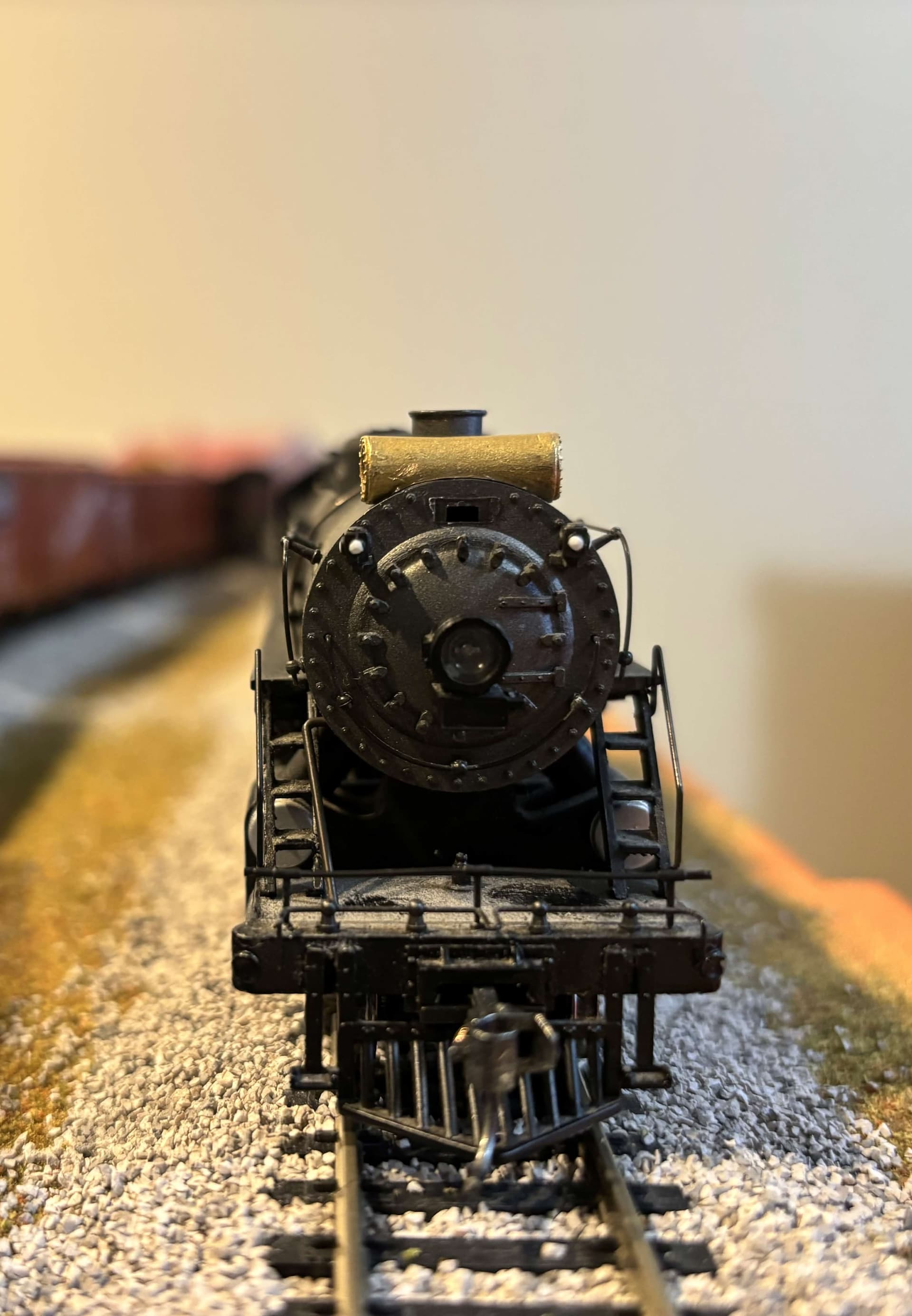
I think the time has come to start a topic for this locomotive.
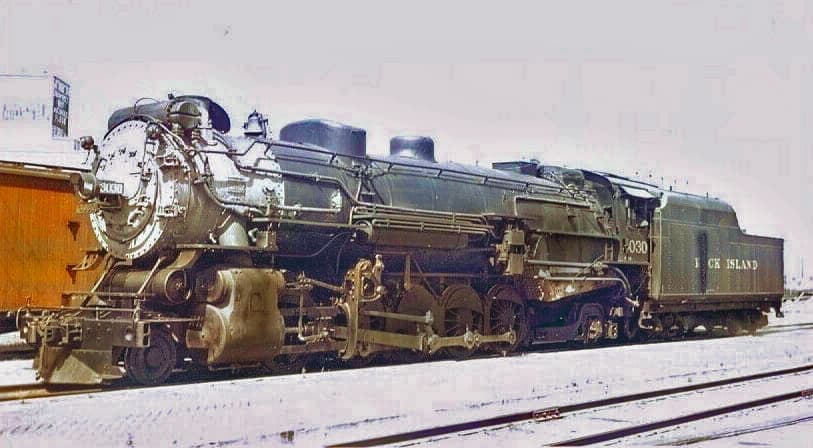
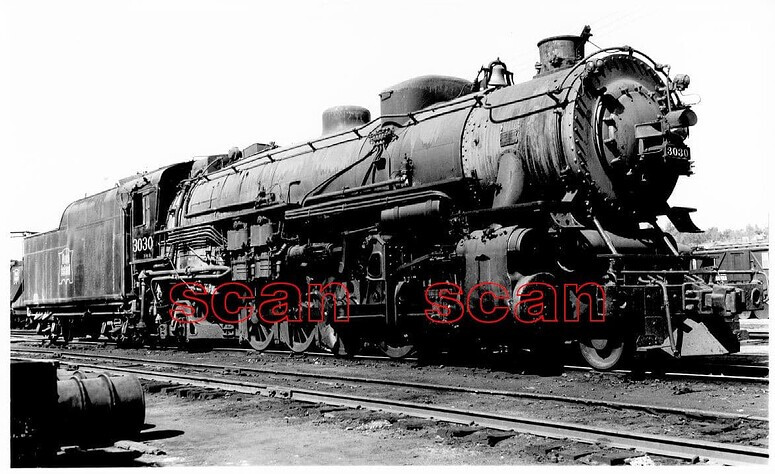
To the uninitiated, I’ve been yapping a storm in the Rock Island Historical Modeling topic about doing a kitbash, specifically of Rock Island N-83 3030, a 2-10-2 steam locomotive. In brief, I was looking at models of Rock Island steam online and noticed that an HO scale 2-10-2 has not been produced for the Rock Island, brass or plastic. What made me choose 3030 over the others of the class was the presence of an Elesco feed water heater mounted on the front of the smokebox, something I had not previously seen on any Rock Island steamer. Indeed, this particular feed water system is exclusive to 3030 and its sister 3032. Coupled with the fact it seemingly spent a lot of its life in my home state of Oklahoma, I figured it would be a fun project.
So far, it’s been a lot of fun to research. At some point in the locomotive’s life, the Elesco feed water heater was removed, likely sometime in the 1940s. The two photos I’ve found of 3030 without the feed water heater were dated to the late 1940s, a couple years prior to its retirement in Dec. 1950.
For my purposes, I will be modeling 3030 with its Elesco feed water heater and a tender with the Rock Island emblem.
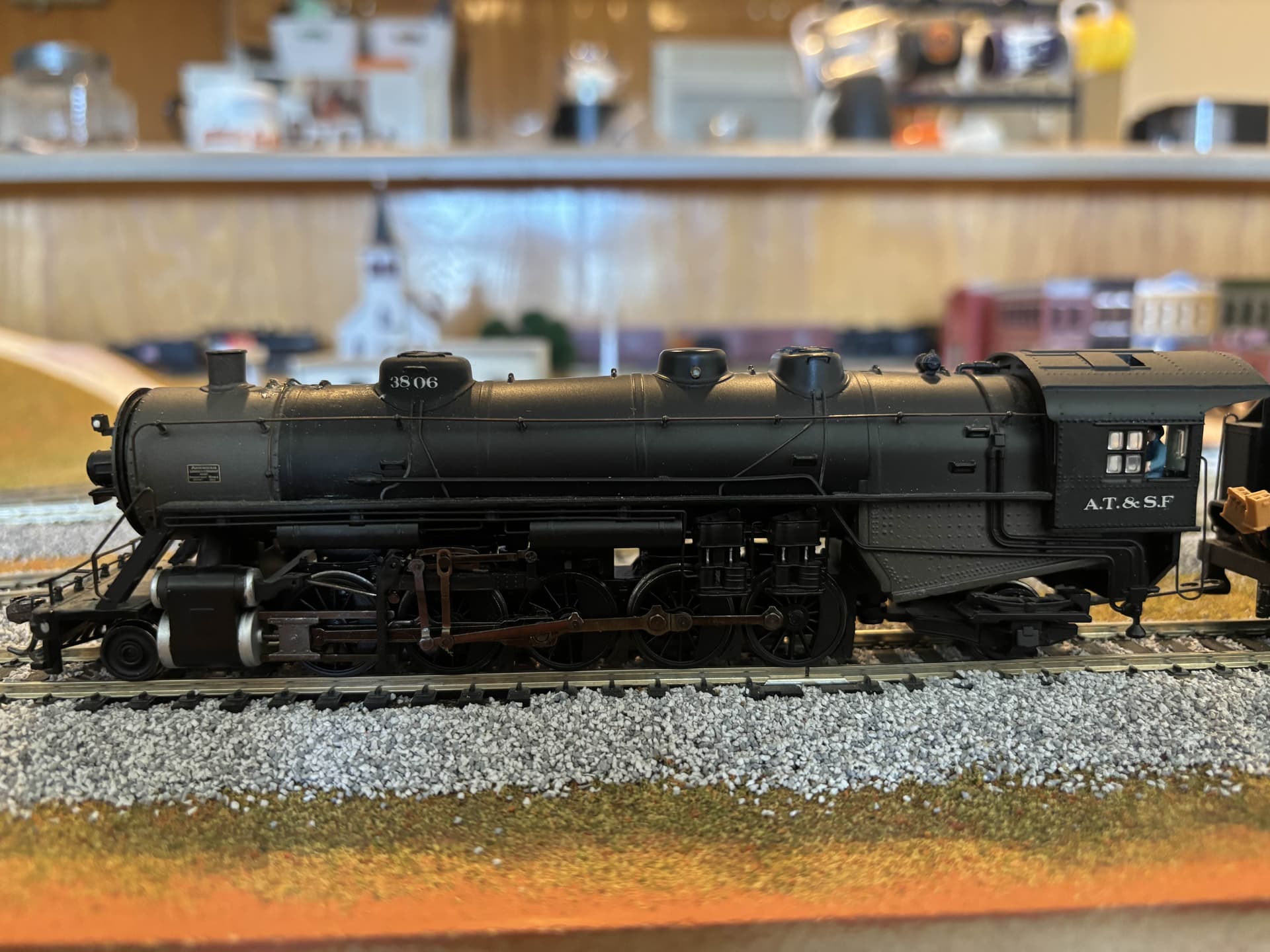
I’ve not started anything just yet, but I’ve made orders. I acquired a DCC Bachmann USRA 2-10-2 that should be arriving in the mail sometime this week. Once it arrives, I’ll do basic maintenance (lubrication and applying new grease to the drive train) since I bought it used and have no idea when it was last run. I also ordered brass/metal parts for the Elesco feed water heater, the pipes, bell, and the air tank that sits beneath the smokebox. Looking at the locomotive, I’ll need to order a couple of small turret covers, probably a replacement dynamo and sand dome, and possibly a whistle. The tender is going to require more attention, but that is a bridge I’ll cross later.
Looking forward to updating this over the next couple of months as I make something pretty unique!
5 Likes
Don’t forget that you’ll need to model the booster and all the articulated steam pipes and elbows for it…
1 Like
Right! That’s important. Do you know of any manufacturers that make kits for the Franklin booster and pipes?
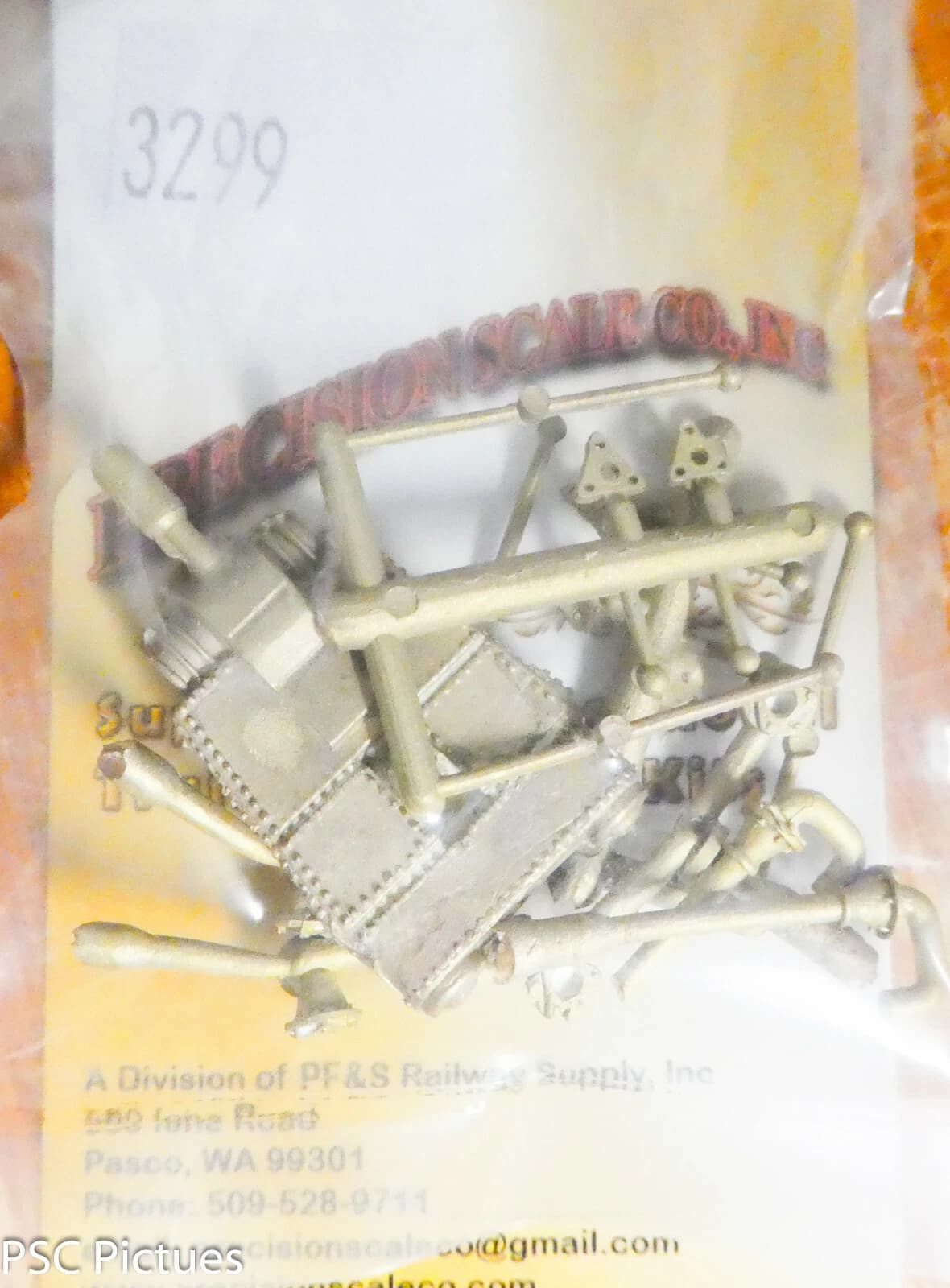
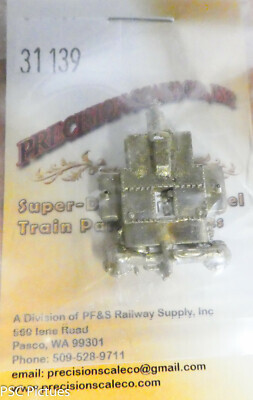
EDIT: Precision Scale makes a kit for this. It’s a Franklin Booster with steam joint connections.
They also provide an engine in both brass and plastic.
I am HOPING this is everything I will need to model that.
3 Likes
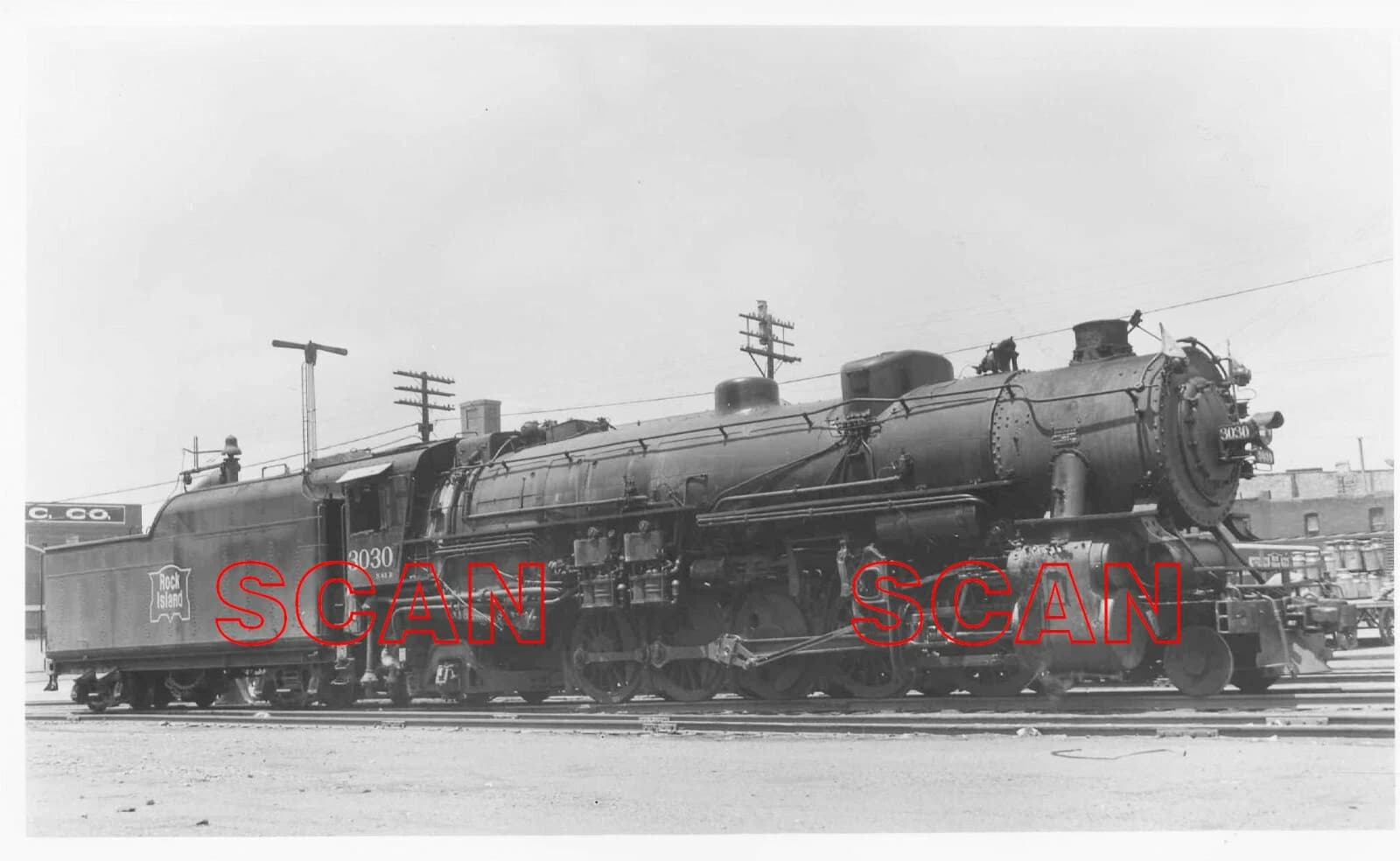
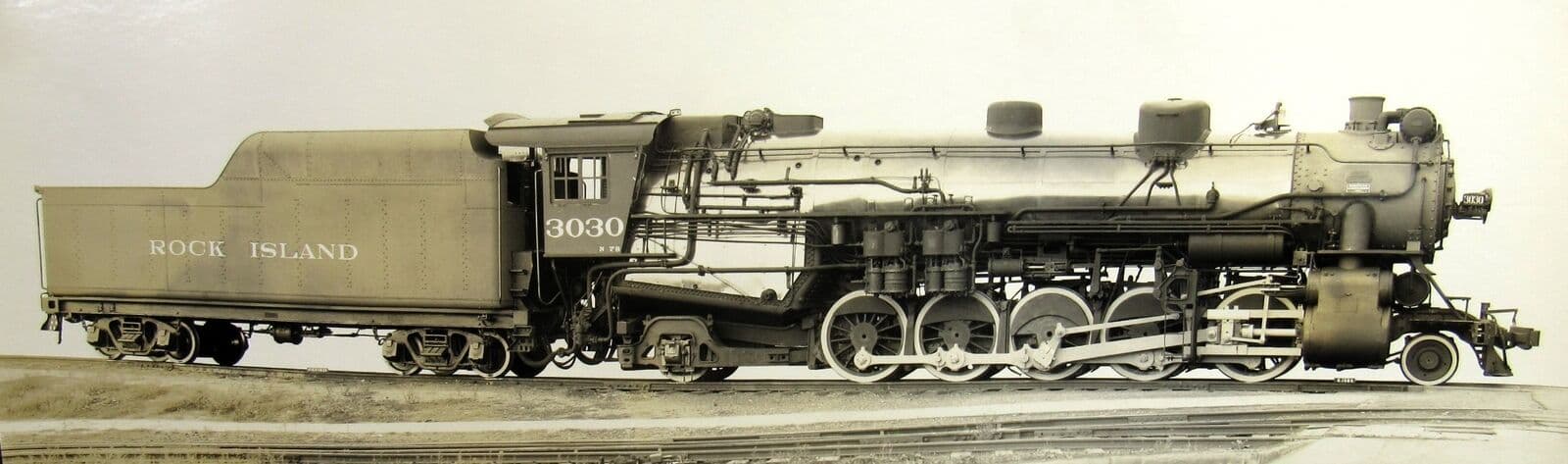
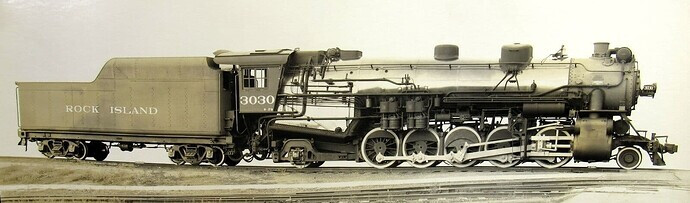
Well that was insanely lucky. Managed to find a picture of 3030 in her Alco delivery shot - and
FINALLY have a good photo of the locomotive’s side profile.
5 Likes
I wonder if it lost the distinctive feedwater heater during the same upgrade that gave it the booster. As delivered, if you look at the picture, it was class N78. At some point it was upraded to N83. When the booster was added, it became class N83B. Only a few received boosters, from some of the earlier Mikados that had them, and they weren’t used too long. Towards the late 1940s, with the end of steam in sight, they stopped maintaining the boosters.
Jeff
1 Like
That’s a very interesting theory… Certainly sounds plausible, as the RI wasn’t a huge fan of the Elesco feed water heater iirc. Maybe I’ll be able to find a picture of 3030 after its upgrade to N-83.
Part of the problem is that we haven’t gotten many of the firemen’s sides of the 2-10-2s that got the big one-piece BL heaters (3026-3029?) One might expect those to ‘go’ about the same time as the Elesco heaters if maintenance started costing more than the fuel, water, and range savings…
Boosters were always expensive and fiddly ways to augment low-speed TE. I have had the sneaky suspicion that all the high-speed/high-capacity mods on these were to make priority freight and ‘main trains’ in wartime both faster-running and faster-accelerating. When Operation Downfall wasn’t needed… neither were high-speed 2-12-0s to snap peacetime traffic on the routes involved…
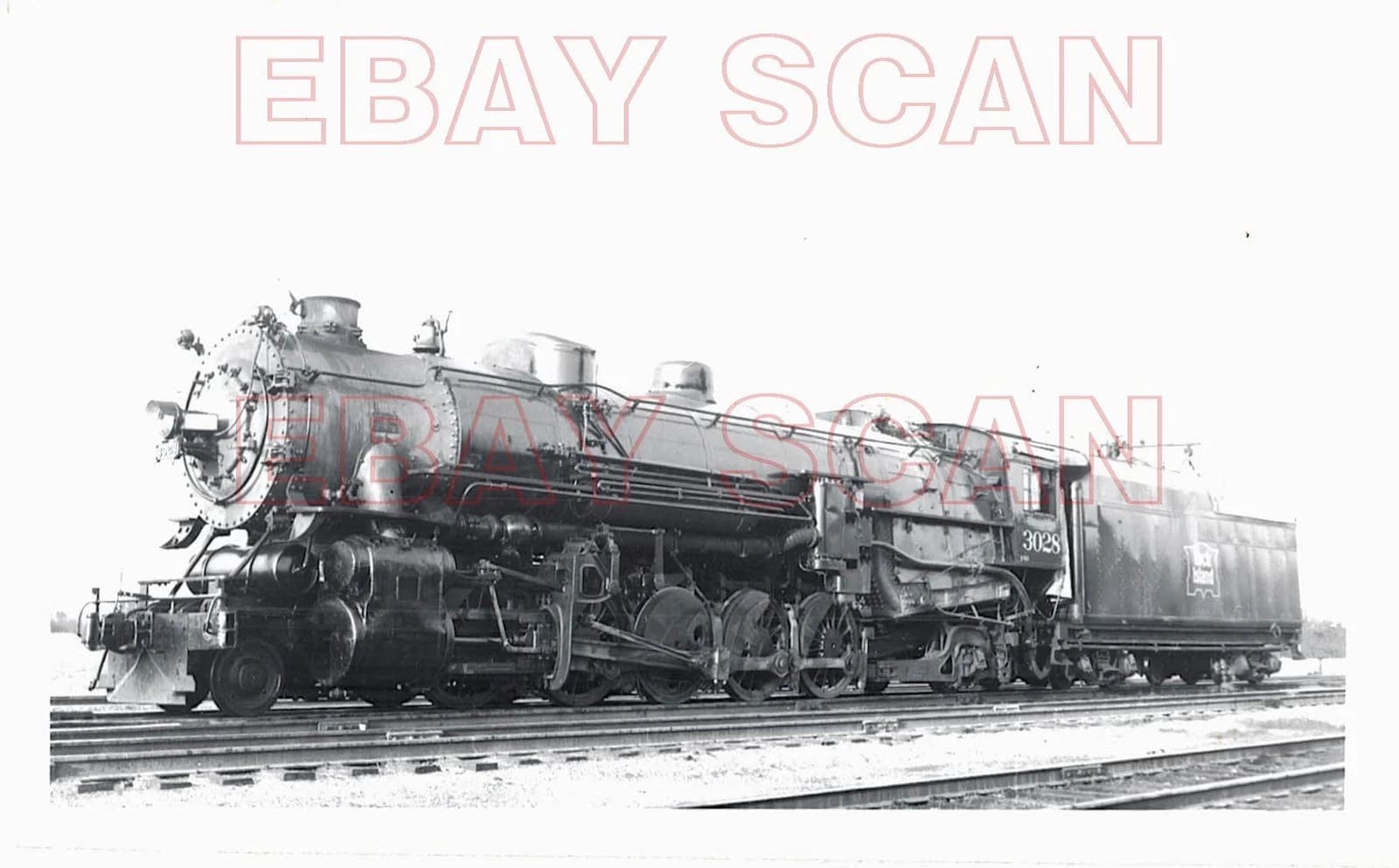
Actually on that note… saw this on eBay while ordering components for the booster and turret covers. The listing for this photo dates it to 1945 (take with a grain of salt). Based on the tender it’s certainly after 1938.
1 Like
If you can find them, there are two books on RI steam engines. One is Rock Island Motive Power, 1933 to 1955. It includes the first generation of diesel electrics, plus a general overview of RI operations during that time.
The second is Rock Island Steam Power. There is a third, soft cover companion to the first mentioned book, Rock Island Steam Finale, 1947-1954. It is more a history of steam operations, including rosters and division assignments in the waning years of steam. Books one (especially) and two have more detail on engine classes, modifications, etc.
The RI Steam Power book has a fireman’s side picture of 3030 at Dalhart TX in October of 1947. It also says the upgrade that changed the class to N83 was in 1941. Those that received boosters got them in 1942. It doesn’t say when feedwater heaters were removed.
Jeff
1 Like
Bet we find that the advent of boosters comes with the extra oil trains made necessary by the U’biat ‘happy times’…
I know about the first book and I intend to get a personal copy soon. Didn’t know about the second book; I’ll have to keep an eye out for that.
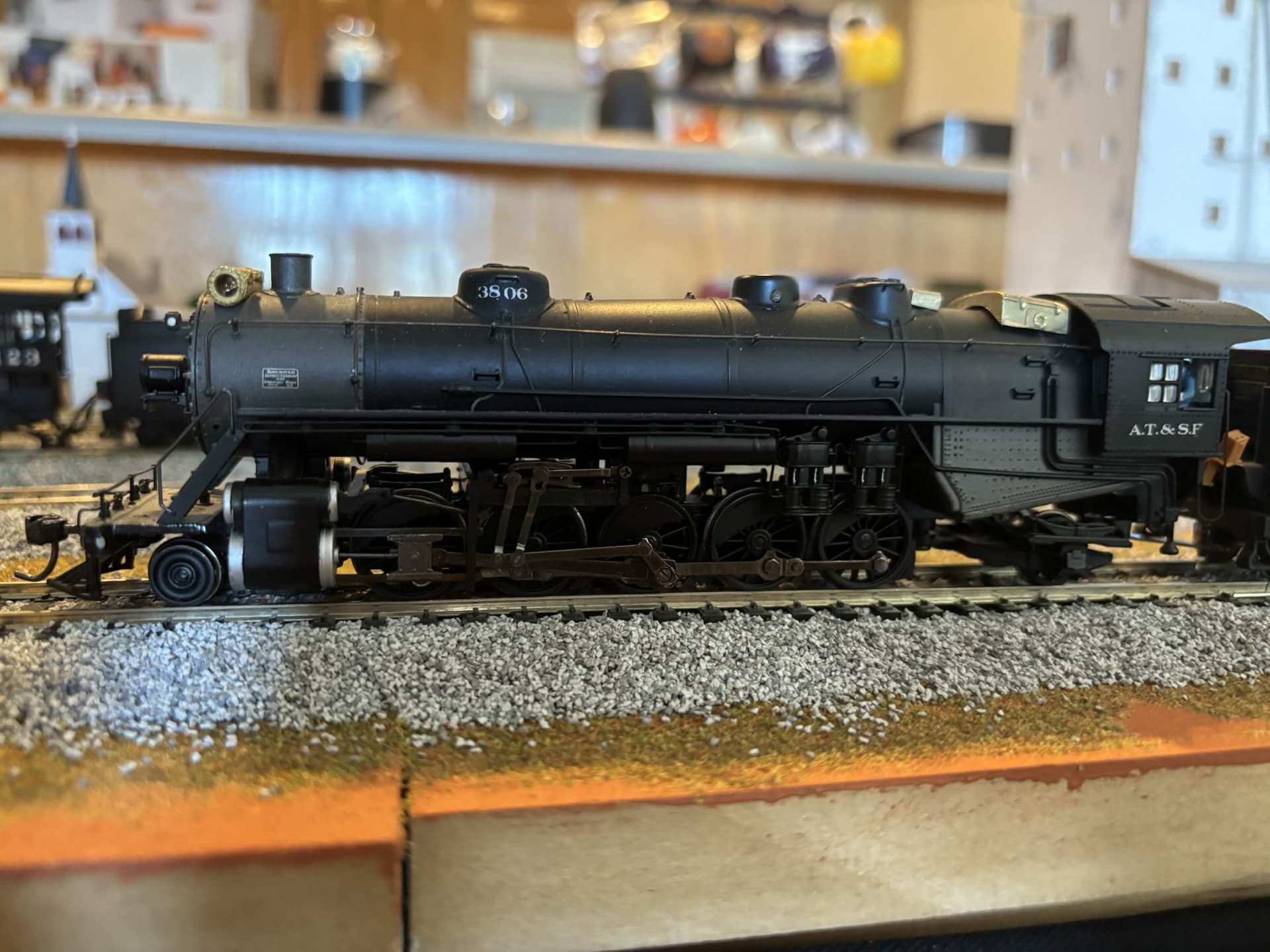
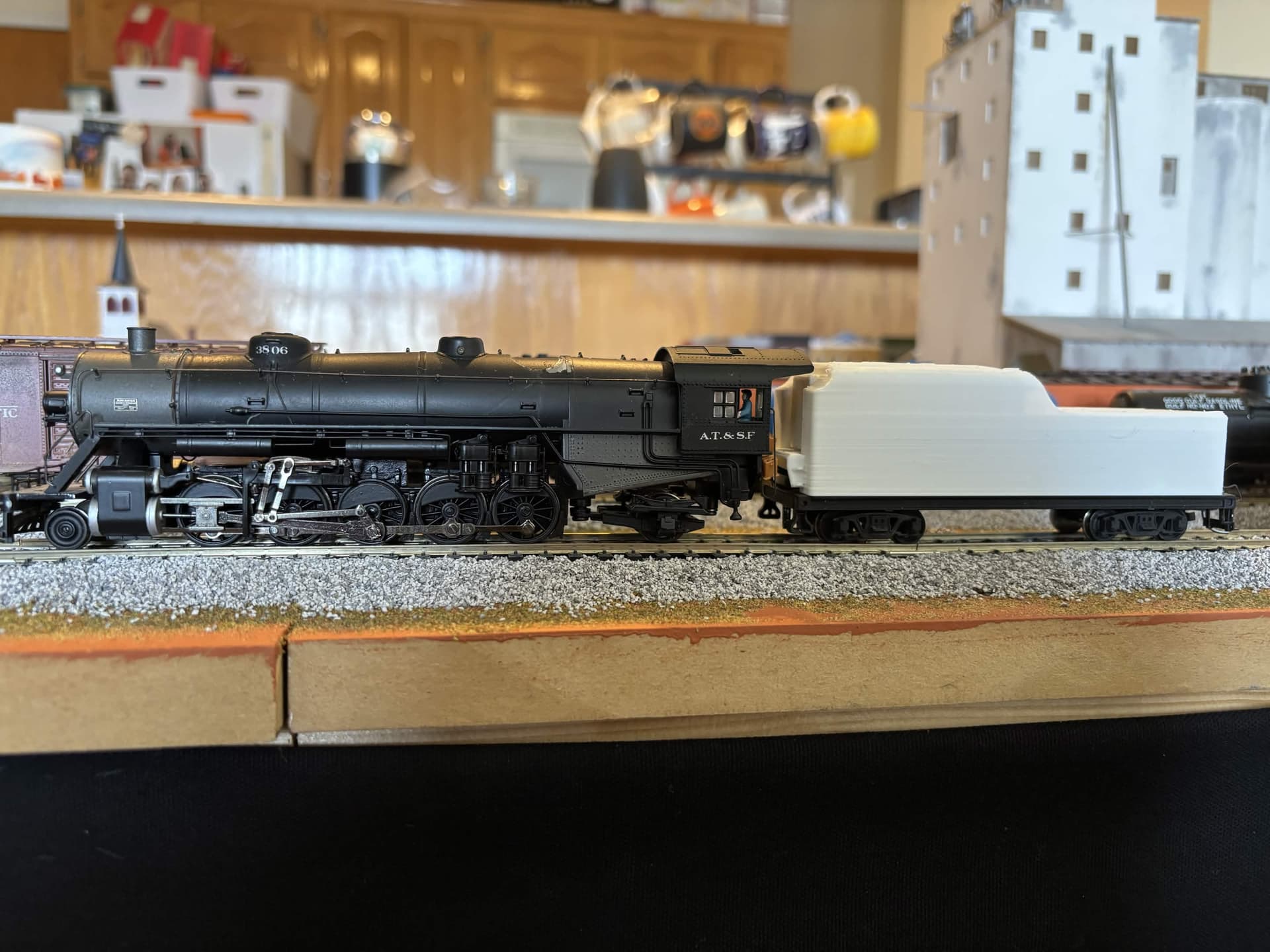
Locomotive came in the mail today. Mechanically, it is great. I tested it on DC and it runs well. Sunday, I intend to service the drive train with fresh grease and to lubricate the crankpins. Electrically, it is good, though I think it needs a bit of work. DCC was giving me problems, which given the age of this decoder isn’t too big a surprise. I tried to reset the decoder but received a “cannot read CV” error on my NCE setup. A Google search told me it could be due to bad contact between the rails or the decoder being old. Considering I’m planning to replace the decoder with a LokSound V decoder, I’m not worried. What does worry me some is that the feeder wires that flow from the tender to the locomotive are a bit worn, and the larger of the two plugs does not fit as tight as I’d like. It is able to jostle itself loose while being moved by hand. The feeders can be replaced, but I’d like to avoid that if possible. There is also the possibility I am unable to find just the alternative tender shell and have to buy the full tender. One last thing worth noting is the locomotive is heavy and the area under the firebox seems to be diecast, the latter of which was a huge surprise.
EDIT: the whole bloody boiler is diecast; detail parts like the sand and steam dome are plastic. I am sorry, Bachmann; I was not familiar with your game.
Cosmetically, there are some things that need immediate work:
- The smokebox door will either need the bell hole sealed or to be replaced. Additionally, the front light is not accurate to what was used on the Rock Island. From all of the photos I’ve seen, the side numberings are angled, not perpendicular.
- There is a very ugly glue fail between the smokestack and the sand dome that will need to be sanded down.
- To my benefit, the grab irons are metal! I’m hoping I can bend them into the proper shape, but it may be better to replace them with my own.
TL;DR - locomotive looks to be excellent mechanically, great electrically aside from the feeder wires, and needs work cosmetically (which is not a big deal).
EDIT: Comparing the locomotive to the images, I’ll also need to get a more accurate bogey (the one on the USRA 2-8-2 I have is accurate) and an accurate front catcher. The one on 3030 is solid while the one I have on my model is grated.
3 Likes
Small update for you all, but I managed to get the Elesco feed water heater smokebox component trimmed. The Dremel I received for Christmas made that pretty painless. I’m not ready to affix it just yet, but I’m thankful the trim went well. It was 100% the part I was the most worried about screwing up and having to order another of.
Next step is to trim the rear turret cover. Once that is trimmed, I will begin prepping the brass parts for paint and gluing/soldering brass parts into subassemblies for future attachment to the model.
I also need to move some of the components on the frame of the locomotive. The steam dome needs to be moved and some of the pumps on the side of the locomotive need to swap sides. The latter components are separately fitted plastic parts, fortunately, so that shouldn’t be too big of an issue. The steam dome is also plastic, but it appears to be glued in place. I’m unsure if CA debonder will get under there, and any attempts to pry it off with a hobby knife have been fruitless. I will try CA debonder first.
4 Likes
Couple of things to report.
- Brass parts have been grinded as needed to fit onto the locomotive boiler. A little bit of metal needs to be trimmed off the boiler as there is a lip where I need to place the larger rear turret cover. Sometime this week I will start cleaning the brass parts and soldering/gluing them together. I was planning to use the same lead-based solder I used for track soldering, but let me know if I should use something different.
- I’ve acquired some CA glue debonder that I’m going to try on the locomotive boiler to remove the rear dome and steam dome. The steam dome I’ll remove second because I’d like to reuse it if I can.
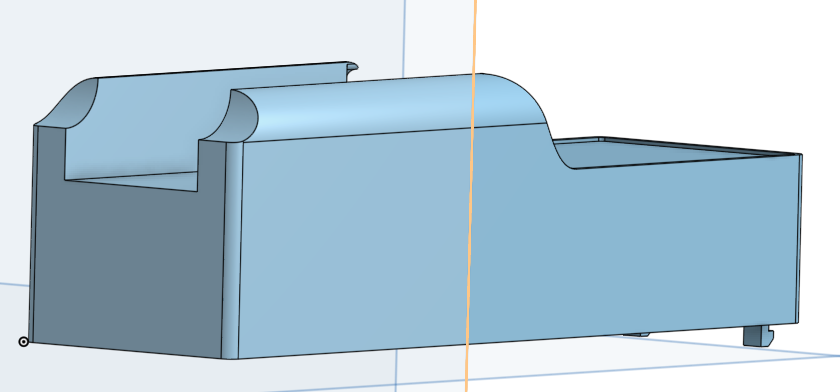
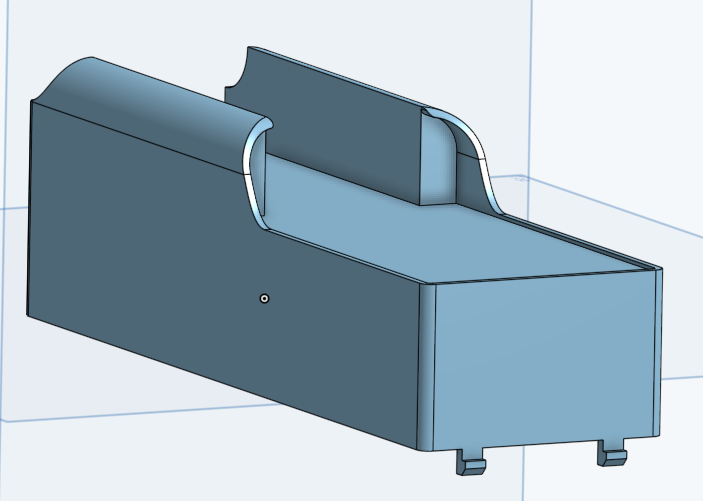
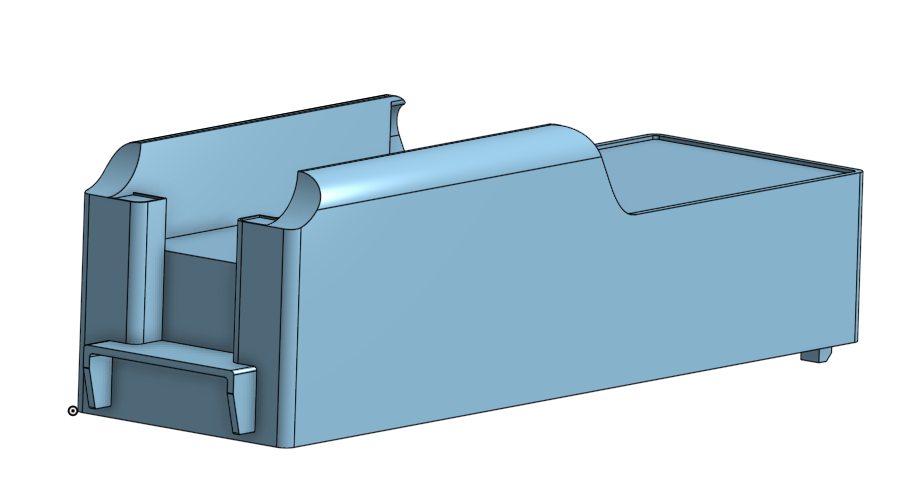
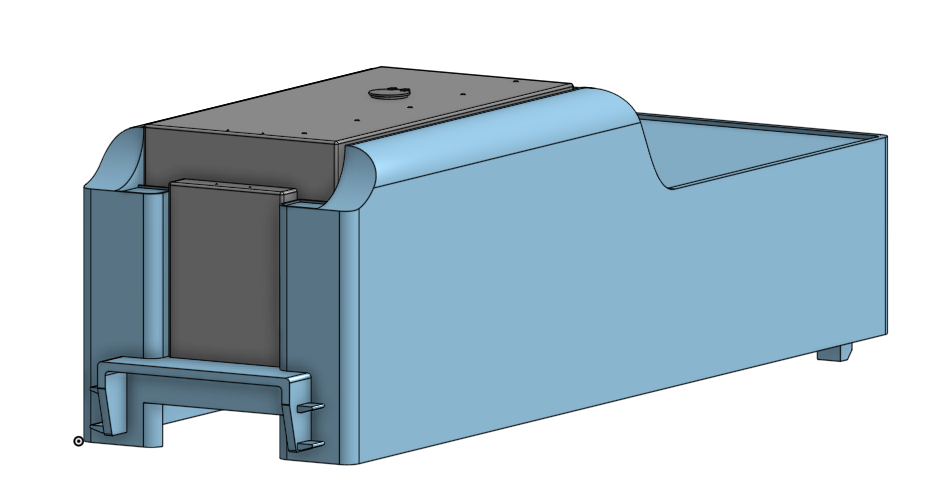
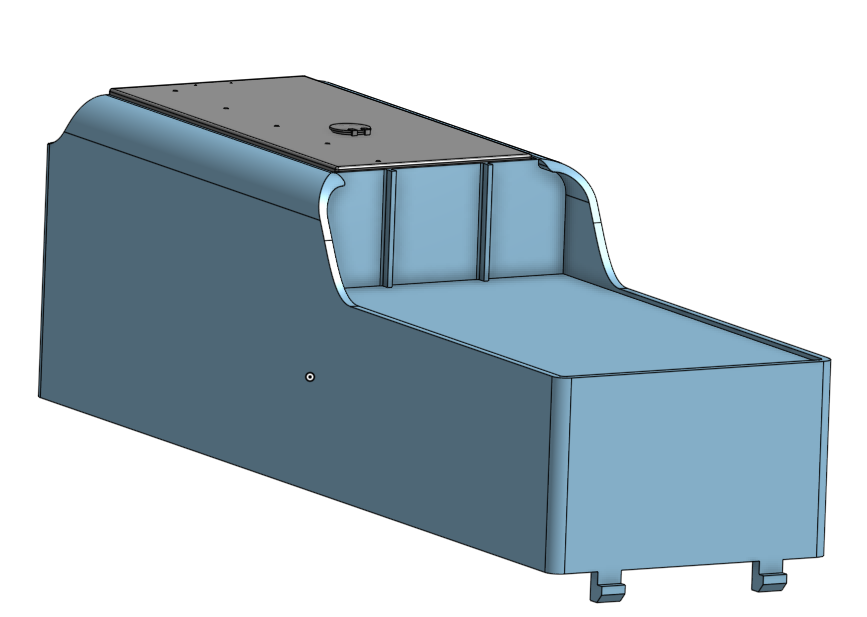
- Long-awaited tender update. After looking at my options online and being happy with none of them… …I’ve picked up 3D modeling for the tender. Several years ago I learned Inventor for a pre-engineering class at a high school votech center. Currently learning OnShape, and honestly the skill has been coming back. The university I work for has a 3D printing lab with a resin printer, so the material should be high quality. Here’s what I have so far, based on pictures I’ve found online and what I’ve found in the Stagner RI motive power book.
EDIT: update from this evening
3 Likes
Work in the lab has been light. I managed to finish the tender and the oil tank. Going to test print the tender shell with filament for sizing. If it works, I’ll move on to a full resin print of both components. The hand rails on top will be done with wire. The rear ladder (and possibly the water hatch) I’ll order brass parts for. On the whole I’m very pleased with how this turned out for my first foray into 3D modeling in nearly 10 years.
3 Likes
Since last time, I was successful in removing the rear dome off the boiler (picture below). The CA glue debonder worked well, but it was rough on the plastic part. That likely means if I choose to use the debonder to remove the steam dome, I’ll likely need to order a replacement steam dome, most likely in brass.
Update on the tender:
-
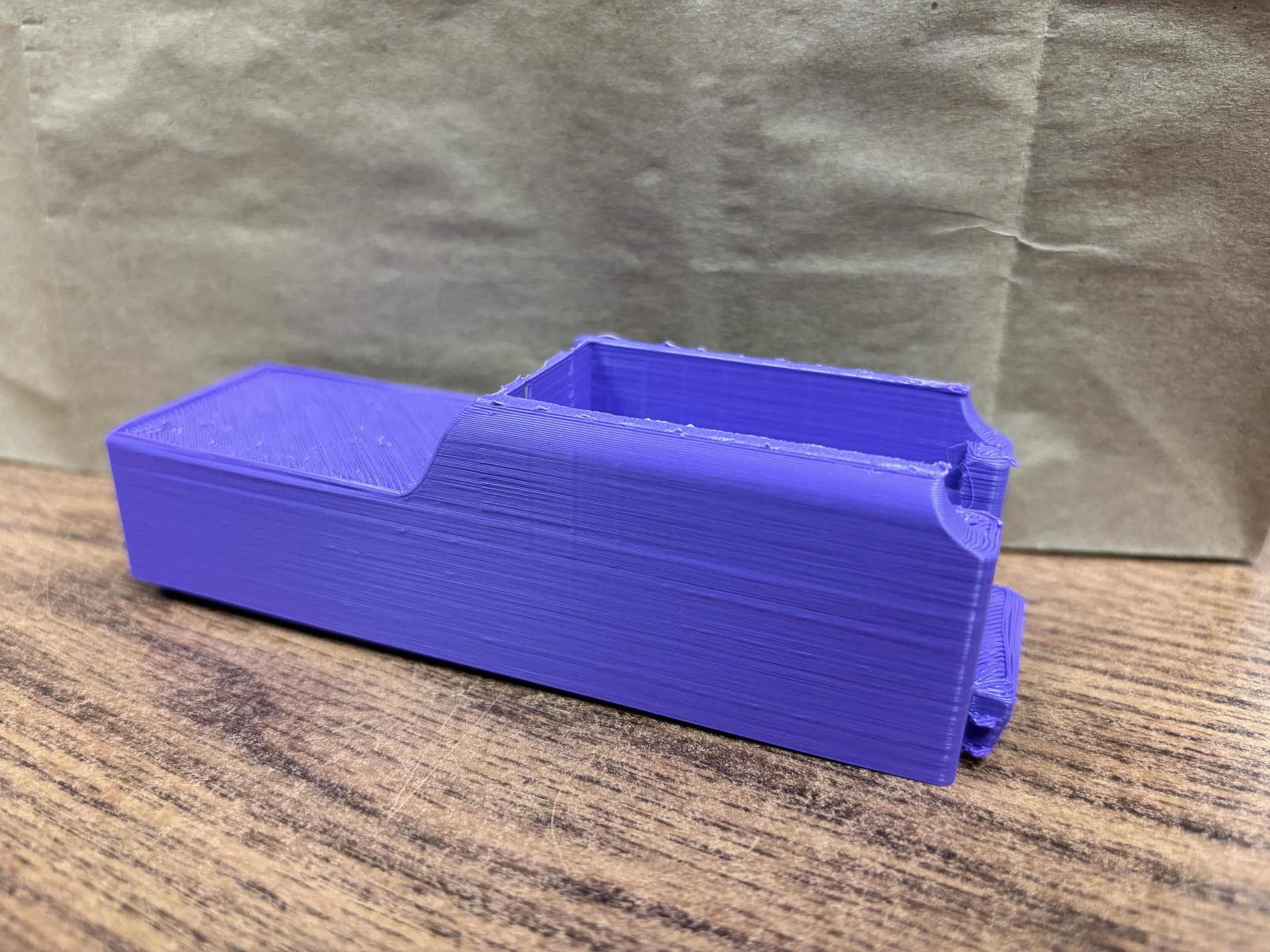
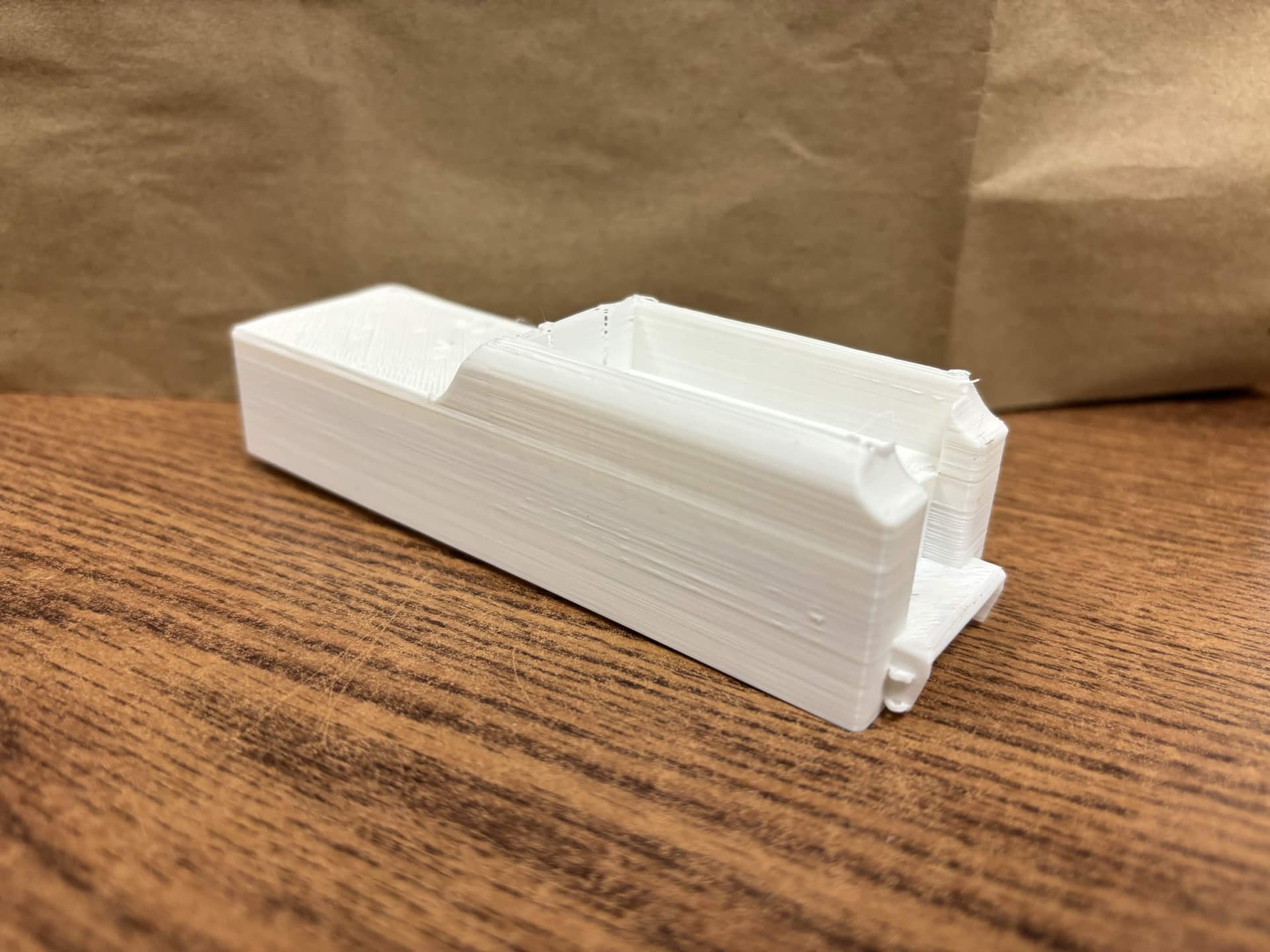
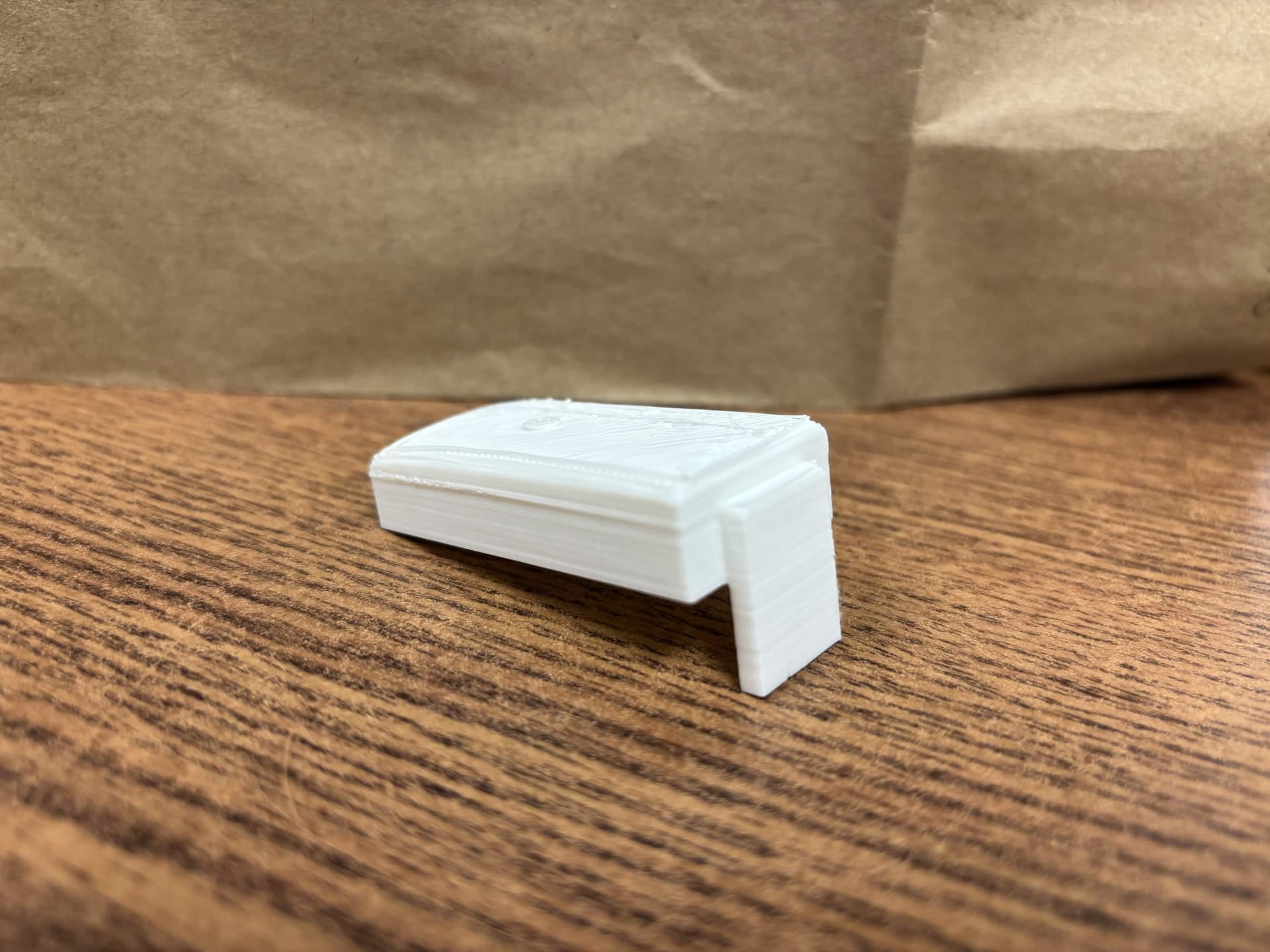
The 3D print on filament was a success! Some of the details were a bit muddied, but that’ll look better on the resin print.
-
The location of the tabs was slightly off. I have since adjusted that in the model.
-
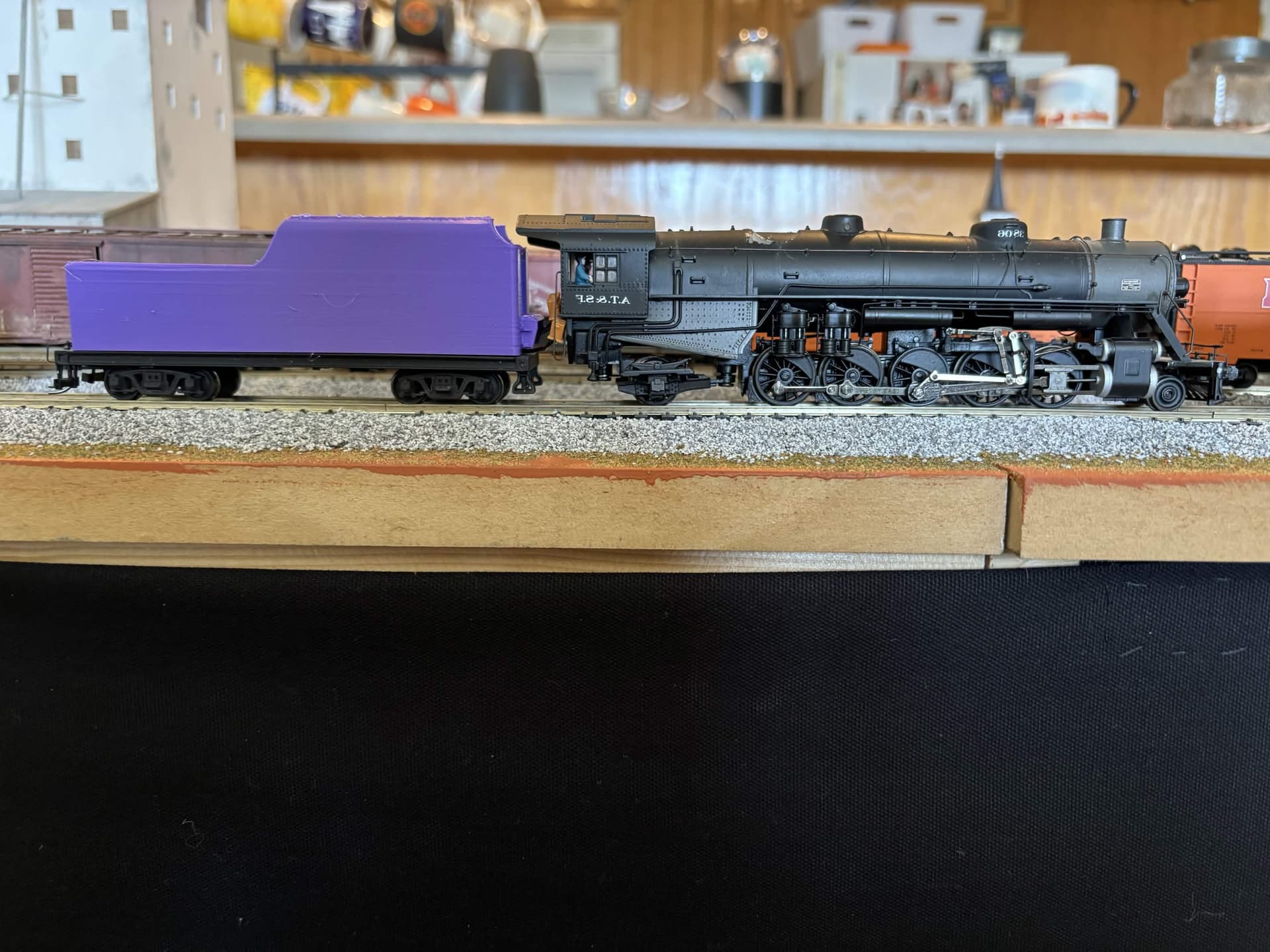
The top section of the tender where the oil load will be held is a bit too high. That is the most glaring thing I’ll need to adjust, and it is what I’m working on now. Compared to the side profile, the top of the tender comes up to about the location of the roof lip. That’s a height adjustment of about 0.1 inches in scale, which comes up to about 9 inches IRL! The other nice thing about adjusting the height is the rear slope of the tender will not be as steep, which should look more prototypical.
5 Likes
This question is only indirectly related to this Rock Island thread, but I recently read a book on the Leigh Valley Railway and fell in love with their 4-8-4 Wyoming’s (what most railroads called Northerns). I work in N-scale and no one seems to have modeled these, but there are similar locomotives available with smaller tenders. Does anyone know where I can get the data to 3D print a LV Wyomong tender?
My guess would be that the starting point would be pointcloud/measured drawing generation from one of the NJ Custom Brass Wyomings.
Please tell me you’re modeling a T-3.
(Incidentally the planned ‘steam’ replacement for the Ts was going to be a 4-4-6-4 duplex with an auxiliary 8-wheel water tender to get adequate range – I have seen the Lehigh Valley diagram for the proposed class. They bought diesels instead, of course…)
Tender update. I did one last test print of the edited tender and the oil tank to make sure tolerances were good. Not only does the oil tank fit inside the tender cavity, but it fits rather snugly. Fitting it to the tender chassis, these adjustments were exactly what was needed! I’ll be moving onto the resin print soon and will update y’all on how that goes.
In the meantime, I have a couple brass parts to order and a locomotive body to prep. Hoping to start attaching brass parts to the locomotive body soon.
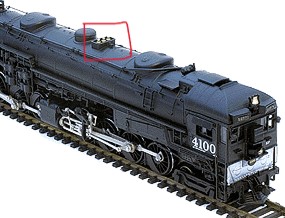
I also believe I’ve an idea on what that box is in front of the dynamo. We previously determined the rear box was a turret cover. I think what is in front is a whistle box, as I’ve seen “superpower” models that have a hollow box like that with whistles inside (BLI SP cab-forward as an example; marked by red box). If there is a better/proper term, please educate me. Also would like to hear your thoughts.
4 Likes
Been a whole month! Progress has been slow while I waited on some more detail parts to arrive and for the weather to cooperate for priming. This week, everything fell in place to get most of the detail parts primed and affixed to the locomotive body. Really pleased with how this is looking.
The next task is getting the Elesco feedwater heater system with its piping all soldered together, lengthened accordingly, primed, painted, and affixed to the model. I need to figure out what to do about the booster as well as the headlamp, which is currently not correct. Hoping that with springtime in full swing I can get more work done.
3 Likes