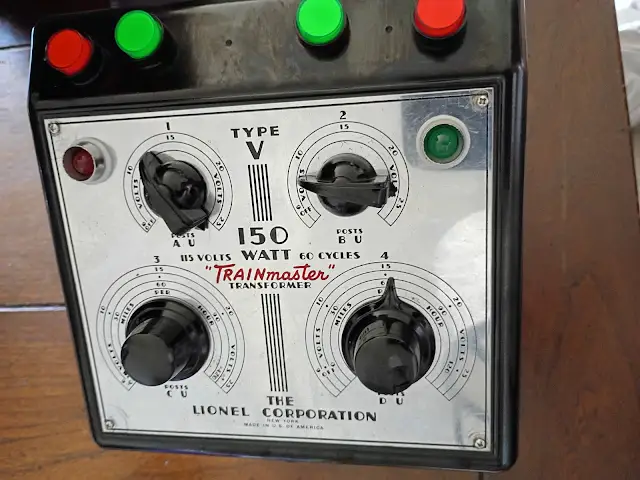
Lionel Type V Transformer:
Fully rebuilt & upgraded 
Green = whistle / red = reverse
Plus a fast action modern circuit breaker with a push button reset on the back of the case! As was said, the Type V and Type Z have a full range of voltages other transformers simply lack. Prewar, Postwar, European 20-volt motors, Standard/Wide Gauge etc no worries for me & you won’t hear me say: “Scotty, I need MORE power!”
1 Like
Ah, the good ol’ Type V.
I never need more power either!
1 Like
 Flintlock76
theres one resale shop in my area and i been needing a G scale engine but man the problem is taking the chance because its a shay style engine for like maybe 200 bucks but the downfall it comes in box untested you dont know if it works or not and last time when i bought the circus train the steamer didnt work. and the other i got that did work was a battery powered one so yeah its iffy
Find out a part number for the Shay. Or, count the visible screws under each truck and tell me. $200 isn’t bad…unless 6 or heaven forbid, 8 screw bottom plates…then you’re ON SALE over $475 for a set of trucks. Folks dump those engines when trucks fail.
1 Like
I have a V…got it with a 726 football. Still works. Shelf of all sorts, but my main supply is one ZW, A and D wide open (rollers not shorting any secondaries) with All-Trol memory walkarounds.
Yards and roundhouses, 1033 usually. Have a BIG board with BIG transformers that will replace the ZW with fixed voltage.
I may have a 1034 on one yard turntable.
2 Likes
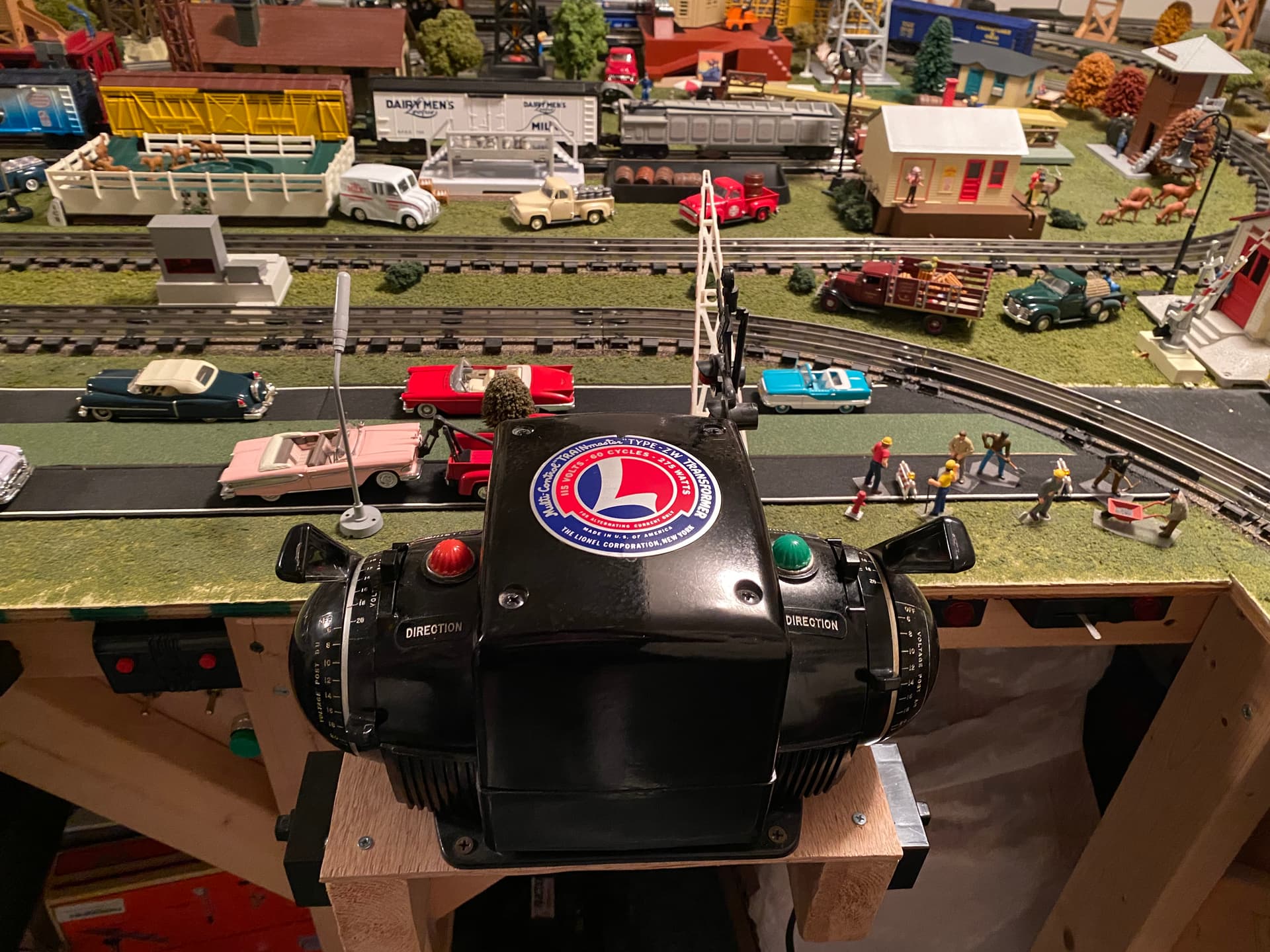
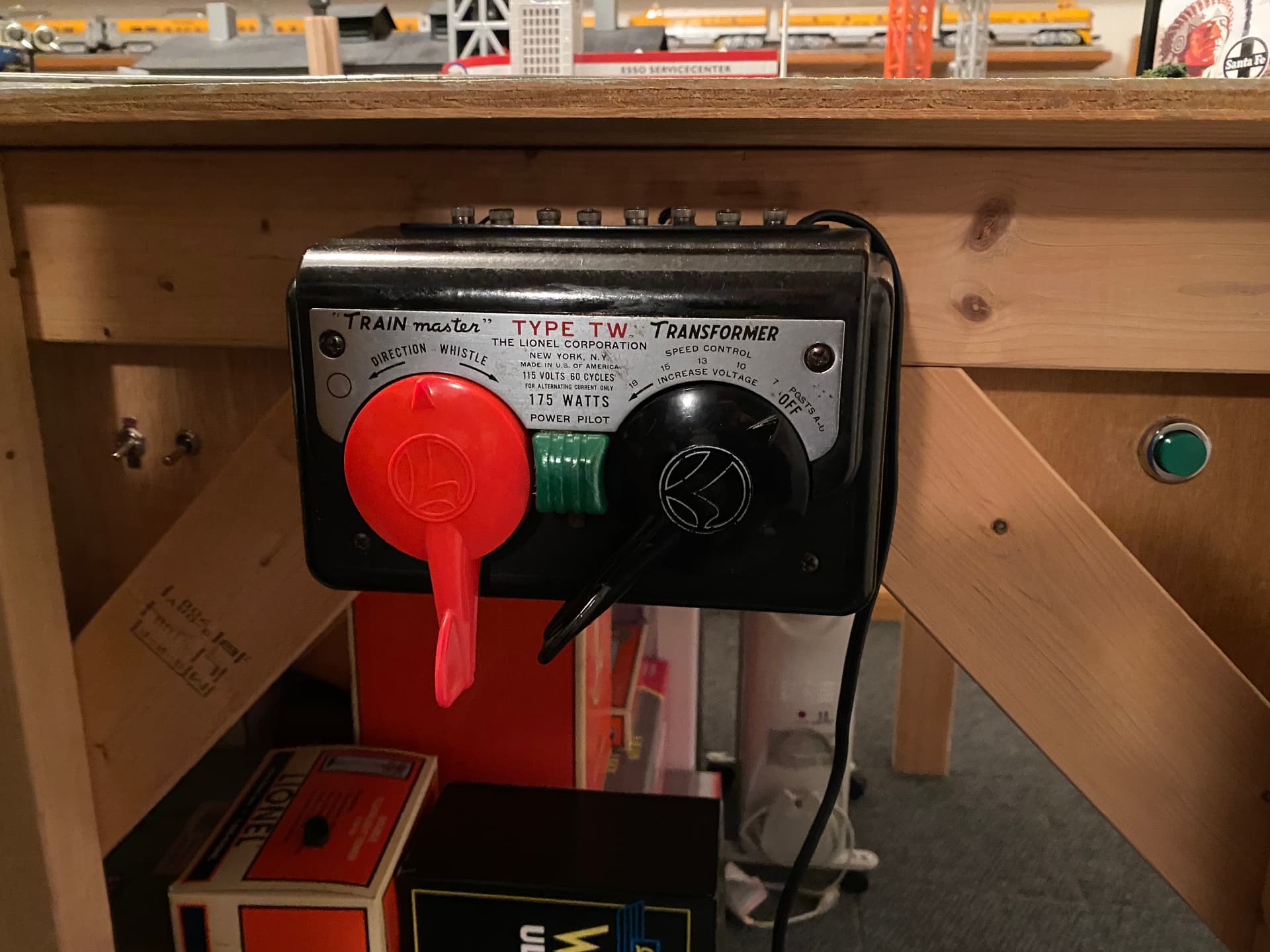
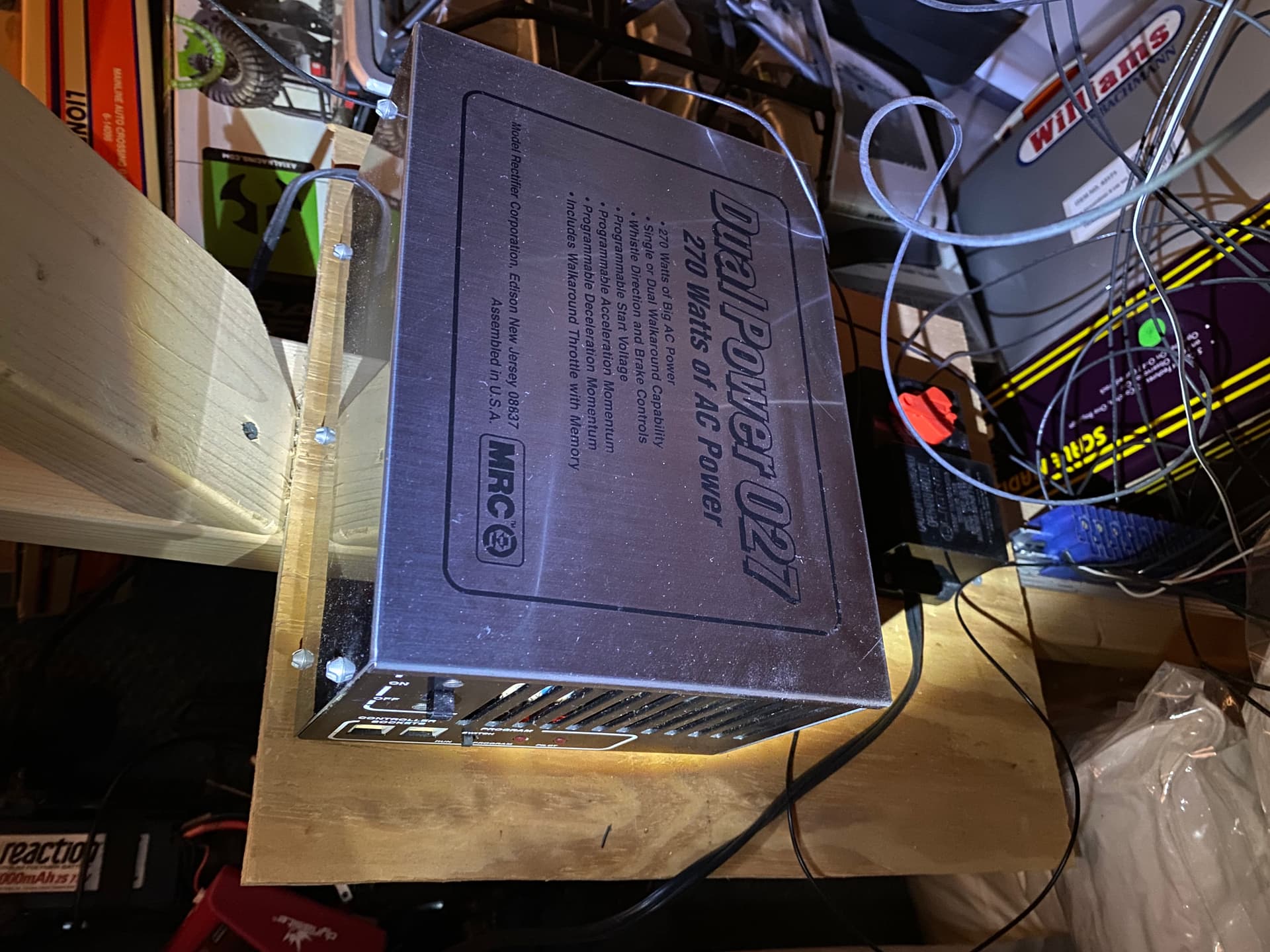
I use a 275 Watt ZW for the two loops of track and the switches. I have a vintage TW to power the elevated trolley. An MRC Dualpower 027 powers all of the lights and a small DC transformer powers the oil Derrick. I gave the oil Derrick its own transformer after it affected the lights and trains. The lights would dim every time the Derrick cycled.
2 Likes
I prefer the good old straight-from-the-wall-socket-to-the-track approach. Nothing like having 120v directly on the track. A big benefit of power of this type is when people know this they treat you layout with extreme respect and refrain from touching anything! 
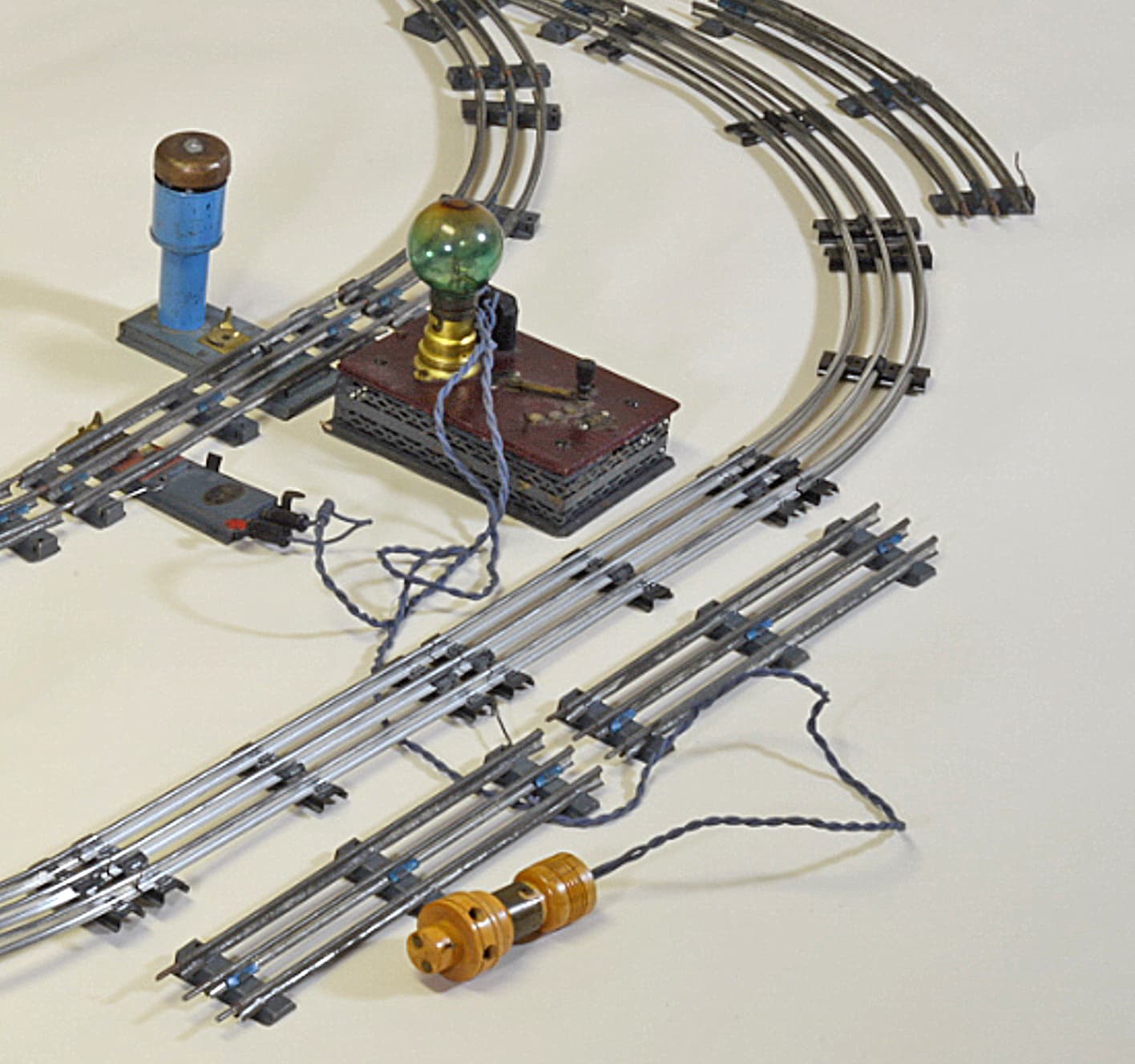
4 Likes
Believe it or not back around the turn of the 20th Century there was a German brand of toy train that did exactly that, power from the wall socket directly to the track! I don’t remember the name of the company but the concept didn’t last too long, for obvious reasons! 
Flintlock76 - it was more than just one brand that did it - most of them, including the JEP set “transformer” I showed in the initial post, took socket current and applied it directly the rails.
If you find copies of the German catalogs from the period out on the web the word you want to search for is “Starkstrom” = High Voltage. The high voltage JEP set I have dates from around 1925, A check of my Bing references suggests Bing first offered high voltage sets around 1908 and gave up on Starkstrom power in the mid 1920’s. The good news is these trains will run if you power them with a standard transformer like the Lionel ZW.
Whoa 
I drilled into the exterior wall of my garage once and hit a Romex cable with my spade bit. I don’t want to do that again, and I don’t want any starkstrom either 
2 Likes
Thanks for the information! Can you imagine the present day consumer safety people’s reaction to something like this?
Yes @mersenne6 it is interesting for sure. I had no idea
I had the MRC DP027. Be careful. It fried every circuit board in every MTH Locomotive I had
But the question is what kind of power was in residential use at that time? Lionel had instructions for reducing house current with glass jars using acid and metal plates into the standard gauge era.

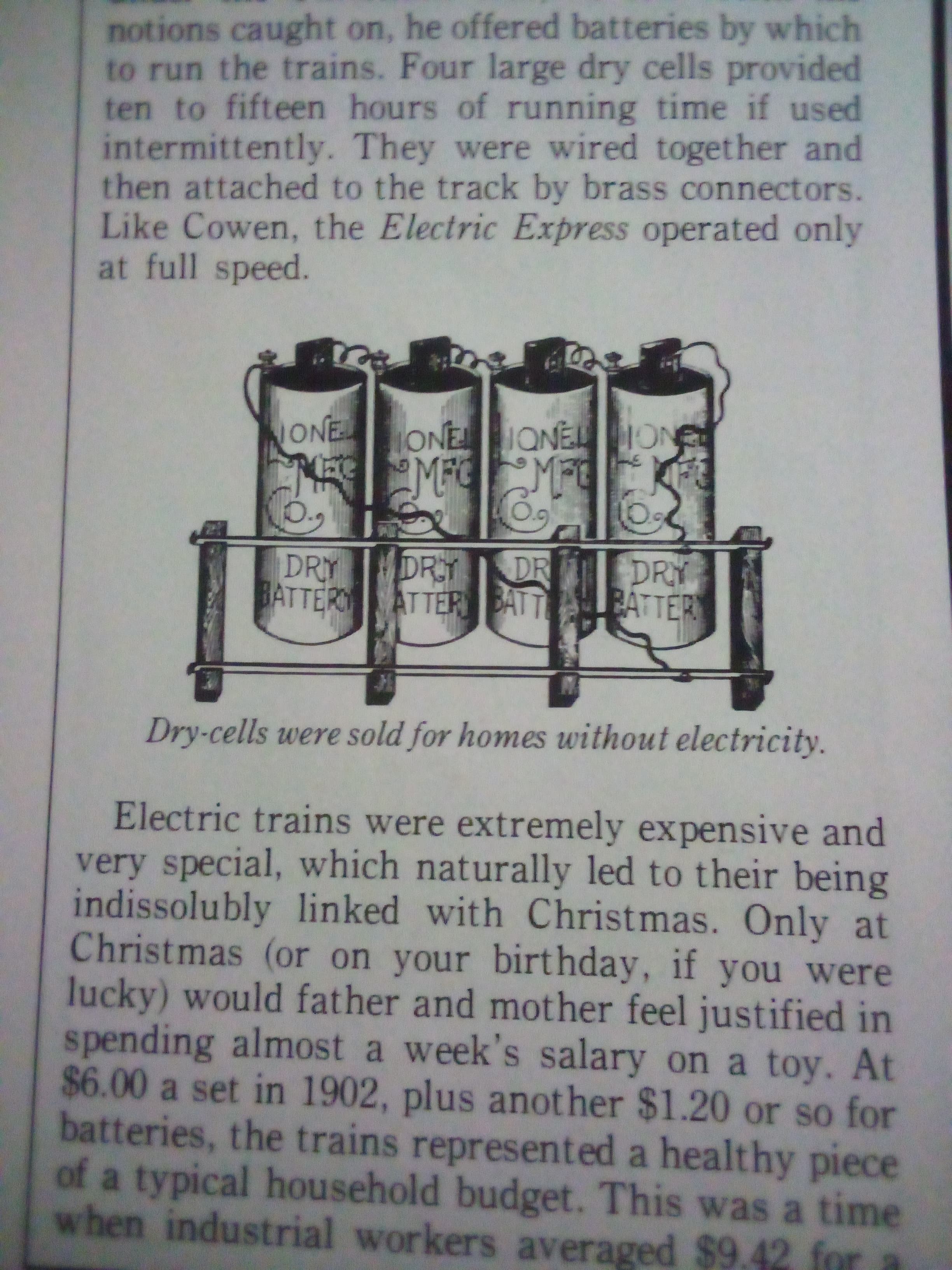
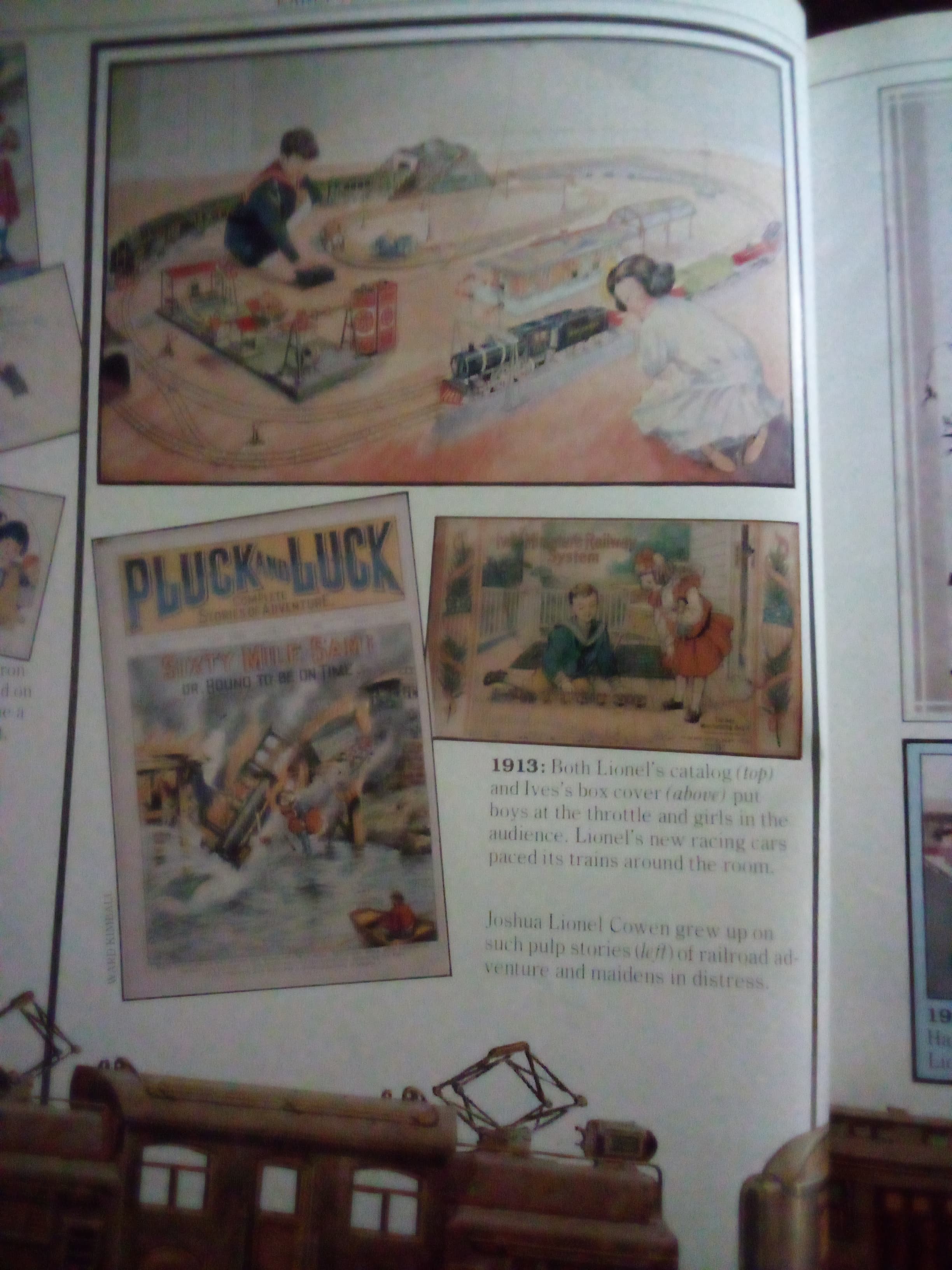
I wonder how many batteries would be necessary to run the big 402 behind the boy? If you look closely you can see a wire going from an overhead lamp to the early transformer.
2 Likes
Much of the electrification in this era was still DC distribution. As late as the completion of Waterside Station in the early 1900s, although distribution to substations was via AC, the substation to premise network was still largely DC, and I would expect the large stranded cost of the initial ‘gas-replacing’ DC wiring to apply to many other areas.
That the article cited notes there was no early speed control might confirm this. I would guess that some kind of liquid rheostat could be used, but I don’t remember having seen documentation.
I used the MRC Dualpower 027 for a while but I was running mostly Williams and postwar Lionel. The bell and horn buttons worked well but it didn’t activate the sounds in my Williams F7. I also started to have an issue with switching between different tracks. Track 1 would speed up when I switched to track 2.
Now I just use that particular transformer for lights.
Mine would surge like that as well.
If by DP027 you mean the MRC AH101 with the tethered remotes, then my experience is different. I own four of the AH101’s and use them to run engines in conventional mode on my temporary layouts. I have been using these for over 20 years and never had a problem of any type. I run postwar Gilbert engines, modern Lionel conventional engines, plus modern TMCC, Legacy and FlyerChief engines. The whistle and bell buttons work and allow access to much of the Tower and Crew dialog on the TMCC and Legacy engines. It is nice to be able to custom set the starting voltage, plus the momentum and braking rates. Terminal 1, the fixed 10V output will only supply 70VA, and terminal 8, the fixed 14V supply can only output 100VA. The 270VA applies to outputs 2, and 7, the track supply variable outputs. The common terminals, 3,4,5 &6, are connected together inside the transformer. The postwar engines run a little better at slow speeds with the AH101 because at low voltage settings the output is pulsed rather than sinusoidal.
My permanent layout uses the Legacy control system and a pair of ZW-L’s.
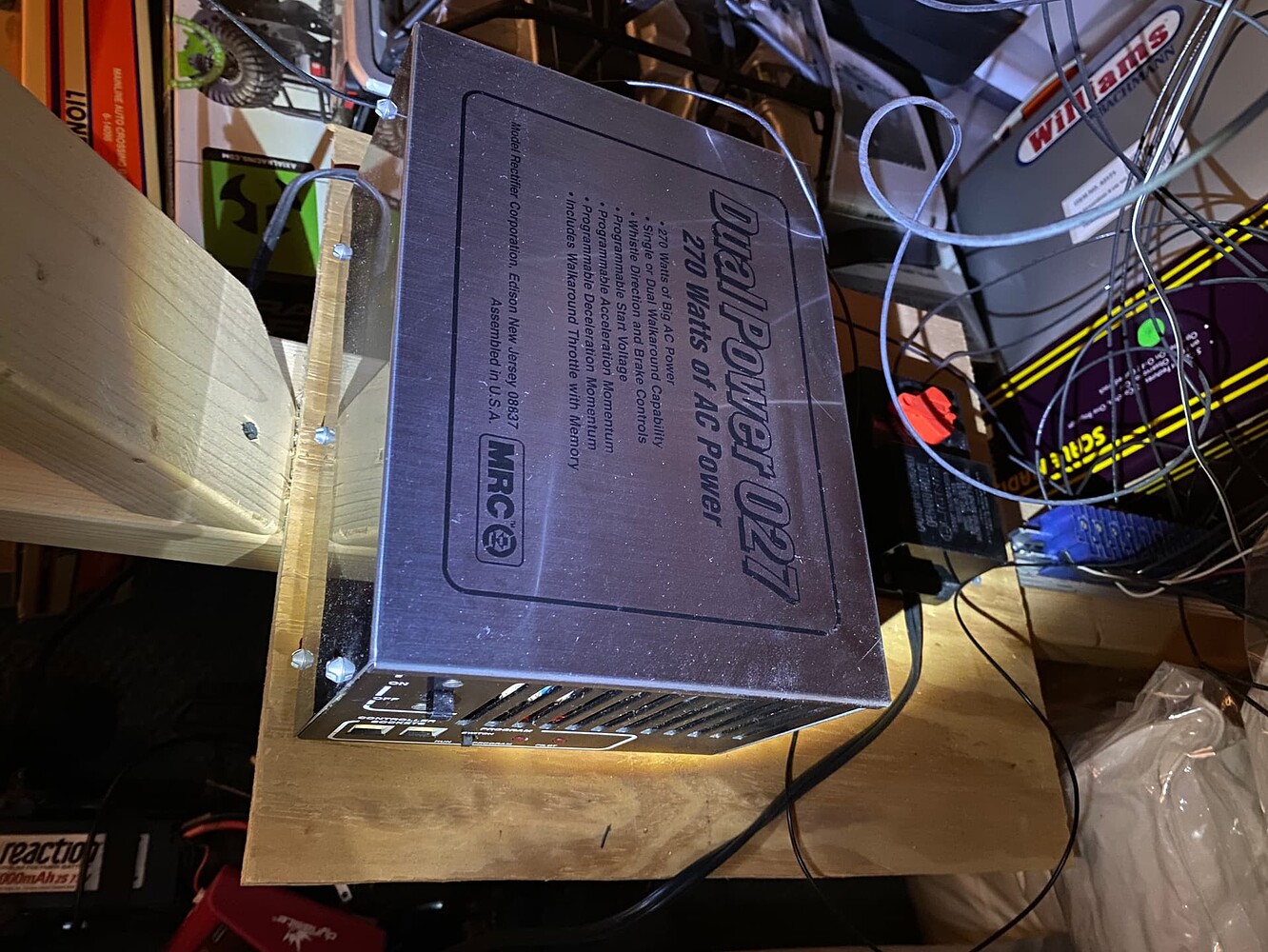
Model Rectifier Corporation Dual Power O27 270 watt power supply. When it came on the market it wasn’t recognized that it wasn’t completely compatible with the early Ni-Cad 9 volt battery electronics in ProtoSound 2 equipped MTH locomotives. Even with BCRs and MTH chip reset kits (indictive of how widespread the problem was) nothing could save the boards that had their data completely scrambled. So badly, in fact, that electronics engineers at Rockwell couldn’t make heads or tails of the data. I removed all the electronics from the 6 PS2 engines I had and sold all but one. It’s brainless but it runs.
That is the transformer. Since MTH never made any S gauge PS 1 or PS 2 engines I never had any problems. The AH101 is compatible with TMCC and Legacy electronics.
1 Like
My first transformer was the Lionel RS-I so I was excited to use this transformer when the MRC Dualpower first came out. I am originally from Edison, NJ and I worked around the corner from their headquarters in Raritan Center. It easily powered all of the lights and accessories and the engines seemed to run great at first. I installed a sound card in my Williams F7 and I noticed that it did not get any of the sounds. Then I was running mostly Lionel postwar and the whistle button worked as it should. The buttons on the remote started to malfunction do I got another remote. Then the trains would speed up when I switched between tracks.
I switched to a rebuilt ZW that I got from York and that is my main power supply. The fixed terminals on the MRC are great for lights on the layout and that is all it is used for now.
2 Likes