Amazing! Jim and Debbie Flynn’s New Marx line was elegant, to say the least.
I probably should have gotten some at the time they were around but I just wasn’t interested in toy-like trains. Oh well… 
2 Likes
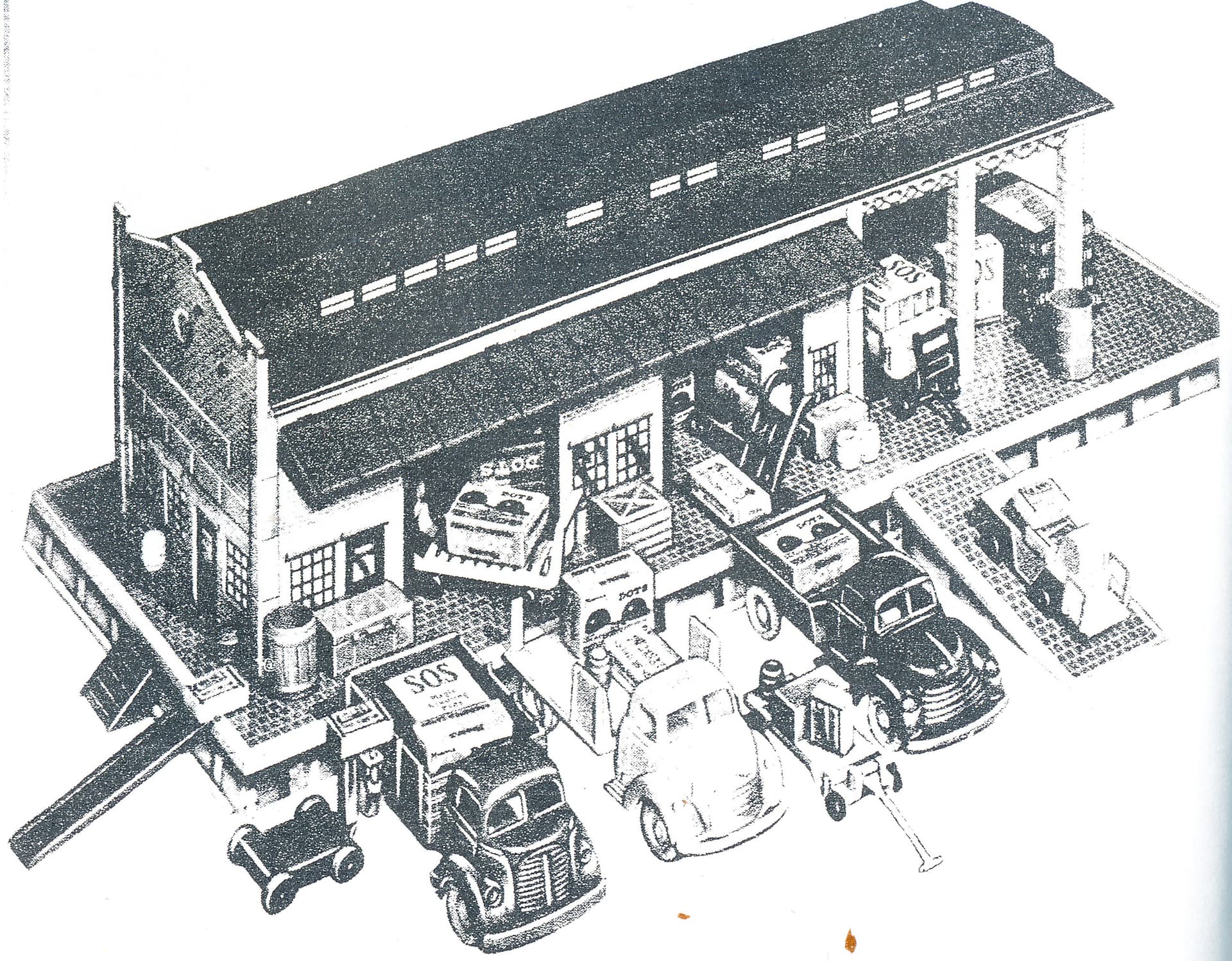
A big 29” x 11” x 9” Freight Depot was one of the many lithographed metal structures that Marx produced in the 1940s and 1950s.
5 Likes
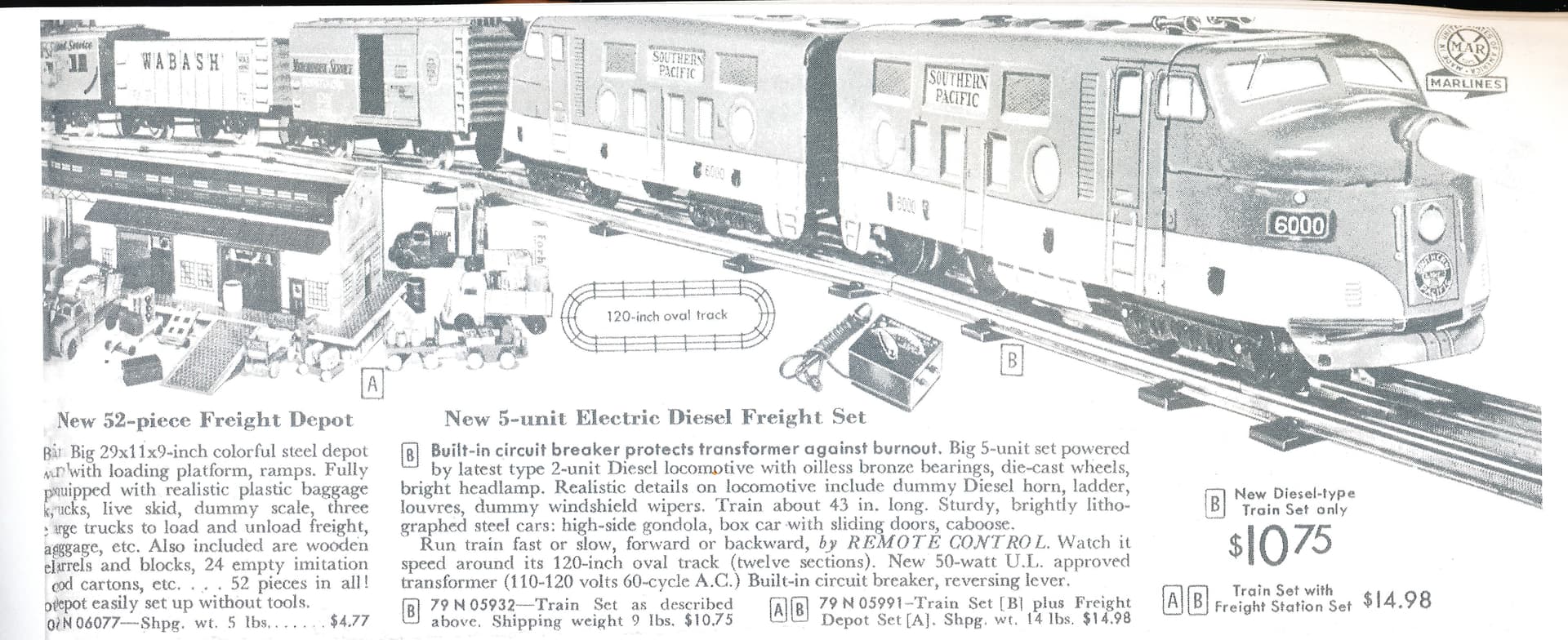
The 1950 Sears Christmas “Wishbook” offered a 52-piece Marx Freight Depot bundled together with a 5-piece Marx electric train set, at a savings of .54 cents from the cost of purchasing these two items separately.
5 Likes
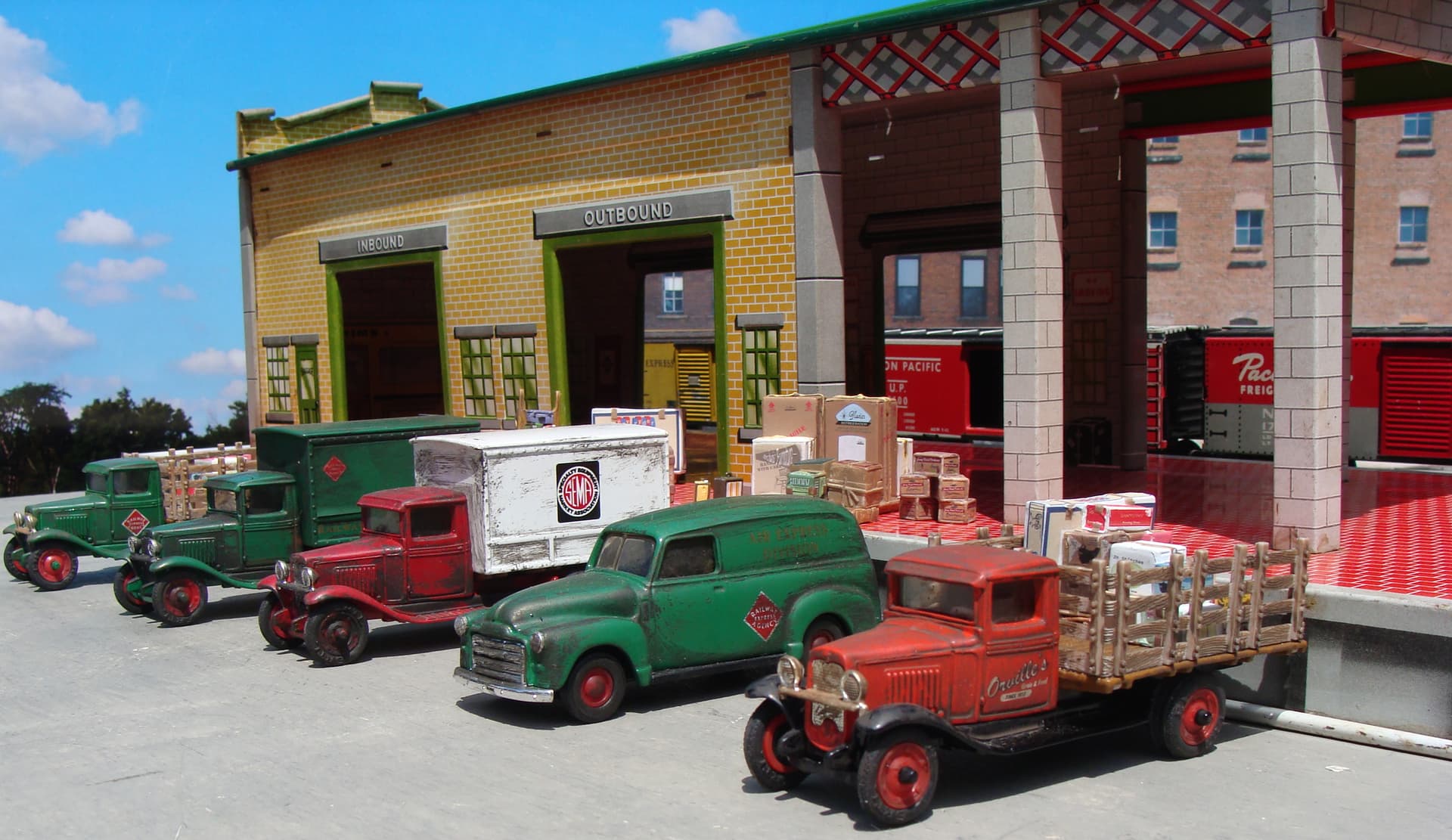
Marx Freight Depots, with and without their original accessories, turn up regularly on eBay, which is where I found mine. (I replaced its missing original accessories with a few die-cast trucks and an assortment of miscellaneous Woodland Scenics freight items.)
Let’s imagine a typical operational day for a Marx Freight Depot located in a thriving Midwestern town. It is situated along a busy mainline used by railroads serving both the eastern and western halves of the United States. Our imaginary day occurs sometime in the early 1950s.
A major center of economic activity within our town is the Freight Depot which handles general cargo in many shapes, dimensions and weights. Almost all of the long-distance freight that arrives at or departs from the town and its immediate vicinity passes through this facility.
9 Likes
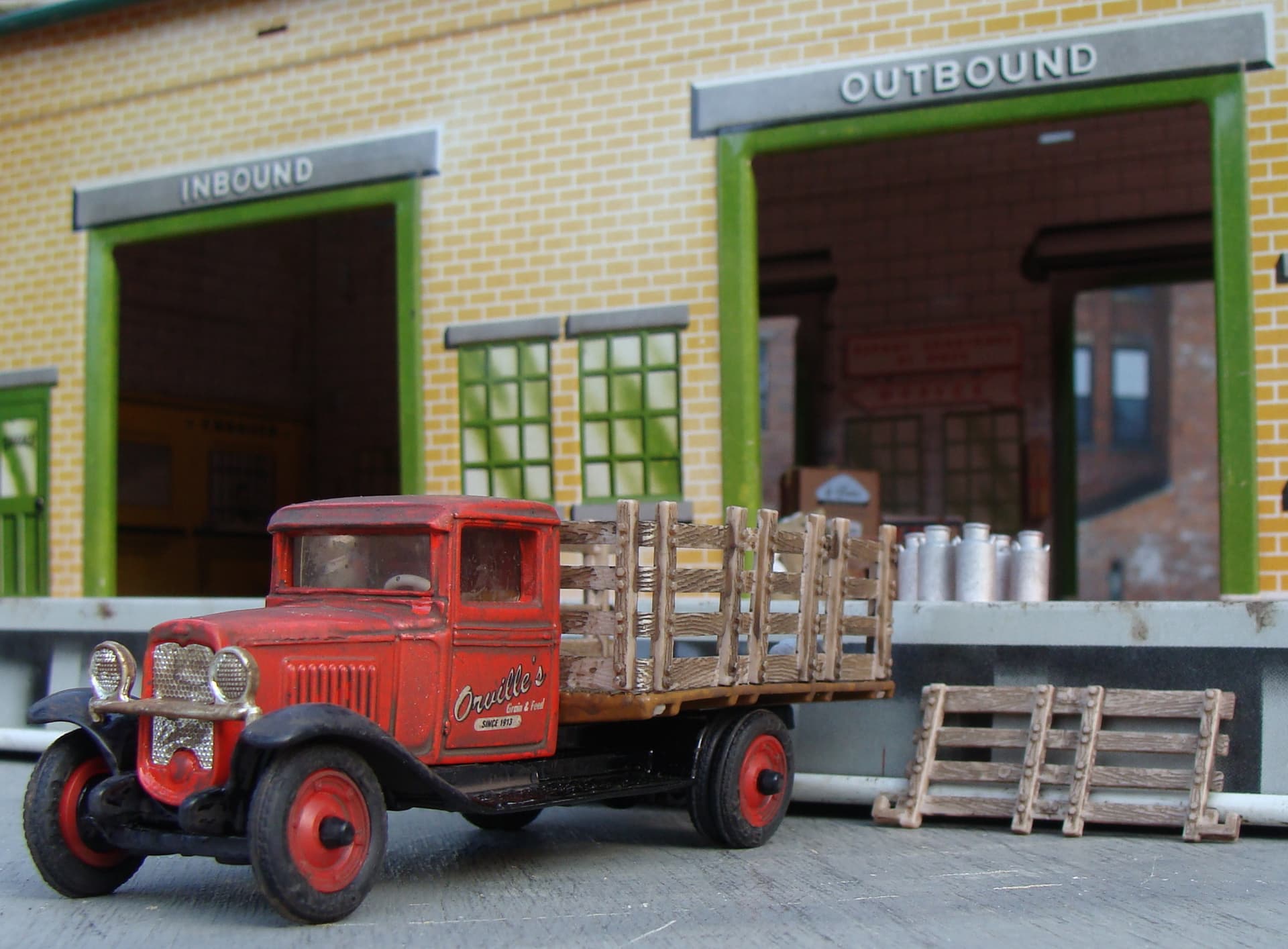
Shortly after the Depot opens for business, the first freight delivery of the day is received: a shipment of raw milk destined for a processing plant in a large city. Since the station has no refrigerated storage facilities, wet gunnysacks are strung over the milk cans on hot summer days to keep them cool. The empty cans are usually returned within a day or so.
7 Likes
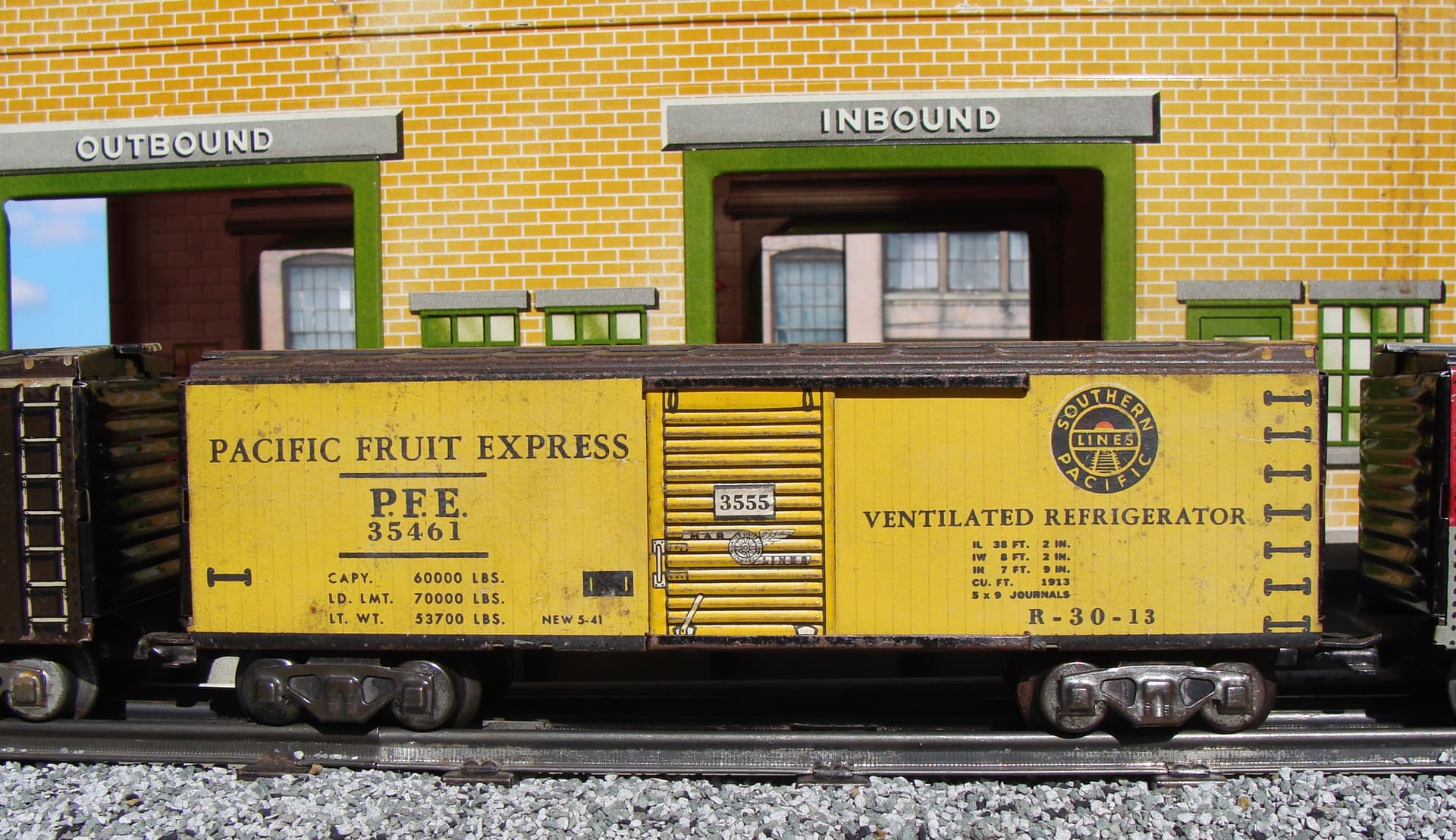
The first freight train to arrive from the east includes a refrigerator car or “reefer” in its consist. Although most reefers have their own self-contained cooling units, a few still need to be iced at certain stations to keep their contents fresh. Freight trains with reefers are always given priority over freight trains carrying non-perishable goods.
6 Likes
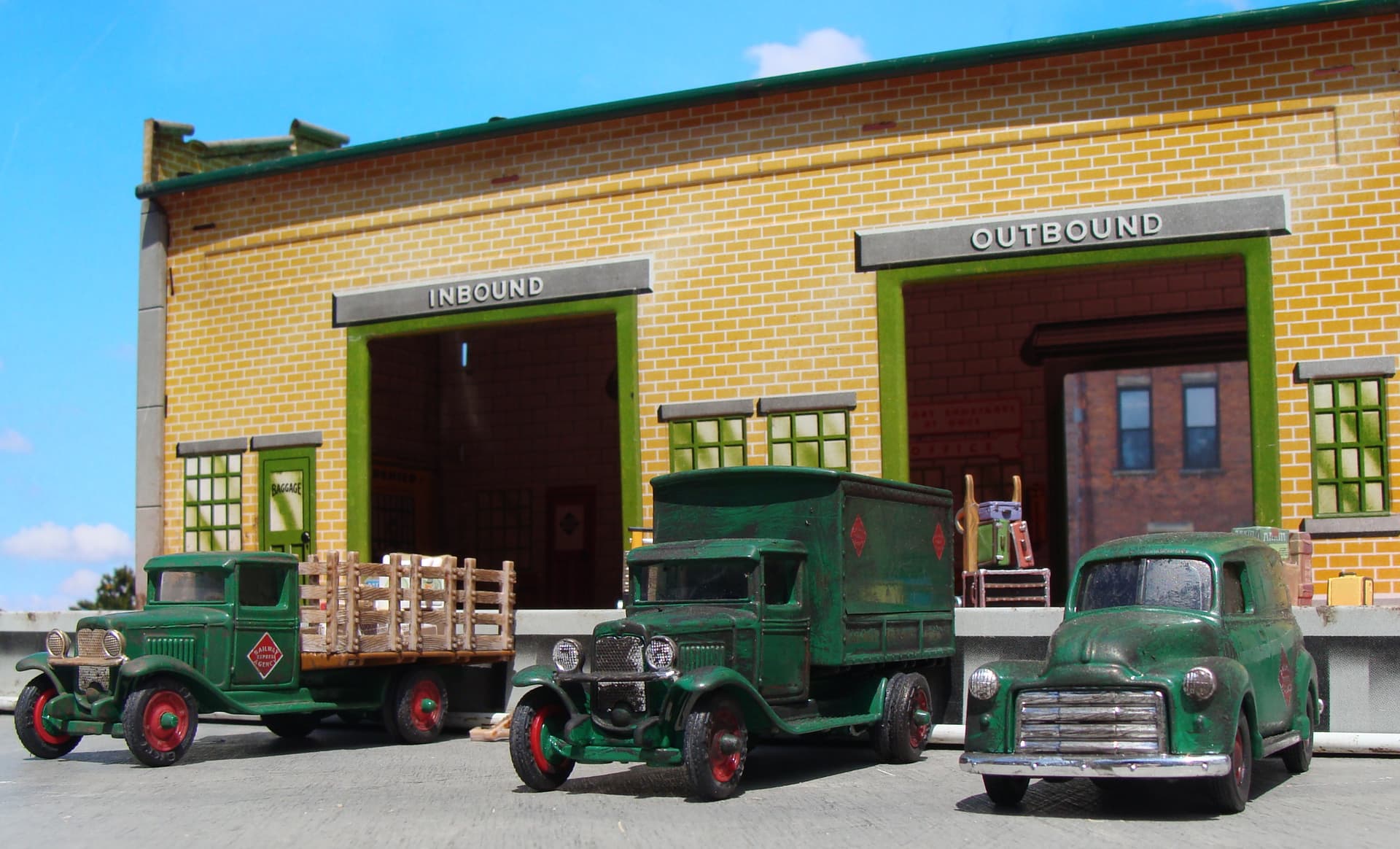
Throughout the day, Railway Express Agency trucks arrive at the Freight Depot’s loading dock at regular intervals to load and unload parcels that are too big to go via the U.S. Mails. In addition to personal shipments that travel onboard passenger trains, the REA also handles regular freight including fruits and vegetables, machinery parts, general merchandise, animals, and even circus materials.
7 Likes
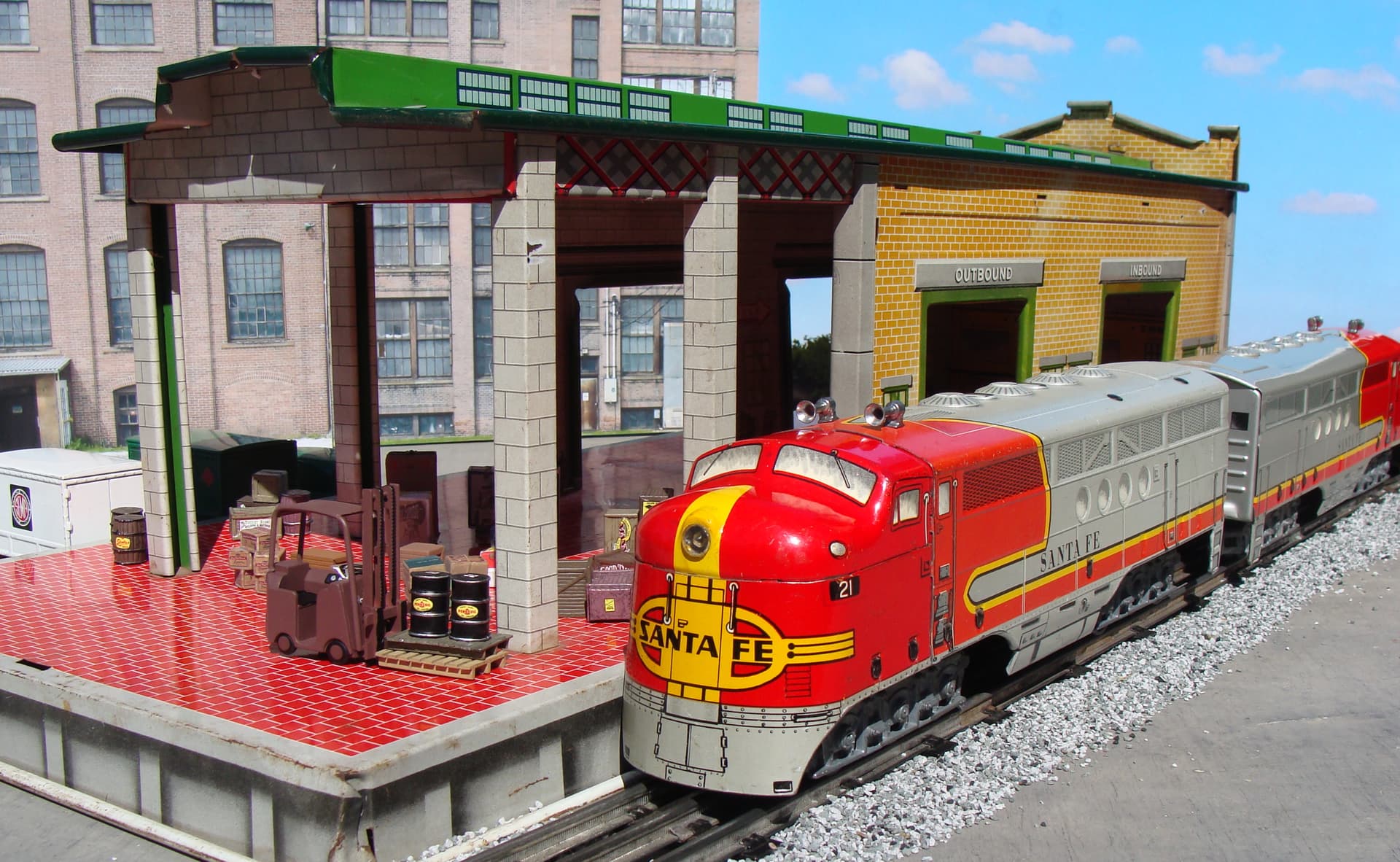
In addition to the freight that is delivered by trucks, the station also handles the interchange of freight from one railroad to another. This A.T. & S. F. train, which has just arrived from the west coast, has a freight shipment destined for a city on the east coast. Once it is unloaded, this shipment will be stored at the Depot until the freight agent can find room for it on an east-bound train.
6 Likes
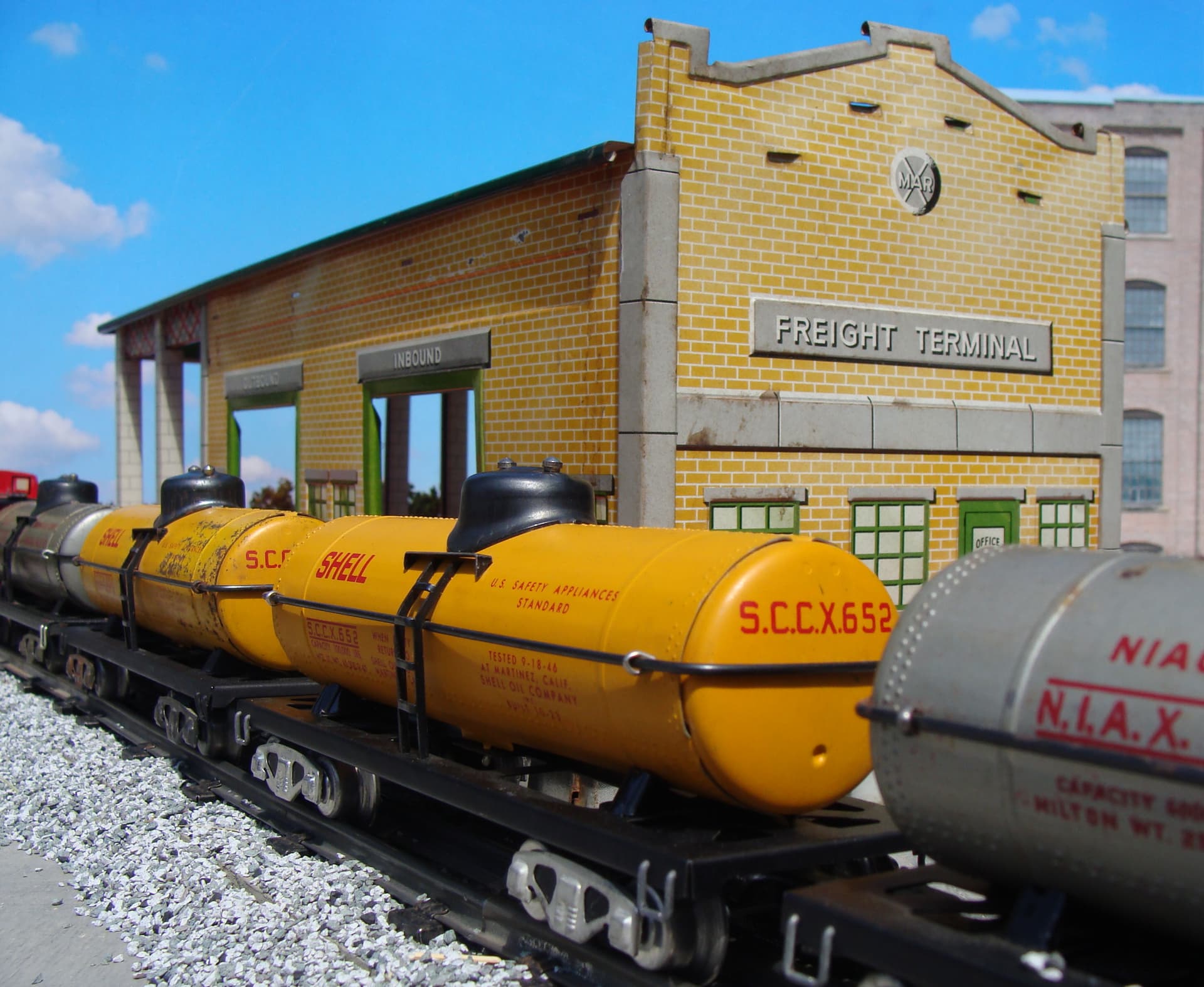
A train of tank cars containing chemicals and petroleum products continues on passed the Freight Depot to another facility equipped to unload and store liquid bulk items. Other specialized terminals handle dry bulk items such grain, coal, and ore.
7 Likes
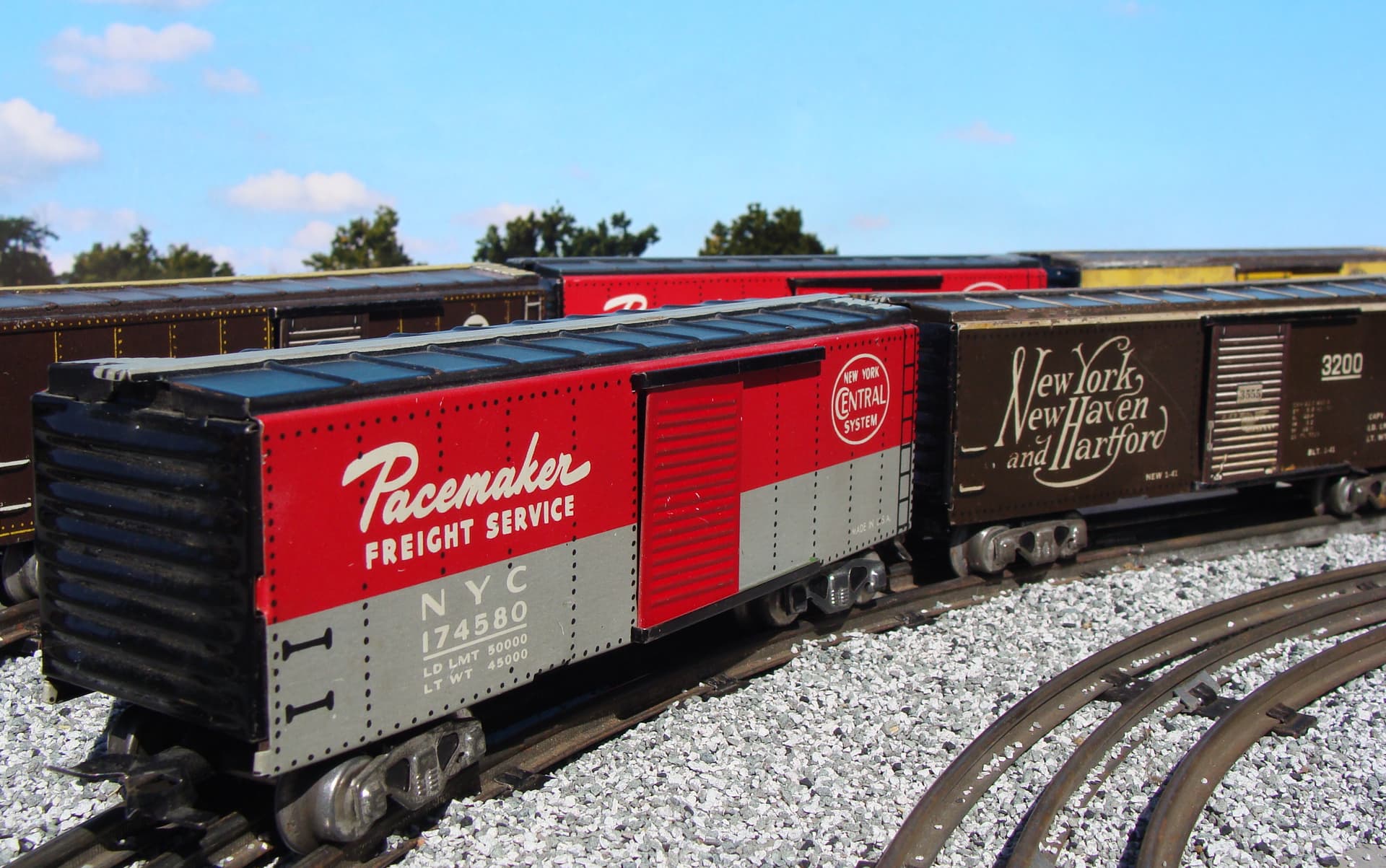
Located adjacent to the Freight Depot, the car storage yard is where empty freight cars are kept between runs. Once freight shipments have been assigned to available cars as appropriate, the yardmaster assigns these cars to east or westbound trains based on the railroads’ operating schedules.
5 Likes
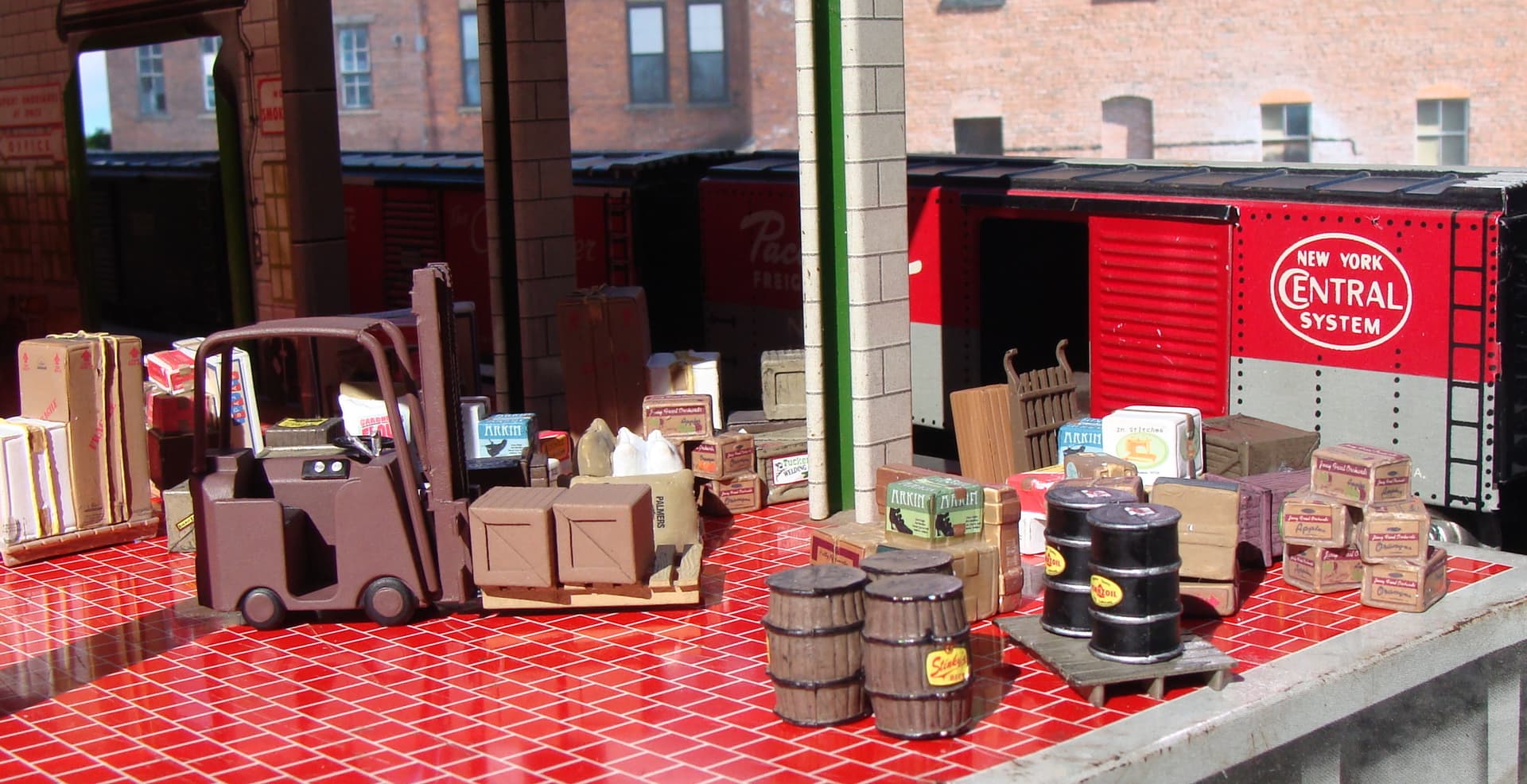
The freight shipment from the west coast that arrived earlier via the Santa Fe train is reloaded, along with other east-bound freight, onto a boxcar assigned to a New York Central train that will carry it to the east coast and its final destination.
6 Likes
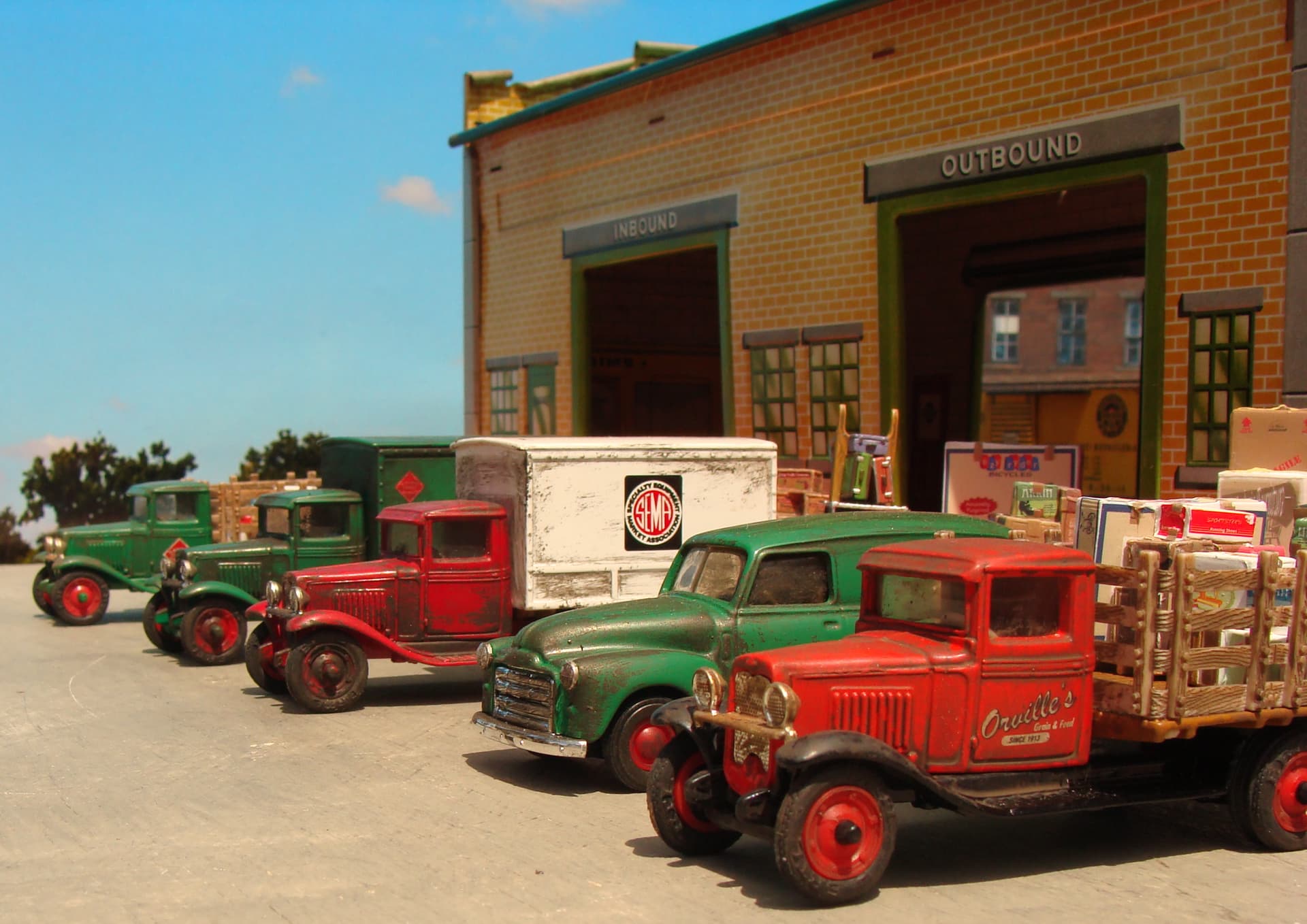
The delivery and acceptance of shipments continues until the close of the Freight Depot’s operational day. More trucks, trains and freight will be arriving on the morrow, when the whole process of transporting freight via truck and rail will begin all over again.
7 Likes
That’s some great storytelling Eric!
4 Likes
Love the sequence, Eric!
I have had one of these depots in the back of my mind ever since I saw one for the first time. Lord willing, one will end up in the city side of the SG/WG layout I hope to build!
3 Likes
I sold mine at a local show because it was too large for my small layout. They are super neat
3 Likes
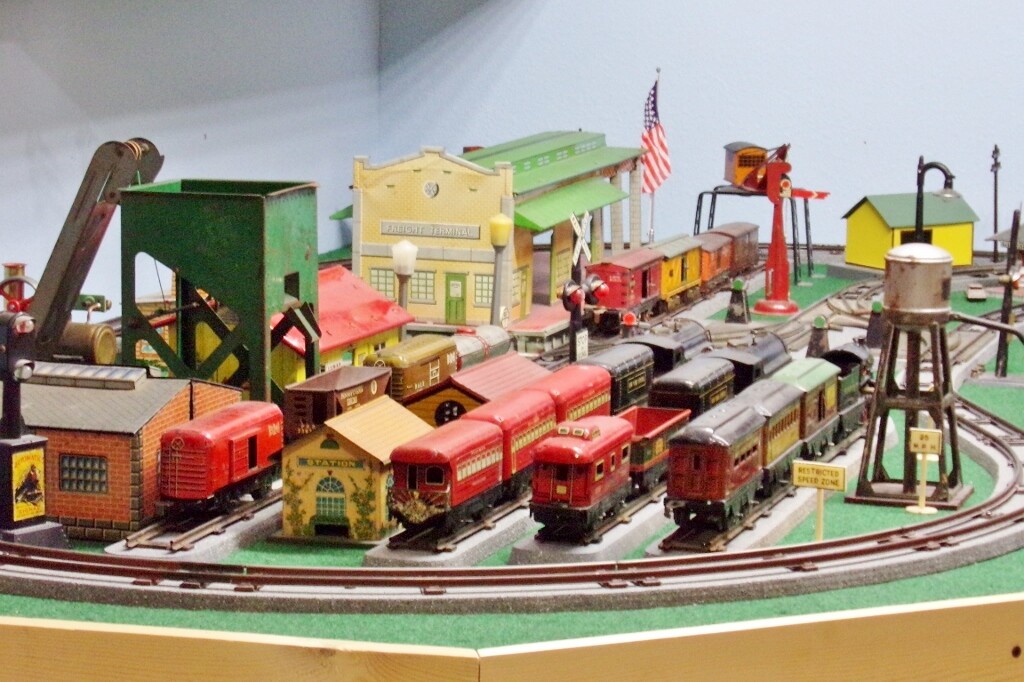
The Freight Depot does take up a lot of space, but it is such a great Marx piece that I definitely wanted to feature it on my layout. I finally ended up with this arrangement to highlight various tinplate structures from different manufactures, but the Marx Freight Depot dwarfs them all. You can see several other Marx items, including the Marx Lumar Construction building (red roof variation) as well as the Lumar Hopper-Loader:
6 Likes
What is Lumar?
1 Like
“Lumar” is a name that Marx used for many of the toys it made - for instance, “Lumar Construction” could be found on trucks & construction equipment made by Marx, and “Lumar Lines” was used for some of their floor trains. I have no idea where the “Lumar” name came from, though. I would compare it to a Dodge Ram - Dodge is the manufacturer, but Ram is a line of trucks.
A couple of websites for reference:
3 Likes
I grew up on the Marx stuff. Don’t have much left, I have been passing it out to the grandkids. I do have one keeper! Before and after new decals. And another.
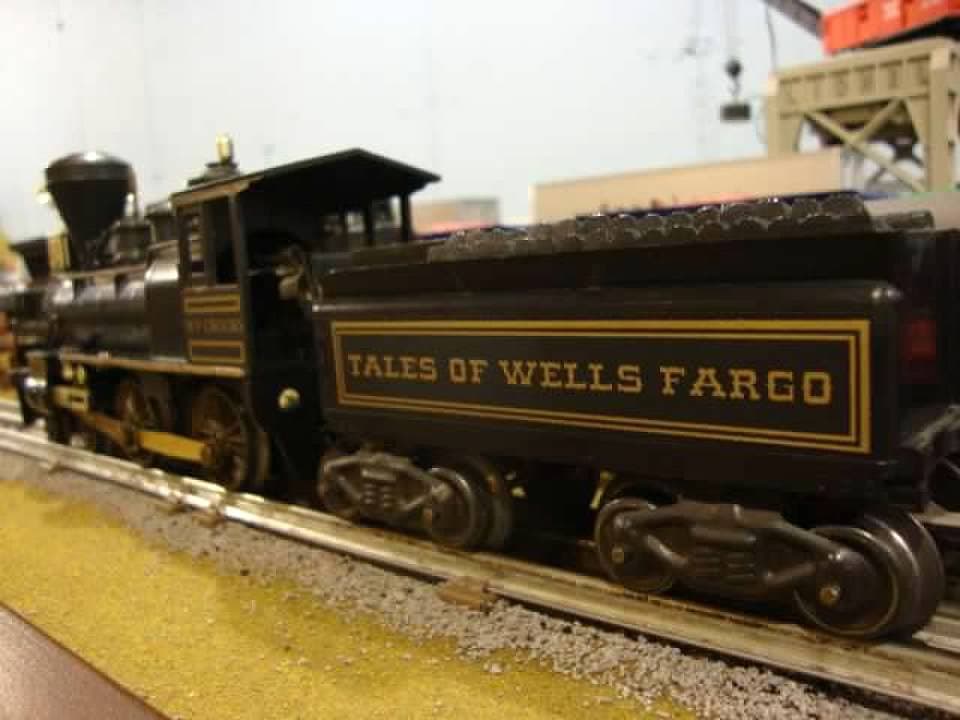
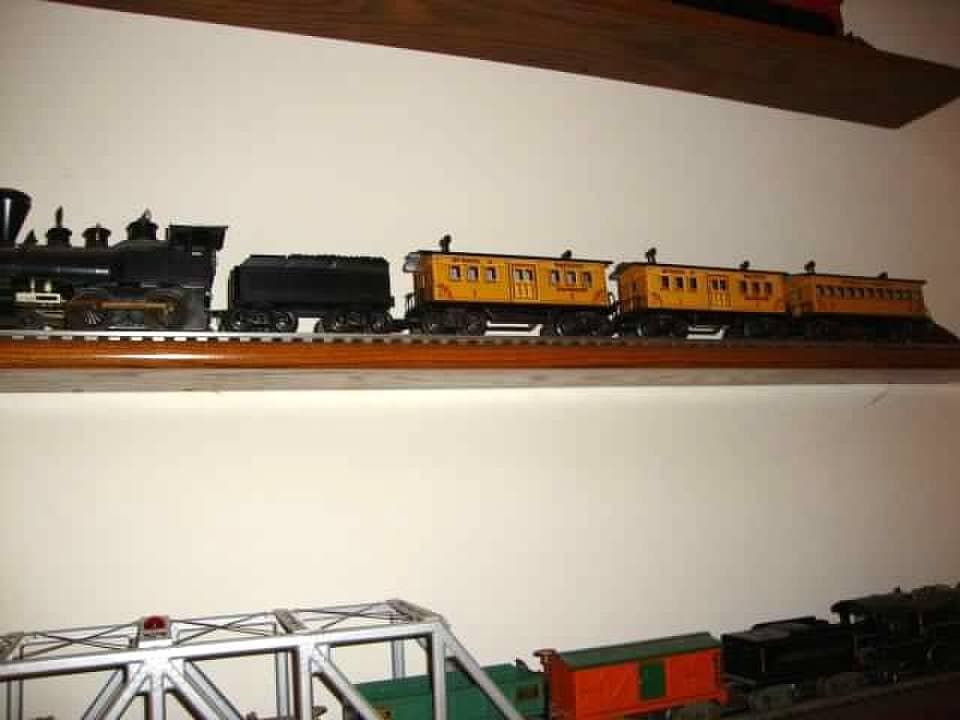
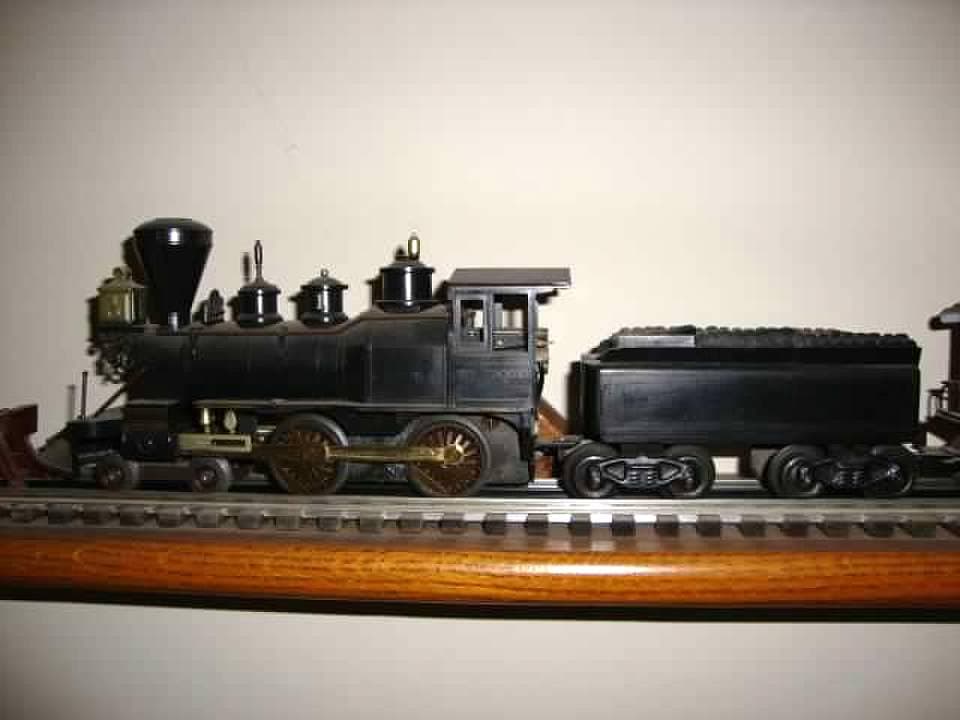

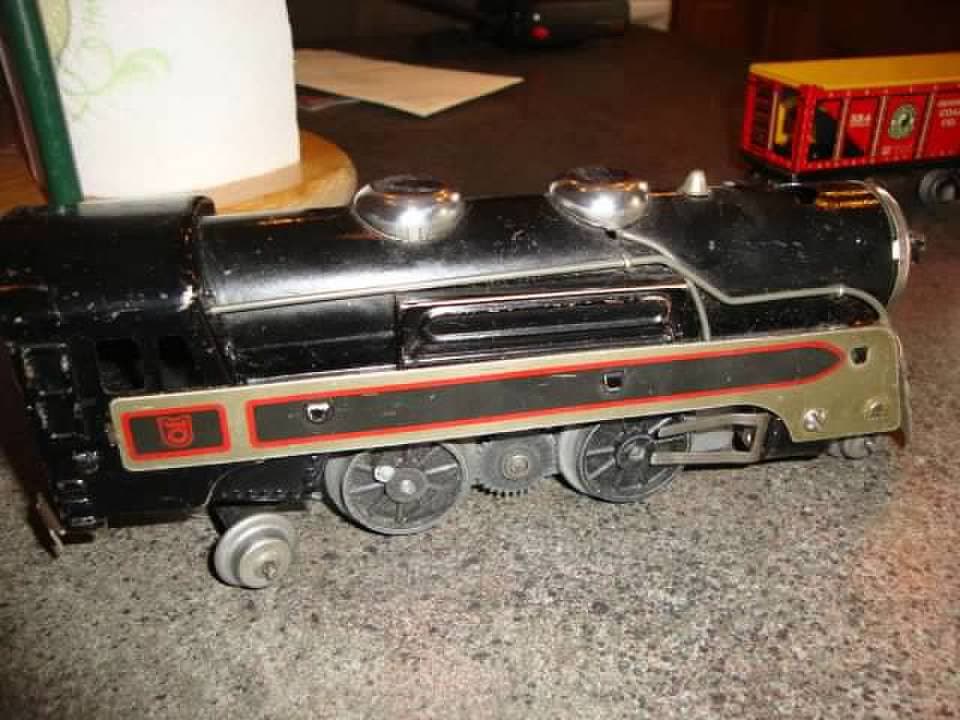
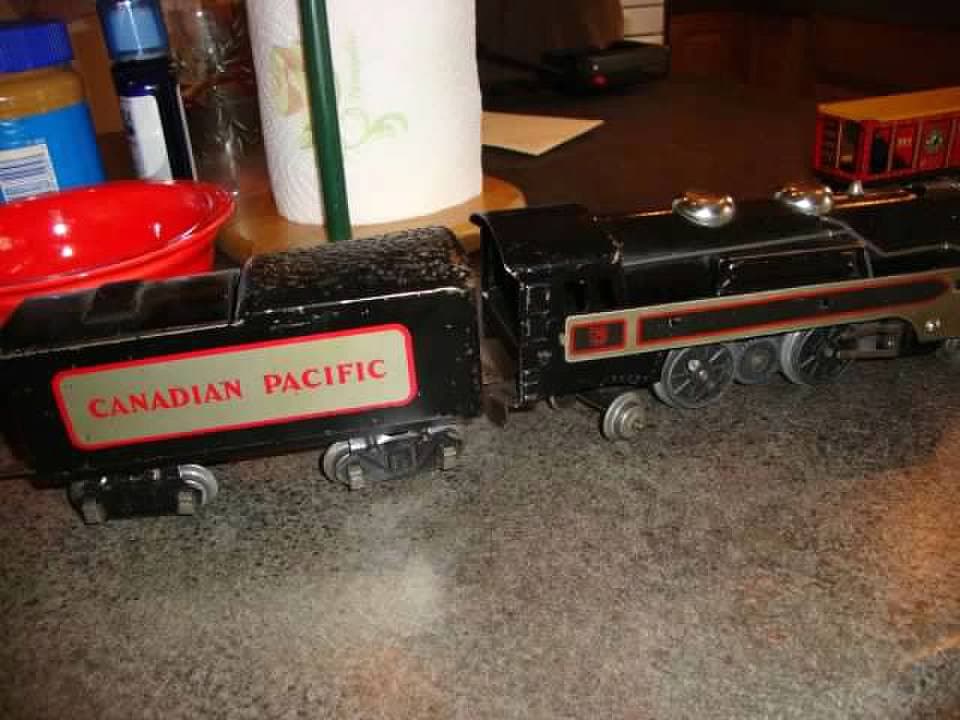
5 Likes
I was just sitting here, reading this, and it hit me- LoUis MARx! Lumar! Perhaps?
I remember seeing one of the Marx freight stations in an antique store, in rough shape. I was debating if I wanted it or not, and not long later, when I made a trip to the town dump, what do you know- someone had left a MUCH better looking example! I wasted no time nabbing it 
Like most examples, mine is just the station- no accessories. But it was free! I have plans to eventually add lighting to mine. My hope is to do so in a way that requires as little alteration to the sheet metal as possible.
-El
5 Likes