Some goodies there @KRM
2 Likes
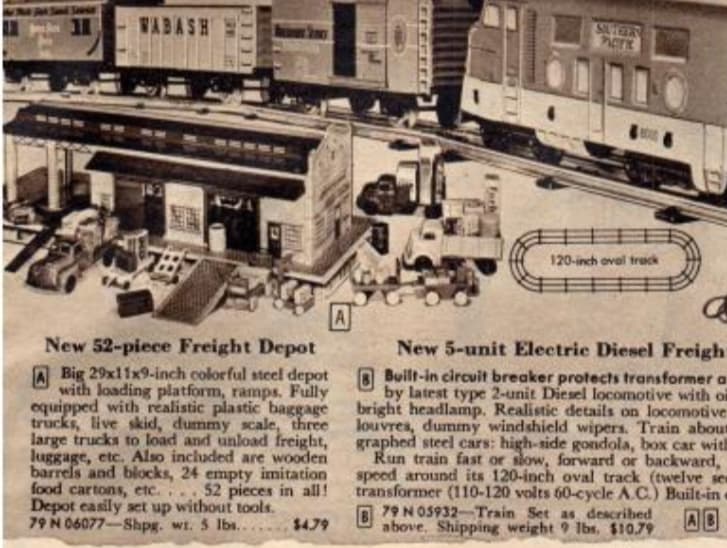
Speaking of the names MARX, LOUIS MARX, and LUMAR, I noticed no one has mentioned MARCO. I think I remember seeing it on my first set (1950), and I later saw the name “Louis Marx”, and put the two together. That was 74 years ago, so my memory might not be too reliable. Does anyone else remember the MARCO name?
2 Likes
Marx lithographed tin toys marked LINEMAR were made in Japan after World War II.
3 Likes
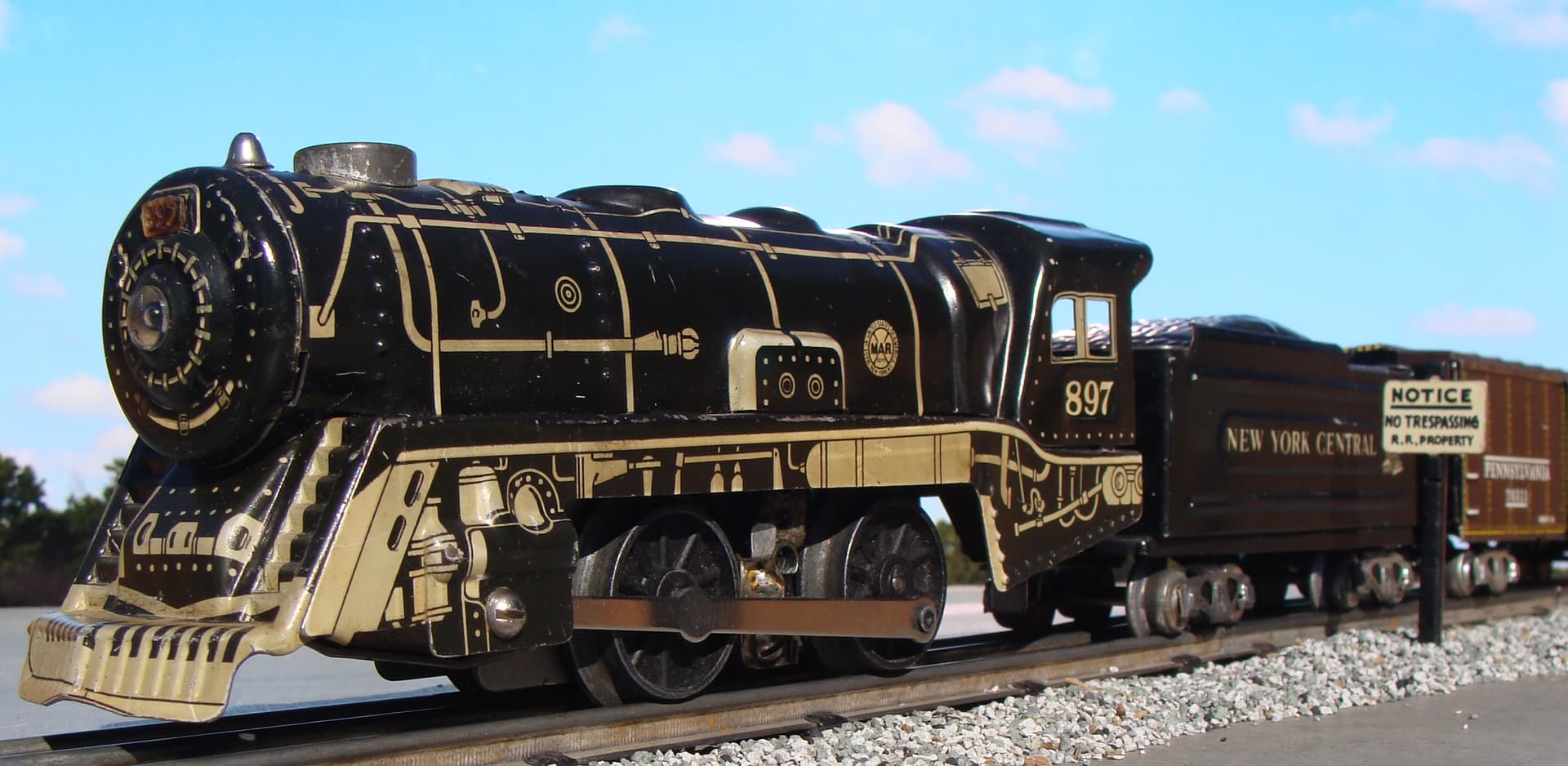
Marx’s 0-4-0 897 lithographed locomotive first appeared in 1939. (An olive drab version appeared in Marx’s Army Supply Train sets.) Available in both electric and mechanical (i.e. windup) versions, it was last made in 1942 when Marx stopped producing toys to do war work for the U.S. military. (Between 1946 and 1952, its tooling was used to make the all-black 898 locomotive.) While many European toy makers produced lithographed locomotives, this technique was not widely used in America.
7 Likes
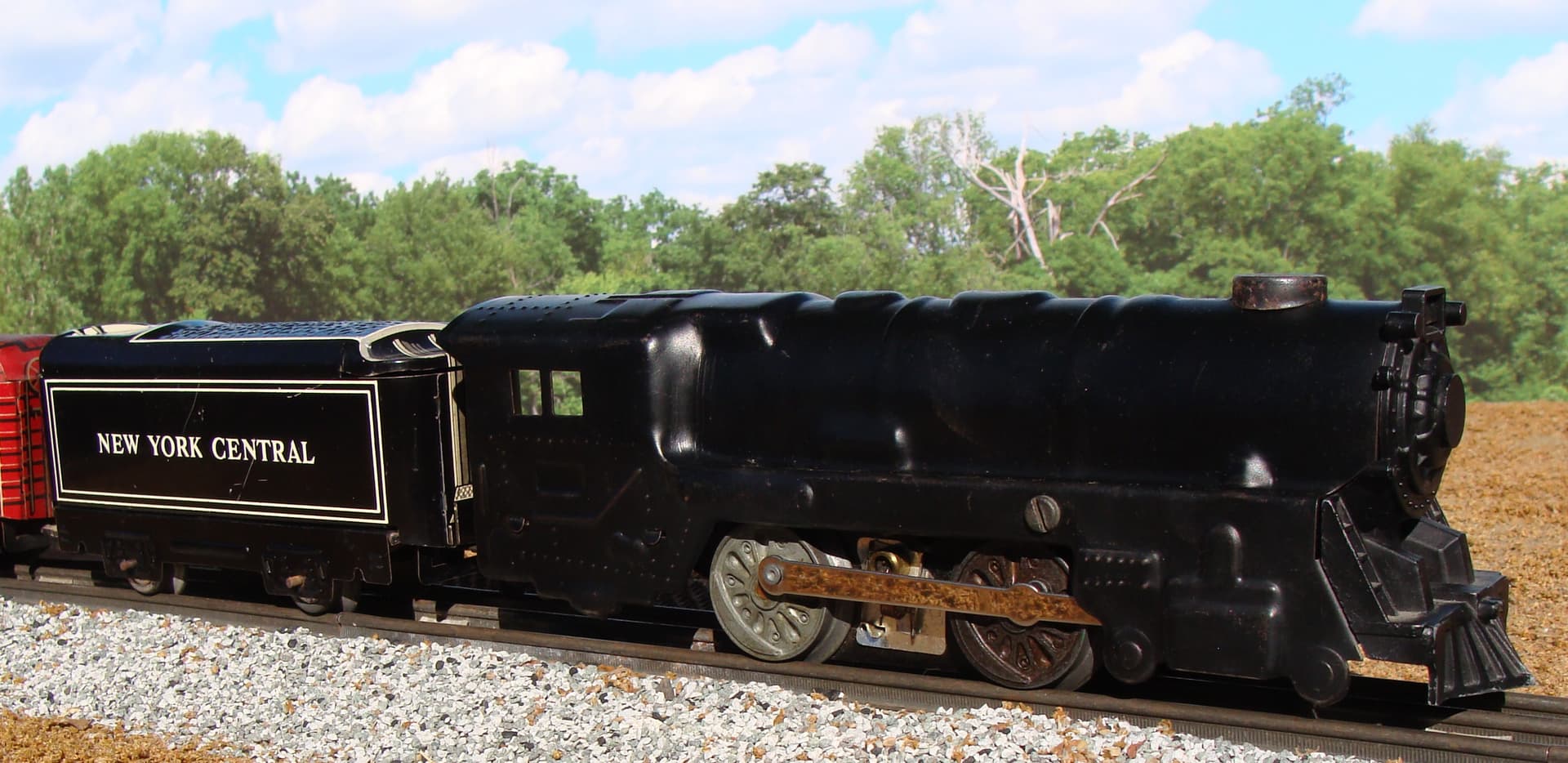
During the mid to late 1950s, when Marx’s budget-priced 6-inch 4-wheel freight train sets contained mostly plastic locomotives and cars, Marx was still making sets with stamped steel locomotives and lithographed metal cars such as this one for those customers willing to pay a little more.
4 Likes
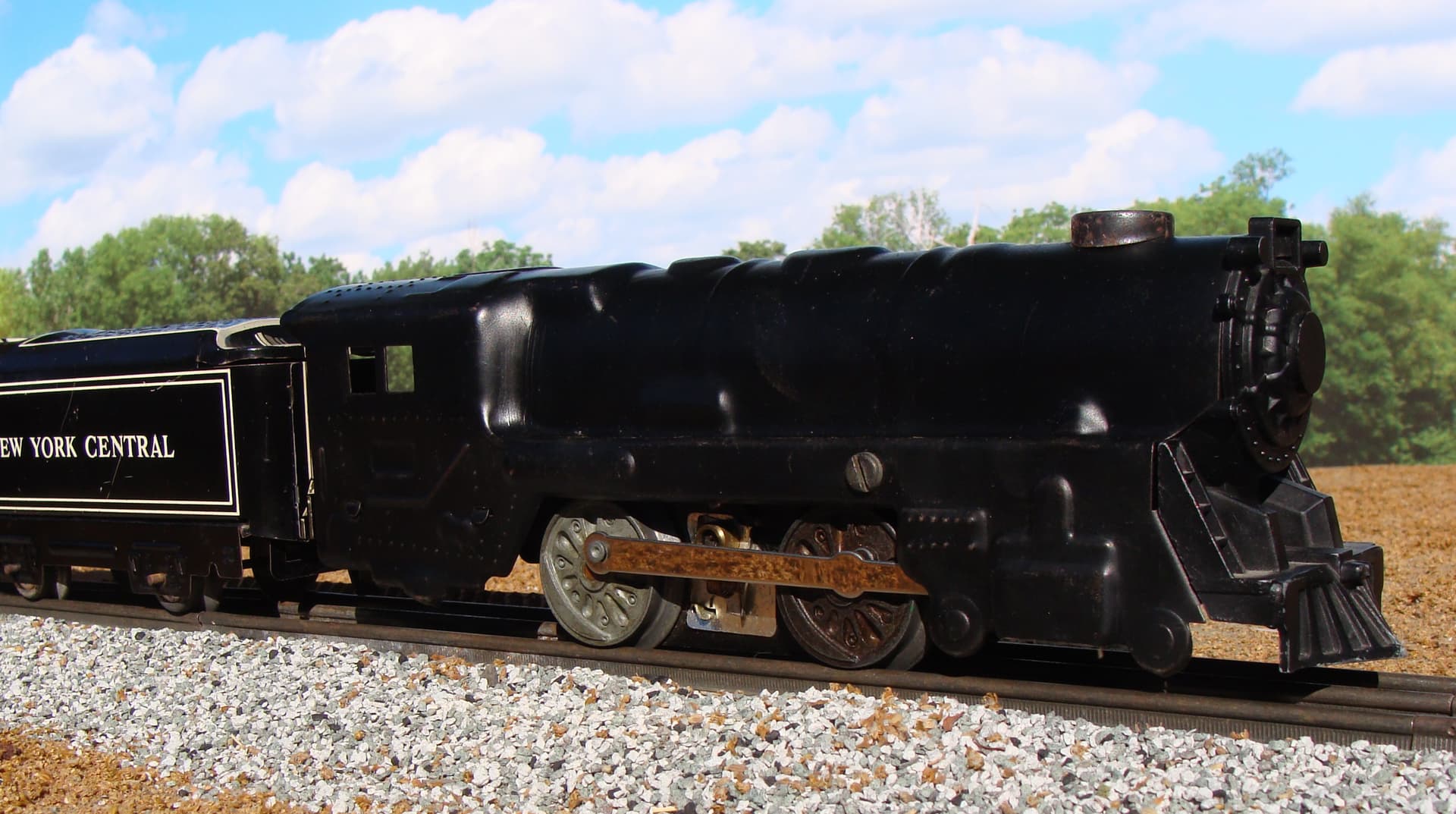
Produced between 1953 and 1960, the 0-4-0 stamped steel 591 locomotive came with a die-cast boiler front, a tinned sheet metal smokestack, simulated pressed two-axle front trucks and a simulated pressed single-axle rear truck. It was available with and without side rods.
4 Likes
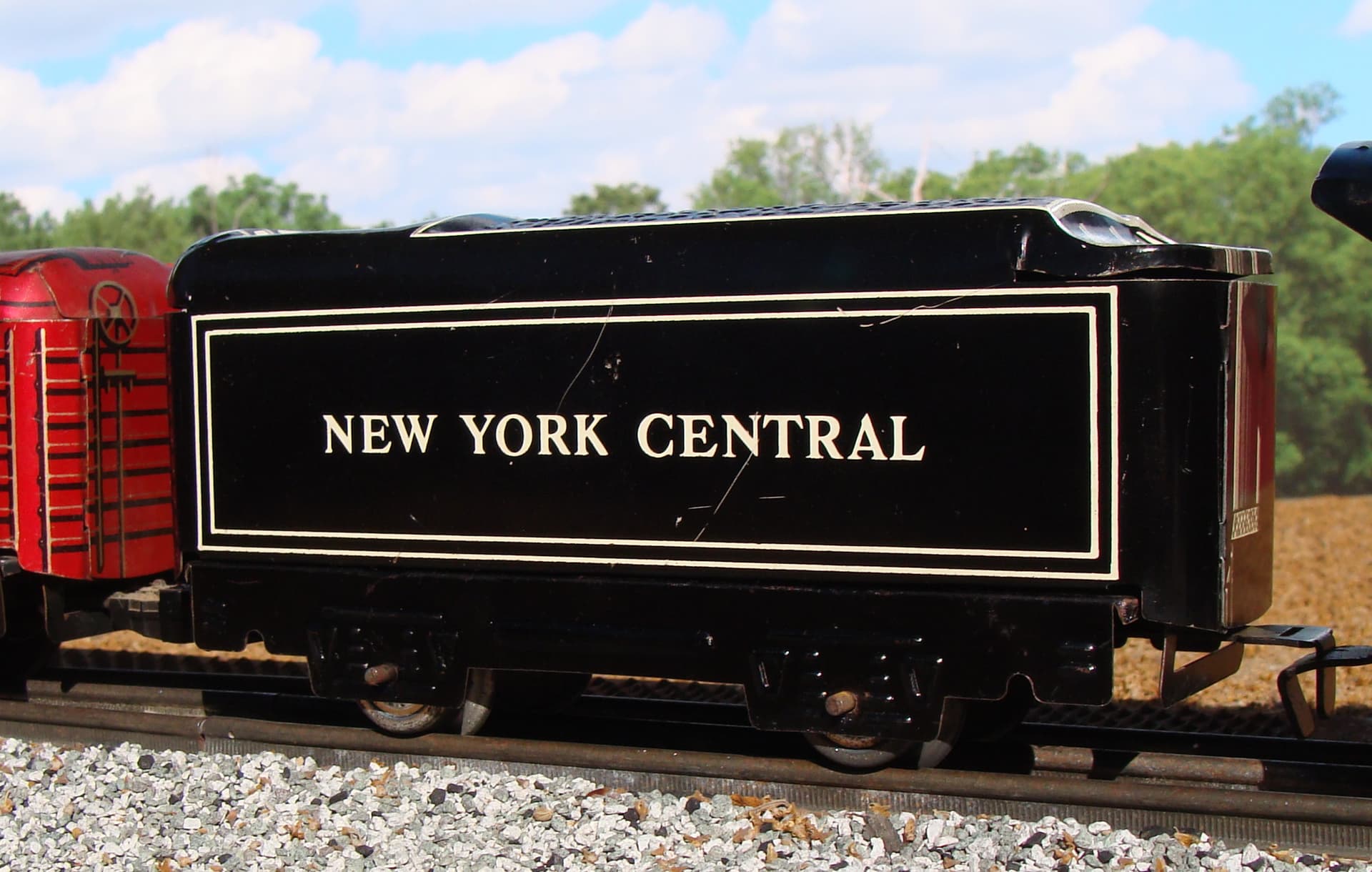
4 Likes
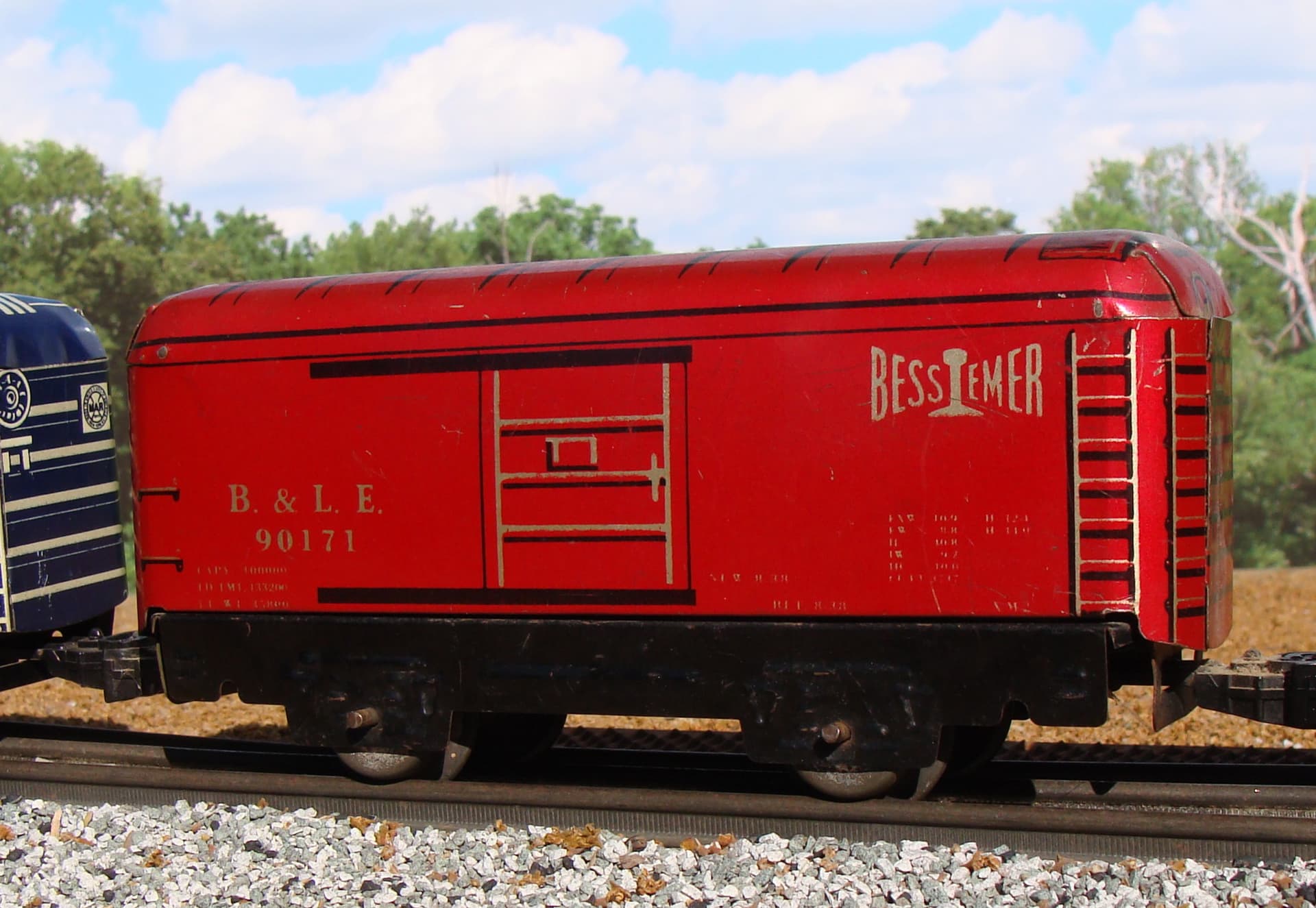
Its simulated lithographed solid door and plastic knuckle couplers dates this 90171 B. & L. E. boxcar from the mid to late 1950s.
4 Likes
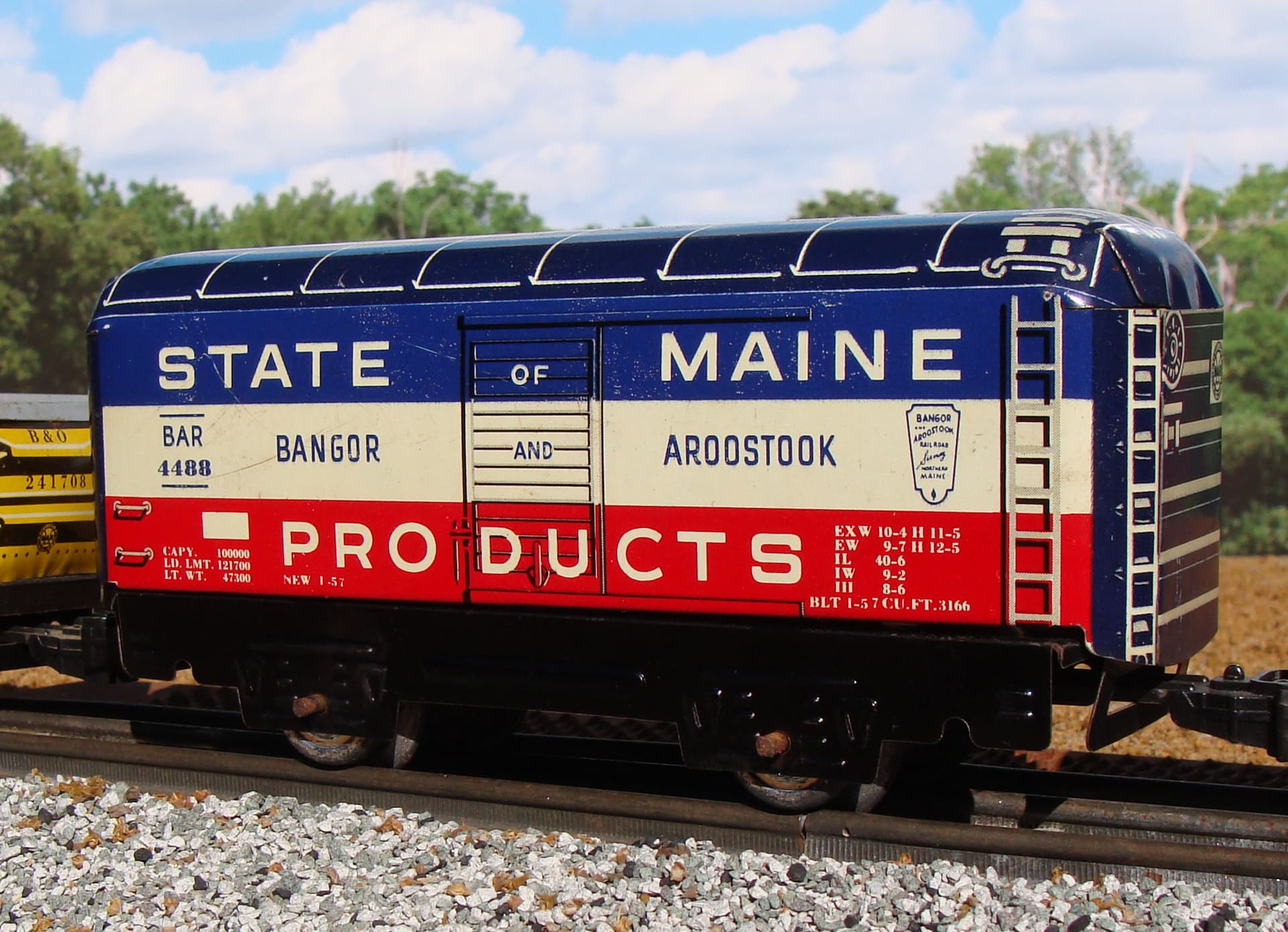
The colorful BAR 6-inch 4-wheel boxcars had consecutive car numbering on the lithography masters, with the numbers running from 4485 to 4500. Some collectors try to find a complete set of 6-inch BAR boxcars with all 16 car numbers.
6 Likes
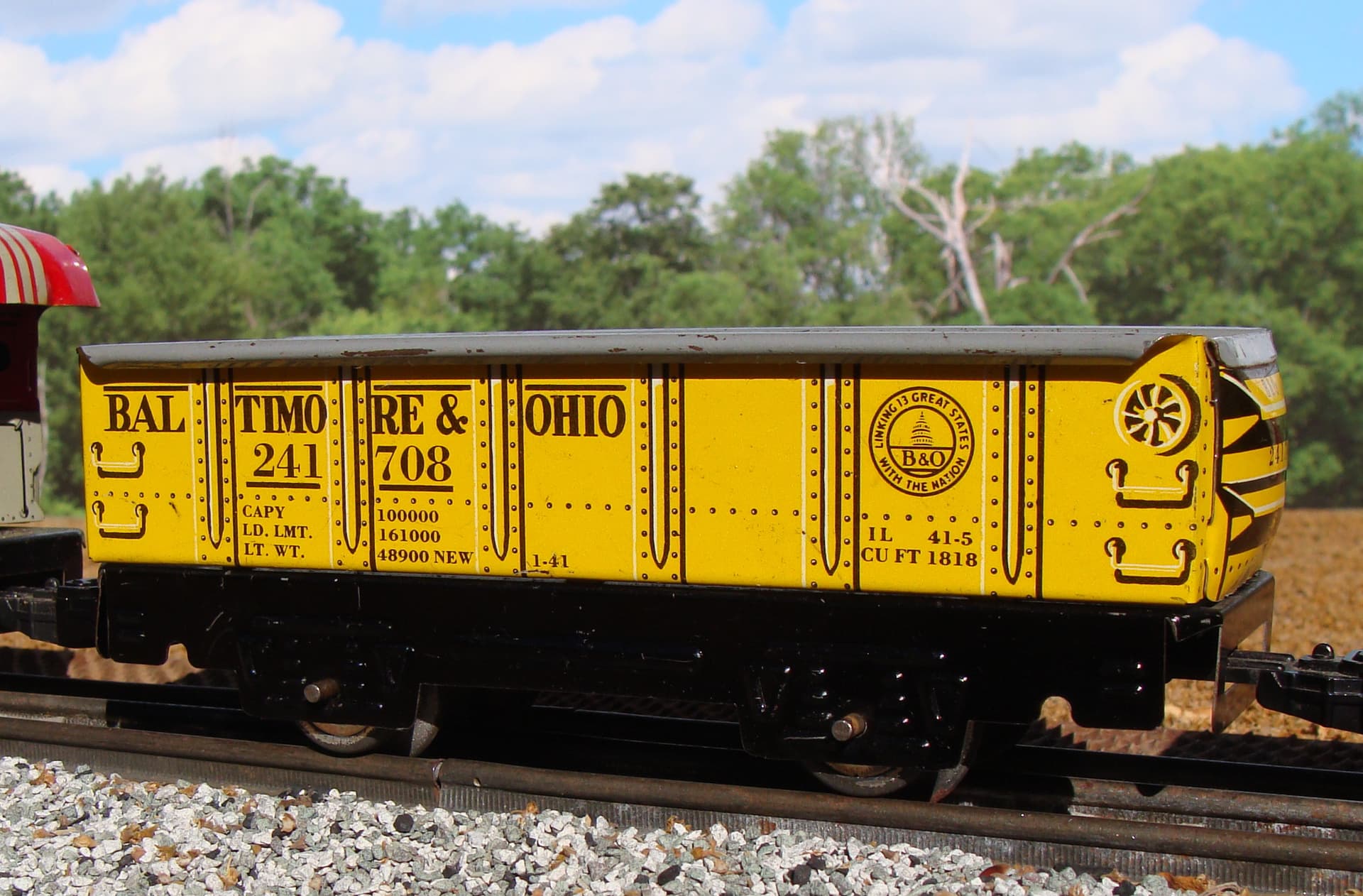
The lithography for Marx’s 241708 B & O gondola first appeared in 1953. These gondolas came with red, gray and black interiors with gray interior gondolas being the most common.
5 Likes
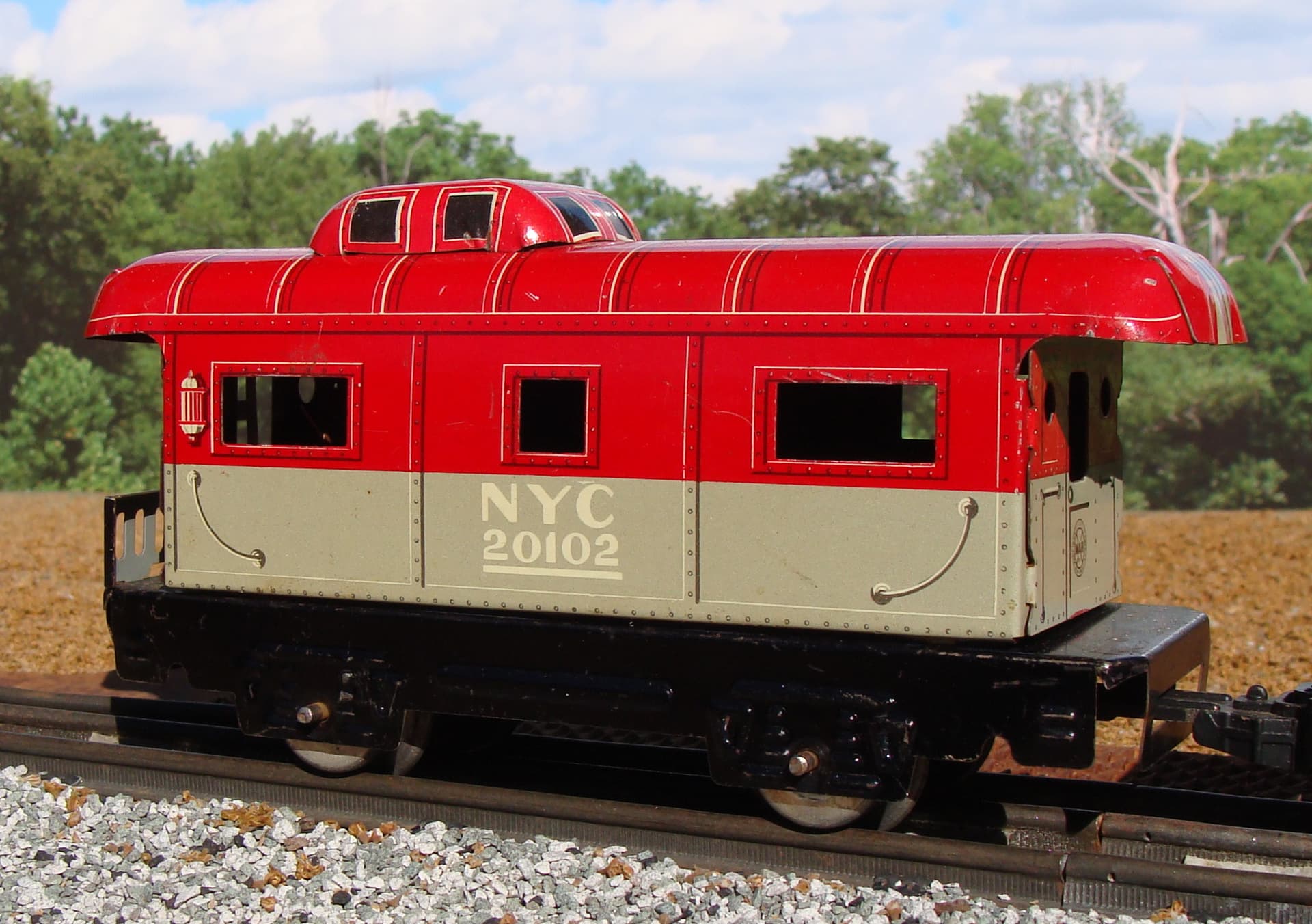
The NYC 20102 4-wheel caboose was also available in an illuminated version which is now very scarce and valuable.
5 Likes
I always liked these little locos
3 Likes
7 Likes
Keep that shutter clicking! Love that loco!
2 Likes
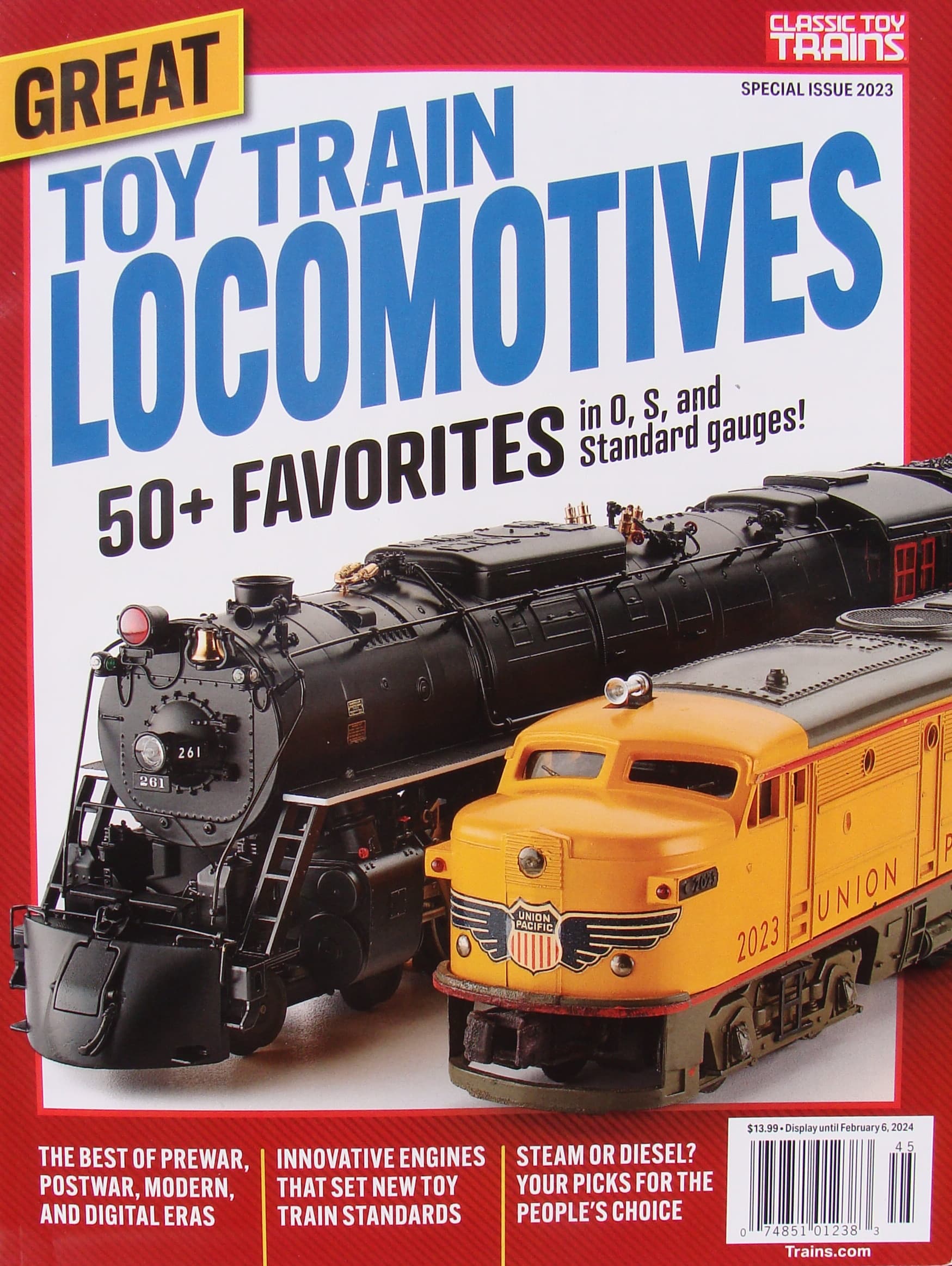
A few years ago, Classic Toy Trains magazine asked readers to submit the names of their five favorite toy train locomotives. Later, the CTT special publication GREAT TOY TRAIN LOCOMOTIVES listed 50+ toy train locomotives that had been selected by the CTT editors and staff as being the greatest.
Here are the five Marx locomotives that were my choices for greatest toy train locomotives:
4 Likes
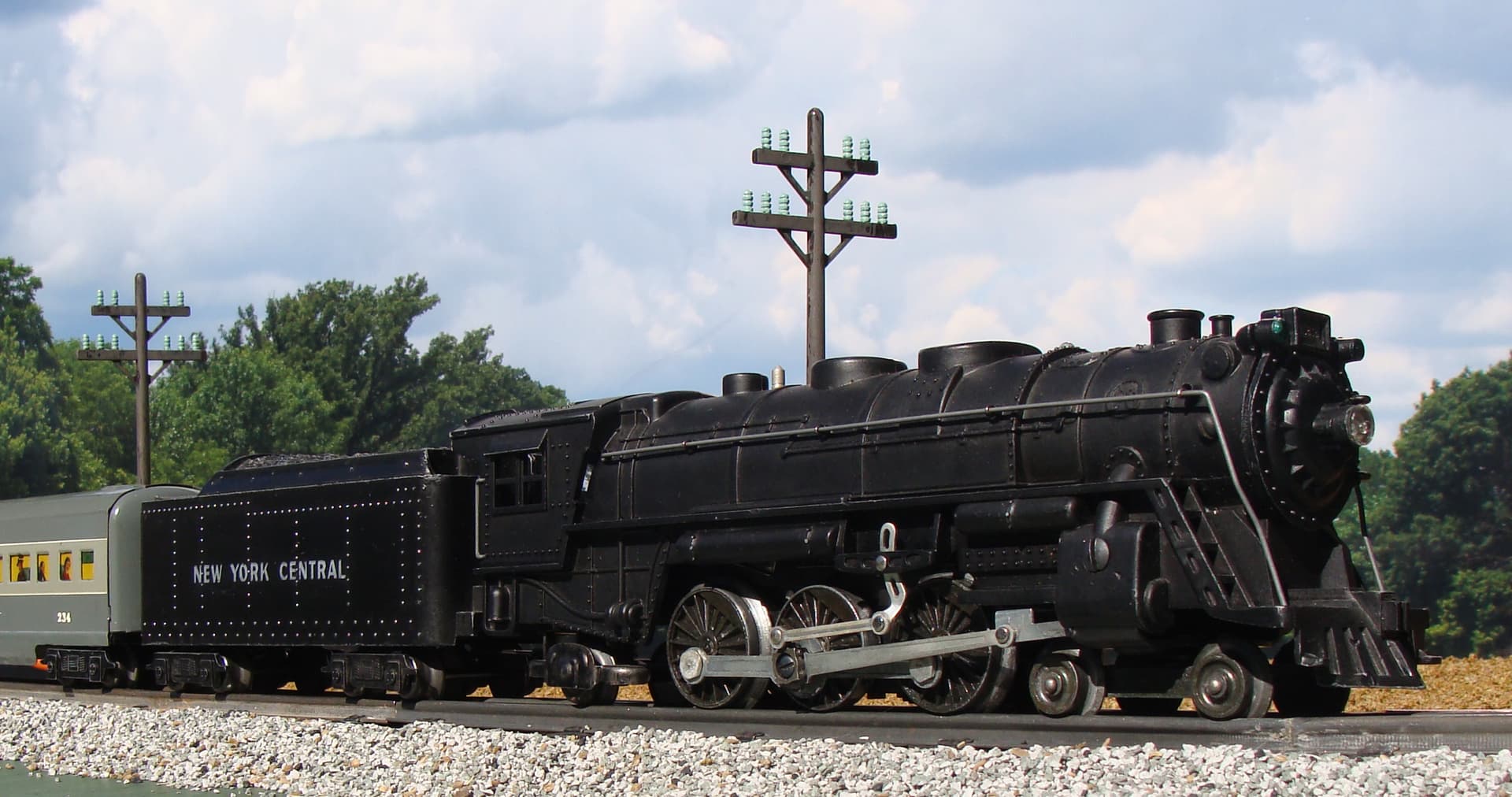
One: Marx’s only 4-6-2 locomotive, the die-cast 333 was one of the few Marx locomotives that did make it onto CTT’s list of the 50 greatest. As Marx’s top-of-the-line metal locomotive, it appeared in the company’s most expensive sets.
4 Likes
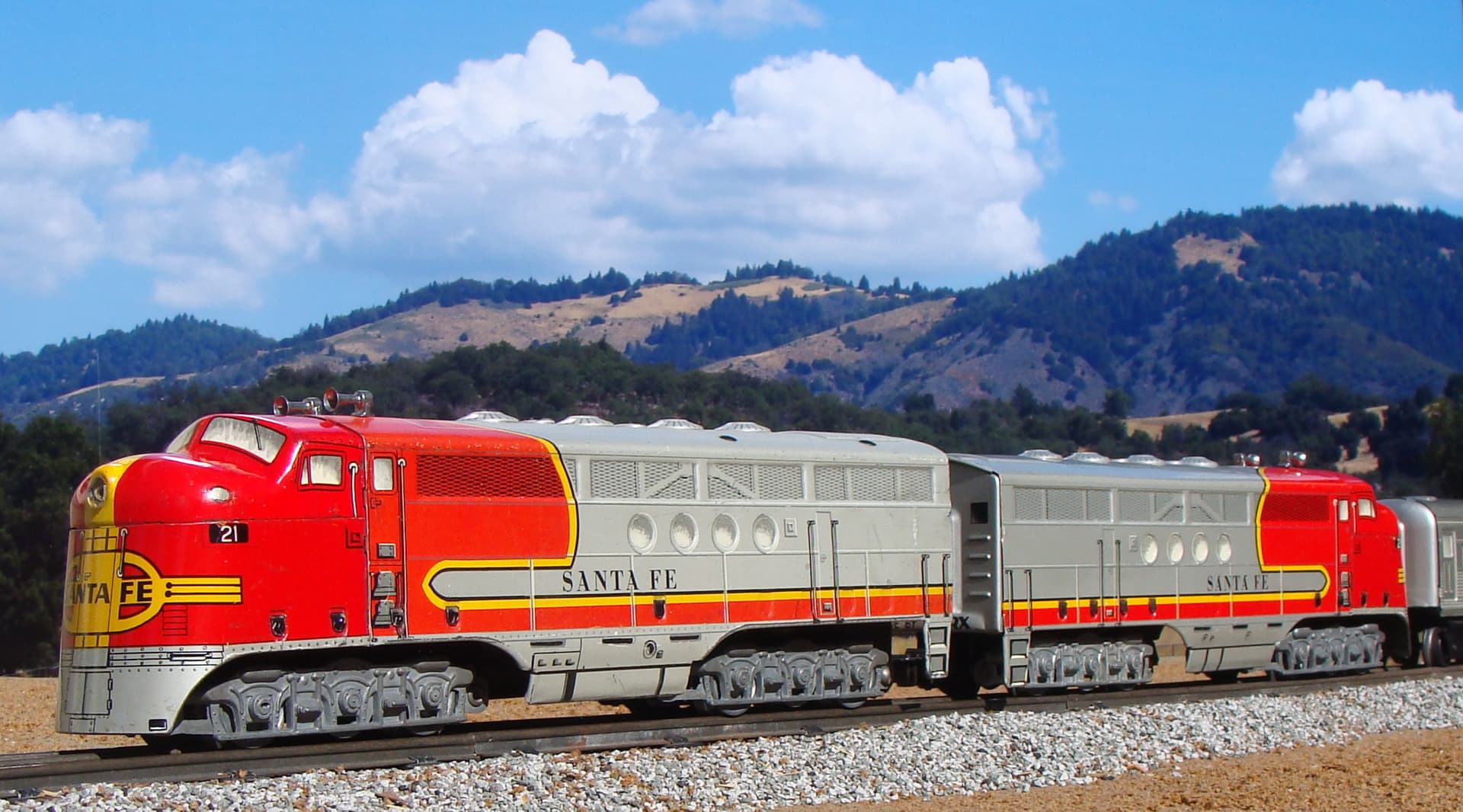
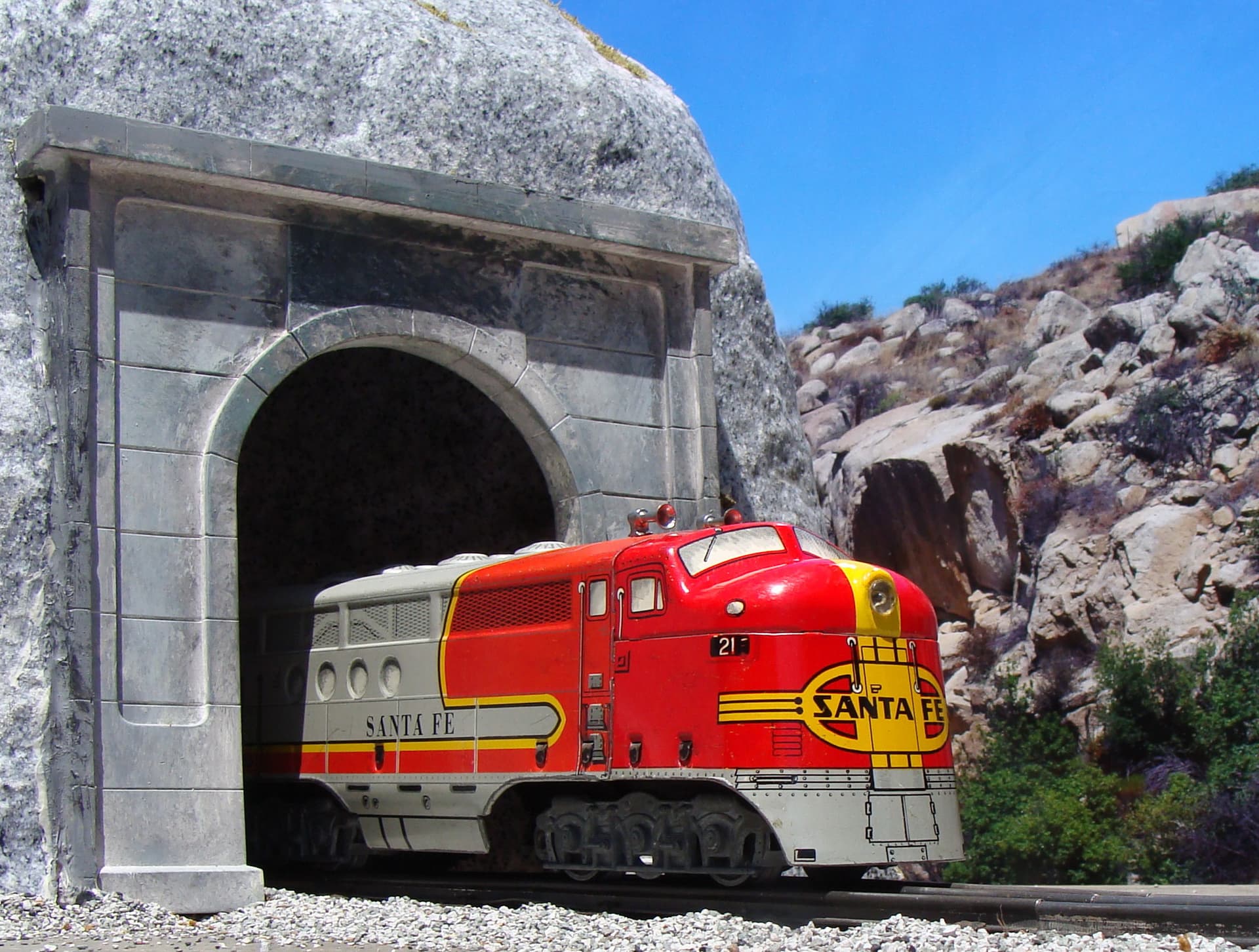
Two: Surprisingly, the lithographed metal 21 Santa Fe EMD FT, with its colorful “war bonnet” paint scheme didn’t make it onto the CTT list. Compared to the Santa Fe “war bonnet” diesels offered by Lionel and American Flyer, it was not only the most affordable but also had great visual appeal.
4 Likes
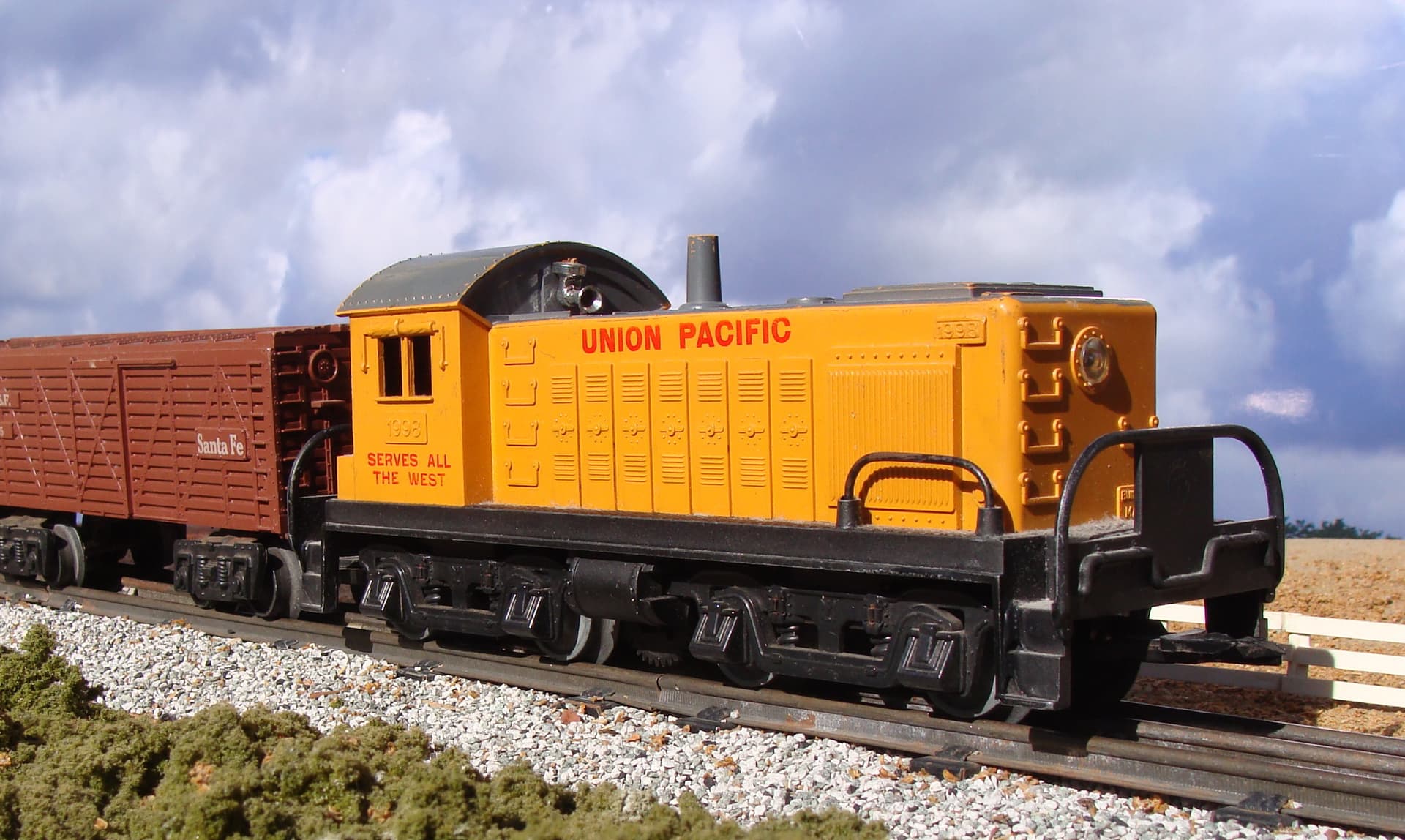
Three: My personal favorite from among Marx’s switchers, the 1998 Union Pacific Alco S3 Switcher was also overlooked as one of CTT’s 50 top toy train locomotives.
4 Likes

Four: Although it didn’t make the CTT list, the Canadian Pacific Jubilee-type locomotive remains one of the most successful toy train locomotives of all times. Between 1937 and 1952, over half a million of them were produced. By changing the colors of the cabs, boilers, and lithographed sideboards, and making slight changes to the smokestacks, marker lights, handrails and other trim items, Marx produced at least 50 different variations of this one locomotive.
5 Likes